Residents and families repeatedly describe staff as attentive, kind, and responsive.
Across many visits, reviewers describe staff members who check in frequently and provide help promptly. Several comments highlight specific team members in admissions, nursing, and therapy, with families saying they felt supported and informed. Reviewers also point to staff working as a team, including therapists and CNAs, to address day-to-day needs. A small number of reviews express the opposite, citing failures in communication or follow-through.
differentiator14 reviews mention this
Skilled therapy helps recovery
Physical and occupational therapy are a major part of residents’ experience here.
Many reviews focus on rehabilitation progress, describing consistent physical and occupational therapy and therapists who work with patients during recovery. Several reviewers say therapy happened frequently, with some noting improvements in mobility or balance. Reviewers also mention speech therapy in the mix of services. While most comments are positive about therapy, a few critical reviews describe long wait times and insufficient support during the day.
common7 reviews mention this
Clean, organized environment
Reviewers frequently describe the facility as clean and well kept.
Multiple reviewers comment on cleanliness and an organized environment, including feeling comfortable walking through the space. Several families also describe the absence of common nursing home odors and say rooms are kept up. A separate concern appears in one review that mentions dirty dishes, but most cleanliness feedback is positive.
caveat2 reviews mention this
Parking causes repeated frustration
Parking is a recurring complaint for visitors.
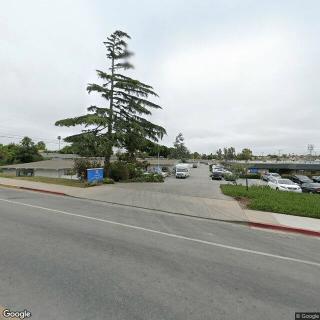
Two reviews describe parking problems that made it hard for visitors to come and go. One reviewer says vehicles blocked them in and they had to wait a long time to leave. Another mentions parking as difficult and calls out the need for improvement for people visiting from home.
How we summarize
Counts show how many written reviews mention each theme; a review can touch several themes, and only frequently mentioned themes are displayed.
Features
Housing
148 resident community capacity
Types of Care
Skilled Nursing Facility
Amenities
Air-conditioning
Beauty salon
Cable or satellite TV
Computer center
Dining room
Fitness room
Fully furnished
Gaming room
Garden
Housekeeping services
Kitchenette
Move-in coordination
Outdoor space
Private bathrooms
Restaurant-style dining
Small library
Telephone
Wellness center
Wi-Fi/high-speed internet available
Transportation
Monterey Peninsula (12 miles away)
Community operated transportation
Transportation arrangement
Transportation arrangement (non-medical)
Transportation to doctors appointments
Care Services
12-16 hour nursing
24-hour call system
24-hour supervision
Activities of daily living assistance
Assistance with bathing
Assistance with dressing
Assistance with transfers
Diabetes diet
Meal preparation and service
Medication management
Mental wellness program
Special dietary restrictions
Dining
Diabetes diet
Special dietary restrictions
Activities
Community-sponsored activities
Concierge services
Fitness programs
Planned day trips
Resident-run activities
Scheduled daily activities
Nearby Places of Interest
This part of Salinas, California offers convenient access to a range of healthcare services, including physicians, hospitals, and pharmacies all within a short distance. The presence of reputable medical facilities such as Salinas Memorial Hospital and Pacific Cancer Care ensures quality healthcare for residents. Additionally, the area boasts various dining options such as Alvarado Street Brewery and Elli's Great American Restaurant, providing opportunities for socializing and enjoying delicious meals. For recreation, there are several parks nearby like Tatum's Garden Fully Inclusive Accessible Playground and El Dorado Park, offering opportunities for leisurely walks or outdoor activities. Overall, this area provides a blend of accessibility to essential services and amenities that cater to the needs of seniors looking for a comfortable and vibrant community in which to reside.
Physicians
Hanger Orthopedic Group (0.2 miles)
Salinas Memorail Hospital-Oper Rm (0.2 miles)
Vantage Eye Center (0.2 miles)
Pacific Cancer Care (0.2 miles)
Central Coast Cardiology (0.3 miles)
Albert Brian Doornik (0.3 miles)
Acacia Family Medical Group (0.3 miles)
Hospitals
Salinas Valley Memorial Healthcare System (0.3 miles)
Salinas Surgery Center (0.3 miles)
Evergreen At Salinas (0.4 miles)
Dr Mary Garren, MD (10.9 miles)
Community Hospital Of The Monterey Peninsula (11.3 miles)
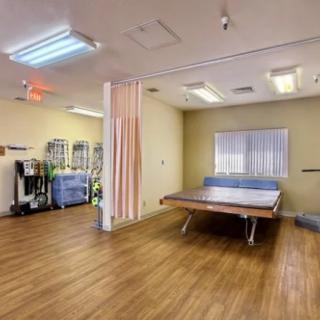
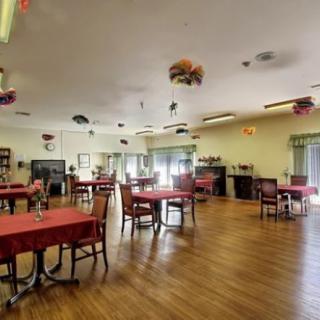
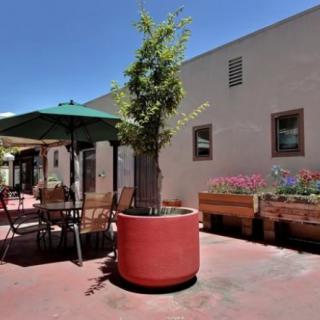
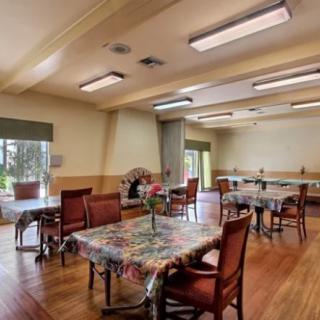
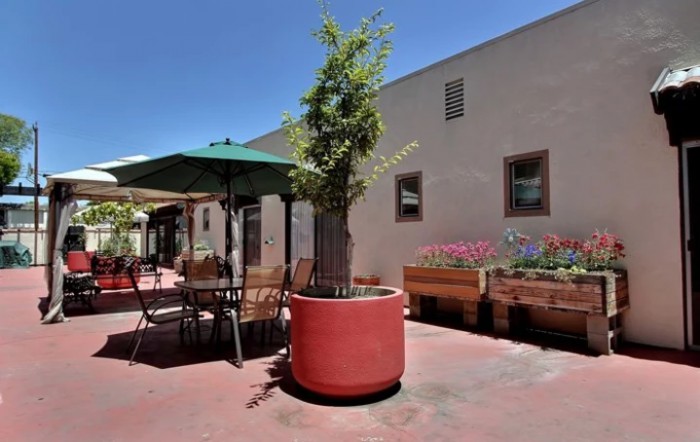
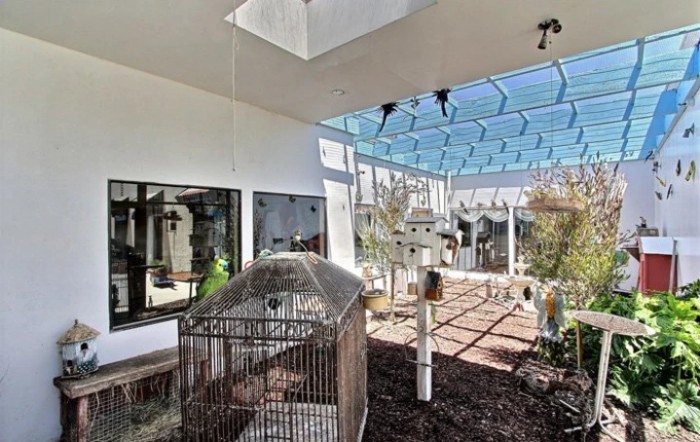
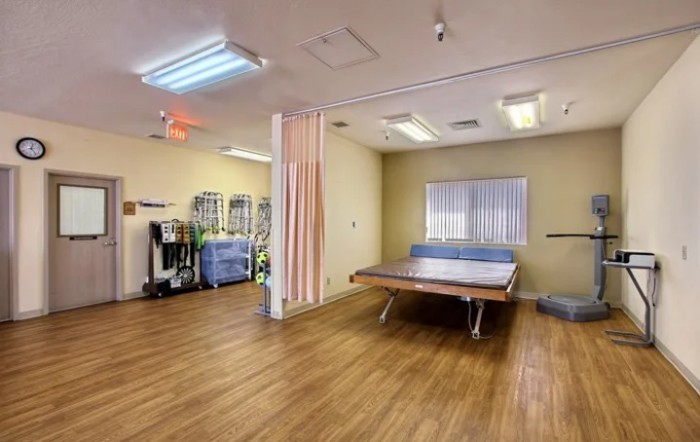
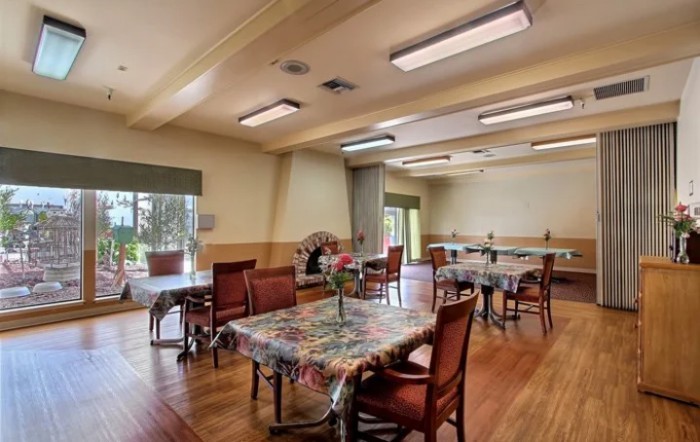
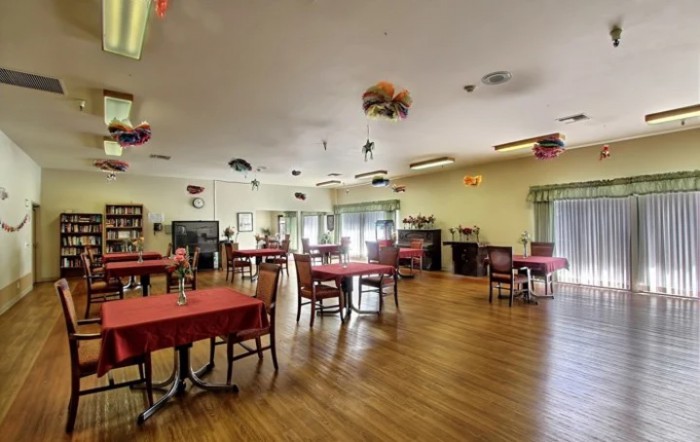
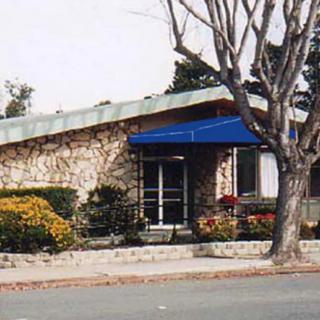
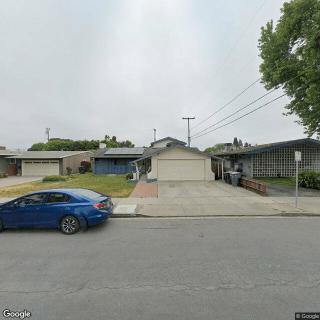
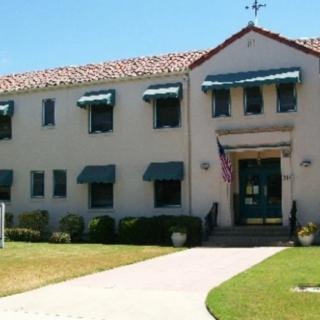
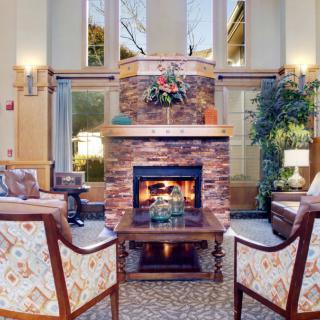
Pacific Coast Post Acute on seniors.fyi includes 5 photos including images showing interior, dining, outdoor, patio, rehabilitation, bright lighting, decor, lighting, and more.
Nearby Communities
Pacific Coast Care Ctr
Salinas, CA
4.1 from 56 reviews
Excellent location with nearby dining, parks, pharmacies, physicians, hospitals, and transportation.
Howard Homes
Salinas, CA
Homey setting with personalized care and engaging activities.
Howard Homes Inc.
Salinas, CA
4.3 from 3 reviews
Caring, long-tenured staff creating a home-like, attentive care environment.
Windsor Gardens Rehabilitation Center Of Salinas
Salinas, CA
3.7 from 3 reviews
Excellent care and cleanliness with a caring staff and engaging activities.
Home Away From Home I
Salinas, CA
4 from 1 review
$3,000 to $3,500 / month
Competitive memory care pricing with flexible private/semi-private rooms and respite options; pet-friendly.
Katherine Healthcare
Salinas, CA
3.5 from 11 reviews
Strong skilled nursing and compassionate, patient-centered care.
Ivy Park at Salinas
Salinas, CA
4.5 from 69 reviews
$3,795 to $5,195 / month
Friendly staff, clean, well-maintained facility with quality meals.
Madonna Gardens
Salinas, CA
4.8 from 13 reviews
Caring, dedicated staff and an attentive director create a quiet, home-like environment.
Windsor The Ridge Rehabilitation Center
Salinas, CA
3.7 from 49 reviews
24/7 medical supervision with clean, well-maintained facilities and attentive staff.
Older adults with urinary tract infections (UTIs) often present atypical symptoms, complicating diagnosis due to factors like incomplete bladder emptying and chronic health conditions that increase their susceptibility. Effective management involves prompt treatment with antibiotics, hydration, and preventive strategies while minimizing antibiotic resistance and focusing on holistic care approaches.
California's Form 602A is a vital tool for evaluating the health needs of seniors seeking residential care, detailing their medical conditions and daily living requirements to ensure proper service alignment. This standardized form enhances communication among physicians, families, and facilities, serving as a regulatory measure for admissions and ongoing care while adapting to changing healthcare practices.
The overview of blood pressure management for seniors emphasizes the importance of monitoring and interpreting blood pressure readings, noting that normal ranges can vary due to age-related factors and individual health conditions. It highlights tailored guidelines for systolic and diastolic levels, the necessity of early detection and consistent management to prevent serious health complications, and advocates for personalized care strategies that incorporate lifestyle changes and medication adherence.
Exercise Equipment, Rehabilitation, and Physical Therapy
Bright Lighting
Get PricingAsk A QuestionSchedule A TourContact Senior Advisor
By clicking submit, you agree to our Partner's Terms of Use. You
also consent to receive calls and texts, which may be autodialed, from our Partner. Your consent is not a condition to
using our Partner's service. Please visit our Partner's Privacy Policy for information about their privacy practices.

 148 resident community capacity
 Skilled Nursing Facility
 Air-conditioning
 Beauty salon
 Cable or satellite TV
 Computer center
 Dining room
 Fitness room
 Fully furnished
 Gaming room
 Garden
 Housekeeping services
 Kitchenette
 Move-in coordination
 Outdoor space
 Private bathrooms
 Restaurant-style dining
 Small library
 Telephone
 Wellness center
 Wi-Fi/high-speed internet available
 Monterey Peninsula (12 miles away)
 Community operated transportation
 12-16 hour nursing
 24-hour call system
 Activities of daily living assistance
 Assistance with bathing
 Assistance with dressing
 Assistance with transfers
 Diabetes diet
 Medication management
 Mental wellness program
 Special dietary restrictions
 Concierge services
 Planned day trips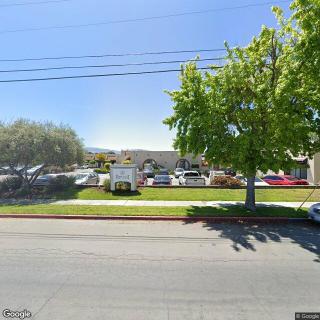
 Excellent location with nearby dining, parks, pharmacies, physicians, hospitals, and transportation.

 Urinary Tract Infections in Older Adults: Comprehensive Insights on Symptoms, Treatment, and Prevention
 California's Form 602A: An In-Depth Examination of Senior Care Assessment
 Comprehensive Look at Senior Blood Pressure Charts: Normal and Elevated Levels by Age