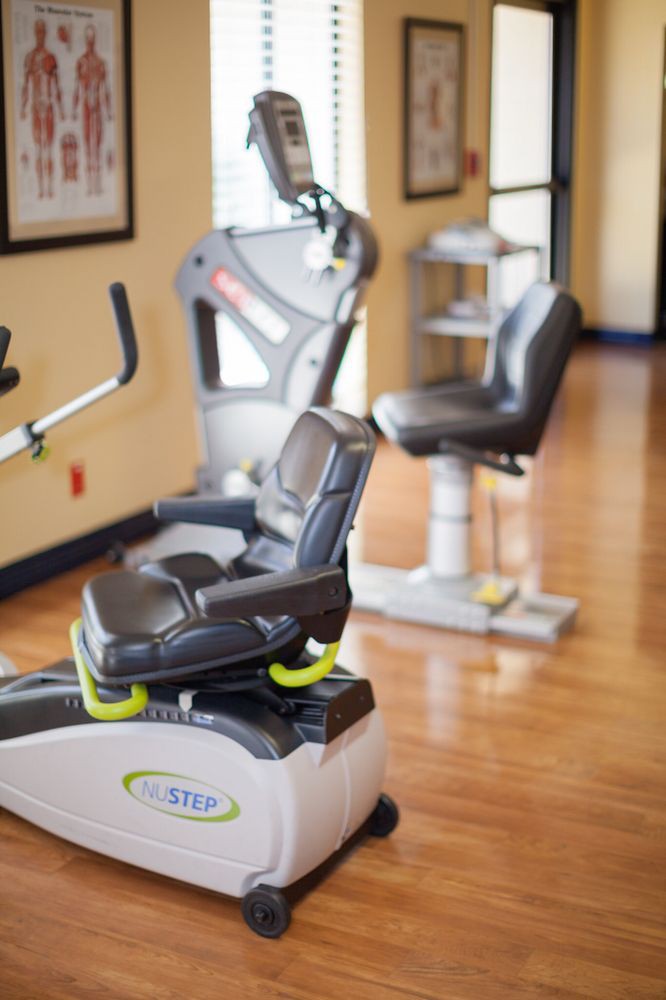
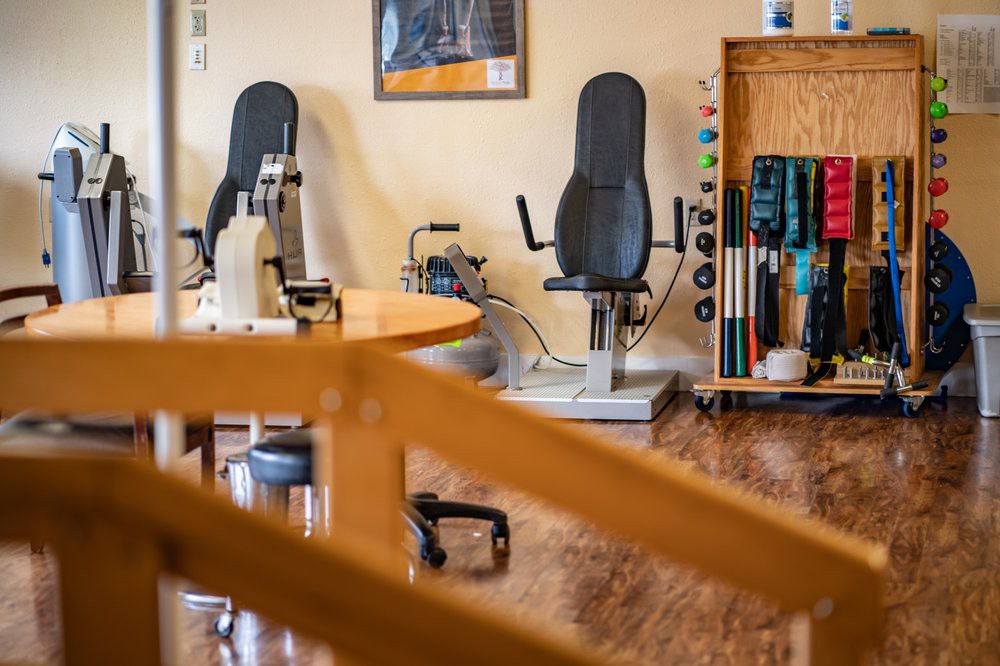
Residents repeatedly mention physical and occupational therapy staff supporting their recovery.
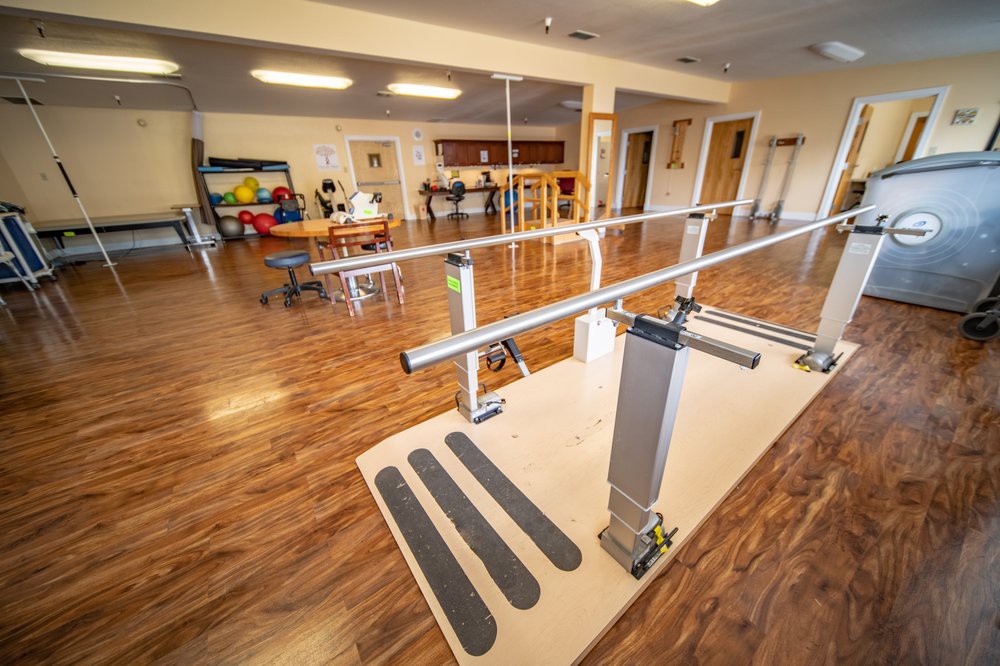
Several reviews describe strong therapy involvement, including physical therapy sessions and occupational therapy support during recovery. One resident also credits specific therapy team members with helping them progress. Another review highlights a facility with an active therapy schedule and residents who appear comfortable. Overall, residents tend to connect therapy staff with day-to-day improvement and participation.
common16 reviews mention this
Cleanliness and upkeep come up often
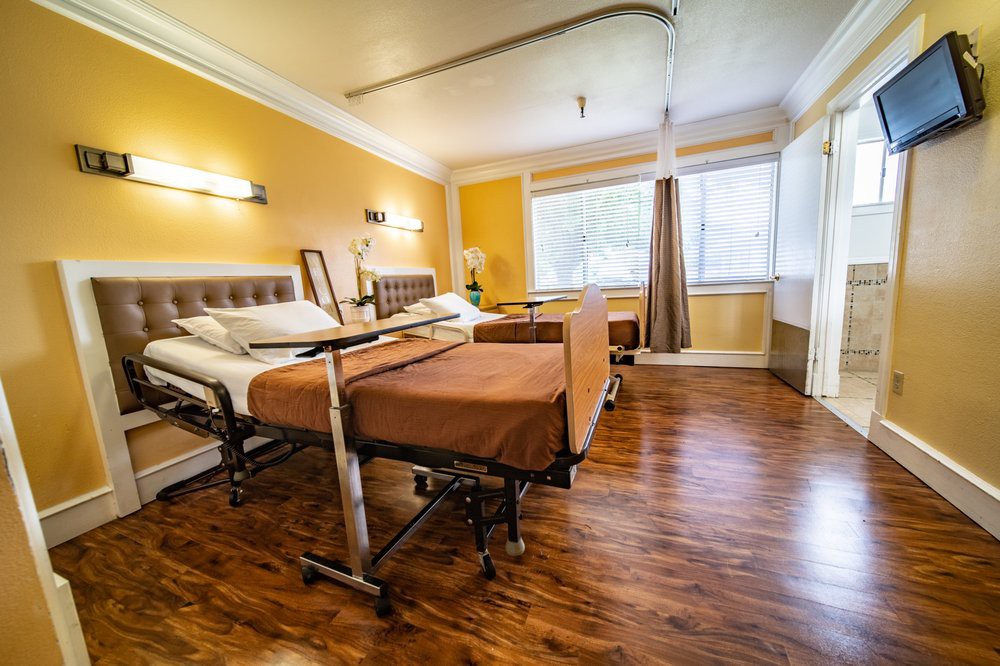
Many reviewers specifically mention cleanliness, cleaning staff, and the overall look of the facility.
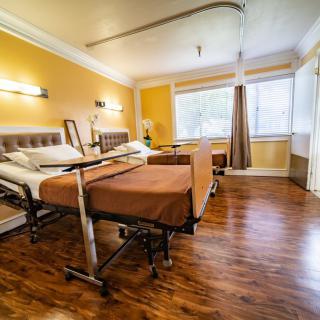
Positive reviews frequently describe the building as clean, well kept, and even having a pleasant smell. A number of visits also mention orderly areas and a facility that looks maintained. Not every review is positive—some describe dirty bedding or filthy rooms, and others report unpleasant odors. There are also a few complaints about specific room details like floors and drapes.
common40 reviews mention this
Staff friendliness is a major driver
Across many reviews, residents and families describe staff as kind, responsive, and helpful.
The most consistent praise is about staff interactions—reviews describe CNAs, nurses, and other caregivers as supportive, respectful, and attentive to needs. Several families also call out responsiveness, including staff answering questions promptly and helping residents without being asked. Social services and discharge planning also get positive mentions when families describe follow-through and flexibility. A smaller number of reviews go the other way, describing neglect, rude behavior, or staff who feel difficult to reach.
common7 reviews mention this
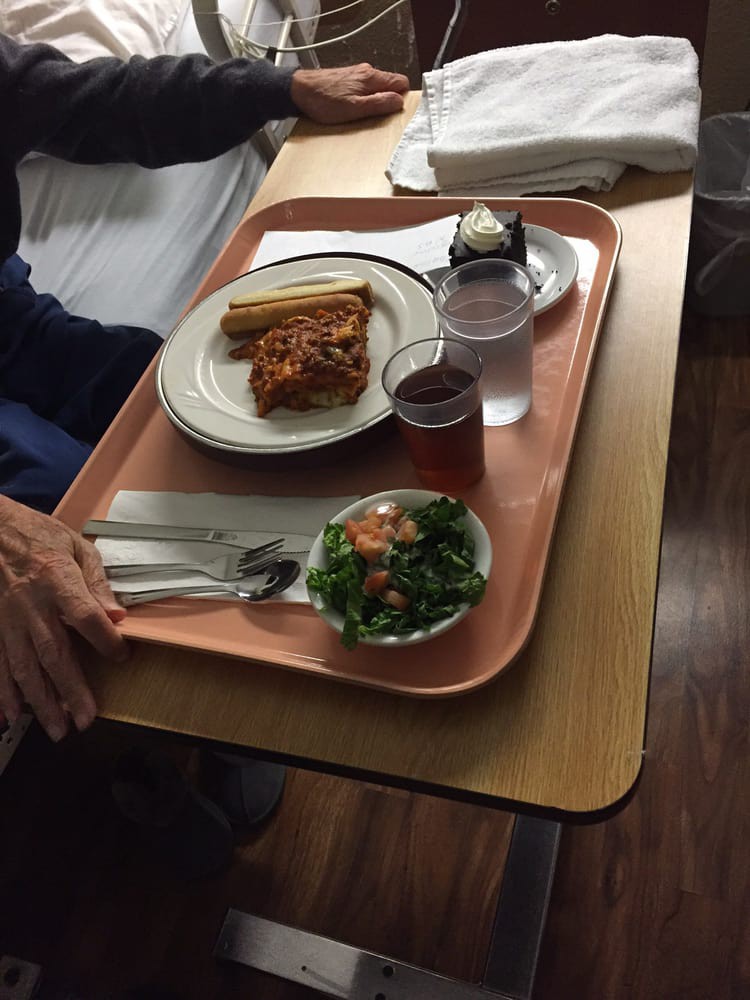
Food quality gets mixed reviews
Residents and families mention meals frequently, with both praise and complaints.
Some reviews describe food as tasty and enjoyable, and a few mention liking what their loved one eats or that the food helps residents stay comfortable. Other reviews are more negative, describing bad odors and meals that did not seem adequate or were not appealing. One resident-focused review also ties meal portions to weight loss concerns. Overall, dining shows up as a topic residents notice, but experiences vary.
caveat6 reviews mention this
Getting answers can be difficult
Some reviewers report difficulty reaching staff or getting timely medical updates.
A recurring complaint is the challenge of getting in touch with nursing or obtaining updates when families call. Several reviews describe long waits for help, trouble getting messages through, or being told the system was rebooting during calls. There are also mentions that medication delivery and response times can be slow. While some reviews praise responsiveness, this theme shows up enough that communication timing is a concern for some families.
caveat2 reviews mention this
Care for dementia needs improvement
Some reviews specifically question whether dementia care needs are being met.
At least one review says the facility did not know how to take care of a person with dementia after orthopedic surgery, describing basic care problems and a decline after the stay. Another review describes serious issues with feeding-tube care and infection risks, alongside concerns about whether doctors were contacted appropriately. Together, these reviews raise concerns about specialized care needs and how well they are handled.
common2 reviews mention this
Nearby services are within a few miles
The area includes nearby pharmacies, restaurants, and parks within several miles.
Reviews mention the neighborhood only indirectly, but the surrounding area includes common day-to-day destinations nearby. For example, pharmacies and medical-related offices are listed at about half a mile to a few miles away. There are also restaurants, cafes, and parks within the same general range, which can make errands and outings easier for visitors.
How we summarize
Counts show how many written reviews mention each theme; a review can touch several themes, and only frequently mentioned themes are displayed.
Features
Types of Care
Skilled Nursing Facility
Transportation
Sacramento International (15 miles away)
Nearby Places of Interest
This area of Sacramento, California offers a variety of amenities and services that may be beneficial for senior living. With multiple pharmacies, physicians, and hospitals in close proximity, access to healthcare is easily accessible. Additionally, the numerous restaurants and cafes provide convenience for dining options. The presence of parks allows for outdoor recreational activities and the theaters offer entertainment opportunities. Overall, this area provides a well-rounded environment with essential services for seniors looking to reside in a convenient and vibrant community.
Pharmacies
Walgreens (0.5 miles)
South Sacramento Care Center (1.4 miles)
CVS Pharmacy (1.4 miles)
Walgreens (1.9 miles)
Walmart Pharmacy (2.1 miles)
Rite Aid (2.3 miles)
Walgreens (2.6 miles)
Places of Worship
New Hope Community Church Sacramento (1 miles)
St Francis of Assisi (5.8 miles)
Restaurants
McDonald's (1.5 miles)
Chick-Fil-A (1.7 miles)
Auntie Anne's (2.1 miles)
Burger King (2.3 miles)
Taqueria Hecho En Mexico (2.9 miles)
The Sandwich Spot (3.8 miles)
Marie's Do-Nut Shop (4.3 miles)
Theaters
Regal Delta Shores & Imax (1.8 miles)
Cafes
Starbucks (2 miles)
Kampala Café (3.7 miles)
Starbucks (4.9 miles)
Starbucks (5 miles)
Temple Coffee (5.2 miles)
Starbucks (5.3 miles)
Chocolate Fish Coffee Roasters (5.3 miles)
Physicians
Site for Sore Eyes - Pocket (2.2 miles)
Kaiser Permanente Medical Group (3.3 miles)
NVISION Eye Centers - Sacramento (3.9 miles)
Sacramento County Primary Care Center (4.2 miles)
Lenaerts Marc Mercy Medical Group Md (5.3 miles)
Health Care for Women Medical Group (5.4 miles)
UC Davis Medical Group- Sacramento- Family Medicine & Pediatrics (5.5 miles)
Parks
Renfree Park (3.3 miles)
Curtis Park (3.8 miles)
William Land Park (4 miles)
Kobe’s Bark Path (4.8 miles)
Laguna Community Park (5.3 miles)
Roosevelt Park (5.9 miles)
Capitol Park (6 miles)
Hospitals
Kaiser Permanente South Sacramento Medical Center (3.4 miles)
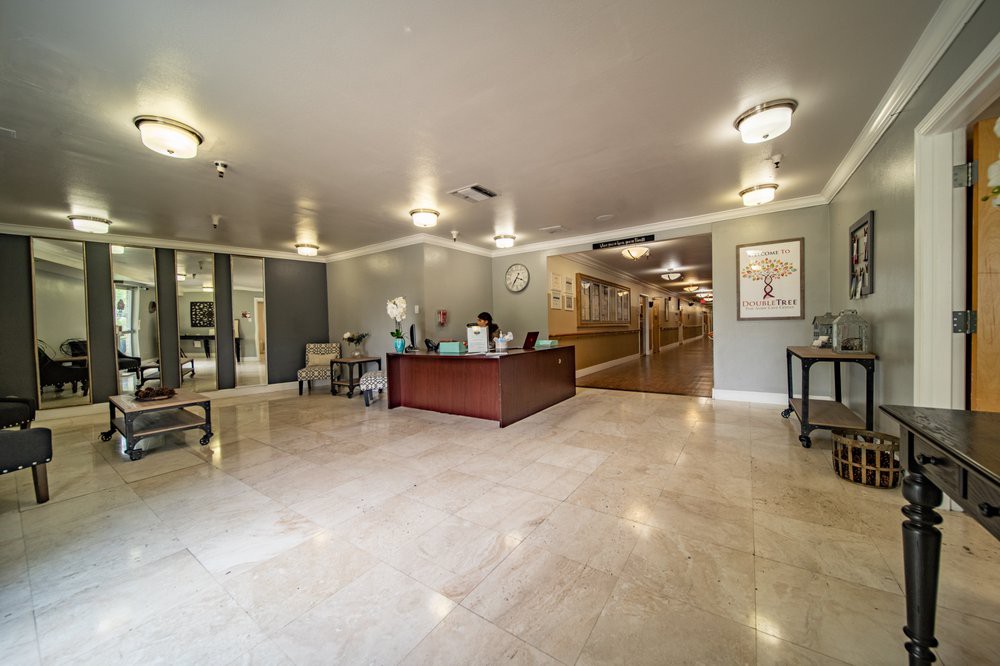
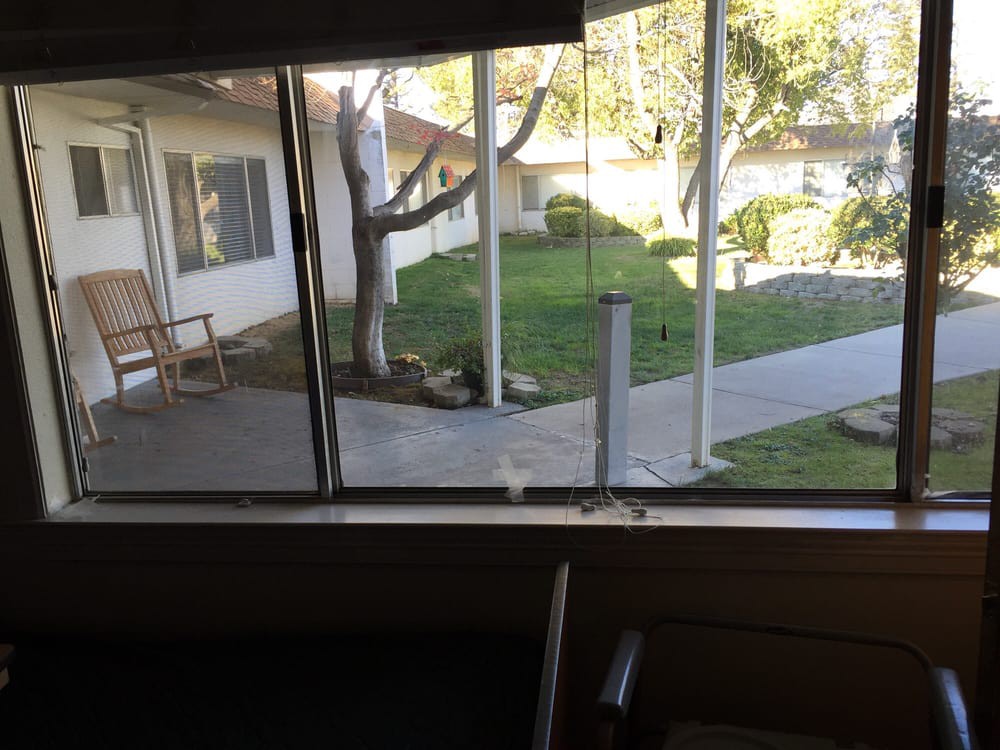
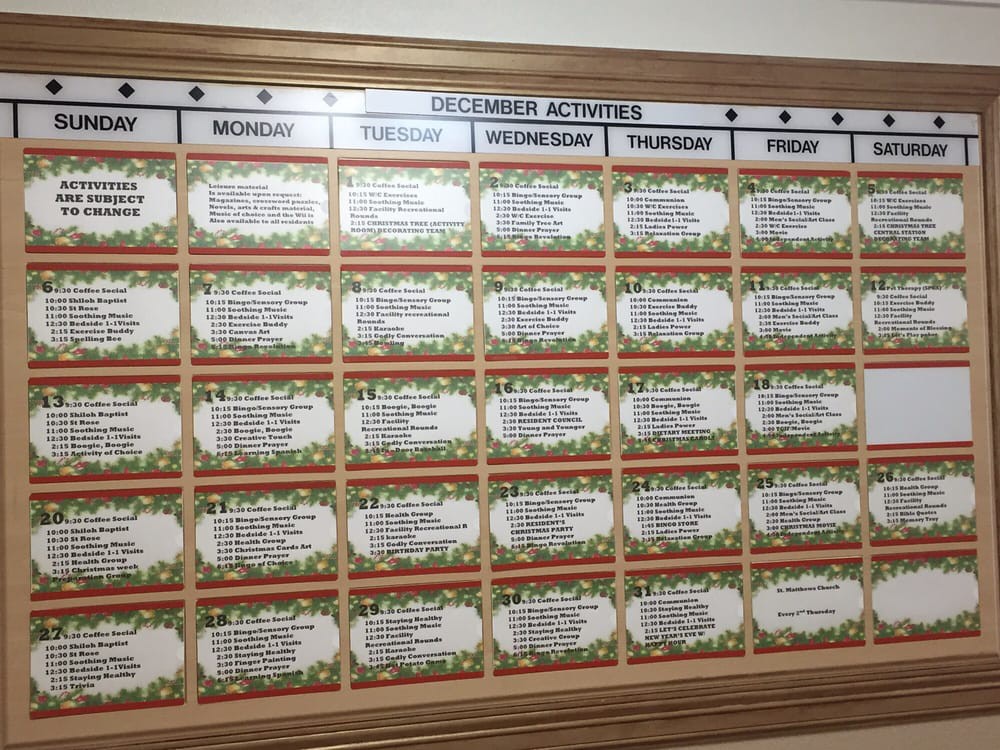
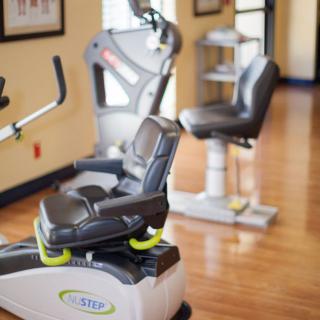
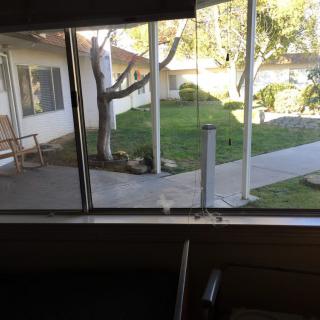
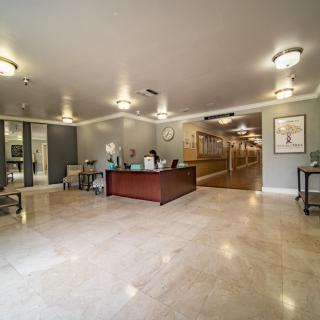
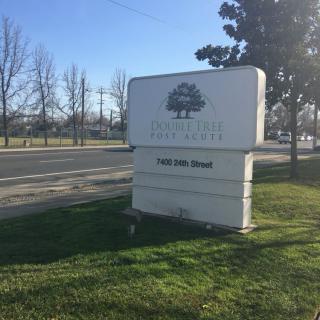
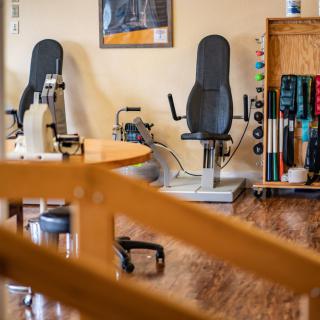
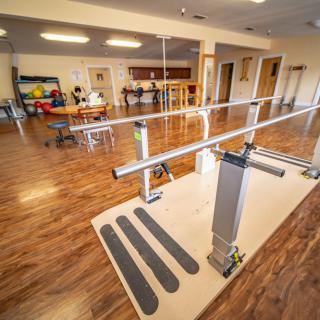
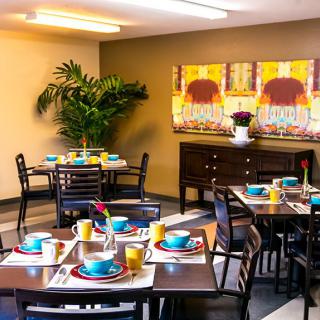
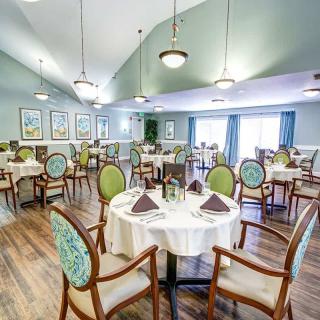
Double Tree Skilled Nursing on seniors.fyi includes 11 photos including images showing interior, exercise equipment, healthcare, grass, gym, physical therapy, rehabilitation, windows, and more.
Nearby Communities
Sacramento Manor Inc
Sacramento, CA
3.7 from 23 reviews
Amenity-rich location with easy access to dining, parks, pharmacies, worship, theater, and hospital.
Muirfield A Home For The Elderly
Sacramento, CA
Small, intimate 6-bed home with 24/7 supervision and ADL support.
A Family Affair Care
Sacramento, CA
Small, personalized care with flexible Board-and-Care and respite options.
Carolyn Mitchell's Loving Care Home
Sacramento, CA
1 from 1 review
Intimate, home-like board-and-care with personalized attention.
Caregiving for an aging parent entails emotional and financial responsibilities accompanied by significant tax implications, including potential benefits from claiming them as dependents and deductions for medical expenses and caregiving costs. Caregivers must understand eligibility requirements, maintain thorough documentation, and consider consulting a tax professional to navigate these complexities effectively.
Low-impact exercises are vital for seniors as they promote health, independence, and social interaction while reducing joint strain. These adaptable activities, guided by healthcare professionals, enhance strength, flexibility, and emotional well-being.
The guide details the tax deductibility of in-home healthcare expenses according to IRS guidelines, differentiating between medically necessary services and non-medical assistance, while emphasizing the need for proper documentation and itemization requirements. It also highlights state-level variations, the importance of record-keeping, and encourages seeking professional tax help to understand evolving regulations.
Get PricingAsk A QuestionSchedule A TourContact Senior Advisor
By clicking submit, you agree to our Partner's Terms of Use. You
also consent to receive calls and texts, which may be autodialed, from our Partner. Your consent is not a condition to
using our Partner's service. Please visit our Partner's Privacy Policy for information about their privacy practices.



 Skilled Nursing Facility
 Sacramento International (15 miles away)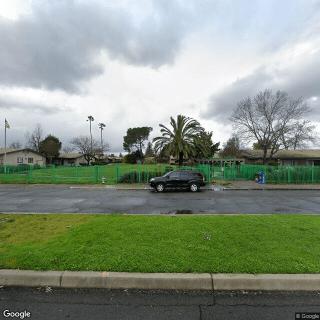
 Amenity-rich location with easy access to dining, parks, pharmacies, worship, theater, and hospital.
 Navigating the Tax Landscape of Caregiving: Credits, Deductions, and Beyond
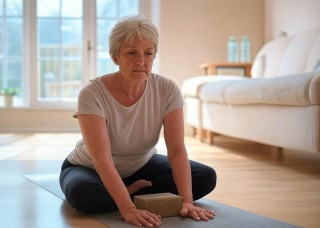 Highly Beneficial Low-Impact Exercises for Senior Living Residents
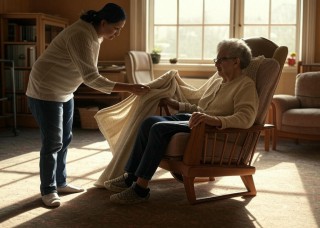 Is In-Home Healthcare Tax Deductible? Your Comprehensive Guide