Ridgecrest Regional Transitional Care And Rehabilitation

Save

  • Interior

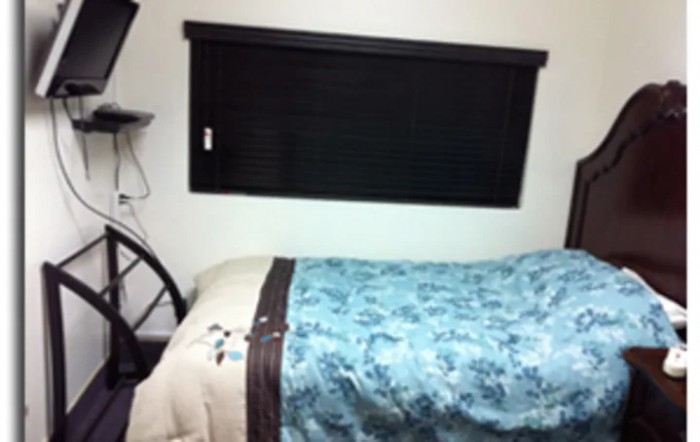
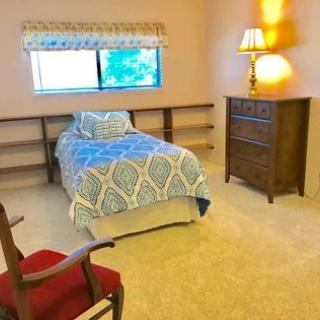
    A neatly made bed with a patterned blanket next to a closed window.
  • Outdoors

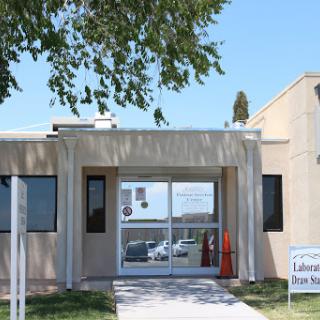
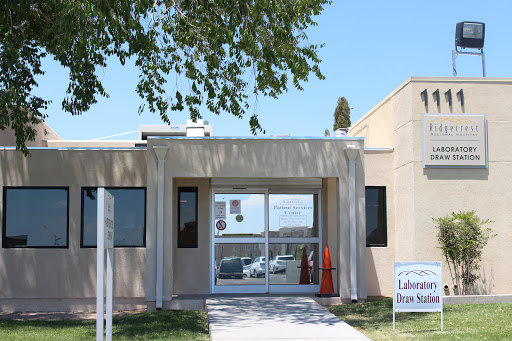
    Entrance of a modern building with large windows and a sign in front.
  • Building

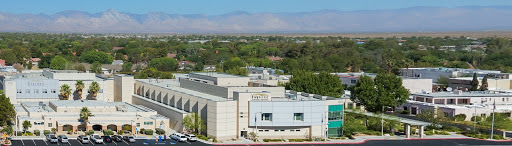
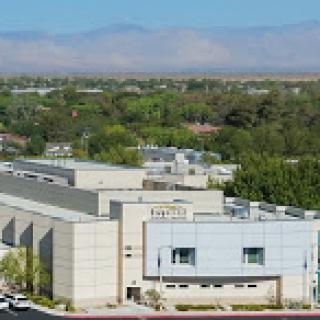
    A modern institutional building surrounded by green landscapes and hills in the background.
  • Architecture

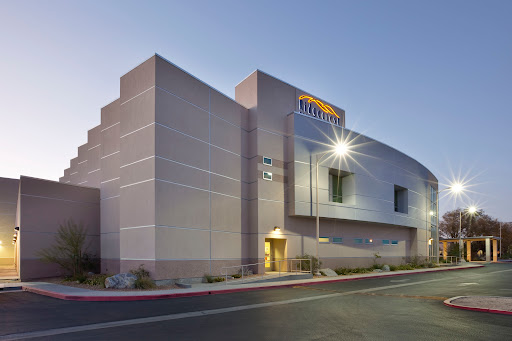
    A modern building illuminated at dusk, showcasing contemporary architectural design.
  • Bedroom

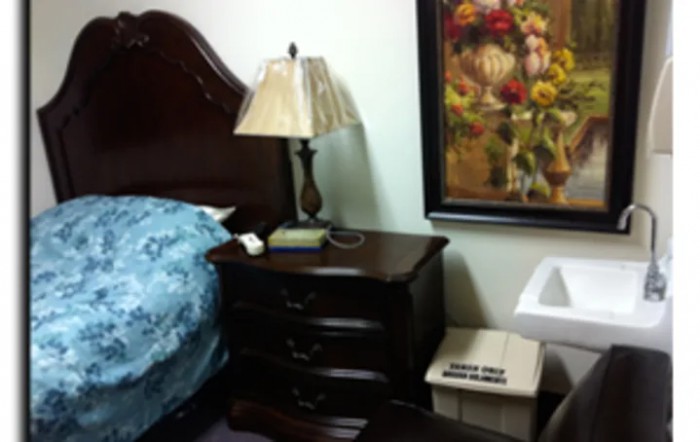
    A cozy bedroom corner with a lamp on the nightstand and a floral painting on the wall.
  • Trees

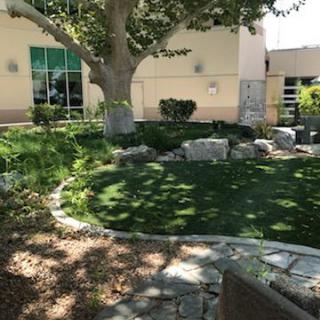
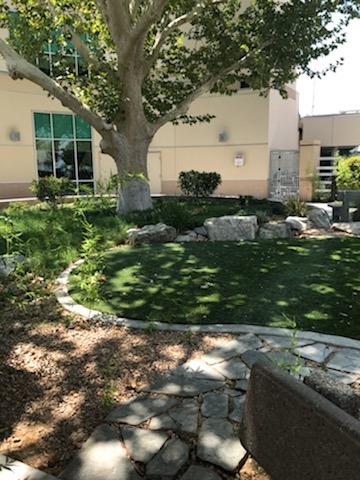
    A serene garden area with lush green grass, trees, and decorative rocks.
  • Landscaping

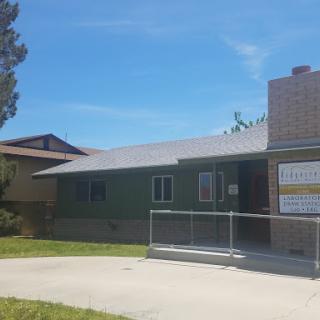
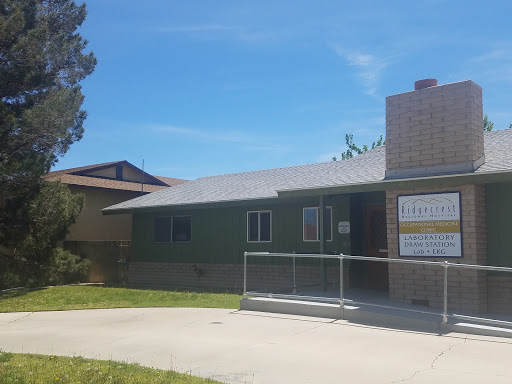
    A quaint single-story house with a green exterior and a clear blue sky overhead.
  • Artwork

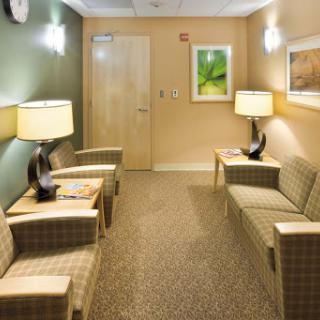
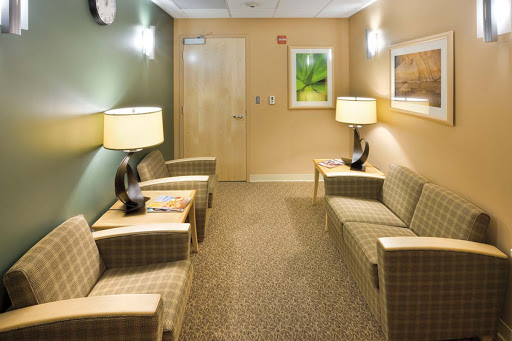
    A calm and inviting waiting room with comfortable seating and soft lighting.
  • Outdoor

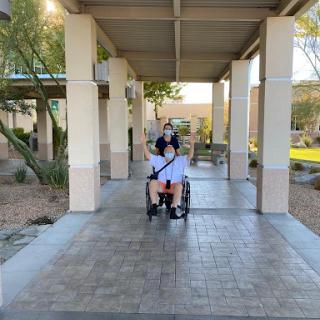
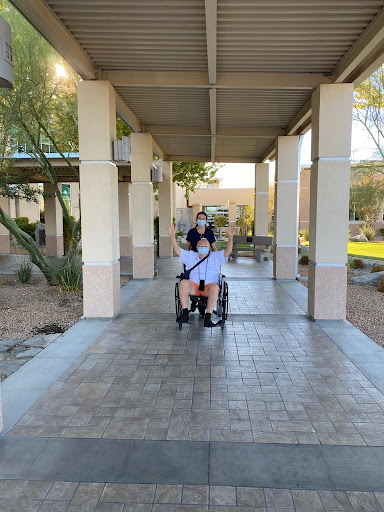
    Two friends enjoying a walk together, with one in a wheelchair.
  • Palm Trees

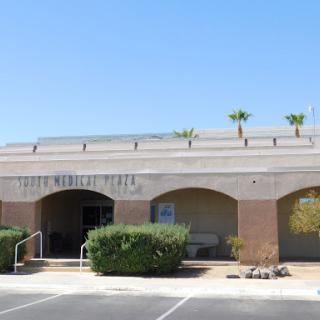
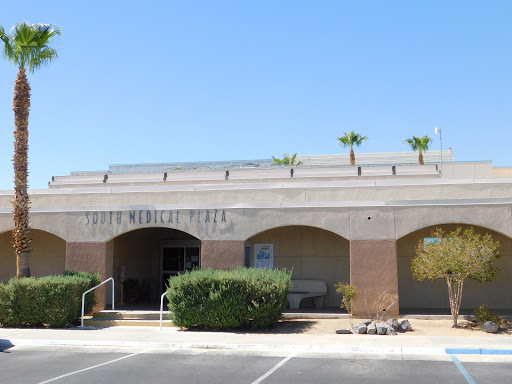
    A modern commercial building with palm trees under a clear blue sky.
  • Office

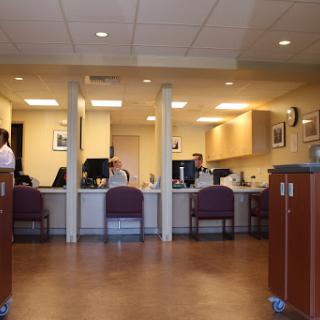
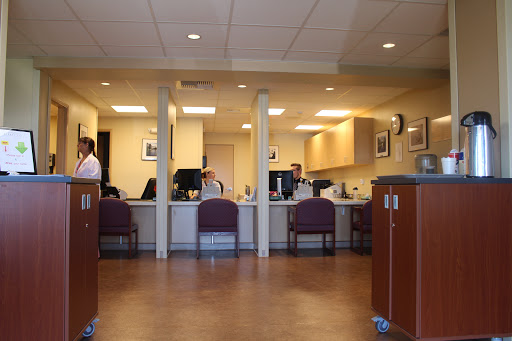
    A view of a reception area in a healthcare facility with staff at the front desk.
  • Waiting Area

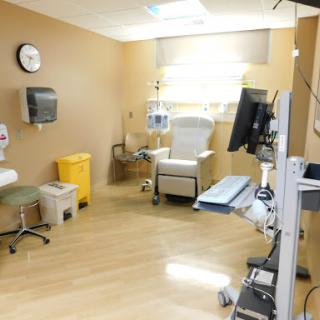
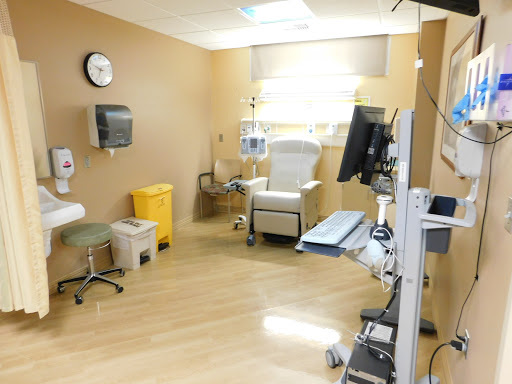
    A clean and well-organized patient room in a hospital, equipped for medical care.

Ridgecrest Regional Transitional Care And Rehabilitation

1081 North China Lake Boulevard, Ridgecrest, CA 93555

For more information about senior living options: (844) 490-3973

4.7 from 100 reviews
5 stars
88
4 stars
3
3 stars
3
2 stars
3
1 stars
3

Skilled Nursing Facility

Overall Review of Ridgecrest Regional Transitional Care And Rehabilitation

Pros

  • pro The staff provided outstanding service and were respectful and professional.
  • pro The care team was knowledgeable, professional, and compassionate, making the experience fantastic from start to finish.
  • pro The imaging center consistently delivered friendly, efficient, and professional service.
  • pro The front desk, radiology staff, and specialists delivered warm, courteous, and helpful care.
  • pro Alyssa Siler at the women's center was professional and compassionate.
  • pro Shelly and Collett were professional and put the patient at ease.
  • pro Maggie the blood-draw nurse made venipuncture painless, even with difficult veins.
  • pro Julie the technician was quick and courteous.
  • pro The care across doctors and nursing staff was excellent and caring; patients feel well cared for and safe.
  • pro The ER stay and hospital staff were fast, friendly, efficient, and very clean.
  • pro The campus and groundskeeping contributed to a pleasant environment.

Cons

  • pro They couldn't find my lab orders.
  • pro As I was leaving, they yelled at me to come back to that.
  • pro The young man working there didn't have a clue what he was doing.
  • pro He also could use a little more friendly or attitude.
  • pro The waiting room was a little cold and someone kept changing the television channel.
  • pro LYNN was very rude and had horrible bedside manner.
  • pro If she doesn't like people she should find another profession, or just work with the public. She is the reason some people HATE going to hospitals.
  • pro The attending physician had no compassion and was very, very rough and insensitive when cleaning debris from my wounds.
  • pro Overbooked appointments and it taking 3-4 months to get an appointment.
  • pro They lost records from the past years when they upgraded the computers.
  • pro They told me to go to Urgent care and wait.
  • pro Now it is 2025 and all the experienced NPs have left the Adult Clinic and been replaced by physicians who cannot read or look at your chart.
  • pro He prescribed a sulfa drug without informing, causing an adverse reaction.
  • pro I hate this town! Between this hospital, lack of qualified doctors, and horrible pharmacies, it feels like I'm going to die here.

Review

The collection of experiences paints a picture of a healthcare network that many patients feel deeply grateful for, with standout moments of kindness, efficiency, and professional expertise. Across imaging centers and the hospital campus, the prevailing tone is one of appreciation for staff who are described as respectful, knowledgeable, and genuinely caring. Many patients emphasize how the teams strive to make a sometimes stressful process as smooth and respectful as possible, from the moment they check in to the moment they leave after a procedure. The overall sentiment is one of satisfaction and trust in the care they receive.

In the imaging and radiology arena, the majority of feedback is glowing. Several patients describe the front desk and radiology staff as friendly and efficient, noting experiences from check-in straight through to the appointment itself. Specific compliments include mammogram and bone density sessions where the technologists are described as quick, courteous, and able to put patients at ease. Names come up repeatedly in positive light - Shelly and Collett are cited as professional and comforting, Julie as quick and courteous, and Alyssa Siler as professional and compassionate during a women's center visit. A common refrain is that "the women's imaging center is always wonderful" with very pleasant, professional service.

The patient experience is further enriched by the lab and nursing staff, who are described as caring and highly capable. Maggie, in particular, is praised for her skill and the ease she brings to blood draws, especially for patients with difficult veins. The sentiment extends to the broader nursing staff and lab personnel, who are repeatedly called out as helpful, courteous, and competent. One patient even notes that the entire medical specialty areas - including labs and imaging - are among the most pleasant they have ever encountered, hinting at a consistent culture of patient-centered care that spans multiple departments.

Yet, not every experience hits that same high note. There are specific frustrations noted in a few reviews: the occasional miscommunication around orders and tests, with a patient recounting that lab orders were missing or not signed and that additional tests were unexpectedly requested late in the process. Some patients describe waiting times that test patience, including instances where calls to patients about when to come in were not carried out as expected, leading to a perception of disorganization. A troubling recurring concern is a negative bedside manner from certain staff, highlighted most sharply by mention of a CT technologist named Lynn who was described as rude and unsympathetic, triggering anxiety for someone already nervous about imaging.

Beyond individual interactions, there are broader comments about the system's operation and its impact on patient experience. A few reviews reference issues with access and scheduling, including overbooked appointments, long waits, and difficulties in getting timely care across clinics within the larger hospital system. One patient recounts that records were lost during a computer upgrade, a disruption that understandably erodes confidence and raises questions about continuity of care. There is also a strong sense of community and desire for recognition - some patients suggest simple acts of appreciation, like giving grateful staff a thank-you meal, as a way to acknowledge the hard work and dedication they bring to patients every day.

Despite the turbulence described by a subset of reviewers, the overall narrative continues to celebrate the hospital's strengths. Long-time patients express enduring trust, noting they have used RRH services for many years and often plan to return for future care. Positive anecdotes highlight efficient service, compassionate nursing, and high-quality interactions with physicians who are perceived as thorough, attentive, and capable. There are specific commendations for physicians who have left a strong positive impression, such as changes in top-tier care when Dr. Dasai and Dr. Alessa are involved, and appreciation for the expertise of others in the medical staff who consistently deliver careful, attentive treatment.

In sum, the experiences reflect a healthcare environment that many patients value highly for its warmth, professionalism, and dedication to patient well-being. The vast majority of reviews celebrate the caring, capable, and courteous teams in imaging, lab, and bedside care, with many patients describing tangible kindness and skill that significantly improve their comfort and confidence during medical visits. At the same time, the feedback does not shy away from areas needing improvement - clearer communication, more reliable outreach about appointment times, and consistent bedside manner across all staff. Taken together, these reviews portray a community hospital system that inspires gratitude in many patients while also inviting ongoing efforts to refine operations and preserve the compassionate, patient-centered culture that many patients say makes a real difference in their care.

Features

Housing

  • 124 resident community capacity 124 resident community capacity

Types of Care

  • Skilled Nursing Facility Skilled Nursing FacilitySkilled Nursing Facilities are crucial for seniors as they provide round-the-clock medical care, rehabilitation services, and assistance with daily activities. These facilities ensure that seniors receive the specialized care they need to maintain their health and well-being as they age.

Amenities

  • Air-conditioning Air-conditioningAir conditioning is important for seniors as they are more vulnerable to heat-related illnesses and may have underlying health conditions that make it difficult for them to regulate their body temperature. It helps to keep them comfortable, safe, and healthy in hot weather.
  • Beauty salon Beauty salonBeauty salons are important for seniors because they provide a space for them to feel pampered, socialize, and maintain their personal grooming and hygiene. Regular visits to a beauty salon can help boost seniors' self-esteem and overall well-being.
  • Cable or satellite TV Cable or satellite TVCable or satellite TV is important for seniors because it provides entertainment, news, and companionship, helping to combat loneliness and boredom. It also offers a wide range of programming options tailored to different interests and preferences.
  • Computer center Computer centerA computer center is essential for seniors as it provides access to technology, communication tools, and resources that can enhance their daily lives. It allows them to stay connected with loved ones, engage in online activities, and learn new skills, ultimately promoting socialization and mental stimulation.
  • Dining room Dining roomDining rooms are important for seniors as they provide a space for socialization, connection, and nutritious meals. They offer opportunities for residents to bond over shared meals, foster a sense of community, and promote healthy eating habits. Dining rooms also ensure that seniors have access to well-balanced meals tailored to their dietary needs and preferences.
  • Fitness room Fitness roomHaving a fitness room in a senior living community is essential for seniors to stay active, maintain their physical health, and improve their overall well-being. Regular exercise can help prevent falls, reduce the risk of chronic diseases, and promote mental sharpness. It also provides social opportunities for residents to connect with others and enjoy a sense of community.
  • Fully furnished Fully furnishedFully furnished senior living communities are important for seniors because they provide convenience, comfort, and a hassle-free moving experience. Seniors can easily settle into their new living space without the stress of having to buy and move furniture. This allows them to focus on enjoying their new home and community.
  • Gaming room Gaming roomGaming rooms are important for seniors as they provide a fun and engaging environment for socializing, cognitive stimulation, and physical activity. Games can improve memory, problem-solving skills, and overall mental well-being while fostering friendships and reducing feelings of isolation.
  • Garden GardenGardens are important for seniors as they provide a peaceful and therapeutic environment for relaxation, physical activity, and socialization. Being in nature has been shown to reduce stress, improve mood, and promote overall well-being. Gardens also offer opportunities for seniors to engage in gardening activities, which can improve mobility, flexibility, and cognitive function. Additionally, gardens create a sense of community and connection with others who share a passion for plants and outdoor spaces.
  • Housekeeping services Housekeeping servicesHousekeeping services are important for seniors because they help maintain a clean and safe living environment, promote independence, and reduce the risk of accidents or illnesses. Additionally, having assistance with household chores can alleviate physical strain and allow seniors to focus on other aspects of their well-being.
  • Kitchenette KitchenetteKitchenettes are important for seniors living in senior living communities because they provide the convenience and independence of being able to prepare simple meals and snacks in the comfort of their own living space. This can help promote a sense of autonomy and well-being for seniors, allowing them to maintain some level of control over their dietary choices and daily routines.
  • Move-in coordination Move-in coordinationMove-in coordination is important for seniors because it helps ease the transition into their new living environment. It ensures that all logistics, such as packing, organizing movers, and setting up utilities are taken care of, allowing seniors to focus on settling in and adjusting to their new home. Having a smooth move-in process can alleviate stress and anxiety, making the transition smoother and more enjoyable for seniors.
  • Outdoor space Outdoor spaceOutdoor spaces are important for seniors as they provide opportunities for physical activity, social interaction, exposure to natural light and fresh air, and a sense of connection to nature. Having access to outdoor spaces can improve overall well-being and quality of life for older adults living in senior communities.
  • Private bathrooms Private bathroomsPrivate bathrooms are important for seniors in senior living communities because they provide independence, dignity, and comfort. Having a private bathroom allows seniors to maintain their personal hygiene routines without the need for assistance, promoting a sense of autonomy and privacy. Additionally, private bathrooms help prevent the spread of infections and provide a safe and clean environment for seniors to navigate safely.
  • Restaurant-style dining Restaurant-style diningRestaurant-style dining is important for seniors because it allows them to enjoy delicious, nutritious meals in a social and upscale setting. This enhances their dining experience, promotes healthy eating habits, and fosters socialization with fellow residents, ultimately contributing to their overall well-being and quality of life.
  • Small library Small librarySmall libraries are important for seniors as they provide access to a variety of reading materials, including books, newspapers, and magazines. This can help stimulate their minds, keep them engaged, and provide a sense of community through book clubs and other social activities. Additionally, reading has been shown to improve cognitive function and overall mental well-being in older adults.
  • Telephone TelephoneTelephones are important for seniors as they provide a lifeline for communication with loved ones, emergency services, and healthcare providers. They offer a sense of security and independence, enabling seniors to stay connected and access assistance when needed.
  • Wellness center Wellness centerWellness centers are important for seniors because they offer a variety of programs and services that promote physical, mental, and emotional well-being. These centers provide opportunities for exercise, socialization, education, and relaxation, helping seniors maintain their overall health and quality of life.
  • Wi-Fi/high-speed internet available Wi-Fi/high-speed internet availableWi-Fi/high-speed internet is important for seniors to stay connected with loved ones, access online resources, and participate in virtual activities to combat feelings of loneliness and isolation. It also allows them to easily manage healthcare needs, access entertainment, and engage in lifelong learning opportunities.

Transportation

  • Inyokern (9 miles away) Inyokern (9 miles away)
  • Community operated transportation Community operated transportationCommunity operated transportation is crucial for seniors as it provides them with the means to access essential services, social activities, and medical appointments. It allows seniors to maintain their independence and quality of life by ensuring they can participate in activities outside of their homes. Additionally, community-operated transportation services offer a safe and reliable way for seniors to travel without having to rely on family or friends for assistance.
  • Transportation arrangement Transportation arrangementTransportation arrangements are crucial for seniors as they may face challenges with driving, mobility, or access to public transportation. Having reliable transportation services ensures that seniors can easily attend appointments, social activities, and maintain their independence and quality of life.
  • Transportation arrangement (non-medical) Transportation arrangement (non-medical)Transportation arrangements are essential for seniors as they provide access to essential services, activities, and social interactions outside the home. This service helps maintain independence, mobility, and overall well-being for seniors who may have limited transportation options.
  • Transportation to doctors appointments Transportation to doctors appointmentsTransportation to doctors appointments is crucial for seniors as it ensures they have access to necessary medical care and support, promoting their health and well-being. It allows them to receive timely treatment, monitor existing conditions, and address any new health concerns efficiently. Additionally, transportation services can help seniors maintain their independence and quality of life by enabling them to stay connected with their healthcare providers.

Care Services

  • 12-16 hour nursing 12-16 hour nursing12-16 hour nursing care is crucial for seniors in order to ensure around-the-clock monitoring, timely medication administration, and prompt response to any health concerns or emergencies. This level of care helps to promote the overall well-being and safety of seniors living in senior living communities.
  • 24-hour call system 24-hour call system24-hour call systems are important for seniors because they provide peace of mind and immediate assistance in case of emergencies. This technology ensures that help is always available, promoting safety and security for elderly individuals living alone or in assisted living facilities.
  • 24-hour supervision 24-hour supervision24-hour supervision is important for seniors to ensure their safety, well-being, and access to immediate assistance in case of emergencies or health issues. This constant support provides peace of mind for both seniors and their loved ones, allowing them to age in place with dignity and security.
  • Activities of daily living assistance Activities of daily living assistanceActivities of daily living assistance are important for seniors because they provide essential support with tasks such as eating, bathing, dressing, and mobility. This assistance helps seniors maintain their independence, dignity, and overall quality of life as they age.
  • Assistance with bathing Assistance with bathingAssistance with bathing is crucial for seniors as it helps maintain personal hygiene, prevents infections, and ensures their overall well-being and comfort. It also provides a sense of dignity and independence for seniors who may struggle with this task on their own.
  • Assistance with dressing Assistance with dressingAssistance with dressing is important for seniors because it helps maintain their independence, promotes personal hygiene, prevents accidents and injuries, and improves overall quality of life. This service ensures that seniors can continue to dress comfortably and confidently, despite any physical limitations they may have.
  • Assistance with transfers Assistance with transfersAssistance with transfers is crucial for seniors as it helps prevent falls and injuries, maintains their independence, and ensures they can safely navigate their living environment. It also provides peace of mind for both seniors and their loved ones.
  • Diabetes diet Diabetes dietA diabetes diet is crucial for seniors as it helps manage blood sugar levels, reduce risks of complications, and improve overall health and well-being. By following a balanced and nutritious diet tailored to their specific needs, seniors can better control their diabetes and enhance their quality of life.
  • Meal preparation and service Meal preparation and serviceMeal preparation and service are crucial for seniors as they may have limited mobility or energy to cook nutritious meals. Having access to healthy and convenient food options can ensure they are getting the proper nutrition needed to maintain their overall health and well-being.
  • Medication management Medication managementMedication management is crucial for seniors to ensure they are taking the right medications at the correct dosages and times. This helps prevent adverse drug interactions, reduces the risk of medication errors, and promotes overall health and well-being. Proactive management also allows for adjustments as needed based on changing health conditions or new prescriptions.
  • Mental wellness program Mental wellness programMental wellness programs are essential for seniors as they promote cognitive stimulation, emotional support, and social engagement. These programs help prevent isolation, depression, and cognitive decline, ultimately enhancing the overall quality of life for older adults.
  • Special dietary restrictions Special dietary restrictionsSpecial dietary restrictions are important for seniors because age-related changes in metabolism and health conditions can make it difficult for their bodies to process certain foods. By following a diet tailored to their specific needs, seniors can maintain their overall health and well-being, manage chronic conditions, and reduce the risk of complications such as malnutrition or food interactions with medications.

Dining

  • Diabetes diet Diabetes dietA diabetes diet is crucial for seniors as it helps manage blood sugar levels, reduce risks of complications, and improve overall health and well-being. By following a balanced and nutritious diet tailored to their specific needs, seniors can better control their diabetes and enhance their quality of life.
  • Special dietary restrictions Special dietary restrictionsSpecial dietary restrictions are important for seniors because age-related changes in metabolism and health conditions can make it difficult for their bodies to process certain foods. By following a diet tailored to their specific needs, seniors can maintain their overall health and well-being, manage chronic conditions, and reduce the risk of complications such as malnutrition or food interactions with medications.

Activities

  • Community-sponsored activities Community-sponsored activitiesCommunity-sponsored activities are important for seniors as they provide opportunities for social interaction, mental stimulation, and physical activity. These activities can help improve overall well-being, combat loneliness and isolation, and promote a sense of belonging and purpose among older adults.
  • Concierge services Concierge servicesConcierge services are essential for seniors as they provide assistance with daily tasks and errands, enhance their quality of life by offering convenience and personalized care, and promote a sense of safety and security.
  • Fitness programs Fitness programsFitness programs are crucial for seniors as they help improve strength, flexibility, balance, and overall well-being. Staying active can reduce the risk of chronic diseases, improve mental health, and enhance quality of life in older adults.
  • Planned day trips Planned day tripsPlanned day trips are important for seniors because they offer opportunities for socialization, mental stimulation, and physical activity. They provide a change of scenery and help seniors stay engaged and connected to their community, promoting overall well-being and quality of life.
  • Resident-run activities Resident-run activitiesResident-run activities are important for seniors as they encourage social interaction, creativity, and a sense of autonomy. These activities empower seniors to stay engaged and active in their community while fostering meaningful connections with their peers.
  • Scheduled daily activities Scheduled daily activitiesScheduled daily activities are important for seniors because they provide structure, socialization, mental stimulation, and physical activity. Engaging in regular activities can improve overall well-being and quality of life for seniors living in a community setting.

Description

Ridgecrest Regional Transitional Care And Rehabilitation in Ridgecrest, CA is an exceptional assisted living community that offers a wide range of amenities and care services to ensure the comfort and well-being of its residents. Our community features a beauty salon, allowing residents to easily maintain their personal appearance. Residents can also enjoy their favorite shows or movies with cable or satellite TV in their private rooms. Convenient transportation services are provided by our community for non-medical purposes, ensuring residents stay connected with the local area.

For those who wish to stay connected in the digital age, we have a computer center and offer Wi-Fi/high-speed internet throughout the community. Our dedicated dining room provides restaurant-style dining experiences where residents can enjoy delicious meals prepared by our skilled chefs. Special dietary restrictions are accommodated to meet individual needs.

Ridgecrest Regional Transitional Care And Rehabilitation understands the importance of physical fitness and mental wellness. That's why we offer a fitness room and wellness center for residents to engage in exercise programs and participate in mental wellness activities. For leisurely pursuits, our gaming room, small library, and outdoor spaces provide opportunities for relaxation and socialization.

Residents can also benefit from assistance with activities of daily living such as bathing, dressing, transfers, and medication management through our 24-hour call system and supervision. Our team is highly trained to provide expert care while maintaining resident independence.

Additionally, our assisted living community is conveniently located near various amenities within close proximity. There are numerous cafes, parks, pharmacies, physicians' offices, restaurants, places of worship, theaters, hospitals nearby ensuring easy access to essential services.

At Ridgecrest Regional Transitional Care And Rehabilitation, we strive to provide exceptional care in a warm and comfortable environment where residents feel valued and supported.

Nearby Places of Interest

Physicians

  • Ridgecrest Regional Hospital (0 miles)
  • Pediatric Partners (0.1 miles)
  • Nguyen Huy David DPM (0.1 miles)
  • Desert Oasis Clinic: Pedro L. Farinha, MD (0.1 miles)
  • Southern Sierra Medical Clinic (0.1 miles)
  • High Desert Gastroenterology (0.3 miles)
  • Bermani Jawad MD (0.3 miles)

Pharmacies

  • Center Professional Pharmacy (0.1 miles)
  • Walgreens (0.3 miles)
  • Rite Aid (1.2 miles)
  • Albertsons Pharmacy (2.4 miles)

Restaurants

  • Pita Fresh (0.1 miles)
  • Little Caesars Pizza (0.3 miles)
  • Subway (0.4 miles)
  • Papa John's Pizza (0.4 miles)
  • Wingstop (0.4 miles)
  • Casa Corona (0.4 miles)
  • Golden Dragon (0.5 miles)

Places of Worship

  • Immanuel Baptist Church (0.1 miles)
  • Immanuel Ministry Center (0.2 miles)
  • First Church of Christ Scientist (0.5 miles)
  • The Grace Center (0.8 miles)
  • Grace Point Church (0.8 miles)
  • Grace Lutheran Church (0.8 miles)
  • Church of Jesus Christ of Latter Day Saints (0.9 miles)

Cafes

  • Midway Cafe (0.4 miles)
  • Pony Espresso (0.6 miles)
  • Beanster's Expresso (0.7 miles)
  • The Outpouring Coffee (1.2 miles)
  • My Enchanted Cottage and Tea Rms (1.3 miles)

Hospitals

  • Ridgecrest Regional Hospital (0.9 miles)

Parks

  • Leroy Jackson Park (0.9 miles)
  • Ridgecrest Park & Recreation (1.4 miles)
  • Kerr Mcgee Field (1.7 miles)
  • Rademacher Hills Sunland Trailhead (2.2 miles)

Transportation

  • Budget Truck Rental (1.3 miles)
  • U-Haul Neighborhood Dealer (1.5 miles)
  • U-Haul Neighborhood Dealer (1.8 miles)

Theaters

  • Ridgecrest Cinemas (1.6 miles)

Frequently Asked Questions

Where is Ridgecrest Regional Transitional Care And Rehabilitation?
What photos are available for Ridgecrest Regional Transitional Care And Rehabilitation in Ridgecrest, California?

Nearby Communities

Related Resources

  • fecal incontinenceFecal Incontinence in Older Adults: A Comprehensive Guide

    Fecal incontinence, prevalent among older adults, arises from factors like weakened pelvic muscles and nerve damage, significantly affecting well-being and social interactions. Diagnosis involves clinical evaluation and tests to inform tailored treatments, while caregivers and preventive measures can aid in managing the condition effectively.

  • anticipatory griefRecognizing the Journey: Understanding and Navigating Anticipatory Grief

    Anticipatory grief is an emotional response to the impending loss of a loved one, characterized by complex emotions such as sadness and anger, and involves navigating stages similar to those identified by Kübler-Ross. Coping strategies are vital for managing this process, emphasizing compassionate communication, self-care, and support groups while recognizing the cultural influences on grieving.

  • adult day careEncouraging Participation in Adult Day Care: A Guide to Supporting a Hesitant Parent
    Adult day care programs offer essential support and activities for older adults, yet many hesitate to participate due to concerns about independence and stigma. To alleviate these apprehensions, families should facilitate open discussions, explore financial resources, suggest trial visits, and collaborate with healthcare providers to highlight the benefits of such services for both the participants and their caregivers.