Overall Review of Palo Alto Sub-Acute And Rehabilitation Center
common
26 reviews mention this
Staff friendliness shows up everywhere
Residents and visitors consistently describe staff as friendly, caring, and professional.
Across the reviews, families and patients repeatedly mention kind, caring, and professional staff, including nurses, CNAs, therapists, housekeeping, and the social work team. Several reviewers also say staff communicate clearly and keep families reassured, especially during discharge and transitions home. Even among negative experiences, a few comments note that parts of the staff were nice or showed empathy, which helps explain why the overall tone is mixed rather than uniformly bad.
differentiator
16 reviews mention this
Therapy support is a key strength
Rehabilitation therapy is repeatedly described as knowledgeable, motivating, and hands-on.
Many reviewers praise physical, occupational, and speech therapy teams for being attentive and invested in progress, sometimes describing patients getting stronger or walking again. A few comments also highlight wound care as an area they felt was well handled. While some negative reviews criticize rehabilitation quality or staffing coverage, the positive therapy mentions are frequent and specific enough to stand out as a consistent strength.
common
8 reviews mention this
Discharge and social work matter
Social workers and the discharge team are often described as supportive and communicative.
Several reviews specifically call out social worker support and case management, describing help coordinating services and easing transitions back home. Families mention feeling listened to, receiving guidance during discharge, and getting updates that made stressful periods more manageable. A separate set of negative comments complain about communication and discharge planning being difficult, which suggests the experience may vary by case and staffing situation.
caveat
14 reviews mention this
Food quality is inconsistent
Food is a frequent point of disagreement among residents and families.
Some reviews describe meals positively, including praise for good food and dietary accommodations like vegetarian nutrition. Others describe food as poor quality, repetitive, underwhelming, or even upsetting enough to affect appetite. There are also complaints that special diets weren’t handled as ordered, and at least one reviewer says portions were too small to support recovery. This creates a clear pattern: dining is not consistently perceived the same way from one stay to another.
caveat
15 reviews mention this
Response times and staffing get criticized
Several reviews complain about delayed help when residents call for assistance.
A recurring negative theme is that residents’ call buttons or nurse response can take a long time, with some reviewers describing waits that led to distress, hygiene issues, or worsening situations. Multiple comments connect the delays to staffing shortages or burnout, and some go further by describing a lack of responsiveness during urgent needs. On the other hand, other reviews describe timely, attentive care and say their family felt reassured, which suggests mixed day-to-day coverage and variable experiences.
How we summarize
Counts show how many written reviews mention each theme; a review can touch several themes, and only frequently mentioned themes are displayed.


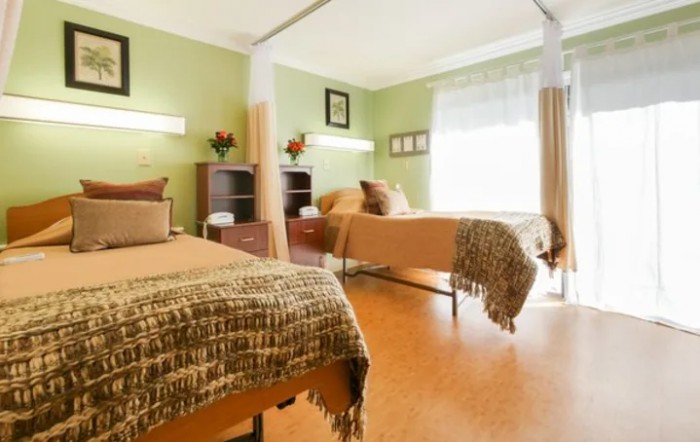
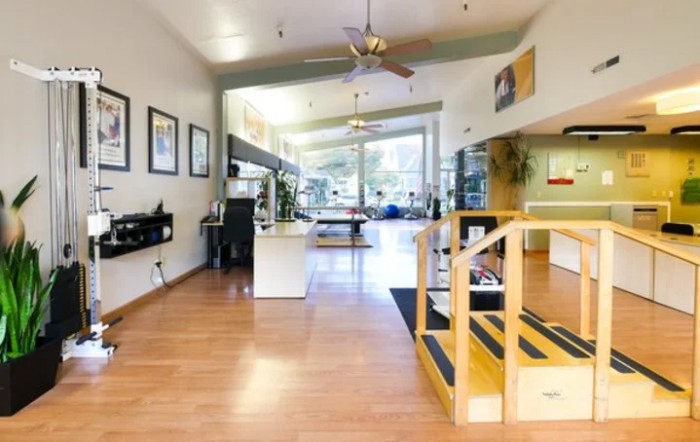
 66 resident community capacity
 Skilled Nursing Facility
 Air-conditioning
 Beauty salon
 Cable or satellite TV
 Computer center
 Continuing learning programs
 Dining room
 Family education and support services
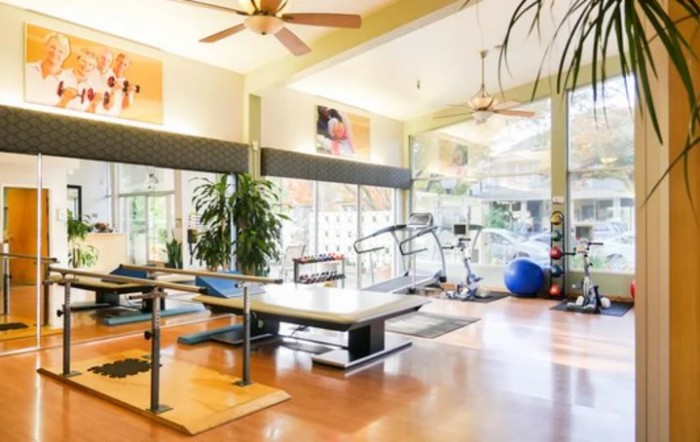
 Fitness room
 Fully furnished
 Gaming room
 Garden
 Housekeeping services
 Kitchenette
 Move-in coordination
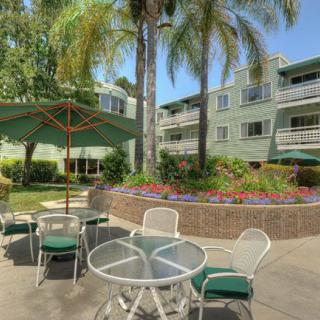
 Outdoor patio
 Outdoor space
 Private bathrooms
 Restaurant-style dining
 Small library
 Telephone
 Wellness center
 Wi-Fi/high-speed internet available
 San Jose International (14 miles away)
 Community operated transportation
 12-16 hour nursing
 24-hour call system
 Accept incoming residents on hospice
 Activities of daily living assistance
 Administer insulin injections
 Assistance with bathing
 Assistance with dressing
 Assistance with transfers
 Care with behavioral issues
 Diabetes diet
 Medication management
 Mental wellness program
 Mild cognitive impairment
 Physical therapy
 Same day assessments
 Special dietary restrictions
 Transportation arrangement (medical)
 Concierge services
 Planned day trips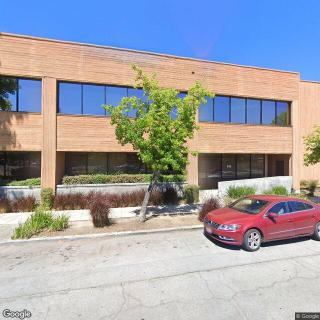
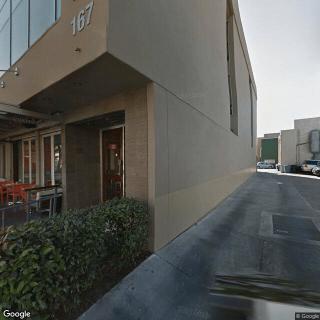
 Vibrant location with easy access to dining, parks, and healthcare.




 Skilled Nursing Facilities vs. Nursing Homes: Making Sense of the Differences
 A Detailed Examination of Nursing Home Costs Across the U.S.
 Exploring Nonmedical Home Care: Understanding Services, Costs, and Financial Approaches