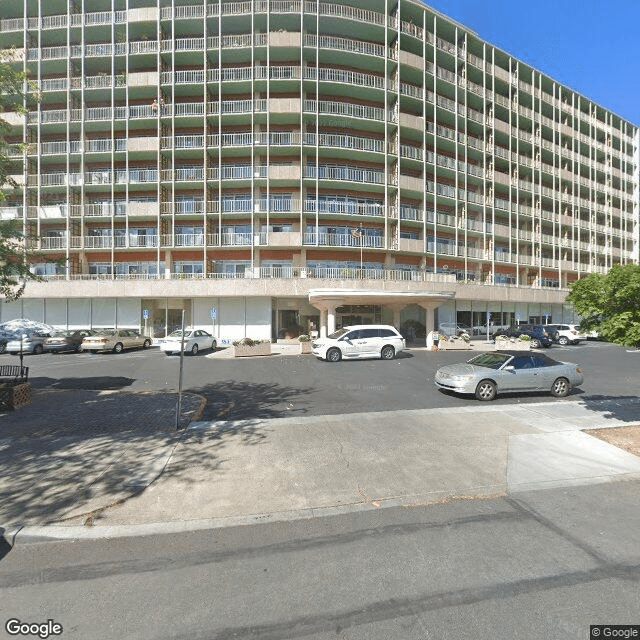
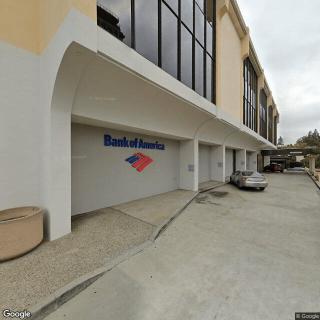
850 Webster Street, Palo Alto, CA 94301
For more information about senior living options: (866) 208-4318

Overall Review of Channing House
Pros
 Channing House is praised for its value and amenities, including a pool, exercise options, and trips.
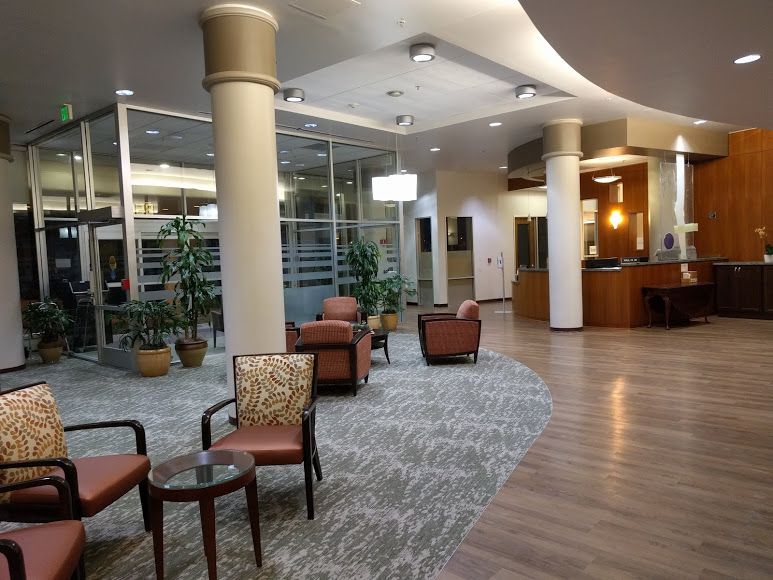
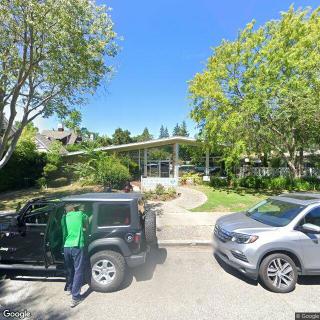
 - It is clean, downtown, and conveniently walkable to shopping, Stanford University, and other conveniences.
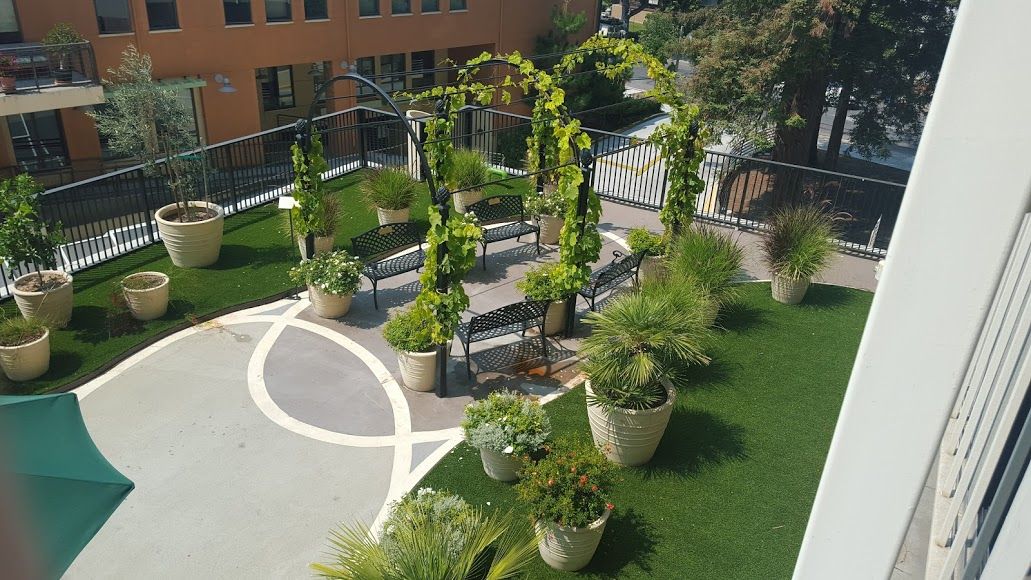
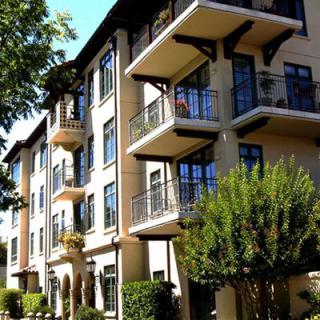
- The building is very large, with a top-floor walking track and spectacular views of the Santa Cruz mountains and Stanford University.
- The community offers wonderful activities and trips, plus a resident-run shop and resident parking.
- The staff are consistently caring and helpful, contributing to outstanding care.
- It is regarded as one of the best retirement communities in the area, with residents and families expressing love for it.
- The campus provides extensive programs—exercise, poetry, movies, lectures, music, and many clubs—that keep residents active.
- The environment offers intellectual stimulation, with many retired professors among the residents.
Cons
 It’s a little old place.
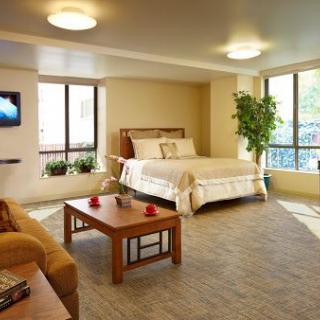
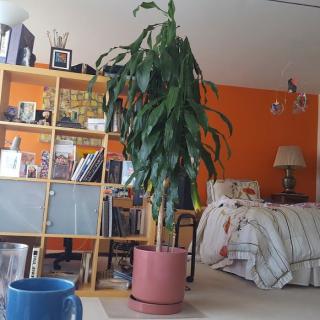
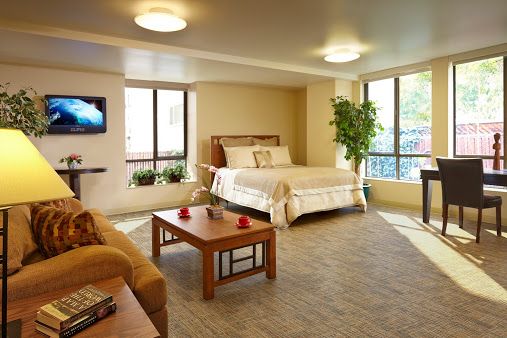
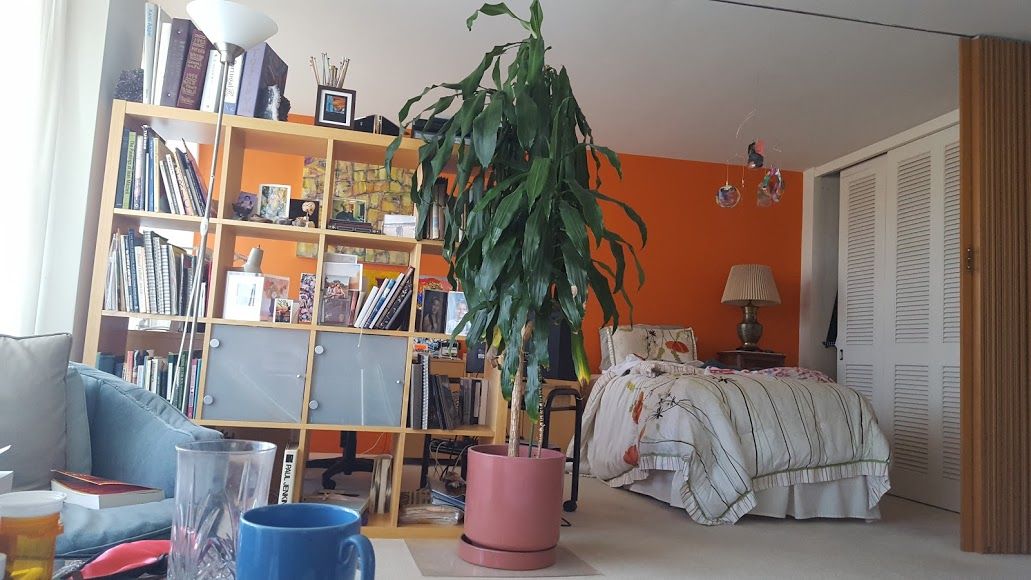
- The bedroom was just very small.
- They don’t have full kitchens.
- They also don’t have washing machines; residents must sign up for laundry and go down the hall, making it less convenient.
- There’s a thousand-dollar application fee with no refund.
- Nurses are rude and display bad behavior.
- The apartments are small.
- Aging-at-Home is a miserable option when compared to Channing House.
- When you die, your unit gets resold.
Review
Channing House in Palo Alto is best suited for seniors who want a culturally rich, highly active retirement community with strong on-site health support and the option to age in place, all within a walkable downtown setting near Stanford. The campus rewards ongoing engagement with a robust slate of activities, exercise programs, trips, lectures, poetry groups, and a lively social calendar, while offering access to on-site clinicians, a shuttle, and a dining program that supports daily structure. Move-in eligibility centers around age 65, with a practical aim to be settled by around 73, which concentrates residents who are ready to invest long-term in a community that emphasizes continuity, friendship, and familiarity over quick turnover. The location, views, and integrated services create a compelling mix for those who value intellectual stimulation as a core lifestyle pillar and want a safety net of care as needs evolve.
For families considering alternatives, the message is clear: this is not the right fit for everyone. Prospective residents who require more square footage, full in-unit kitchens, or in-unit laundry may feel cramped or constrained here. The residences are smaller, with some units lacking full kitchens and private laundry, shared kitchens exist, but the day-to-day convenience of cooking and doing laundry in the apartment is not part of the standard package. The upfront financial hurdle is also notable: a nonrefundable application fee of about a thousand dollars introduces a substantial entry barrier, and the model of unit resale after death means a different kind of investment calculus than some other communities. If independence hinges on larger living spaces, more self-contained amenities, or a lower upfront cost, alternatives should be explored.
The strongest pros are hard to overlook. The community is deep with activities and a strong sense of intellectual life, residents include many retired professors and professionals whose conversations can be as nourishing as the formal programming. The on-site care ecosystem, doctors and nurses available in the Health Center, prompt shuttle service for appointments and outings, and three meals a day, creates a reliable safety net that lets families visit without constant logistical worry. Aesthetic benefits matter too: the campus is expansive, with walking tracks atop the building and spectacular views of the Santa Cruz mountains and Stanford; residents enjoy varied floor plans, and even the on-site shop, run by a resident, adds a degree of practicality and camaraderie. The caregiving culture is described as attentive and comprehensive, with many families feeling reassured by the ability to age in place alongside loved ones.
Yet concerns do surface and deserve serious consideration. Several reviews flag smaller living spaces and partial kitchens as a meaningful trade-off for the deeply social environment and high level of care. A few notes about staffing dynamics point to variability in experiences, one reviewer cited rude behavior from nurses, while others praised the staff as warm, capable, and deeply professional. The sheer size of the campus can feel impersonal to some residents, and the need to schedule or sign up for services, laundry, kitchen use, or activity signups, adds friction to daily life. Finally, the financial architecture, nonrefundable upfront costs and the resale model, demands a deliberate financial plan and clear expectations about long-term commitment and return.
When weighing the pros against the cons, the value proposition hinges on personal priorities. For families prioritizing robust social engagement, intellectual stimulation, easy access to healthcare, and the reassurance of aging together in a dynamic community, the strengths substantially offset the physical constraints of smaller apartments and non-private laundry. The ability to transition to a nursing care area within the same campus if health needs escalate is a rare and meaningful feature that many agree provides enormous peace of mind. The investment pays dividends in daily life quality, predictable care, and proximity to cultural and medical resources, benefits that often justify the higher price tag for the right resident.
The bottom-line verdict: Channing House is a compelling choice for seniors who value a vibrant, educated, and closely managed community where aging in place is truly possible and well supported. It is less suitable for those seeking expansive, self-contained apartment living at a lower price, or for families prioritizing minimal upkeep and immediate private conveniences. Prospective residents should tour with a practical checklist, floor plans, kitchen and laundry arrangements, medical service availability, and the cost structure, while also speaking with current residents about daily routines and staff interactions. In this balance of social richness, health security, and cost, Channing House stands out as a premier option in the Palo Alto area for families willing to invest in a life of connection, learning, and安心 care.
 264 resident community capacity
 Continuing Care Retirement Community (CCRC)
 Independent Living
 Respite Care
 Activities on-site
 Air-conditioning
 Beauty salon
 Cable or satellite TV
 Computer center
 Devotional services off-site
 Fitness room
 Fully furnished
 Gaming room
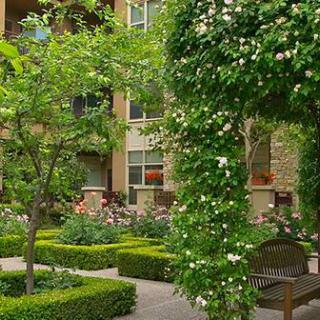
 Garden
 Guasts at mealtime
 Housekeeping services
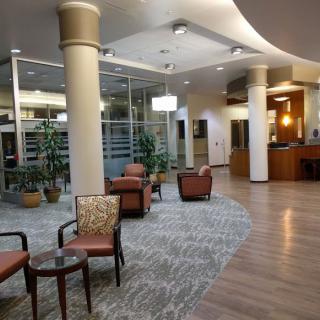
 Indoor common areas
 Kitchenette
 Move-in coordination
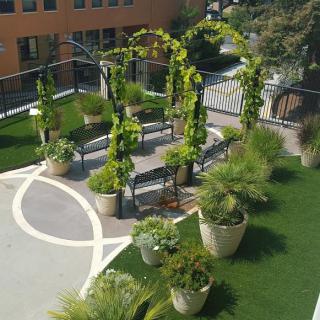
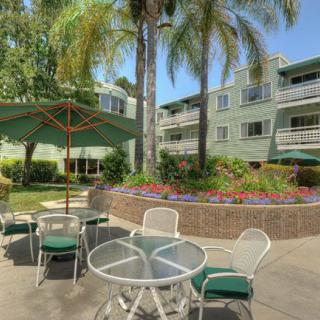
 Outdoor space
 Private bathrooms
 Resident parking
 Restaurant-style dining
 Security gate
 Small library
 Telephone
 Wellness center
 Wi-Fi/high-speed internet available
 San Jose International (14 miles away)
 Community operated transportation
 24-hour call system
 Ambulatory care
 Assistance with bathing
 Assistance with dressing
 Assistance with transfers
 Diabetes diet
 Diabetic care
 Medication management
 Special dietary restrictions
 Concierge services
 Planned day trips
 English

 Compassionate Conversations: How to Comfort Someone Who Is Grieving
 Home Health Care Aides: Understanding Their Role and Supporting Your Family
 Urinary Tract Infections in Older Adults: Comprehensive Insights on Symptoms, Treatment, and Prevention