For more information about senior living options: (866) 208-4318
4.2 from 37 reviews
5 stars
19
4 stars
10
3 stars
6
2 stars
1
1 stars
1
Overall Review of Lytton Gardens
caveat5 reviews mention this
Food quality gets mixed reactions
Food quality is a recurring concern, even when some meals are praised.
Some residents describe the food as average or bland, noting it is not especially flavorful or interesting. Others say the meals are excellent and include a variety of items. At least one reviewer calls the food awful or virtually inedible, which makes the overall picture inconsistent.
common23 reviews mention this
Staff responsiveness stands out
Residents frequently describe staff as caring, helpful, and responsive.
Across many reviews, families and residents say staff are kind, courteous, and quick to help when needed. Multiple reviewers also describe consistent care—such as help with medication—and note support from nurses and other team members. There are also a few complaints about management responsiveness and cost-cutting, but the majority of mentions describe supportive everyday interactions.
common10 reviews mention this
Activities can be limited or varied
Activities range from well-rounded programming to more limited options.
Several residents mention ongoing engagement like games, bingo, movies, trips, and organized luncheon meetings. Others say activity options are not as strong or are reduced, especially depending on conditions. Overall, the reviews suggest programming exists, but the amount and variety may vary from what families expect.
common7 reviews mention this
Clean facilities and grounds
Reviews repeatedly highlight cleanliness in the community.
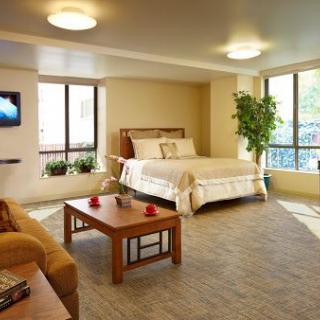
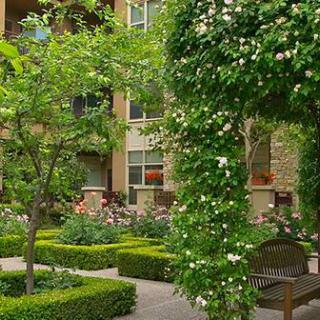
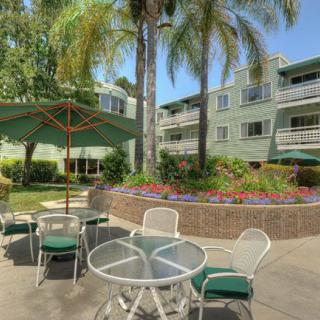
Many reviewers describe the facility as clean and well-kept, including resident rooms and common areas. Several mention the environment feeling immaculate or carefully maintained, and one notes clean therapy rooms as well. A few comments focus more on older or darker hallway feel, but cleanliness is still a frequent positive.
differentiator8 reviews mention this
Care support across care levels
The community provides care support that ranges from assisted living to skilled nursing.
Reviews describe support for daily needs and health routines, including help with medication and nursing support. Multiple mentions also point to doctor and nurse involvement alongside therapy and rehab-focused care, including on the rehab floor. Families considering the community also note it offers a broader spectrum of care options so residents can transition as needs change.
common4 reviews mention this
Convenient Palo Alto location
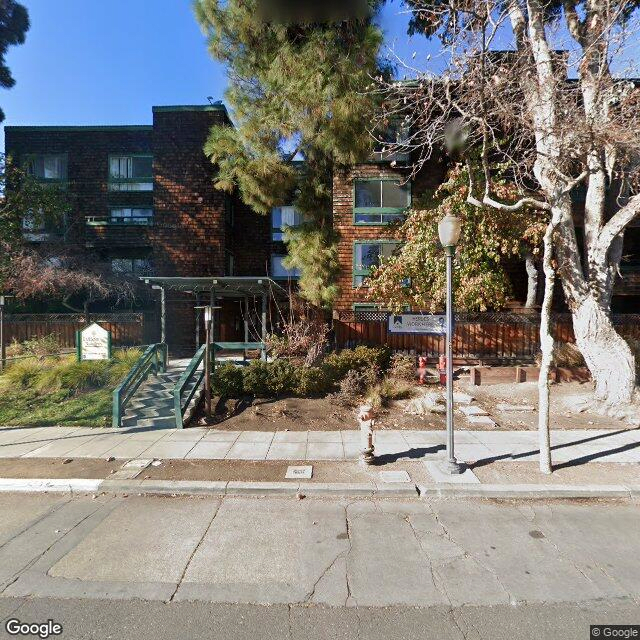
The location is described as convenient and walkable in Palo Alto.
Several reviewers highlight convenience in Palo Alto, including being near where families can get around by foot. One reviewer notes a downtown feel with plenty of nearby restaurants and shops, while another points out access is easy but parking can be an issue given proximity to the university. Another mentions being able to walk within the community and nearby areas, depending on mobility.
How we summarize
Counts show how many written reviews mention each theme; a review can touch several themes, and only frequently mentioned themes are displayed.
Features
Types of Care
Assisted Living
Skilled Nursing Facility
Amenities
Activities on-site
Devotional services off-site
Financial aid
Financing advice
Home sale assistance
Indoor common areas
VA Benefits Consultation
Transportation
San Jose International (14 miles away)
San Francisco International (17 miles away)
Metropolitan Oakland International (19 miles away)
Care Services
Ambulatory care
Diabetic care
Dining
Meals provided
Activities
Activities on-site
Devotional activities offsite
Languages Spoken
English
Nearby Places of Interest
This part of Palo Alto, California, offers a blend of convenient amenities and natural beauty, making it a desirable location for senior living. With several cafes nearby like Blue Bottle Coffee and HanaHaus, residents can enjoy a variety of dining options within walking distance. There are also pharmacies such as CVS and Walgreens in close proximity for easy access to medications and healthcare supplies. The area boasts reputable physicians and hospitals like Stanford Health Care and Lucile Packard Children's Hospital, ensuring quality medical care is readily available. Additionally, the abundance of parks like Baylands Nature Preserve and Shoreline Park provide opportunities for outdoor recreation and relaxation. Transportation options such as the Redwood City Caltrain Station make it easy for residents to explore the surrounding areas or visit nearby theaters like AMC DINE-IN Sunnyvale 12 & IMAX. Overall, this neighborhood offers a well-rounded living experience with convenience, healthcare resources, recreational activities, and transportation options at its doorstep.
Cafes
Blue Bottle Coffee (0.2 miles)
HanaHaus (0.2 miles)
Café Venetia (0.2 miles)
Verve Coffee Roasters (0.5 miles)
Starbucks (2.5 miles)
Boba Bliss (4.2 miles)
Coffeebar (4.5 miles)
Pharmacies
CVS Pharmacy (0.3 miles)
CVS Pharmacy (0.8 miles)
Walgreens (1.4 miles)
Walgreens (1.9 miles)
CVS Pharmacy (2 miles)
CVS Pharmacy (2.9 miles)
Walgreens (3.3 miles)
Restaurants
Shake Shack (0.7 miles)
True Food Kitchen (0.8 miles)
Telefèric Barcelona (0.8 miles)
Wildseed (0.8 miles)
Gott's Roadside (0.9 miles)
Bazille (1.2 miles)
In-N-Out Burger (4.1 miles)
Physicians
Encina Building, Palo Alto Medical Foundation (0.7 miles)
Anesthesiology: Palo Alto Center: Palo Alto Medical Foundation (0.8 miles)
Stanford Otolaryngology (1.4 miles)
Bay IVF Center (1.4 miles)
Menlo Park Psychiatry & Sleep Medicine, Alex Dimitriu, MD (1.6 miles)
Menlo Medical Clinic in Menlo Park - 1300 Crane (1.6 miles)
CCRM Fertility of San Francisco (2.5 miles)
Hospitals
Hoover Pavilion (0.8 miles)
Reproductive Medicine Associates of Northern California | RMANORCAL (1 miles)
VA Medical Center-Menlo Park (1.1 miles)
Lucile Packard Children's Hospital (1.4 miles)
Stanford Health Care (1.5 miles)
Stanford Hospital (1.5 miles)
Kaiser Permanente Redwood City Medical Center (4.5 miles)
Assisted living provides moderate support for seniors seeking independence, while memory care offers specialized support for individuals with dementia or cognitive impairments through structured routines and trained staff. Key differences include care approaches, environment security measures, staff training levels, activity types, and cost considerations.
Assisted living communities offer diverse activities beyond traditional games to enhance seniors' physical health, cognitive well-being, emotional enrichment, and social connections, including fitness classes, creative expression, and intergenerational interactions. These enriching programs foster community bonds and support residents' independence and happiness.
The article differentiates between assisted living and memory care, explaining that assisted living supports seniors with daily activities while promoting independence, whereas memory care provides specialized services for individuals with dementia, focusing on secure environments and cognitive support. It also addresses staff training, safety considerations, costs, family involvement, and transition strategies for families navigating these care options.
Get PricingAsk A QuestionSchedule A TourContact Senior Advisor
By clicking submit, you agree to our Partner's Terms of Use. You
also consent to receive calls and texts, which may be autodialed, from our Partner. Your consent is not a condition to
using our Partner's service. Please visit our Partner's Privacy Policy for information about their privacy practices.

 Assisted Living
 Skilled Nursing Facility
 Activities on-site
 Devotional services off-site
 Financial aid
 Indoor common areas
 San Jose International (14 miles away)
 Ambulatory care
 Diabetic care
 Meals provided
 English
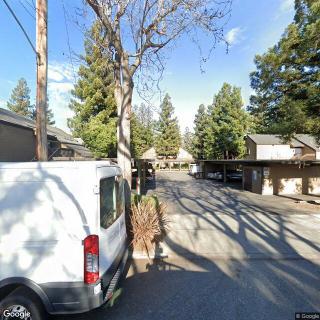
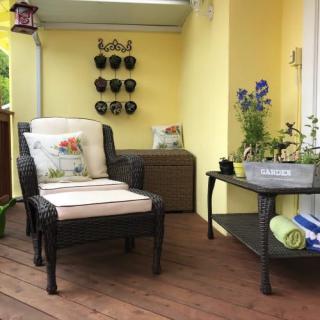
 Intimate, well-maintained community with restaurant-style dining, friendly staff, and a convenient downtown Palo Alto location.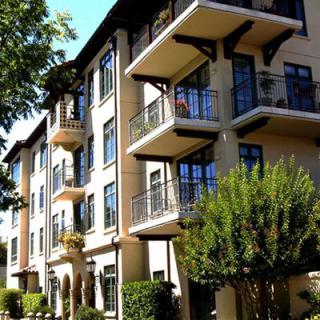

 Assisted Living and Memory Care: Understanding Their Core Differences
 Beyond the Bingo Hall: 50+ Enriching Activities for Seniors in Assisted Living
 Understanding the Distinctions: Assisted Living and Memory Care Explained