
2919 Fruitvale Avenue, Oakland, CA 94602
For more information about senior living options: (866) 208-4318
Windsor Healthcare Center Of Oakland Costs & Pricing
Windsor Healthcare Center of Oakland offers competitive pricing for its residential services compared to both Alameda County and the wider California market. Monthly costs for studio apartments at Windsor are significantly lower at $2,195, which stands in sharp contrast to the county average of $4,532 and the state average of $4,145. Similarly, one-bedroom units at Windsor are priced at $2,995, again well below the county's rate of $4,644 and California's average of $4,340. For those seeking larger accommodations, two-bedroom options at Windsor are available for $3,895 - this is notably less than both the county average of $5,099 and the state average of $5,270. Overall, Windsor Healthcare Center provides a more affordable alternative without compromising on quality or care for residents in the heart of Oakland.
| Floor plans | Windsor Healthcare Center Of Oakland | Alameda County | California |
|---|---|---|---|
| Studio | $2,195 | $4,532 | $4,145 |
| 1 Bedroom | $2,995 | $4,644 | $4,340 |
| 2 Bedrooms | $3,895 | $5,099 | $5,270 |
Skilled Nursing Facilities with a similar price nearby
-
from +$305 / mo

San Carlos Elms
$2,500 to $5,880 / month20.1 miles away -
from -$195 / mo

Bethesda Christian Retirement Center
$2,000 to $3,000 / month11.1 miles away -
from +$405 / mo
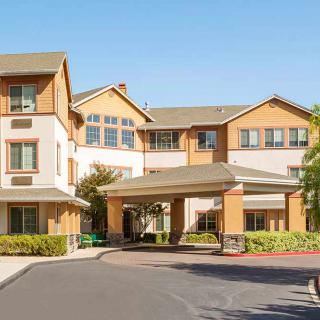
Atria Park Of Lafayette
$2,600 to $6,495 / month11.3 miles away -
from +$230 / mo
East Bay Post-Acute
$2,425 to $4,560 / month9.8 miles away -
from +$135 / mo

Medical Hill Healthcare Center
$2,330 to $3,595 / month3.0 miles away
Overall Review of Windsor Healthcare Center Of Oakland
Pros
 They feed him three times a day.
- They change the bed every day.
- They’re there to help him.
- They celebrate the holidays.
- They had a Halloween celebration.
- The meals come with water and juice.
Cons
 They have too many patients but not enough staff.
- Some of the staff are probably overwhelmed with work.
Review
Windsor Healthcare Center of Oakland is best suited for seniors who want a steady, no-fruss setting that prioritizes routine meals, daily housekeeping, and visible staff presence within a budget-conscious environment. This community fits residents who are comfortable sharing rooms and bathrooms and who can tolerate a higher patient census that may stretch staffing over busy shifts. The core appeal lies in reliable nourishment, three meals a day with water and juice, regular bed changes, and an atmosphere that marks holidays with celebrations. For someone seeking predictable daily structure and social occasions, Windsor offers a practical, workmanlike home base.
Those who should consider alternatives are residents who require consistently high levels of supervision, fast response times, or highly private accommodations. The single most cautioned takeaway is the staffing dynamic: too many patients for the available staff, with some workers doing well and others feeling overwhelmed by workload. This points to variability in attention, timely assistance, and consistent care across shifts. For families prioritizing private rooms, private bathrooms, or a higher staffing ratio for intensive daily support, exploring other facilities, especially those with dedicated memory care, rehabilitation, or higher-end assisted living options, will likely be prudent.
The positive facets do provide meaningful offset, but not enough to erase the drawbacks. The meals program, three daily servings and hydration, supports everyday nutrition and can reduce caregiver burden for families. Daily bed changes signal ongoing attention to cleanliness and comfort, while a nurse-call button offers a straightforward channel for assistance when needed. Social elements matter as well: holiday and seasonal celebrations contribute to a sense of community that can be energizing for residents who thrive on routine and social engagement. Taken together, these pros create a workable baseline for independent-leaning residents or those requiring light assisted care.
However, the downsides are real and consequential. The core issue centers on staffing capacity relative to patient load, which raises legitimate concerns about response times, mobility assistance, and medication oversight. The variability in staff performance means outcomes can be inconsistent, depending on who is on duty. Privacy takes a hit with two-bed rooms and shared bathrooms, a configuration that also complicates personal routines and infection control. For residents with dementia, frequent needs for transfer assistance, or a strong preference for private space and discreet care, these factors weigh heavily and may undermine overall satisfaction and safety.
From a decision-making perspective, the choice hinges on what matters most: dependable meals and daily structure versus private space, consistent staffing, and intimate supervision. If social engagement, routine nutrition, and straightforward, budget-conscious care are the priorities, Windsor can serve solidly. If the priority is a higher staff-to-resident ratio, private accommodations, and more robust clinical oversight on a daily basis, alternatives that emphasize higher levels of care will likely outperform this facility.
In the end, Windsor Healthcare Center of Oakland serves a pragmatic niche: it works for residents who can tolerate some staffing variability in exchange for predictable meals, daily maintenance, and social activities. It is less suitable for those needing unwavering, highly responsive supervision or for anyone prioritizing privacy and private amenities. Pros such as reliable meals, daily bed changes, and a community atmosphere help offset the drawbacks, but the staffing gaps and the shared-room layout remain significant factors. Prospective families should probe staffing patterns, typical response times, room configurations, and the availability of private spaces to verify alignment with the resident’s safety priorities, daily needs, and overall quality-of-life expectations.
 94 resident community capacity
 Skilled Nursing Facility
 Air-conditioning
 Beauty salon
 Cable or satellite TV
 Computer center
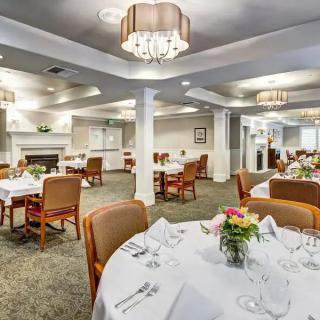
 Dining room
 Fitness room
 Fully furnished
 Gaming room
 Garden
 Housekeeping services
 Kitchenette
 Move-in coordination
 Outdoor space
 Private bathrooms
 Restaurant-style dining
 Small library
 Telephone
 Wellness center
 Wi-Fi/high-speed internet available
 Metropolitan Oakland International (5 miles away)
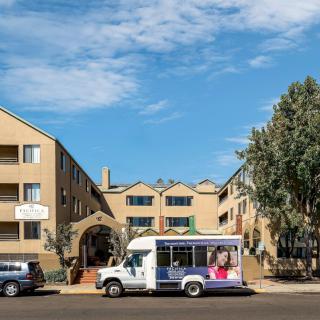
 Community operated transportation
 12-16 hour nursing
 24-hour call system
 Activities of daily living assistance
 Assistance with bathing
 Assistance with dressing
 Assistance with transfers
 Diabetes diet
 Medication management
 Mental wellness program
 Special dietary restrictions
 Concierge services
 Planned day trips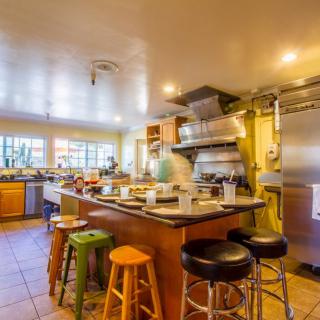




 Comprehensive Guide to Qualifying for Home Health Care Services
 Powerful Realities of Elder Abuse and the Most Effective Ways to Report It
 Ten Vital Duties of a Senior Caregiver: A Comprehensive Guide