Elder Ashram in Oakland, CA
Save3121 Fruitvale Ave, Oakland, CA 94602
For more information about senior living options: (844) 490-3973
Elder Ashram's pricing structure reflects a premium for its services compared to both Alameda County and broader California averages. For semi-private rooms, residents can expect to pay $4,000 monthly, which is notably higher than the county's average of $3,273 and the state's average of $3,333. This suggests a commitment to high-quality care or enhanced amenities at Elder Ashram. In terms of studio accommodations, the cost rises significantly to $7,500 per month - substantially above both local and state benchmarks of $4,532 and $4,145 respectively. Such pricing indicates not only a differentiation in service offerings but also an appeal to those seeking a more refined living experience within an assisted living community.
| Floor plans | Elder Ashram | Alameda County | California |
|---|---|---|---|
| Semi-Private | $4,000 | $3,273 | $3,333 |
| Studio | $7,500 | $4,532 | $4,145 |
What level of care are you interested in?

Assisted Living

Memory Care

Independent Living

Skilled Nursing Facility

Continuing Care Retirement Community (CCRC)CCRC

Other
Elder Ashram in Oakland is best suited for families seeking a vibrant, community-forward living environment where seniors can move across levels - independent living, assisted living, and memory care - without being boxed into isolated wings. This is a campus-like setting that prioritizes social engagement, creative programming, and intergenerational interaction. It is ideal for residents who want daily opportunities to learn, create, and contribute, and for families who value a warm, art-filled atmosphere as part of daily life. The combination of a bright, garden-forward campus with an engaged staff team makes it a compelling choice for those who view elder care as a collaborative, living experience rather than a pure medical service.
Those considering the Elder Ashram should also weigh alternatives if a more traditional, medical-centric model is nonnegotiable, if strict accountability for belongings is a priority, or if cost is a primary constraint. A few families have encountered gaps in administrative follow-through, notably when personal belongings went missing and a clear line of responsibility was not promptly established. For households that demand a high level of clinical oversight, predictable procedures, and tighter control over items and day-to-day logistics, a facility with a more standardized, less fluid approach may be preferable. Budget sensitivity also factors into the decision; if price pressures loom, comparing what is included in the monthly rate and what constitutes "extras" becomes essential.
The strongest assets at Elder Ashram lie in its deliberate social architecture and the quality of daily life it supports. The programs intentionally knit residents across independent, assisted, and memory care into a shared community, rather than siloing groups apart. That free-flow design - where memory-care residents can move about the interior and garden with appropriate assistance - fosters moment-to-moment connection, mutual support, and a sense of belonging that many facilities struggle to sustain. A steady stream of engagement comes through the operations of a dedicated engagement program led by a skilled director, with daily offerings in crafts, art, music, movement, and curated presentations. The presence of twelve interns each semester introduces fresh energy and educational rigor that brightens the atmosphere and elevates the standard of care. The care staff themselves are consistently described as conscientious, kind, and respectful, and the overall environment benefits from artful d?cor, abundant greenery, and thoughtful, resident-created artwork that decorates the walls.
Yet no community is without fault, and a notable blemish here concerns the handling of personal belongings. An unfortunate incident where a relative's wedding ring and other items vanished - combined with a lack of timely communication about the search and accountability - points to a trust vulnerability that families must guard against. It is not the defining feature of Elder Ashram, but it is a real risk that can erode confidence if not addressed with transparency and swift remediation. Prospective residents should probe policies for valuables, incident response timelines, and the processes for documenting and recovering missing items before moving in. That scrutiny will help families determine how the culture of care translates into concrete accountability when problems arise.
Taken together, the positives substantially offset the drawbacks for families who prize connection, growth, and humane treatment in elder care. The campus feels more like a welcoming, cultivated home than a clinical facility, with residences described as cozy and well-maintained and common areas that encourage sociability rather than solitude. Residents can expect meaningful daily activity, opportunities to contribute to the community, and a climate of warmth and respect from staff and leadership. For many, Elder Ashram offers a rare blend: a serene setting that also challenges residents to stay physically and mentally engaged, with intergenerational energy that keeps life rich and relevant. The main caveat remains to verify that the organization's safeguards for belongings and crisis communication meet the family's standards, and to confirm pricing aligns with the expectations of the level of programming and care provided.
For families weighing a choice, a disciplined approach will yield the best outcome. Start with a thorough tour focused not just on rooms and common areas, but on how the intergenerational flow operates in practice, and how memory-care and independent residents navigate shared spaces. Ask for concrete examples of engagement calendars, the role of the director of residential engagement, and how interns are integrated into daily routines. Request a clear policy on valuables, including documentation, storage, and accountability procedures, and seek recent references specifically about incident handling. Finally, compare pricing in writing - what is included, what requires add-ons, and how increases are justified by programming and staffing. When these elements align, Elder Ashram stands out as a compelling choice for families seeking a heartfelt, active, community-centered elder living option.
Elder Ashram in Oakland, CA is a vibrant and inclusive assisted living community that specializes in providing exceptional memory care. Our compassionate staff is dedicated to supporting individuals with memory impairments and ensuring they receive the highest level of personalized care.
Residents at Elder Ashram benefit from a wide range of amenities designed to promote comfort, engagement, and well-being. Our on-site activities provide opportunities for socialization and mental stimulation, while our beautician ensures residents always look their best. Devotional services are available both on-site and off-site for those seeking spiritual connection.
Our community features ground floor units for easy accessibility, as well as indoor and outdoor common areas where residents can relax or engage in group activities. Wheelchair accessible showers are provided for convenience, while Wi-Fi/high-speed internet keeps residents connected with loved ones.
In terms of care services, Elder Ashram excels in providing incontinence care and medication management. Our trained staff works closely with each resident to ensure their needs are met with sensitivity and professionalism.
Dining at Elder Ashram is a delight for the senses. With options like guest meals, kosher meals, low/no sodium meals, sugar-free options, vegan choices, vegetarian dishes, and restaurant-style dining prepared by our professional chef, residents can look forward to delicious and nutritious meals every day.
We believe that staying active and engaged is important for overall well-being. At Elder Ashram, we offer a variety of stimulating activities such as cooking classes, day trips and outings, devotional activities both on-site and off-site, educational speakers/lifelong learning sessions, happy hours, karaoke nights, live dance or theater performances, live musical performances, stretching classes, and yoga/chair yoga sessions.
For added convenience and accessibility to essential services outside the community's premises: - There are 3 cafes located nearby. - 15 parks provide ample opportunities for outdoor recreation. - 19 pharmacies ensure easy access to medications. - 2 physicians offer close medical attention. - 12 restaurants give residents a variety of dining options. - 6 transportation options are available for easy travel. - There is a place of worship nearby for spiritual needs. - Theaters and hospitals in the vicinity cater to cultural and medical requirements.
At Elder Ashram, we strive to create a warm and supportive environment where residents can thrive. Our community fosters a sense of belonging, ensuring that each individual feels valued and cherished.
Located in Oakland, California, this neighborhood offers a variety of amenities for seniors looking for a vibrant and convenient place to live. With easy access to public transportation such as bus stops and BART stations, getting around the city is convenient. Nearby pharmacies provide easy access to medical supplies and prescriptions, while multiple parks offer opportunities for outdoor recreation and relaxation. Close proximity to hospitals and physicians ensures quality healthcare services are easily accessible. A diverse array of restaurants and cafes cater to various culinary preferences, providing plenty of dining options. Additionally, nearby theaters offer entertainment options for those looking to enjoy a night out. Places of worship in the area accommodate various religious communities, fostering a sense of community and spiritual well-being. Overall, this neighborhood in Oakland provides a comfortable and accommodating environment for seniors seeking a well-rounded living experience.
Elder Ashram's pricing structure reflects a premium for its services compared to both Alameda County and broader California averages. For semi-private rooms, residents can expect to pay $4,000 monthly, which is notably higher than the county's average of $3,273 and the state's average of $3,333. This suggests a commitment to high-quality care or enhanced amenities at Elder Ashram. In terms of studio accommodations, the cost rises significantly to $7,500 per month - substantially above both local and state benchmarks of $4,532 and $4,145 respectively. Such pricing indicates not only a differentiation in service offerings but also an appeal to those seeking a more refined living experience within an assisted living community.
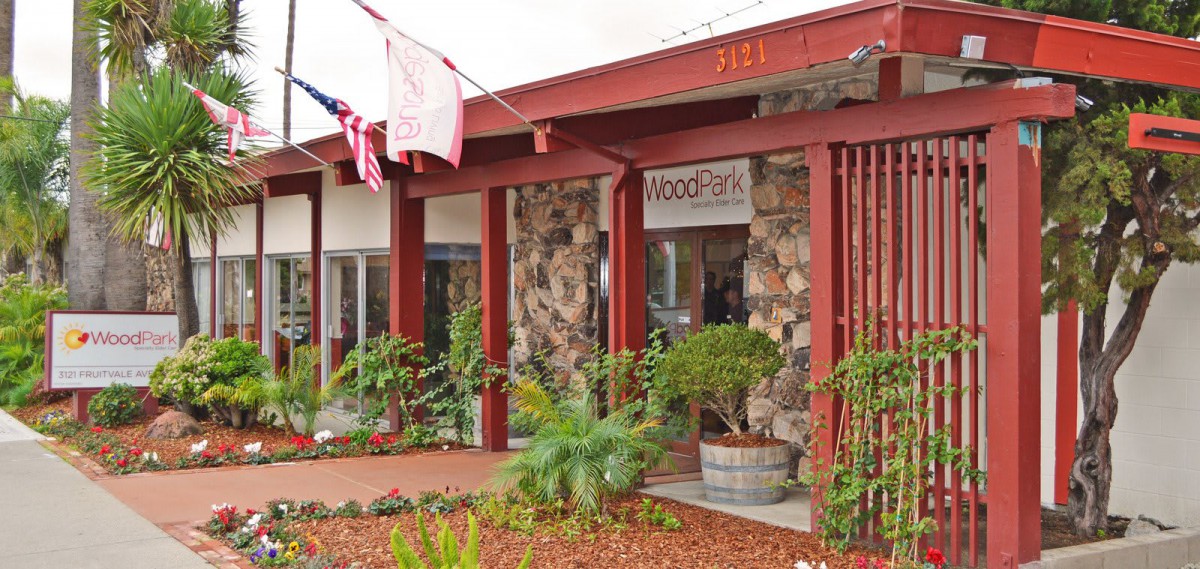
Elder Ashram is located at 3121 Fruitvale Ave, Oakland, CA 94602 in Alameda County, California
Elder Ashram's medication management system ensures that residents receive their prescribed medications accurately and on time, which is crucial for maintaining cognitive function and overall health in individuals with dementia or Alzheimer's disease. This structured approach alleviates concerns about missed doses or incorrect medication administration, allowing staff to monitor any side effects or changes in behavior effectively. Incontinence care further enhances residents' dignity and comfort, addressing a common issue associated with advanced stages of these conditions. By providing compassionate assistance and maintaining hygiene, this feature reduces anxiety for both residents and their families, thereby fostering a supportive environment that promotes emotional well-being as cognitive abilities decline.
Yes, Elder Ashram allows both dogs and cats.
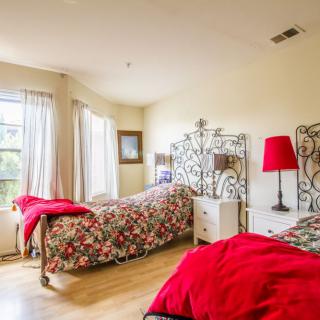
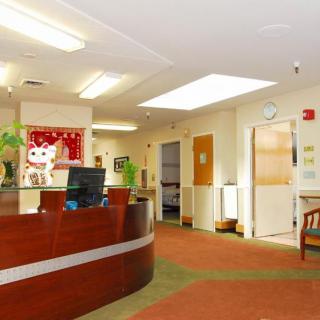
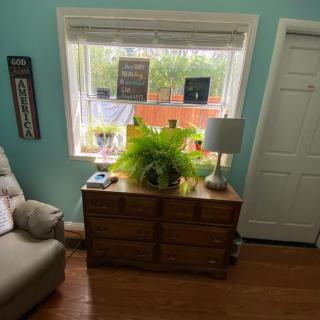
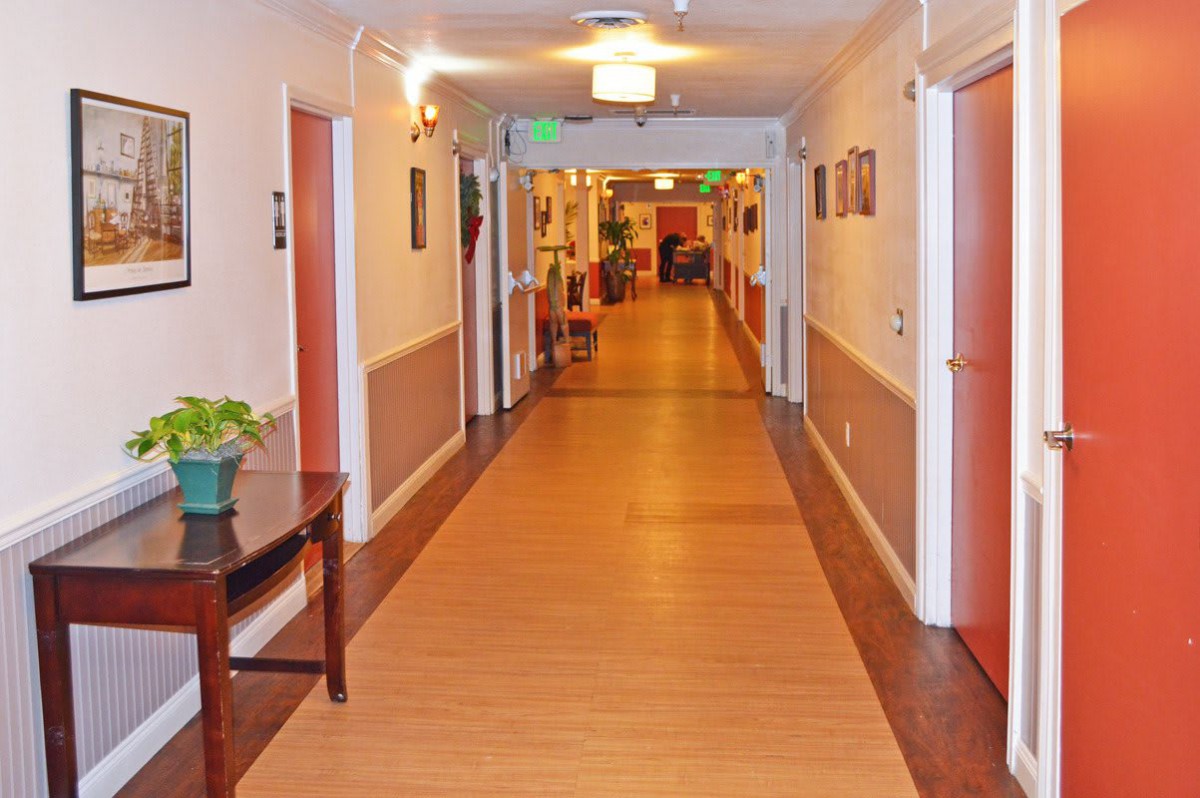
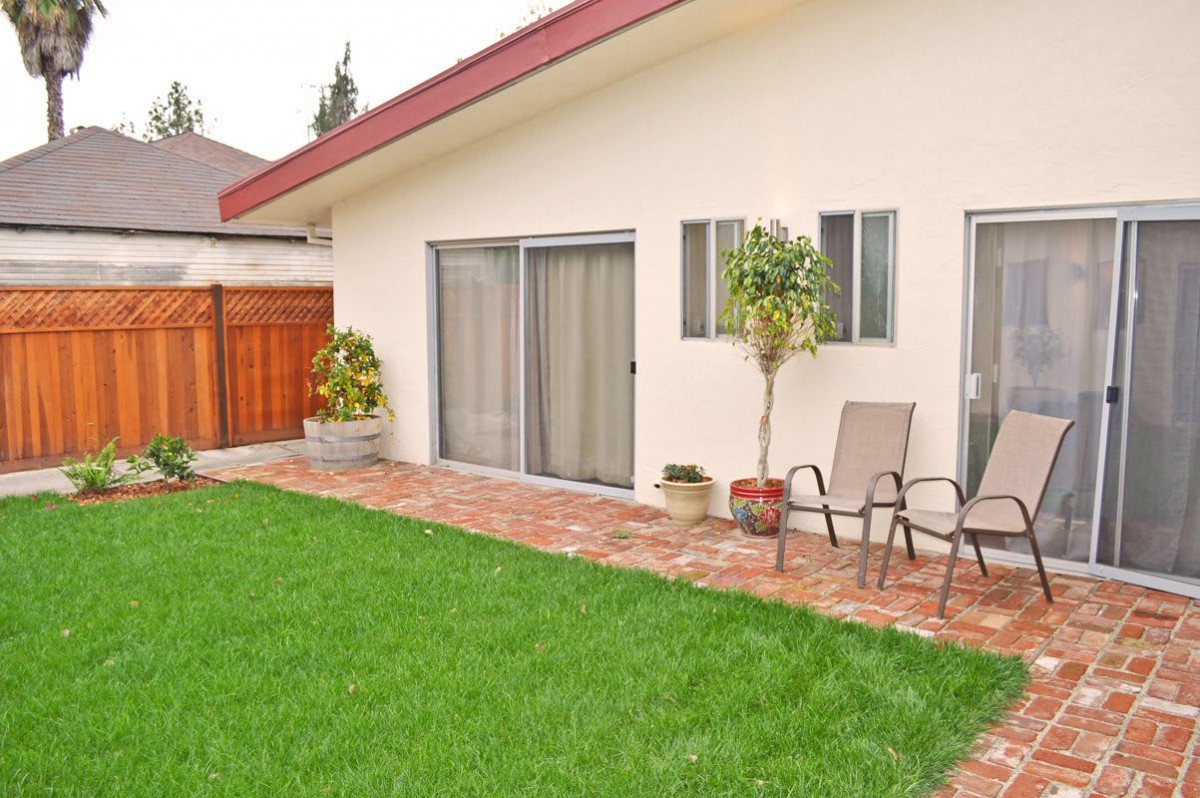
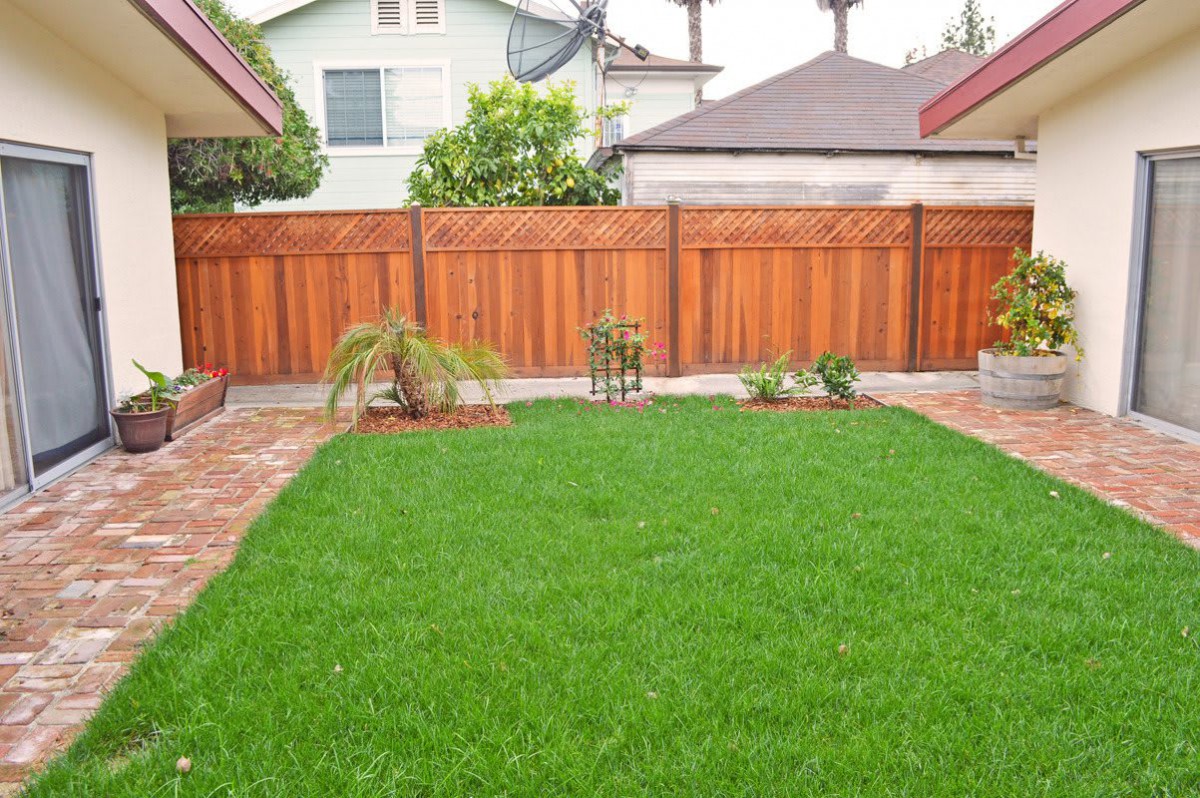
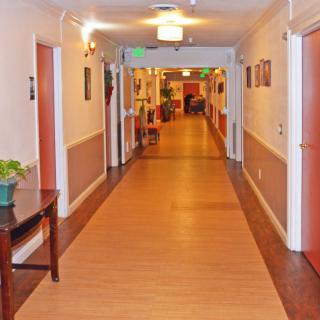
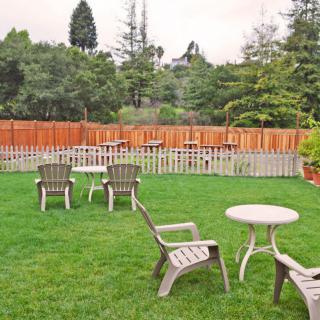
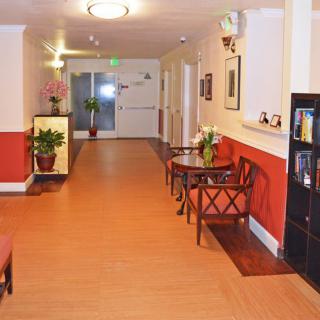
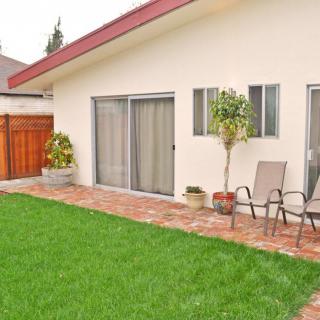
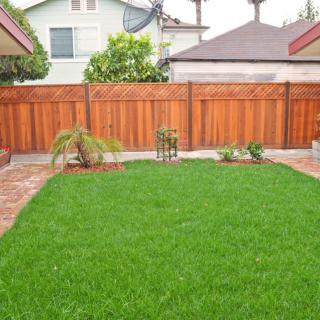
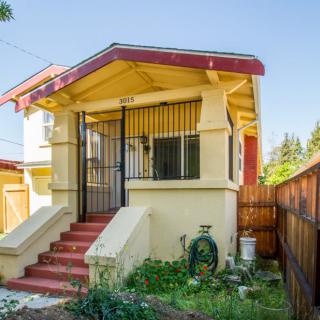
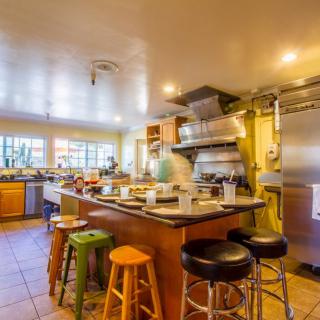
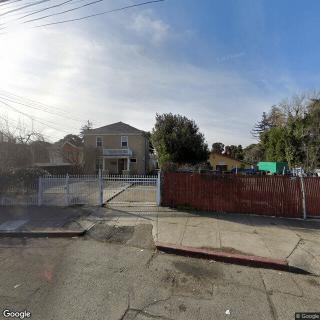
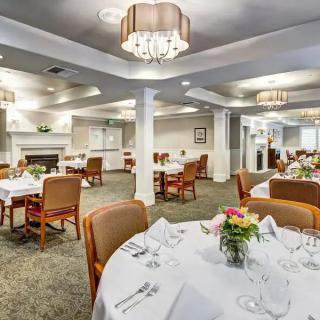
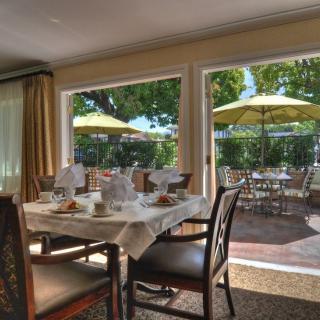
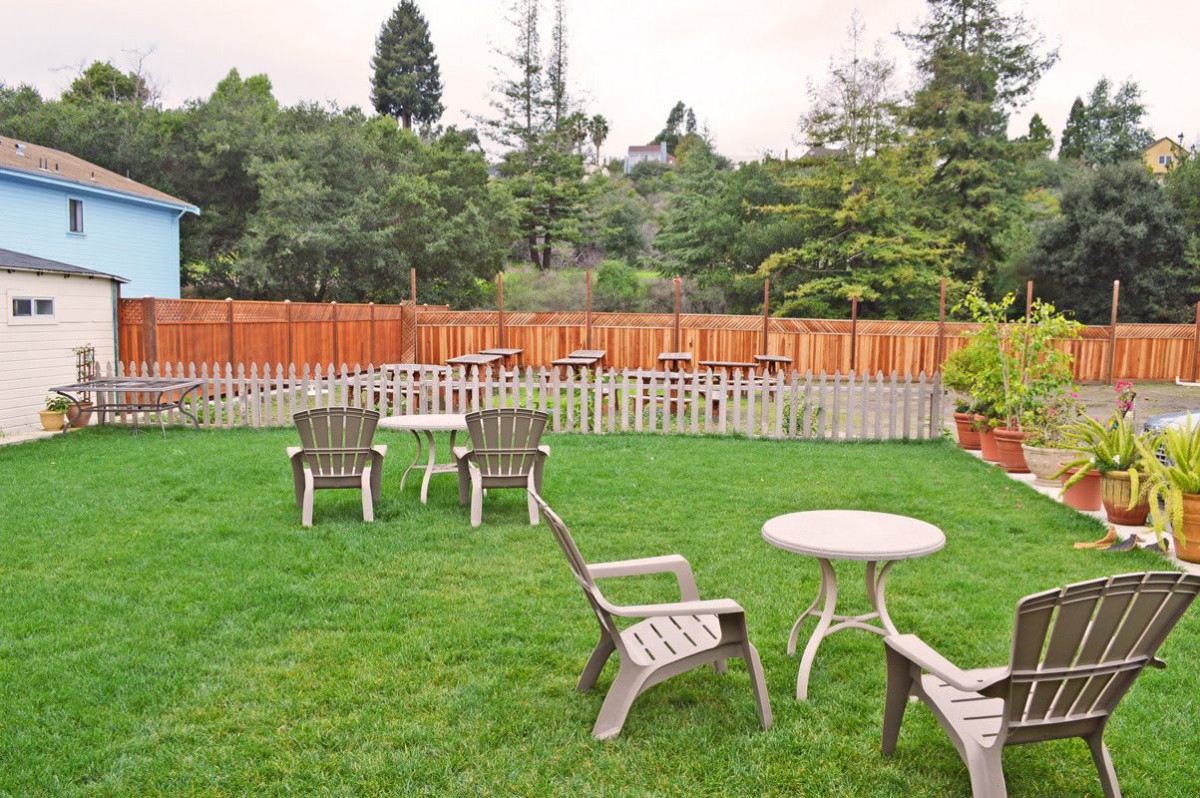
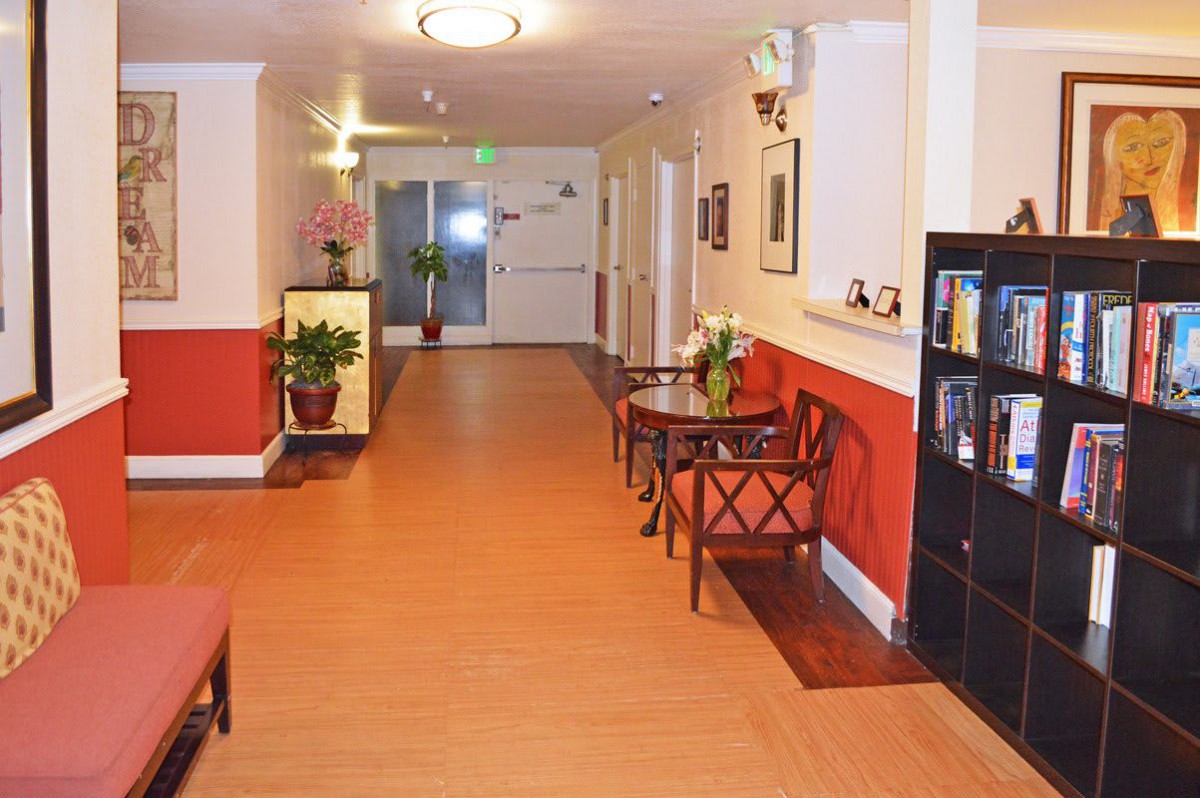
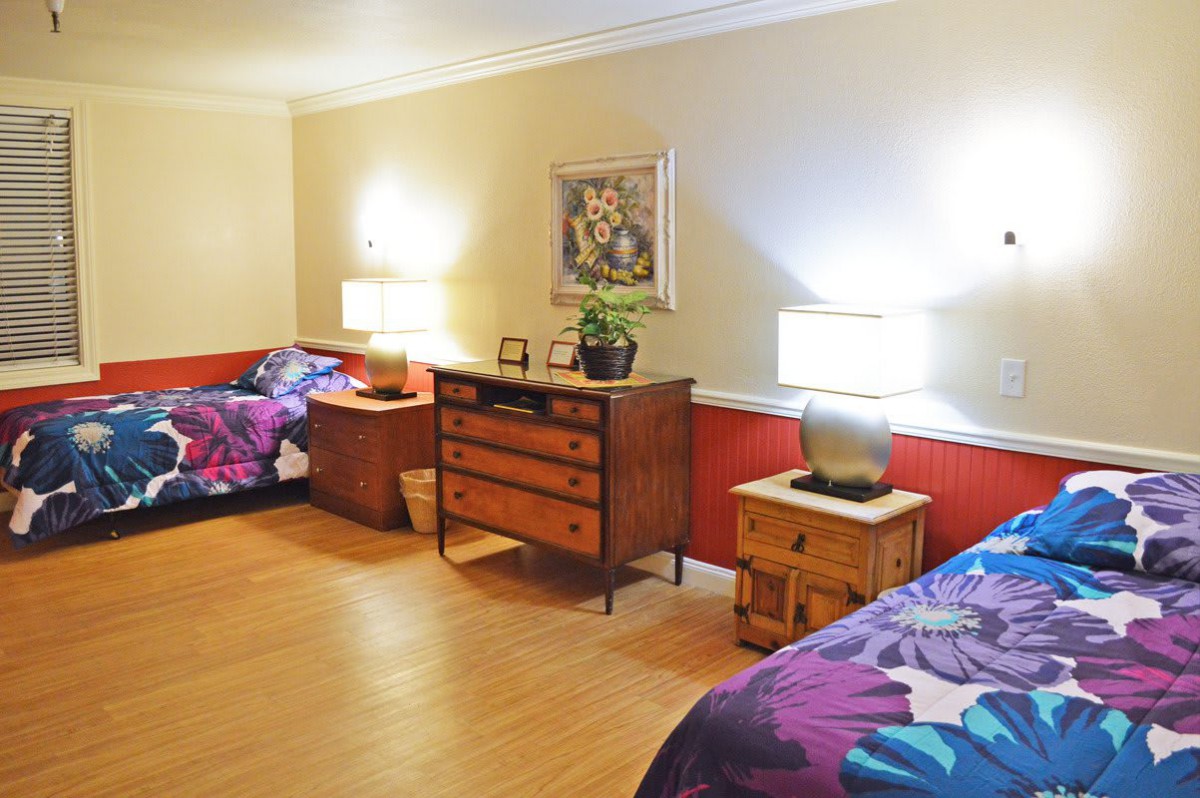
Elder Ashram on seniors.fyi includes 10 photos including images showing landscaping, fence, bedroom, hallway, interior, decor, garden, trees, and more.
22 Remarkable Caregiver Support Groups Available Online and In-Person

Caregiver support groups are crucial for providing emotional and practical assistance to those caring for loved ones, offering resources, coping strategies, and a sense of community through various organizations and platforms. These groups help alleviate isolation and burnout while addressing the unique challenges faced by caregivers of individuals with specific conditions.
Understanding Medicaid Coverage for Assisted Living: A Comprehensive Guide

The guide outlines the complexities of Medicaid coverage for assisted living, highlighting significant state-to-state variations, limited coverage often restricted to personal care services, and the existence of specialized waivers for certain needs like memory care. It advises families to consult local Medicaid offices for options while emphasizing the importance of understanding state-specific regulations and facility policies.
How and When Medicaid May Cover Assisted Living Costs
Medicaid coverage for assisted living varies by state and is primarily available to low-income individuals, with eligibility dependent on strict income and asset limits. Some states offer HCBS waivers for specific services in assisted living, but families must generally cover room and board costs, and should verify facility acceptance of Medicaid while considering potential waiting lists.