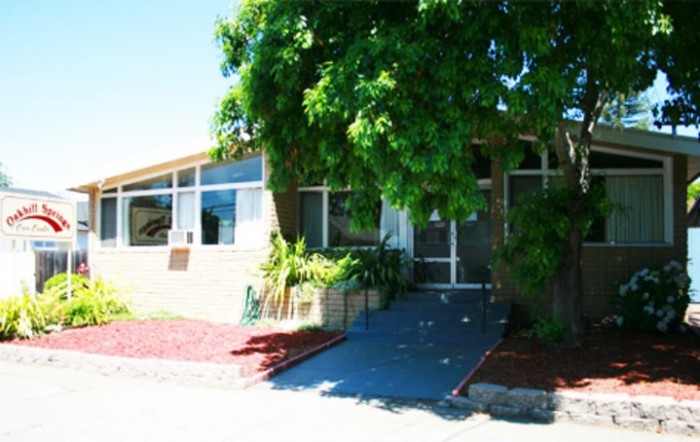






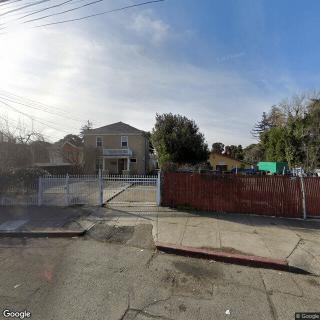
3145 High Street, Oakland, CA 94619
For more information about senior living options: (866) 208-4318
Overall Review of Redwood Healthcare Center
Pros
 The rehab therapists are the best in the Bay Area.
- The facility excels at caring for the elderly.
- The caregivers are great.
- The CNAs and staff provide adequate care, and the physical therapists are great.
- The staff were clean and many were friendly.
- The staff seem nice.
Cons
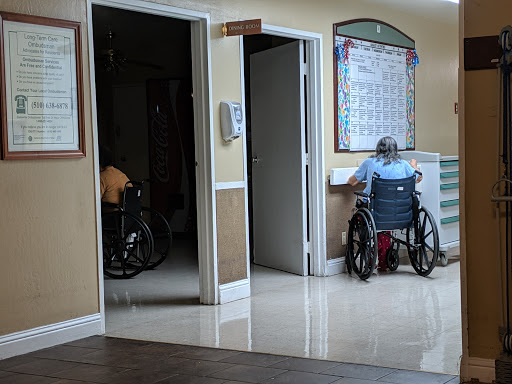
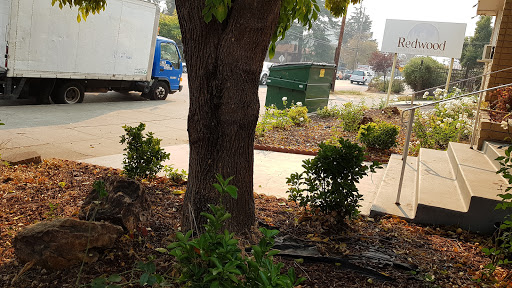
 The facility’s premises were dirty and poorly maintained, with old medical equipment discarded outdoors and visible from the street.
- Staff were unprofessional and dismissive, with nurses snapping at patients and using profanity toward them.
- There was a strong impression that medication and early bedtimes were used for staff convenience rather than patient care.
- The environment reeked of urine and roaches were present; food service was inconsistent and poorly managed.
- Informed consent and respectful treatment were not consistently upheld, leaving families feeling uninformed and forced to advocate for loved ones.
- Discharge planning was unsafe and misrepresented, including unlicensed home placements and high costs for care.
- Medication orders were mishandled or not filled promptly, causing delays in necessary treatments.
- Social workers and leadership were often unresponsive, leading to gaps in communication and care.
- The facility allowed smoking near the main nurse station and even sold cigarettes to patients, compromising safety.
- There were safety concerns, such as a violent homeless man on site who left trash and needles and harassed patients.
- Several reviewers advised not to send loved ones there and suggested the facility should be shut down.
Review
This community is best suited for families seeking aggressive rehabilitation for a loved one and who are prepared to be highly involved in oversight. The standout draw is the rehabilitation therapy team, regarded by many as among the strongest in the Bay Area. When a primary goal is to access solid physical therapy and the chance for meaningful progress through daily PT/OT, Redwood Healthcare Center can deliver that core service. For families who can commit to frequent check-ins, review of orders, and active participation in care planning, the therapy side can be a meaningful asset.
However, there are clear red flags that most families will want to weigh carefully. Those who require a consistently clean, well-run environment with reliable administrative systems should consider alternatives. The volume and intensity of negative feedback regarding leadership, communication, and discharge planning cannot be dismissed. Multiple reviews describe unprofessional conduct, miscommunications about medications and orders, and discharge processes that leave loved ones without proper follow-up care or home supports. For any family expecting coordinated, respectful, and transparent management, the questions raised here should prompt a thorough second look elsewhere.
On the plus side, the rehab therapists themselves are repeatedly praised as dedicated, skilled, and capable of delivering high-quality therapeutic work when engaged. In several accounts, CNAs and some frontline staff are described as caring and patient-focused, and the actual rehab work, when it occurs as scheduled, meets or exceeds expectations for those needing intensive therapy. In practice, that means the most compelling reason to consider Redwood lies in the potential for real rehabilitation progress with committed therapists, provided the administration does not undermine the patient’s safety, dignity, or continuity of care.
The most troubling concerns cluster around governance and day-to-day operations. The most severe themes include inconsistent or unprofessional communication from leadership, misleading marketing about the facility’s condition or capabilities, and unreliable discharge planning that can drop patients into unprepared situations. Medication management appears inconsistent, with instances of orders not being properly filled or explained, and some reviewers describe chaotic handoffs and delays that interrupt critical therapy schedules. These issues are not minor irritants; they translate into real risks for safety, treatment adherence, and trust in the care team.
Environmental conditions and patient safety compounds the risk. Reviews recount dirty conditions, pest concerns, and areas where cleanliness and maintenance fall short of what a healing environment should provide. Instances of equipment left outdoors, odors, and non-ADA accessible features raise immediate concerns for safety and dignity, particularly for residents with mobility or cognitive needs. The facility’s physical and operational environment can undermine recovery if not addressed. Language barriers and staffing pressures further complicate communication, potentially delaying critical instructions or misaligning expectations between families, patients, and caregivers. When patients wander, or when staff gaps leave lights, calls, or assistance unanswered for long periods, the risk calculus shifts decisively toward seeking safer alternatives.
In practical terms, the decision to engage Redwood should hinge on three levers: the certainty of high-caliber rehab work, the strength of oversight, and the facility’s ability to address environmental and administrative deficiencies promptly. Prospective families should insist on direct access to the head of therapy and the administrator to understand how discharge planning is executed, how medication orders are reconciled, and how patient rights are protected. Demand a current, itemized care plan, clear timelines for PT/OT, and a transparent mechanism for reporting concerns. Request to see recent inspection citations and the facility’s corrective action plans, and verify that social work support is consistently available. Above all, verify that the environment is clean, safe, and accessible, with a maintenance plan that prevents the repeated appearance of roaches, odors, or clutter.
For families where rehabilitation goals are paramount and where a diligent, forceful advocate can accompany the resident through daily care, Redwood may still be a viable option. But for seniors requiring reliable daily nursing care, predictable scheduling, a consistently clean environment, and respectful, proactive management, alternatives are strongly recommended. Consider facilities with demonstrable strength in operations, stronger discharge planning, and fewer consistent reports of staff overextension and miscommunication. Home health services or nearby facilities with stronger governance structures can often deliver comparable therapy while reducing exposure to the most significant governance and environmental risks described here. The choice should be anchored in a careful, in-person evaluation that confirms both therapy quality and the ability to deliver safe, dignified, well-coordinated day-to-day care.
 44 resident community capacity
 Skilled Nursing Facility
 Beauty salon
 Cable or satellite TV
 Dining room
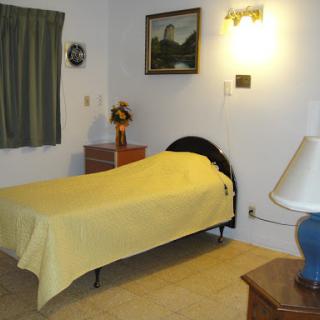
 Fully furnished
 Garden
 Housekeeping services
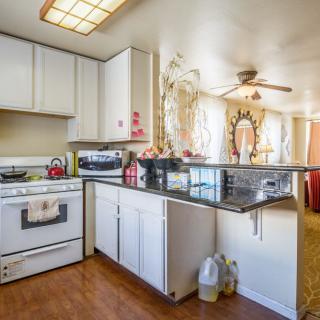
 Kitchenette
 Move-in coordination
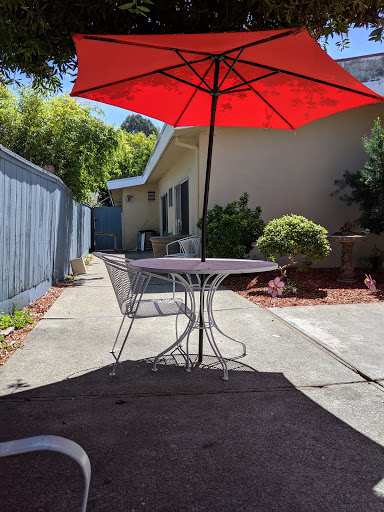
 Outdoor space
 Restaurant-style dining
 Small library
 Telephone
 Wi-Fi/high-speed internet available
 Metropolitan Oakland International (5 miles away)
 24-hour call system
 Activities of daily living assistance
 Assistance with bathing
 Assistance with dressing
 Assistance with transfers
 Diabetes diet
 Medication management
 Mental wellness program
 Special dietary restrictions





 Managing Nursing Home Expenses After Medicare Coverage Ends
 Is a Geriatric Care Manager the Right Choice for Your Family?
 Compassionate Conversations: How to Comfort Someone Who Is Grieving