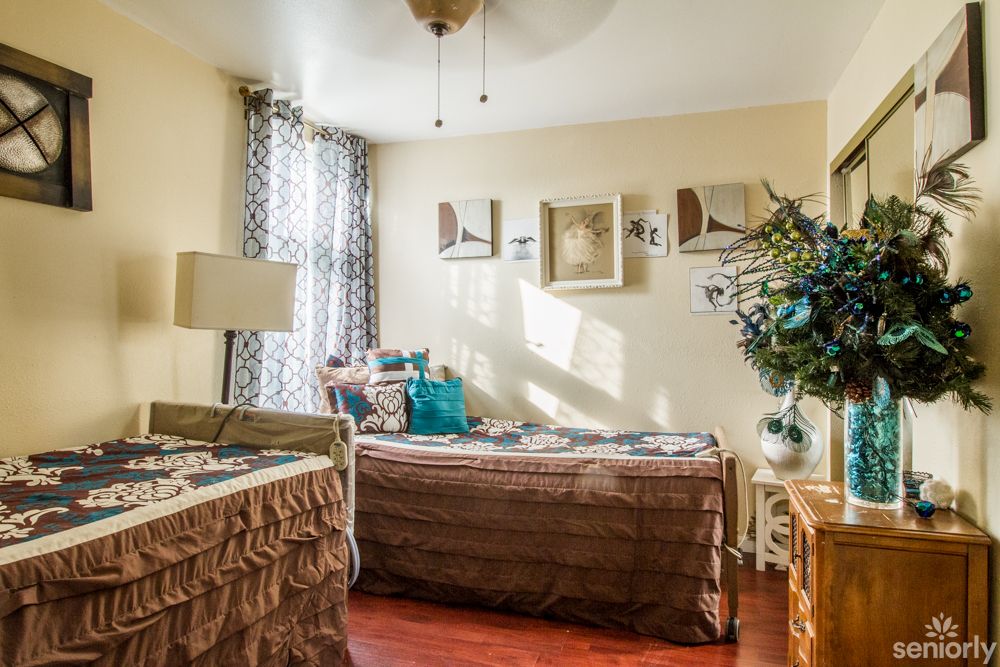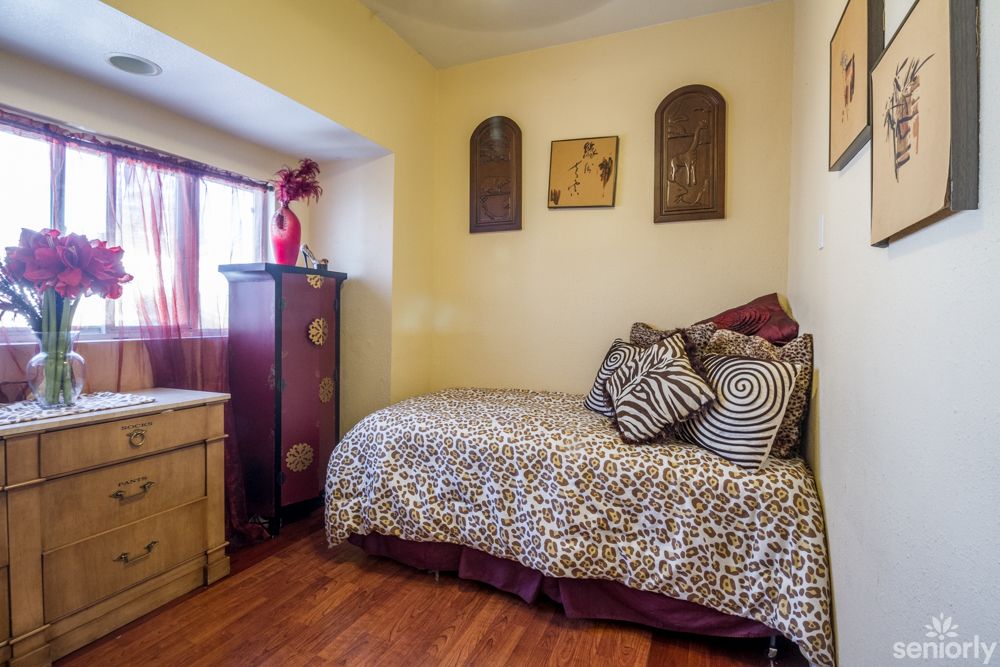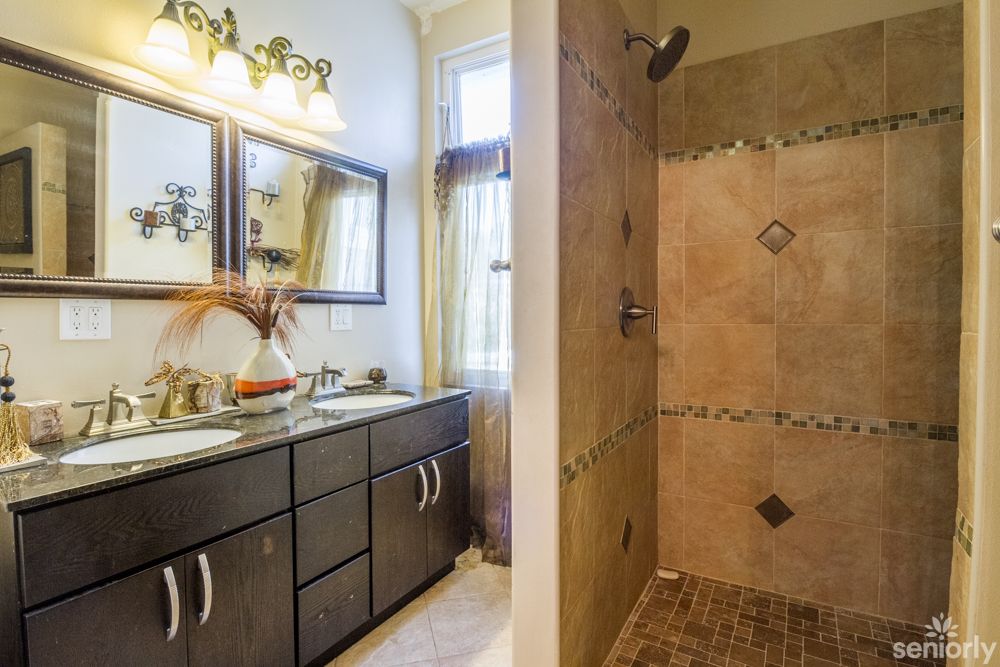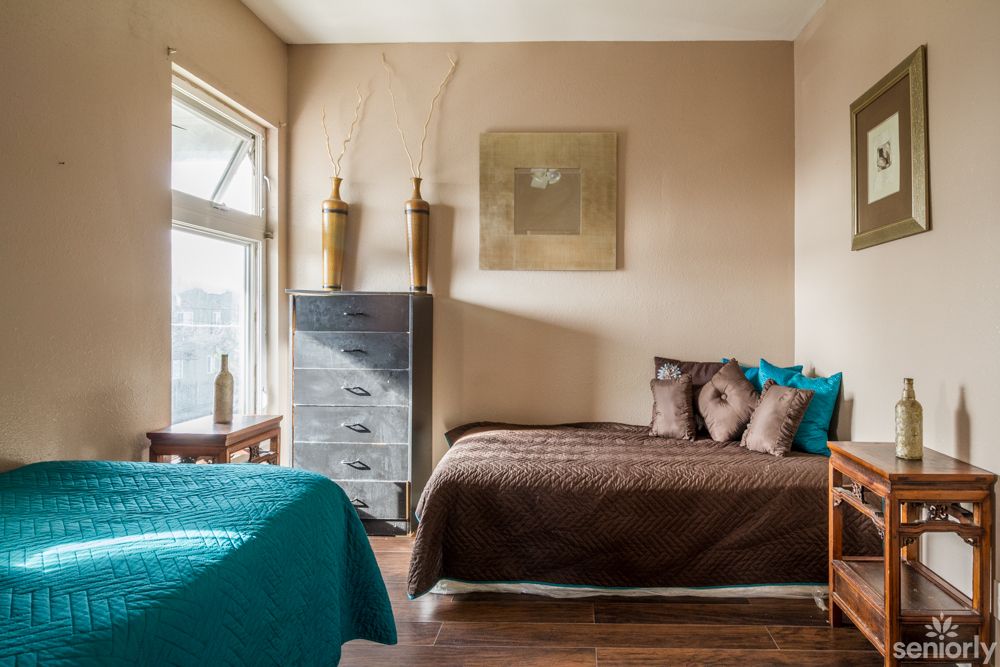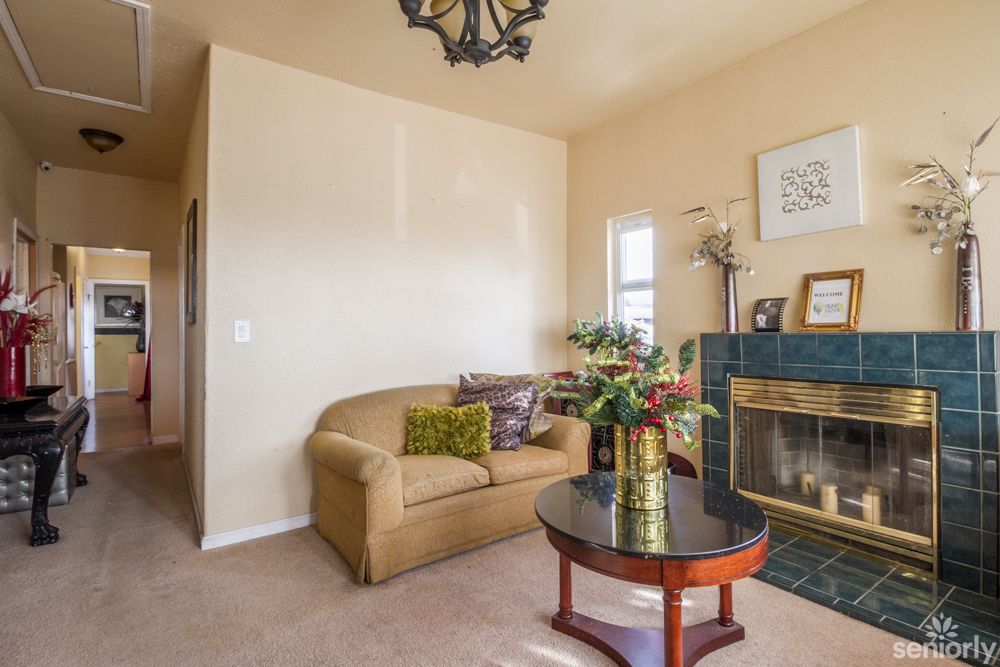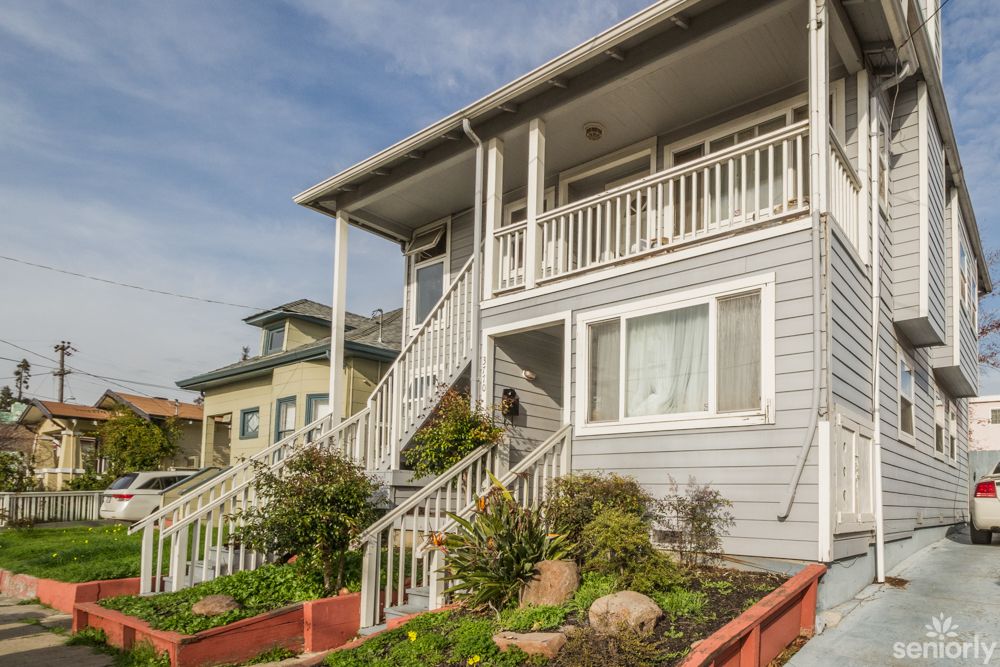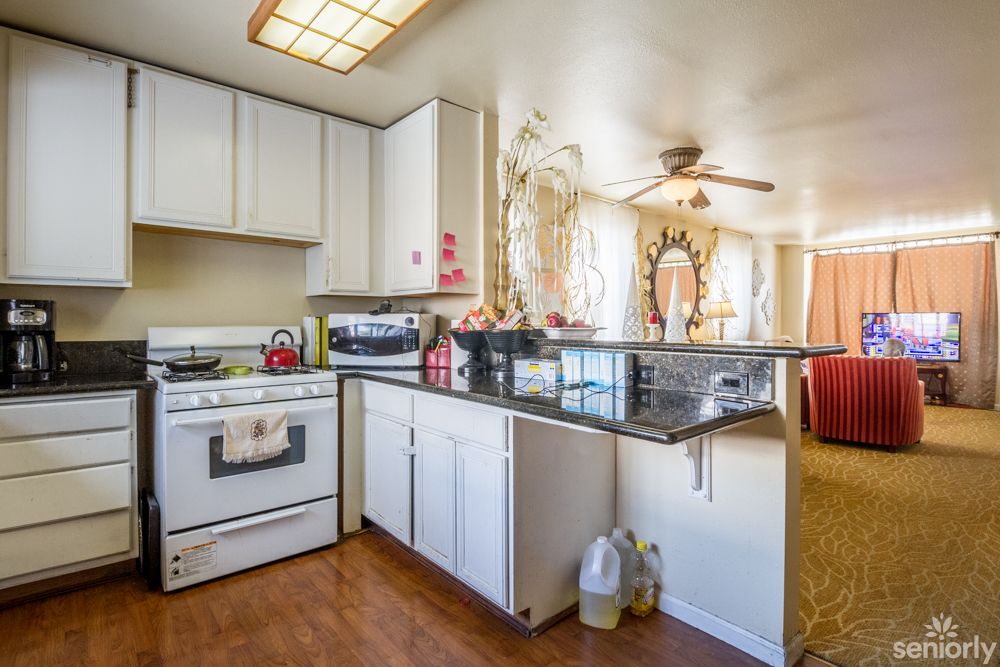
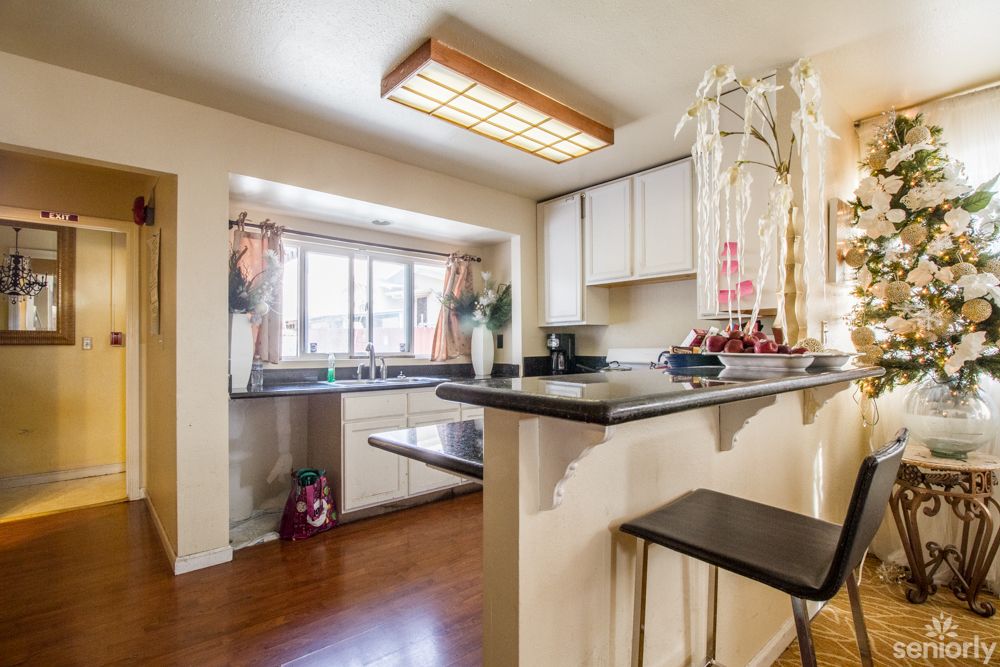
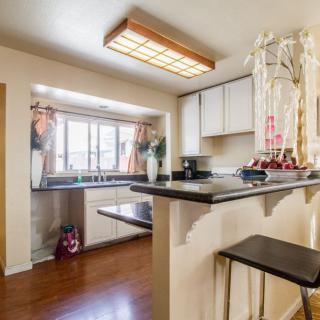
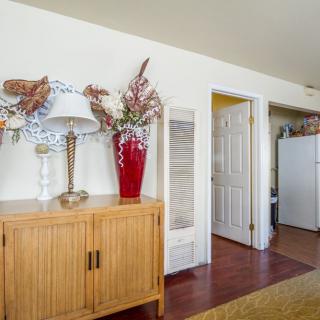



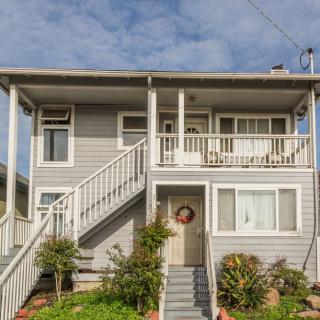

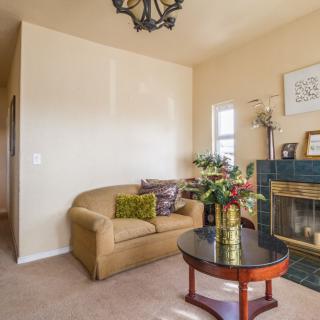




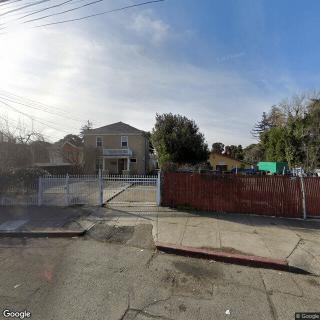
3770 Suter Street, Oakland, CA 94619
For more information about senior living options: (866) 208-4318
Heart and Soul Communities Costs & Pricing
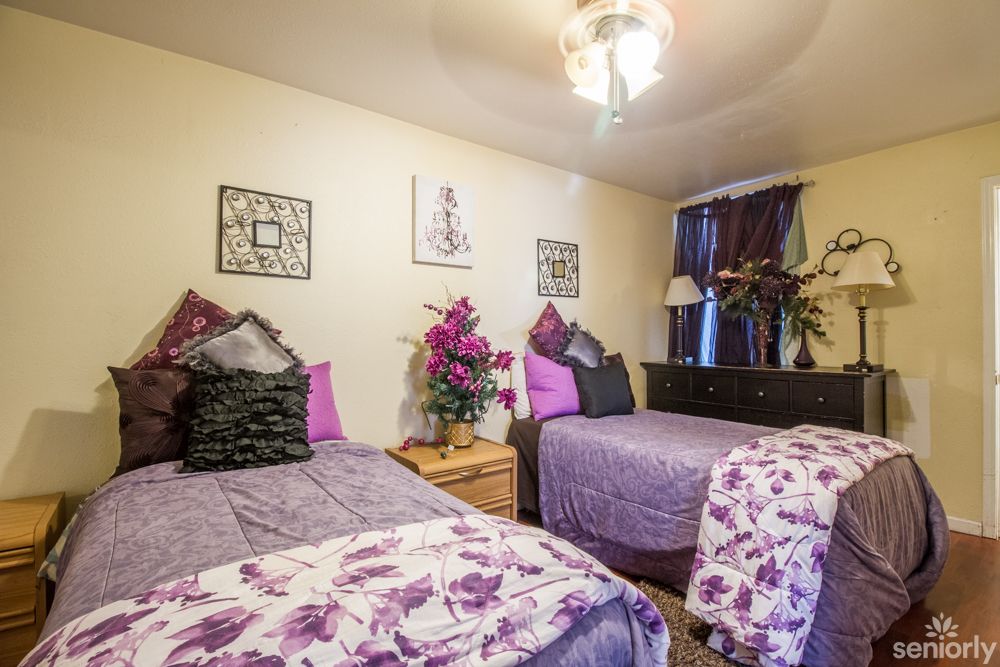
Heart and Soul Communities offers competitive pricing for their accommodations, with semi-private rooms available at $2,200 per month and private rooms at $3,200. These rates are significantly lower than the averages for both Alameda County and California as a whole, where semi-private rooms typically cost around $3,273 and $3,333 respectively. Similarly, private room rates in these areas average $3,748 and can reach up to $3,939 statewide. This positioning not only highlights the affordability of Heart and Soul Communities but also suggests a commitment to providing quality care without compromising on financial accessibility for residents.
| Floor plans | Heart and Soul Communities | Alameda County | California |
|---|---|---|---|
| Semi-Private | $2,200 | $3,273 | $3,333 |
| Private | $3,200 | $3,748 | $3,939 |
Memory care communities with a similar price nearby
-
from +$300 / mo

San Carlos Elms
$2,500 to $5,880 / month20.0 miles away -
from -$425 / mo
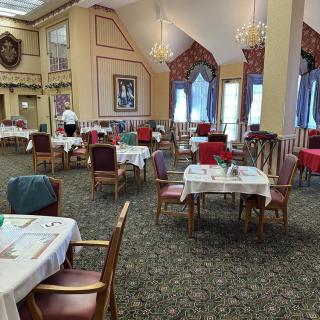
El Cerrito Royale
$1,775 to $3,775 / month10.8 miles away -
from +$300 / mo
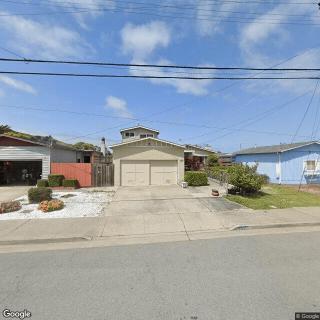
Oceanside Board and Care II
$2,500 to $3,000 / month19.4 miles away -
from -$200 / mo
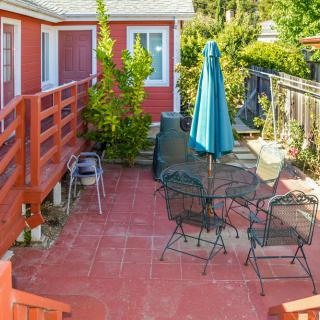
Heritage Hills
$2,000 to $3,800 / month16.9 miles away -
from +$300 / mo
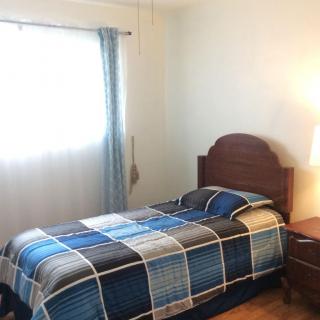
Isherwood Care III
$2,500 to $3,500 / month19.7 miles away
Overall Review of Heart and Soul Communities
Pros
 Heart & Soul Communities are doing a great job.
- The staff at Heart & Soul Communities are wonderful.
- The staff are friendly, open, and communicative.
- Heart & Soul Communities are accommodating when it comes to care that works best for loved ones.
- Heart & Soul Communities are willing to do whatever it takes to ensure the best care for loved ones.
Review
Heart and Soul Communities in Oakland is best suited for families seeking a warmly responsive caregiving environment where staff engagement and flexible care plans drive daily life. The standout feature is the staff’s quality and approach: friendly, open, and communicative, with a demonstrated willingness to tailor care to the specific needs of a loved one. For families that value transparency and a team that can adapt on the fly to evolving care requirements, this community offers a reassuring foundation. The impression of strong interpersonal connections between staff and residents positions it as a solid match for seniors who thrive on personal attention and proactive problem-solving by the caregiving team.
Those who may want to consider alternatives include families pursuing highly specialized medical oversight or advanced memory-care environments, where a more regimented clinical structure or dementia-focused programming is essential. If a resident’s needs require intensive medical management, skilled nursing supervision, or consistently standardized routines across shifts, a facility with broader clinical resources and multiple memory-care options could be a better fit. Additionally, households with stringent budget constraints or strict cost expectations should compare pricing and value carefully, as the single positive review does not illuminate the full spectrum of financial considerations.
The primary strengths, exceptional staff warmth, friendliness, openness, and a track record of accommodating individual care preferences, translate into real benefits for resident safety and well-being. When caregivers are willing to do “whatever it takes,” families gain confidence that changes in routine, medication needs, or activity interests will be addressed promptly and with a clear line of communication. This level of responsiveness often mitigates the anxiety that accompanies transitions into assisted living, since families receive timely updates and collaborative problem-solving rather than opaque decision-making. In this sense, the pros directly offset common worries about impersonal care or slow response times.
However, the evaluation is constrained by the limited data available. A single five-star review cannot establish consistency across days, shifts, or a broad resident population. Prospective families should seek corroboration through a detailed tour and dialogue with leadership about staffing patterns, caregiver-to-resident ratios, the availability of on-site medical oversight, and the process for adjusting care plans as needs change. Request concrete examples of recent care adjustments, documentation practices, and who oversees quality-of-care decisions to gauge whether the positive impressions are durable.
Potential downsides to watch for include the possibility of variability in day-to-day experiences if staff turnover is a factor or if demand fluctuates beyond the current staffing model. While the present review highlights outstanding staff engagement, families should confirm there is a stable team in place, with structured oversight and clear escalation paths for concerns. In addition, verify the breadth of programming and the availability of services that match your loved one’s hobbies, mobility, and cognitive needs, so the warmth of the staff translates into a well-rounded daily life rather than a uniformly gentle but limited routine.
In closing, Heart and Soul Communities presents a compelling option for families prioritizing a warm, communicative, and highly adaptable caregiving team in Oakland. It is a strong choice for residents who benefit from individualized attention and quick responsiveness to care needs. Yet for those requiring deep clinical supervision, specialized memory-care programming, or tighter cost controls, it is prudent to explore alternatives in parallel. To move decisively, schedule a thorough in-person assessment, insist on a sample care plan, and request references from current families who can speak to the consistency of care over time. This approach turns the favorable first impression into a dependable, well-supported decision.
 6 resident community capacity
 Assisted Living
 Board and Care Home
 Memory Care
 Cable or satellite TV
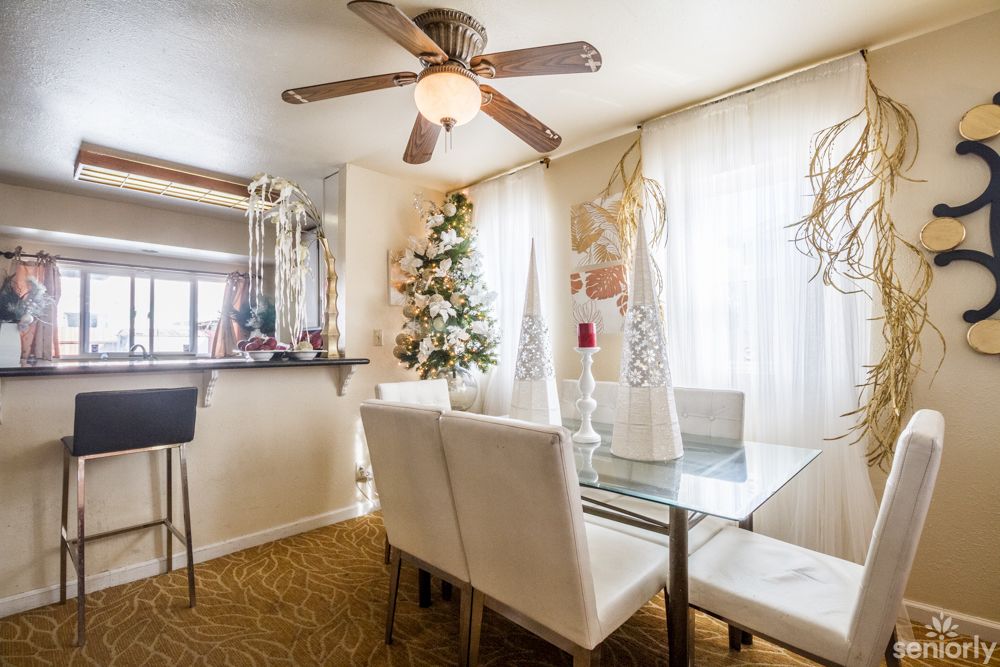
 Dining room
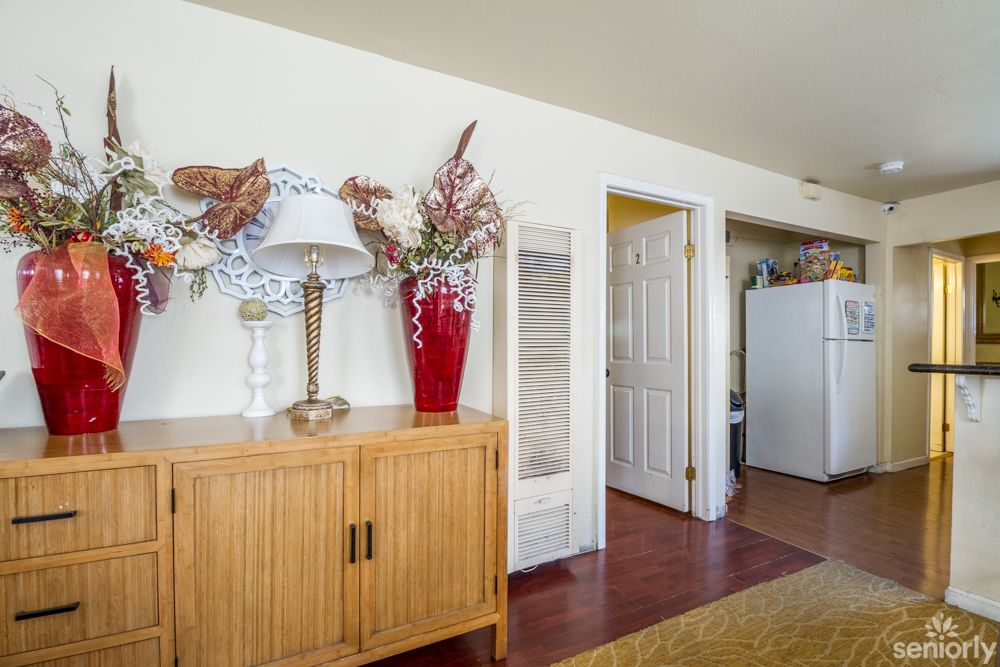
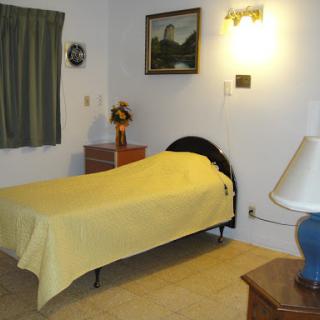
 Fully furnished
 Garden
 Housekeeping services
 Move-in coordination
 Outdoor space
 Private
 Small library
 Telephone
 Metropolitan Oakland International (5 miles away)
 24-hour supervision
 Activities of daily living assistance
 Assistance with bathing
 Assistance with dressing
 Assistance with transfers
 Diabetes diet
 Meal preparation and service
 Medication management
 Special dietary restrictions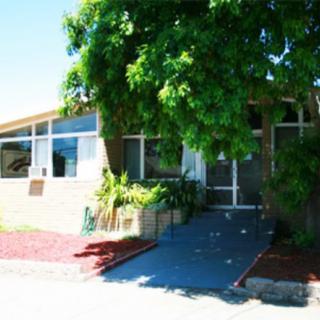




 Medications Associated with Dementia Risk: A Comprehensive Overview
 Guiding Your Journey: Understanding Power of Attorney for Elderly Parents
 22 Remarkable Caregiver Support Groups Available Online and In-Person