For more information about senior living options: (866) 208-4318
3.1 from 106 reviews
5 stars
42
4 stars
12
3 stars
6
2 stars
8
1 stars
38
Overall Review of Garden City Healthcare Center
common
Rehab therapy gets mixed feedback
Physical and occupational therapy are repeatedly described as either helpful or poorly delivered.
Several residents and families describe meaningful progress with therapy, including getting people back walking or improving strength and independence after surgeries. Others report frustrations with the physical therapy experience, including short or inconsistent sessions and a need for families to advocate closely. Across reviews, people also connect therapy quality to how safe and responsive they felt during recovery.
caveat
Cleanliness is a major split
Cleanliness is one of the most disputed parts of the experience, with both praise and serious complaints.
Some reviewers say the facility feels clean, tidy, and well maintained, even noting frequent cleaning and clean-smelling rooms. Others describe dirty conditions, bad odors, and unclean bathrooms or rooms, including reports of soiled clothing left for hours and concerns about sanitation. Because the feedback is so polarized, it suggests cleanliness consistency may vary by area or timeframe.
common
Staff compassion shows up often
Many families describe staff as caring, attentive, and willing to answer questions.
A common thread across higher ratings is that nursing staff, CNAs, therapists, and administrators are described as friendly, patient, and supportive. Multiple reviews mention staff responsiveness to questions, helping families through medical and discharge logistics, and treating loved ones with respect. At the same time, a subset of reviews claim the opposite, describing neglect, unreturned calls, and slow response to call lights—so the care experience can feel uneven to different families.
caveat
Response times and communication vary
Call light response and family communication are described inconsistently across reviews.
Some families say they received updates promptly and that requests were handled quickly when they called or asked for help. Others report long waits for nurses, difficulty reaching the facility by phone, and limited or conflicting information during the stay. A few reviews also describe medication and care delays or situations where families had to escalate outside the facility to get urgent needs addressed.
caveat
Facility condition and comfort matter
Reviews mention both overall comfort and specific environment problems like aging infrastructure.
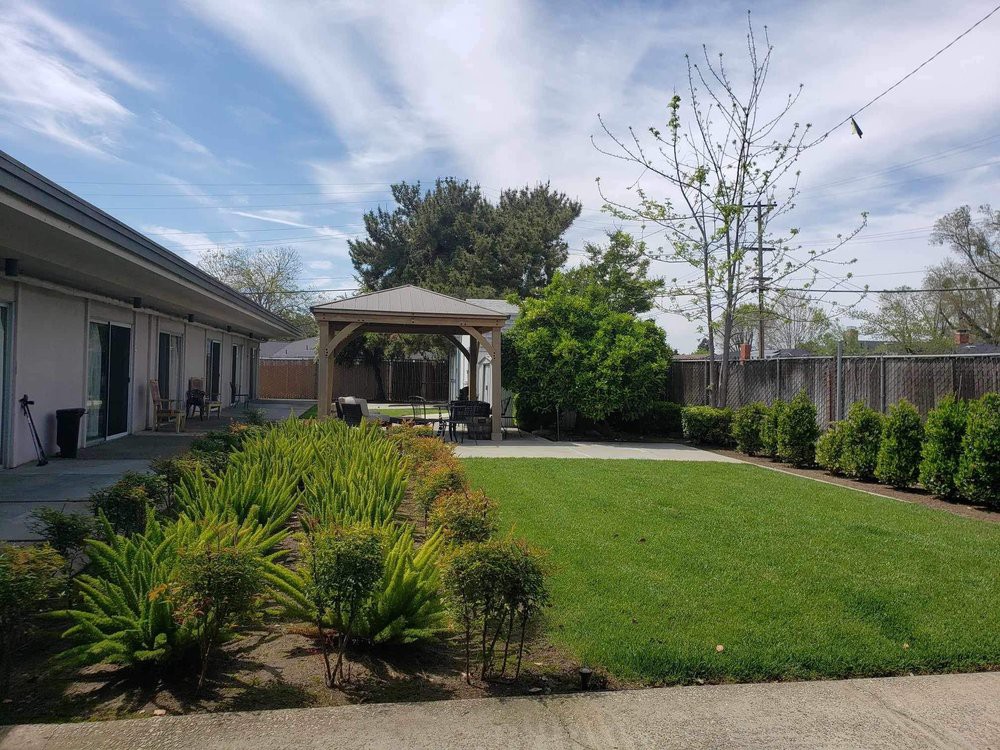
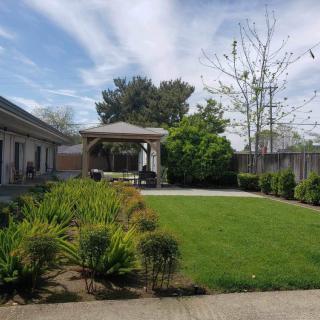
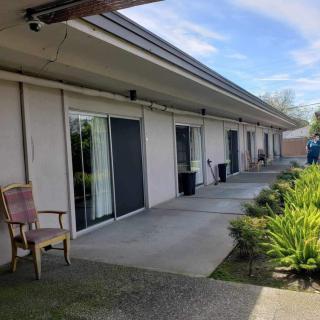
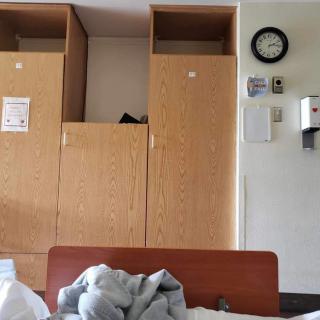
Several reviewers describe the building as well kept, clean, and comfortable, sometimes calling out courtyards or a warm atmosphere. Other reviews criticize the physical environment as outdated, cramped, or showing wear, with complaints about poor cooling and rooms that felt hot or uncomfortable. A few also describe issues like room setup and supervision concerns that made families worry about day-to-day safety.
common
Dining quality and tailoring are noted
Dining experiences range from tailored meals to complaints about temperature and taste.
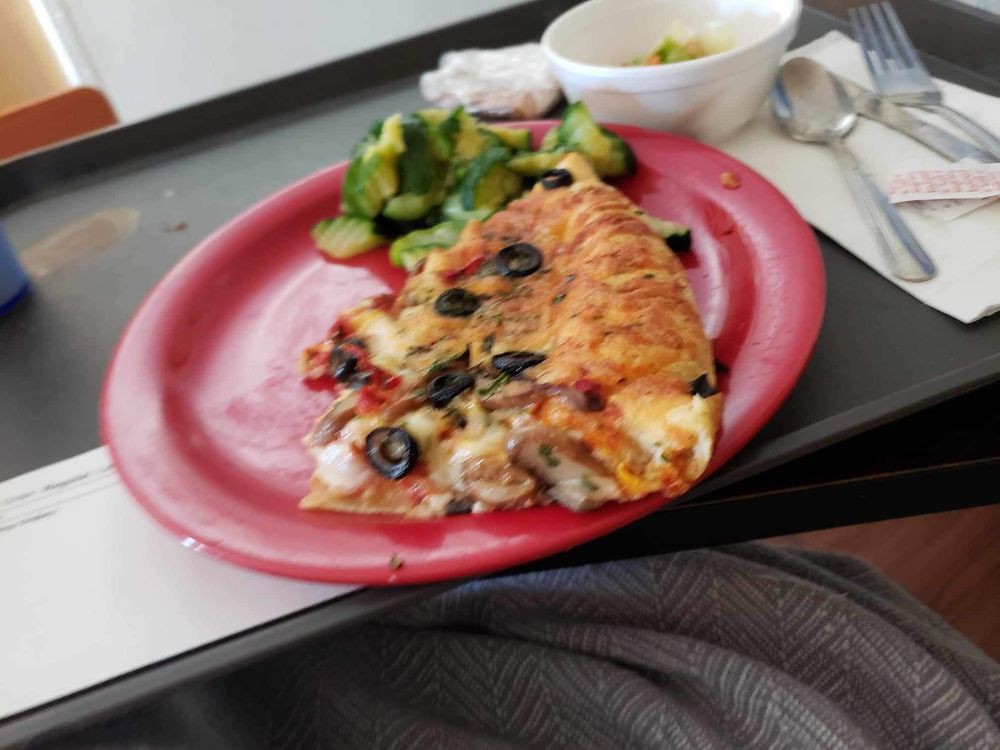
Some reviewers praise food as nutritious and tailored to dietary needs, including accommodations for special restrictions and alternate choices. Others describe meals as cold, unappetizing, or poor quality, with concerns about how food is served and handled. When dining comes up, it often connects back to overall meal timing and whether residents received what they needed.
How we summarize
We summarize when many written reviews mention each theme; a review can touch several themes, and only frequently mentioned themes are displayed.
Features
Housing
104 resident community capacity
Types of Care
Skilled Nursing Facility
Amenities
Air-conditioning
Beauty salon
Cable or satellite TV
Computer center
Dining room
Fitness room
Fully furnished
Gaming room
Garden
Housekeeping services
Kitchenette
Move-in coordination
Outdoor space
Private bathrooms
Restaurant-style dining
Small library
Telephone
Wellness center
Wi-Fi/high-speed internet available
Transportation
Modesto City-County-Harry Sham (4 miles away)
Community operated transportation
Transportation arrangement
Transportation arrangement (non-medical)
Transportation to doctors appointments
Care Services
12-16 hour nursing
24-hour call system
24-hour supervision
Activities of daily living assistance
Assistance with bathing
Assistance with dressing
Assistance with transfers
Diabetes diet
Meal preparation and service
Medication management
Mental wellness program
Special dietary restrictions
Dining
Diabetes diet
Special dietary restrictions
Activities
Community-sponsored activities
Concierge services
Fitness programs
Planned day trips
Resident-run activities
Scheduled daily activities
Nearby Places of Interest
Parks
Eisenhut Park (0.4 miles)
Davis Community Park (1 miles)
Graceada Park (1.6 miles)
McKinney Colony Park (2.4 miles)
James Marshall Park (2.9 miles)
East La Loma Park (3.1 miles)
Places of Worship
Trinity United Presbyterian Church (0.5 miles)
Church of Jesus Christ of Latter Day Saints (2.2 miles)
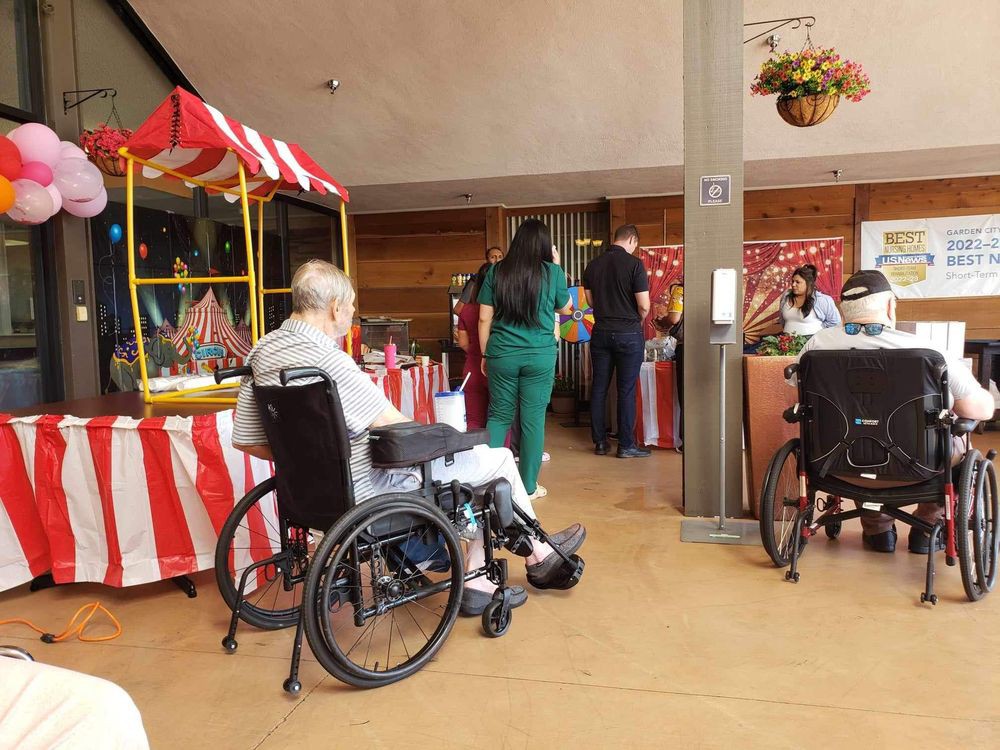
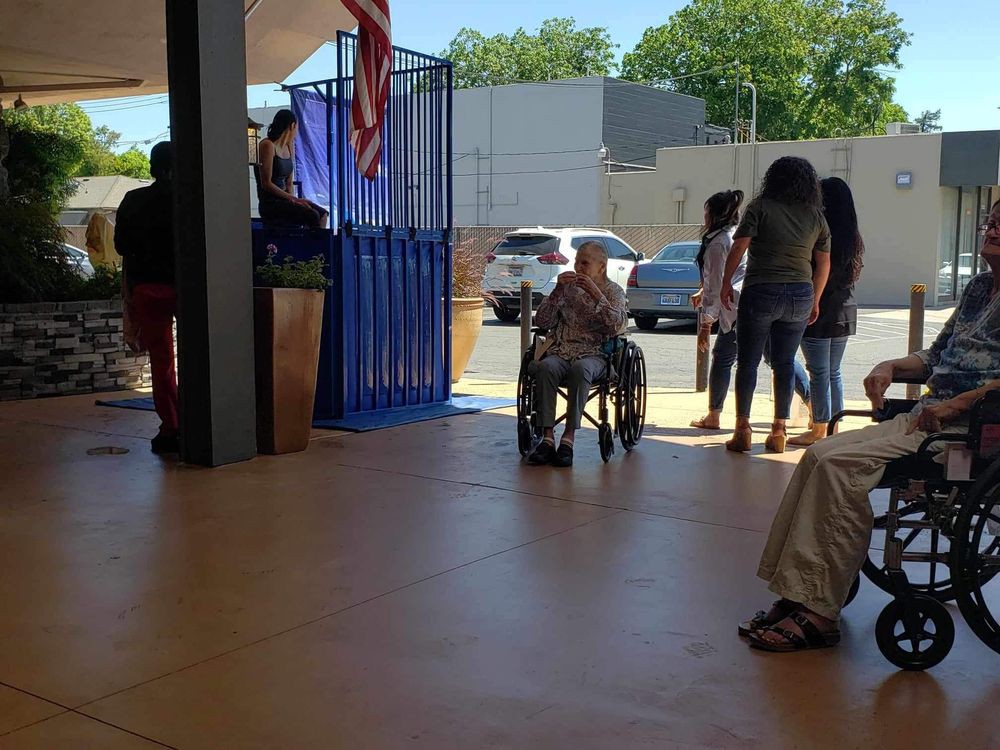
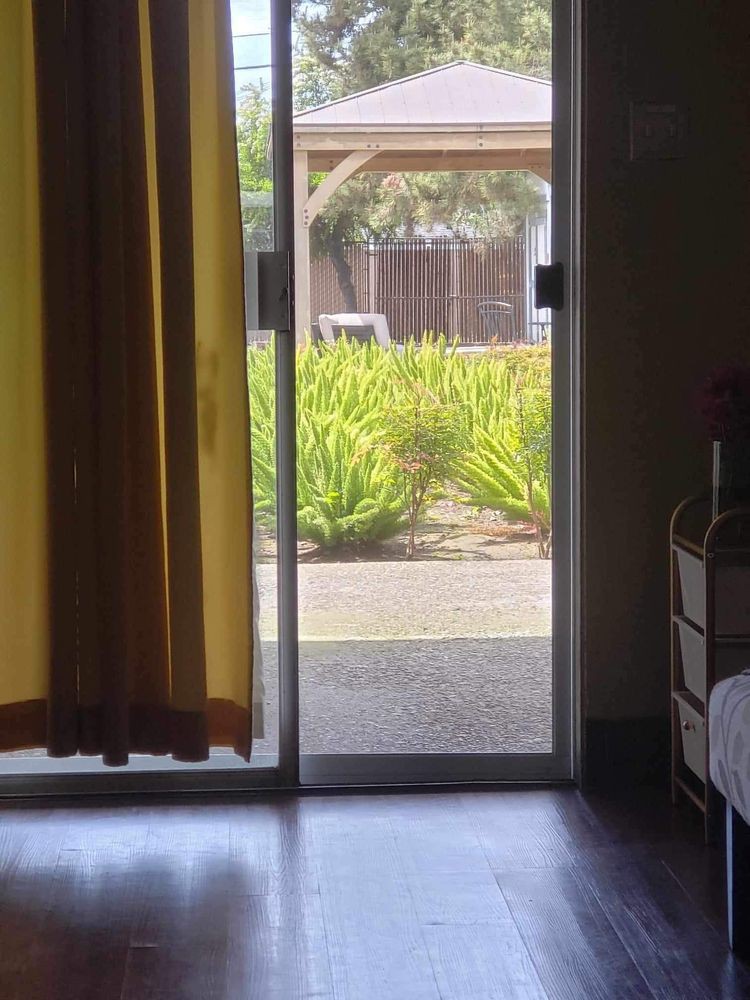
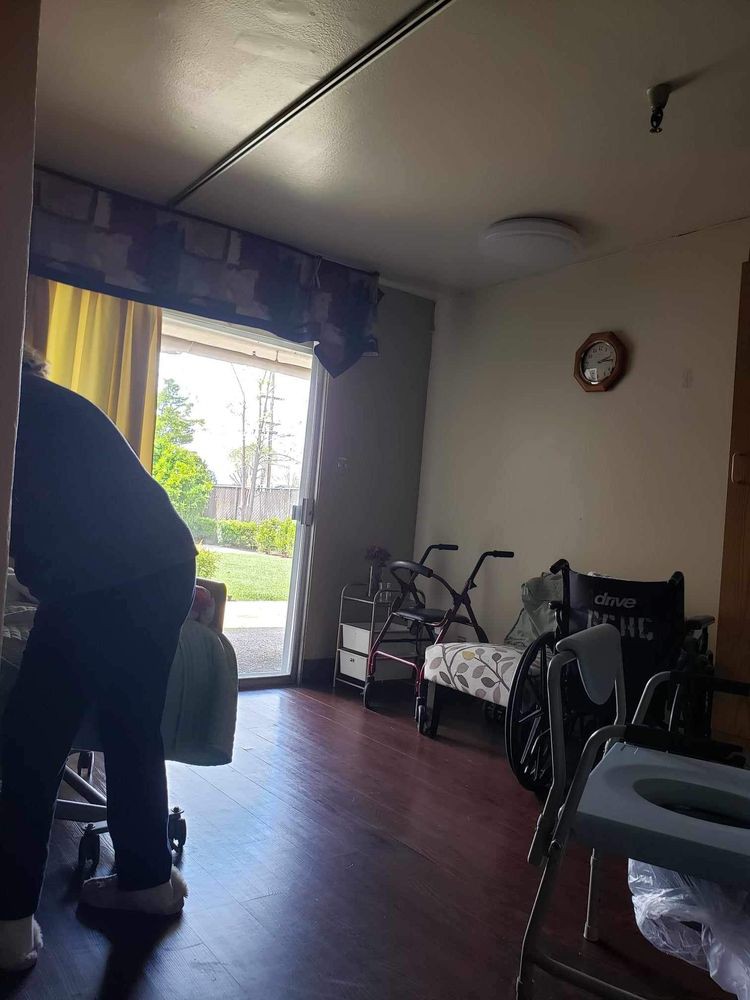
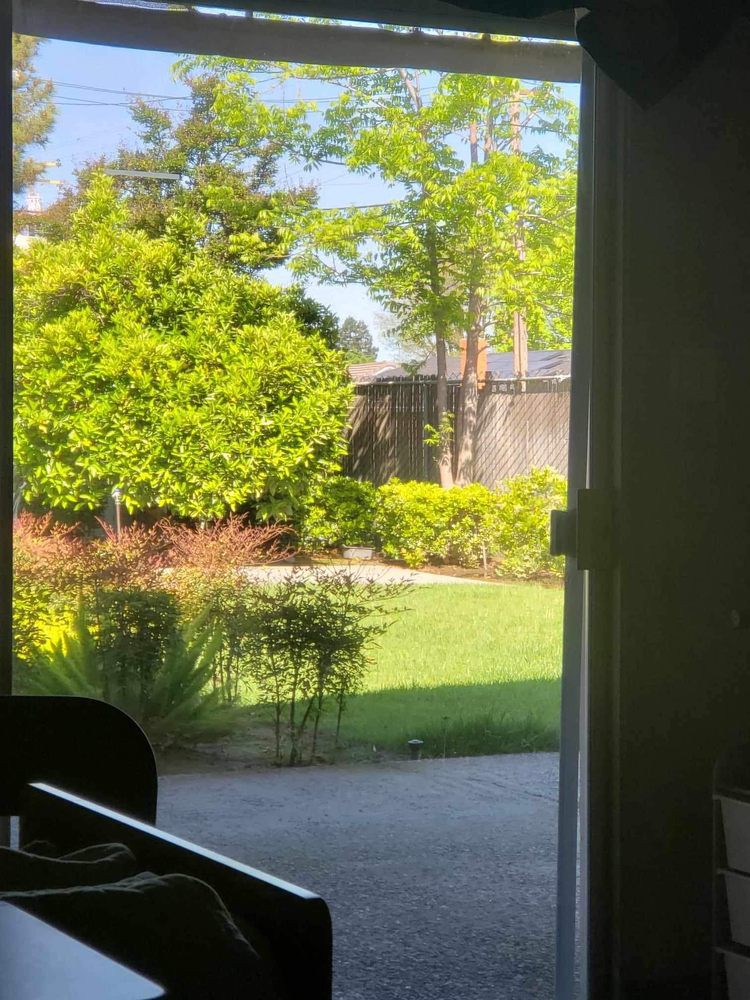
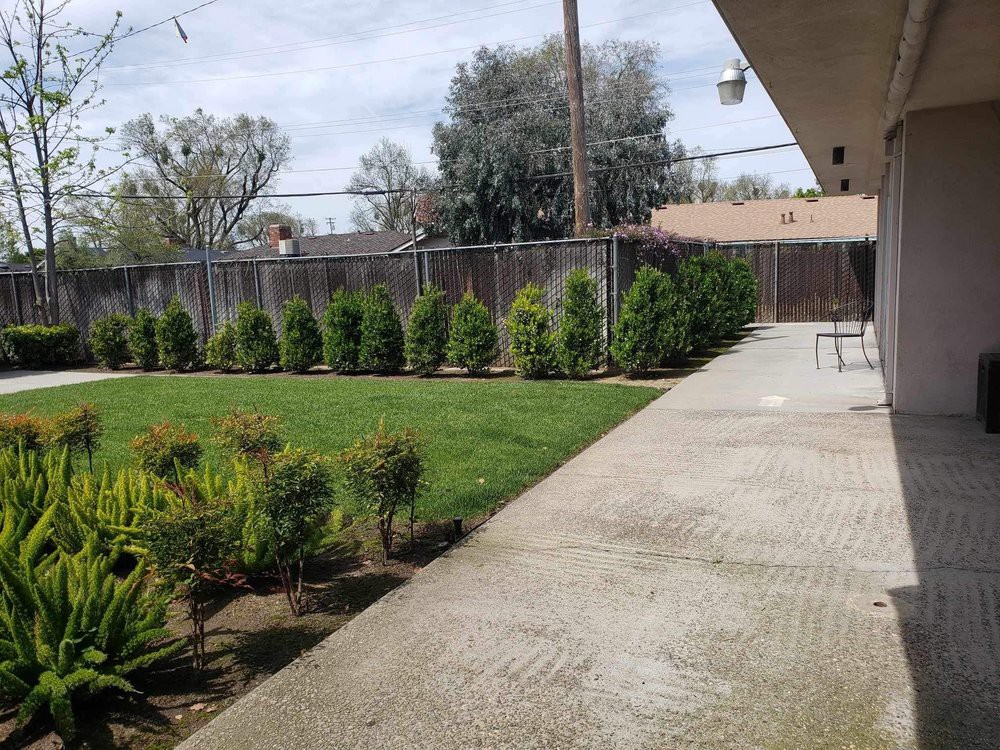
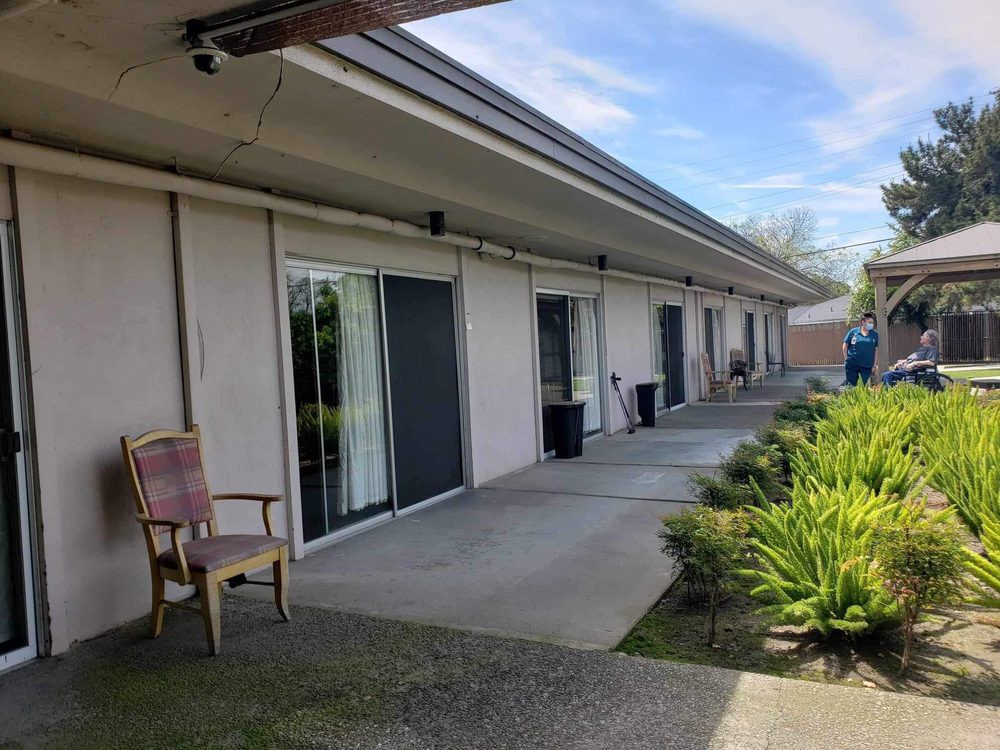
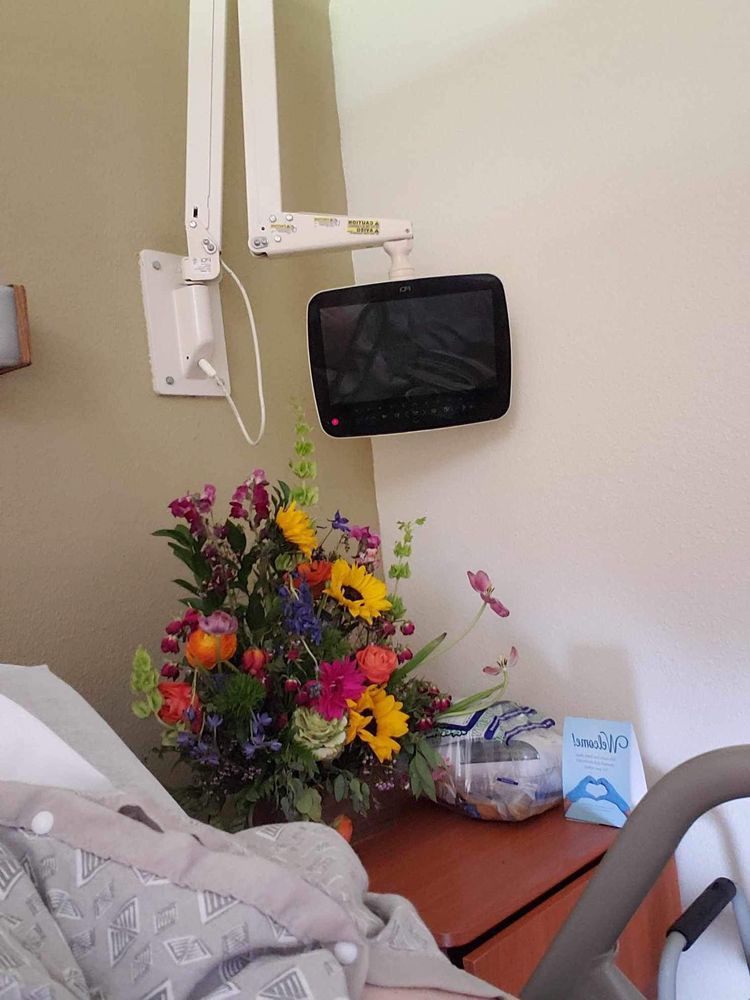
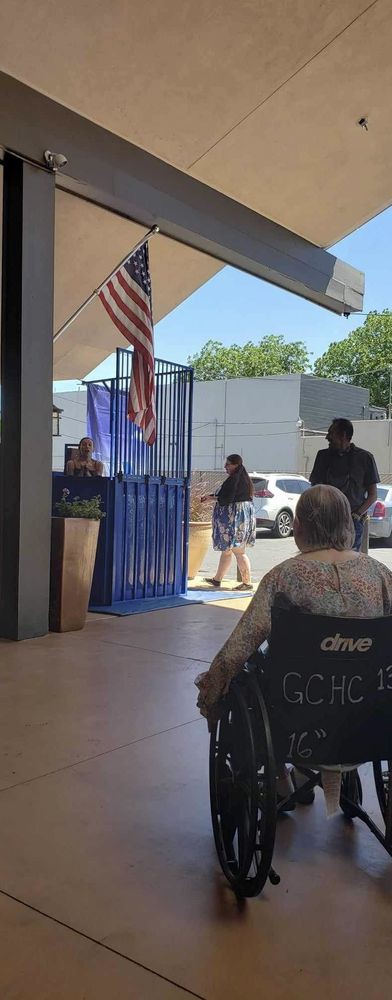
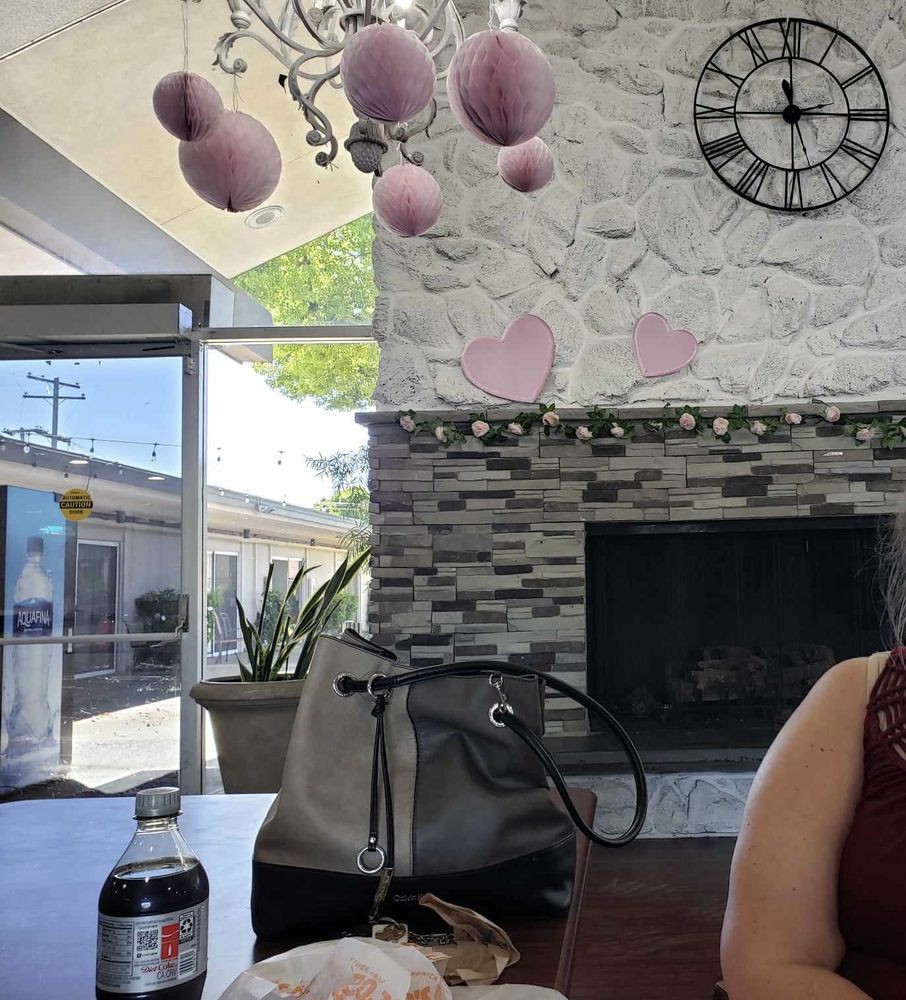
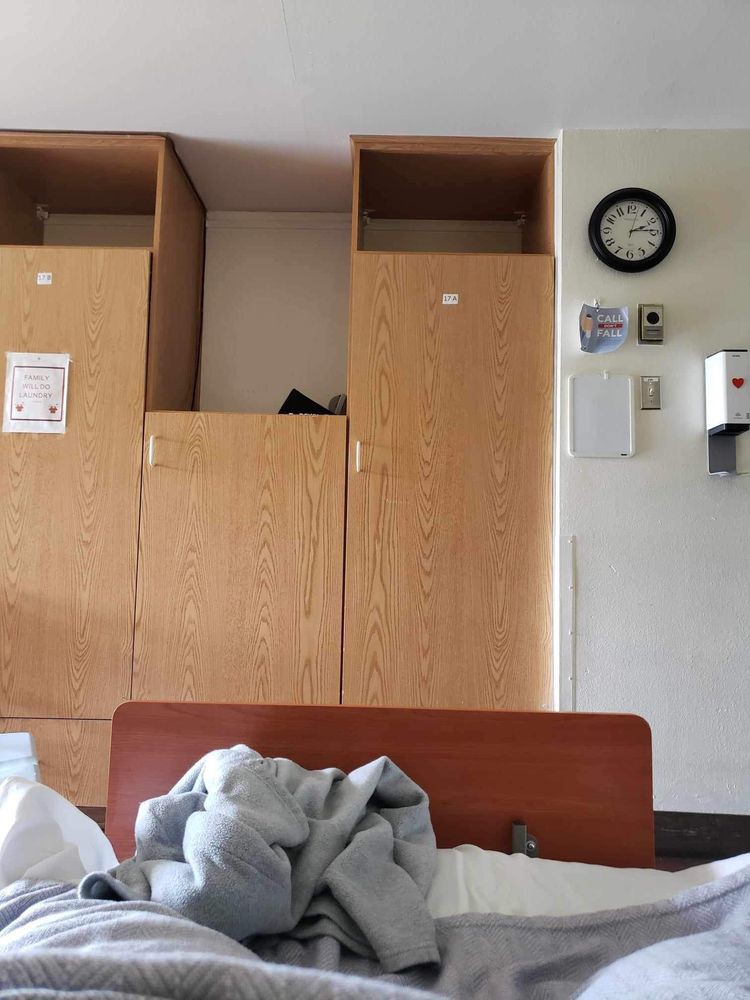
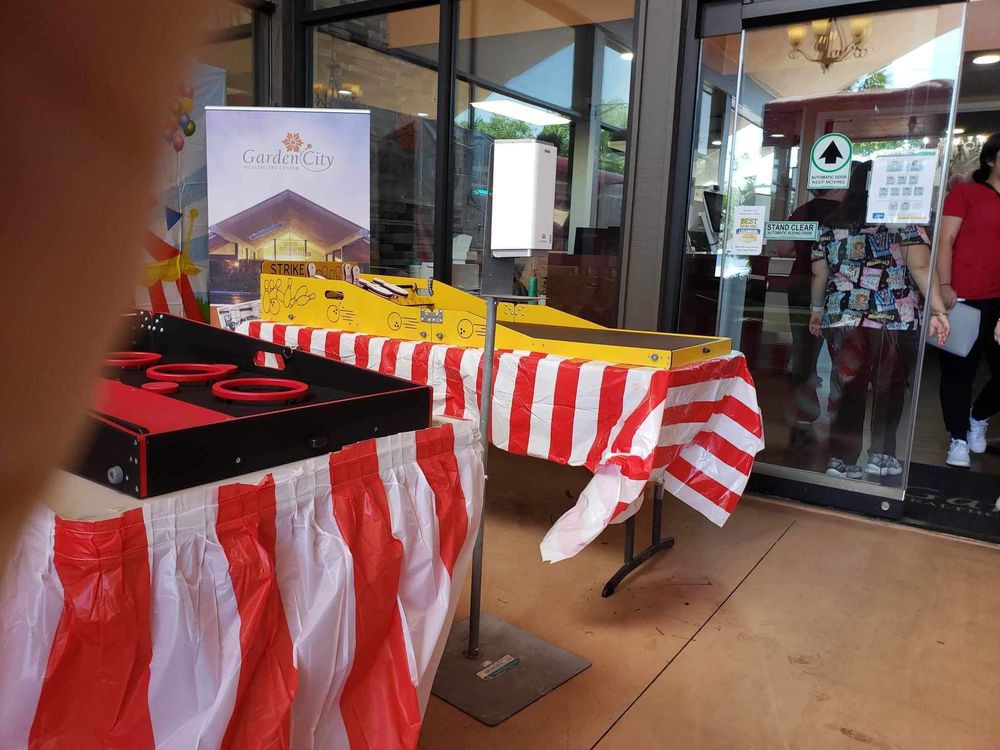
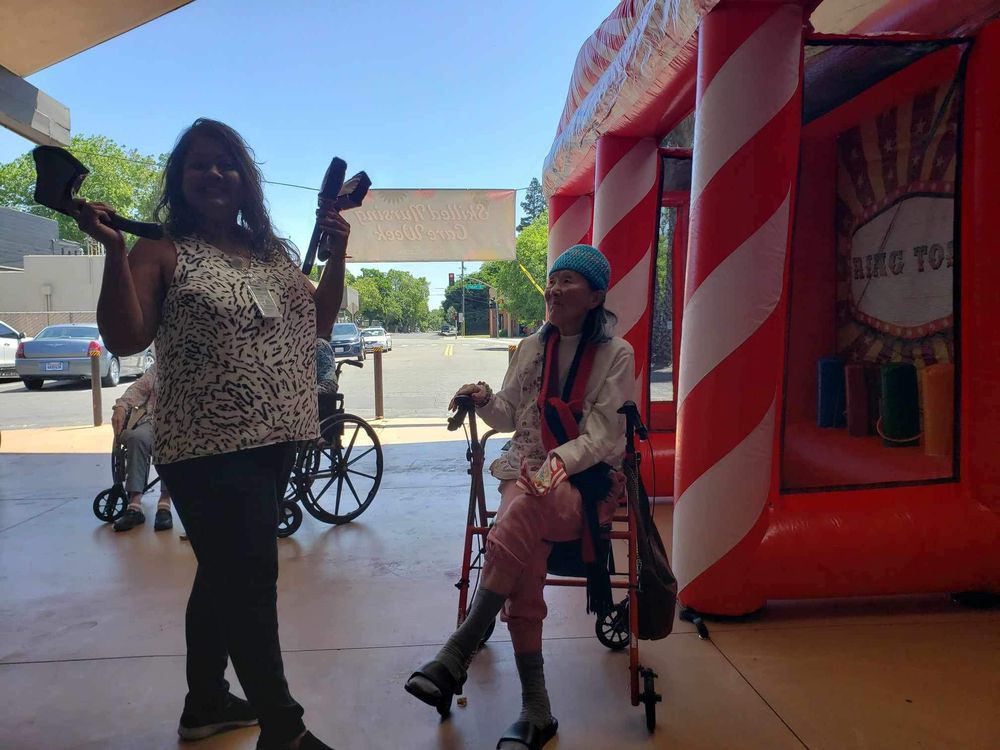
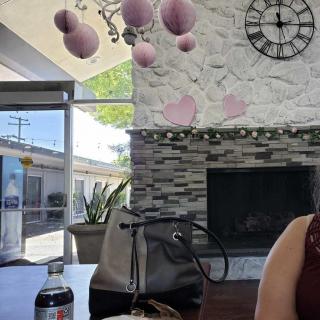
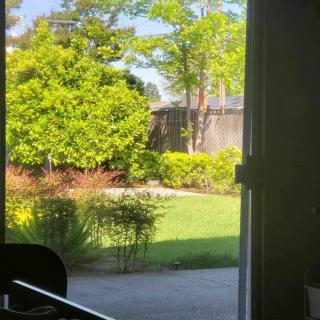
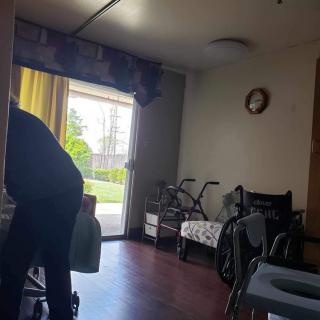
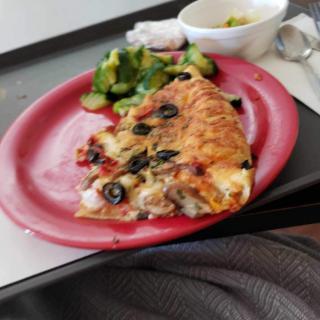
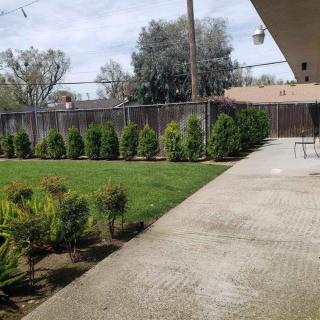
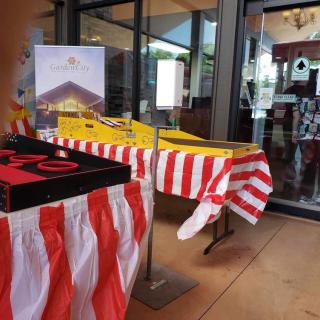
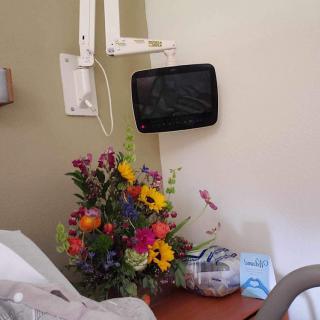
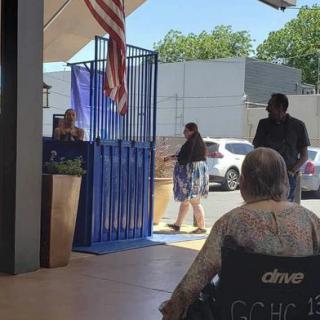
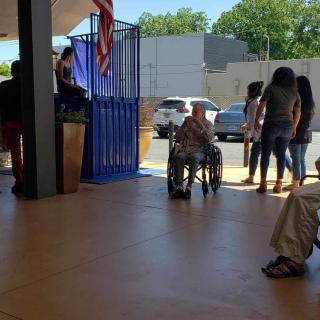
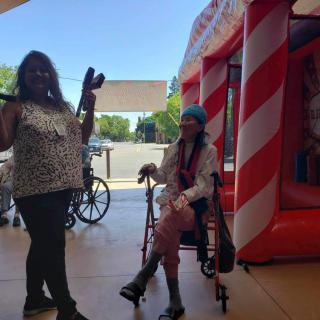
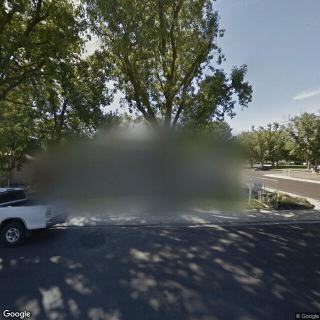
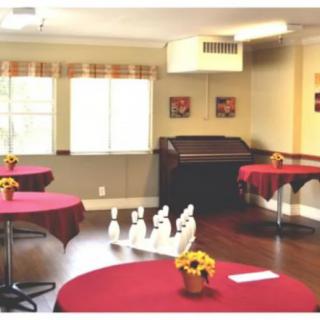
Garden City Healthcare Center on seniors.fyi includes 18 photos including images showing landscaping, interior, wheelchair, outdoor, dining, decor, windows, flag, and more.
Nearby Communities
Residential Care Resources
Modesto, CA
Close to numerous amenities (cafes, parks, healthcare, dining, worship, theater, hospitals)
St. Stephen's Home
Modesto, CA
Intimate 6-resident community with 24-hour supervision and comprehensive daily living assistance.
Davey's Care Home
Modesto, CA
3.5 from 17 reviews
$2,000 to $2,500 / month
Attentive staff delivering personalized care.
Anders Guest Home
Modesto, CA
4.4 from 7 reviews
Vibrant, amenity-rich setting with extensive nearby dining, parks, and medical/entertainment options.
Margaret Care Home
Modesto, CA
5 from 4 reviews
$1,500 to $2,000 / month
Affordable semi-private and private room pricing with nearby amenities.
Immaculate Conception
Modesto, CA
$1,900 to $2,500 / month
Competitive pricing for semi-private and private rooms.
Modesto Post Acute Center
Modesto, CA
2.9 from 59 reviews
$4,590 to $5,610 / month
Fully furnished with private bathrooms, restaurant-style dining, and a wide range of amenities and care services.
Ralston Tower
Modesto, CA
4 from 72 reviews
$566 / month
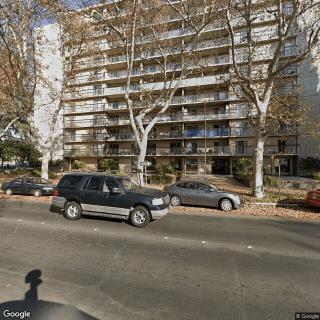
Very affordable 1-bedroom option ($566/mo) with easy access to shops, parks, pharmacies, and dining.
Marple Manor
Modesto, CA
3.7 from 41 reviews
$600 / month
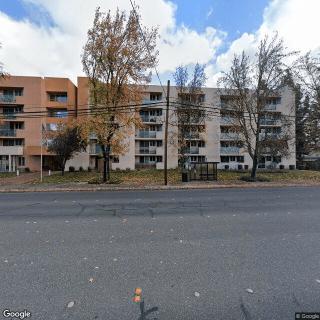
Very affordable studio pricing at $600/month, far below county and statewide averages.
Palliative home care focuses on improving the quality of life for individuals with serious illnesses by providing comfort, symptom management, and emotional support in their own homes. This approach includes personalized care plans, regular assessments, and resources for family caregivers, all while prioritizing person-centered treatment that aligns with patients' goals.
Skilled nursing facilities (SNFs) provide high-level medical care and rehabilitation for short-term recovery, typically covered by Medicare after hospitalization, while nursing homes focus on ongoing custodial care for chronic conditions, mainly funded by Medicaid or private payments. The staffing and regulatory structures differ significantly between the two, necessitating clarity for families in choosing appropriate long-term care options.
Nursing home care costs in the U.S. vary significantly based on location, level of care, and amenities, with private room prices ranging from approximately $6,700 to over $30,000 monthly. Families need to explore various payment options and conduct thorough research to manage these expenses effectively.
Get PricingAsk A QuestionSchedule A TourContact Senior Advisor
By clicking submit, you agree to our Partner's Terms of Use. You
also consent to receive calls and texts, which may be autodialed, from our Partner. Your consent is not a condition to
using our Partner's service. Please visit our Partner's Privacy Policy for information about their privacy practices.



 104 resident community capacity
 Skilled Nursing Facility
 Air-conditioning
 Beauty salon
 Cable or satellite TV
 Computer center
 Dining room
 Fitness room
 Fully furnished
 Gaming room
 Garden
 Housekeeping services
 Kitchenette
 Move-in coordination
 Outdoor space
 Private bathrooms
 Restaurant-style dining
 Small library
 Telephone
 Wellness center
 Wi-Fi/high-speed internet available
 Modesto City-County-Harry Sham (4 miles away)
 Community operated transportation
 12-16 hour nursing
 24-hour call system
 Activities of daily living assistance
 Assistance with bathing
 Assistance with dressing
 Assistance with transfers
 Diabetes diet
 Medication management
 Mental wellness program
 Special dietary restrictions
 Concierge services
 Planned day trips
 Close to numerous amenities (cafes, parks, healthcare, dining, worship, theater, hospitals)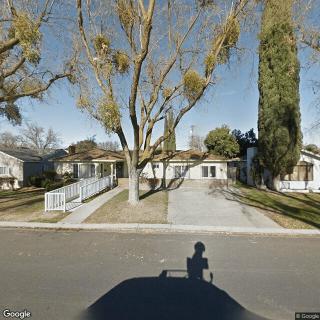
 Comprehensive Insights into Palliative Home Care: What It Is and What to Expect
 Skilled Nursing Facilities vs. Nursing Homes: Making Sense of the Differences
 A Detailed Examination of Nursing Home Costs Across the U.S.