John C. Fremont Healthcare District

Save

  • Interior

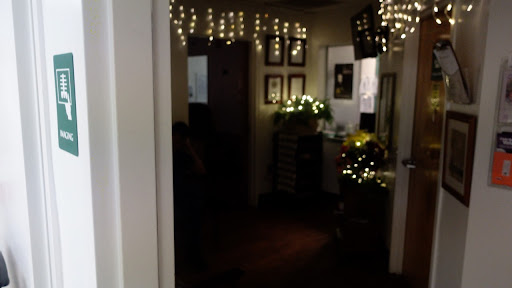
    A cozy interior adorned with twinkling lights, creating a warm and inviting atmosphere.
  • Outdoors

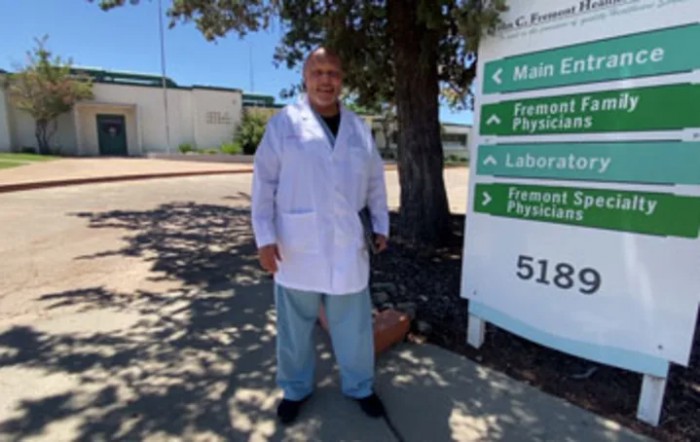
    A person wearing a lab coat stands outside near a sign and tree.
  • Building

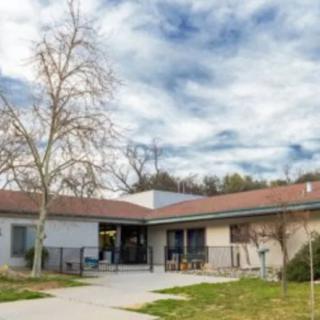
    A modern commercial building set against a cloudy sky.
  • Architecture

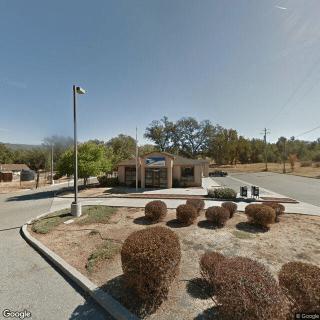
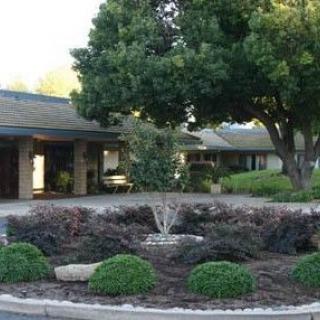
    A single-story building surrounded by trees and a pathway on a sunny day.
  • Trees

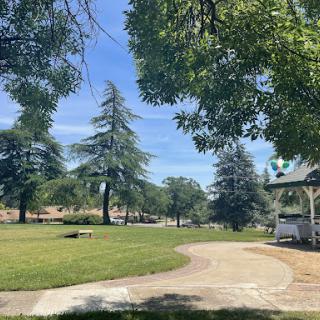
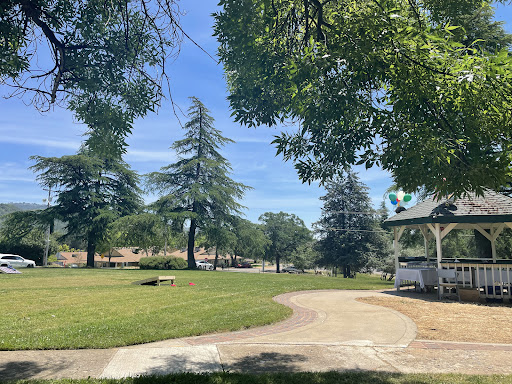
    A serene park scene featuring lush greenery and a winding pathway.
  • Entrance

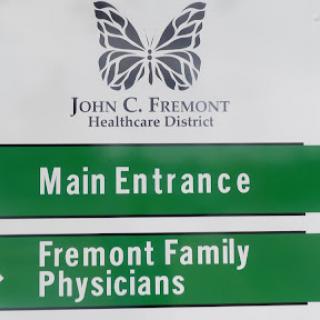
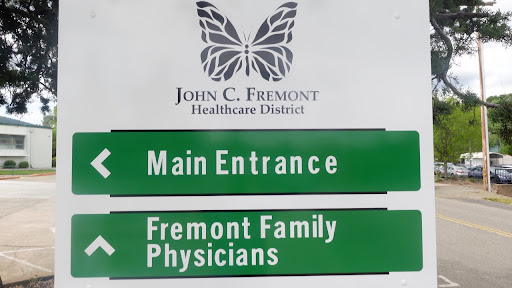
    Signage indicating the main entrance and family physicians at John C. Fremont Healthcare District.
  • Outdoor

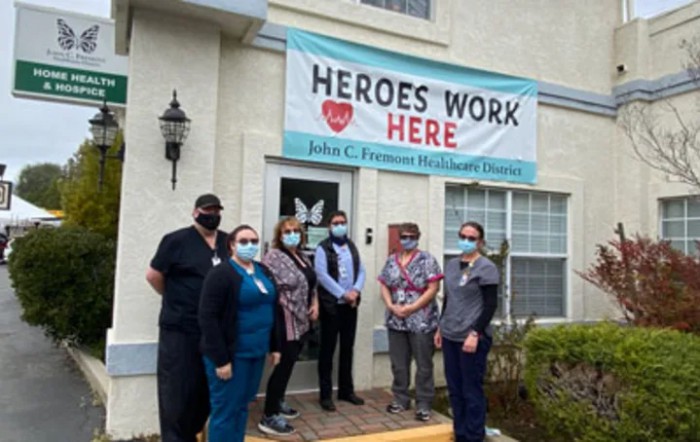
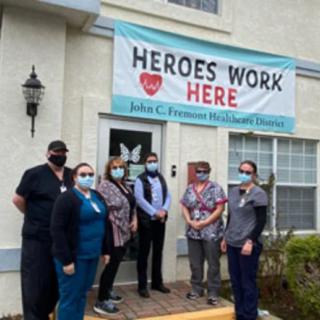
    A group of healthcare workers standing outside a building under a banner reading 'Heroes Work Here'.
  • Clouds

    A stunning sunset paints the sky in vibrant shades of purple and pink, framed by buildings and an RV.
  • Healthcare

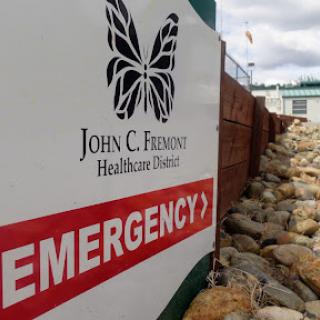
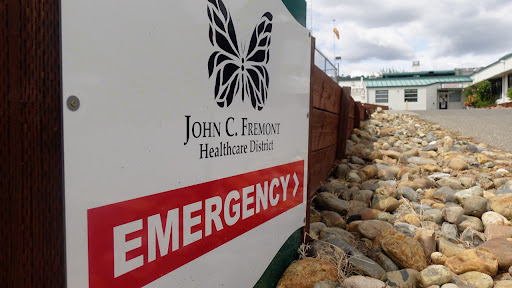
    Emergency entrance signage for John C. Fremont Healthcare District.

John C. Fremont Healthcare District

5189 Hospital Road, Mariposa, CA 95338

For more information about senior living options: (844) 490-3973

2.9 from 92 reviews
5 stars
38
4 stars
5
3 stars
2
2 stars
7
1 stars
40

Skilled Nursing Facility

What level of care are you interested in?

Assisted Living

Memory Care

Independent Living

Skilled Nursing Facility

Continuing Care Retirement Community (CCRC)CCRC

Other


Request a tour at John C. Fremont Healthcare District

    Overall Review of John C. Fremont Healthcare District

    Pros

    • pro The patient was welcomed with care by Nurse Rose and treated by a doctor with exceptional bedside manner, guiding them toward wellness.
    • pro Kristin RN and Dr. Leight were awesome, delivering quick service and collaborative, patient-centered care.
    • pro The staff were extremely friendly and competent.
    • pro Megan the nurse and Dr. Dizon were delightful and professional, providing a diagnosis and treatment the patient felt confident in.
    • pro Brandy and Julius, along with Dr. Ali, took great care of the patient and moved them through the process promptly.
    • pro The patient had a very pleasant experience thanks to the staff's professionalism and efficiency.
    • pro Mariposa was praised as having a fine hospital with dedicated staff.

    Cons

    • pro The hospital is a joke.
    • pro The quality of care is hit or miss; some doctors are competent, others are not.
    • pro The bedside manner is terrible; nurses are rude and lack urgency.
    • pro The ER desk staff are the reason for the negative review, refusing to provide even a crude time estimate.
    • pro The doctors are dismissive and condescending, treating patients like they are not worthy of pain relief.
    • pro If not dying, patients are told to drive somewhere else.
    • pro The hospital delays care by not releasing medical records promptly.
    • pro The hospital is criticized as paying more for less healthcare.

    Review

    The experiences shared about this hospital paint a picture of a facility that runs a wide gamut - from bedside warmth that feels nearly personal to administrative and clinical missteps that leave patients frustrated and frightened. Across the board, the stories converge on one thread: when the care is truly there, it shines; when systems and communications break down, the same setting becomes a source of stress and distrust. In moments of acute need, many patients describe being treated with genuine kindness and competence; in other moments, they describe being shuffled, delayed, or dismissed, sometimes with consequences they felt in their bodies and lives.

    On the bright side, several accounts highlight remarkable compassion and professionalism from individual clinicians and nurses. One patient recounted an ER visit that felt restorative from the start, praising an "angel Nurse, named Rose," and a doctor with "the best bedside manner I have ever encountered," Dr. Leight. This experience wasn't an isolated sentiment: other patients spoke of "Kristin RN" and Dr. Leight as a steady, reassuring presence who explained symptoms clearly and involved families in decisions about care. A nurse named Megan was described as delightful, and Dr. Dizon was lauded for being thorough and professional. Even a note from a patient who was just "passing through" described being looked after quickly and politely by "extremely friendly staff." For some, these clinicians created a model of what good hospital care should feel like - caring, attentive, and collaborative, sometimes transforming a scary episode into a manageable path toward wellness. A few patients even considered the staff "great" or "awesome," grateful for quick testing, straightforward explanations, and timely discharges, and others praised the small but mighty ER team that got them in and out as reasonably as possible.

    Yet behind those uplifting tales runs a chorus of negative experiences that cannot be ignored. A recurring criticism targets the hospital's front-line operations and administrative communications. One reviewer lamented that the desk staff at the ER "totally refuse to give even an approximation of time frame," noting that even when the facility was not exceptionally busy, patients were left without a realistic sense of how long a wait might last. In another memory, a patient described waiting seven hours for doctors to determine that two CT scans could not be read - an experience described as rude and insensitive by the on-shift nursing staff. The frustration isn't limited to waits; it also includes a pattern of limited transparency. Some reviews mention repeated rescheduling of appointments or the impression that doctors and clinics rely on traveling doctors who may not be consistently available, leaving patients to wonder if they'll be seen, and when, during future visits. In a few cases, patients explicitly compared this hospital's reliability to other facilities, suggesting that for certain conditions, a different ER might offer more predictable care.

    A substantial portion of the feedback centers on safety and clinical judgment concerns. Several patients recount adverse events that followed procedures or treatments, with reminders of how fast situations can deteriorate if not managed correctly. One patient described an allergic reaction to IV antibiotics that wasn't anticipated because an allergy test wasn't performed beforehand, followed by a cascade of medication decisions and a hospital stay that seemed unnecessarily protracted. In another story, a patient described a bedside situation in which a nurse forgot about them, almost giving additional medications incorrectly, and a doctor instructed a family to take antibiotics home rather than continuing in-hospital treatment, all contributing to a sense that patient safety had been compromised. The same account mentions a disorganized discharge process, with doctors or nurses stepping back from patient care and discharge planning, leaving loved ones to navigate a confusing, inconsistent path to leaving the hospital.

    The reviews also illustrate how patient experiences shift dramatically depending on the type of care sought. Several people indicate that for emergencies involving broken bones or stitches, or for straightforward, acute issues, they encountered capable, efficient care. In contrast, chronic issues, post-acute management, or more complex referrals produced the opposite impression: delayed testing, unclear recommendations, lack of timely documentation, and difficulty coordinating ongoing care. One patient's account of attempting to coordinate infusions and follow-up care described a frustrating sequence - appointments shuffled, doctors not consistently available, and the patient left to chase down necessary tests on their own. Another patient mentioned a two-week lag before a clinic could release medical records to a primary care physician, a delay that aggravated pain and prevented sleep, underscoring how administrative backlog can exacerbate clinical pain and suffering.

    Intertwined with these clinical and administrative stories are the varied personal judgments about the hospital's overall role in the community. Some reviewers framed the hospital as a microcosm of broader systemic issues in American healthcare: high costs, uneven outcomes, and the sense that "for the most part, you pay the most in the world for the least amount of healthcare." Others acknowledged the hospital's essential function for locals, while urging continued advocacy, transparency, and consistency. One longer reflection seemed almost philosophical: the hospital is "great for certain needs" and "a functional ER" is possible in this environment, but the quality of care depends heavily on which practitioners are on shift and which processes are functioning on a given day. The contrast between praise for extraordinary individual care and critique of systemic bottlenecks left some readers with a nuanced view: the human touch can be outstanding, but the process around care - scheduling, records, information sharing - can undermine that care.

    In several statements, patients offered hopeful, practical praise for what could make experiences better: clearer communication about expected wait times; more consistent availability of clinicians or at least reliable pathways for appointments and infusions; smoother processes for releasing medical records; more robust allergy screening before administering treatments; and better bedside manner from all staff, including those at the desk who set the tone of an entire visit. Some readers expressed gratitude for experiences that felt reassuringly personal, even amid stress, and they urged others to acknowledge those positives while still advocating for improvements in the less satisfying aspects of the hospital's services. The stories, collectively, reveal a facility that can deliver exemplary care when individual clinicians extend care beyond the baseline, but where the full promise of the experience is often constrained by administrative and systemic shortcomings.

    Taken together, the collection of experiences suggests a hospital that is deeply capable in moments of direct, personal patient interaction but inconsistent in its operational discipline. Patients who encountered Rose, Kristin, Dr. Leight, Dr. Dizon, Dr. Ali, Megan, and others describe care that is compassionate, clear, and efficient, offering reassurance in times of fear. Yet many other patients highlight a pattern of long waits, opaque timing, miscommunications, delayed records, and administrative friction that erodes trust and leaves people feeling vulnerable. The hospital's strength seems to lie in the hands-on individuals who lift patients up during moments of acute need, whereas its weakness appears to lie in the systems and processes that should support those individuals and ensure steady, reliable care for everyone. For the community it serves, the takeaway is a call for balance: hold on to the human kindness and clinical competence when it is present, and demand stronger, more transparent systems to ensure consistent, high-quality care for all.

    Features

    Housing

    • 16 resident community capacity 16 resident community capacity

    Types of Care

    • Skilled Nursing Facility Skilled Nursing FacilitySkilled Nursing Facilities are crucial for seniors as they provide round-the-clock medical care, rehabilitation services, and assistance with daily activities. These facilities ensure that seniors receive the specialized care they need to maintain their health and well-being as they age.

    Amenities

    • Cable or satellite TV Cable or satellite TVCable or satellite TV is important for seniors because it provides entertainment, news, and companionship, helping to combat loneliness and boredom. It also offers a wide range of programming options tailored to different interests and preferences.
    • Dining room Dining roomDining rooms are important for seniors as they provide a space for socialization, connection, and nutritious meals. They offer opportunities for residents to bond over shared meals, foster a sense of community, and promote healthy eating habits. Dining rooms also ensure that seniors have access to well-balanced meals tailored to their dietary needs and preferences.
    • Fully furnished Fully furnishedFully furnished senior living communities are important for seniors because they provide convenience, comfort, and a hassle-free moving experience. Seniors can easily settle into their new living space without the stress of having to buy and move furniture. This allows them to focus on enjoying their new home and community.
    • Garden GardenGardens are important for seniors as they provide a peaceful and therapeutic environment for relaxation, physical activity, and socialization. Being in nature has been shown to reduce stress, improve mood, and promote overall well-being. Gardens also offer opportunities for seniors to engage in gardening activities, which can improve mobility, flexibility, and cognitive function. Additionally, gardens create a sense of community and connection with others who share a passion for plants and outdoor spaces.
    • Housekeeping services Housekeeping servicesHousekeeping services are important for seniors because they help maintain a clean and safe living environment, promote independence, and reduce the risk of accidents or illnesses. Additionally, having assistance with household chores can alleviate physical strain and allow seniors to focus on other aspects of their well-being.
    • Move-in coordination Move-in coordinationMove-in coordination is important for seniors because it helps ease the transition into their new living environment. It ensures that all logistics, such as packing, organizing movers, and setting up utilities are taken care of, allowing seniors to focus on settling in and adjusting to their new home. Having a smooth move-in process can alleviate stress and anxiety, making the transition smoother and more enjoyable for seniors.
    • Outdoor space Outdoor spaceOutdoor spaces are important for seniors as they provide opportunities for physical activity, social interaction, exposure to natural light and fresh air, and a sense of connection to nature. Having access to outdoor spaces can improve overall well-being and quality of life for older adults living in senior communities.
    • Telephone TelephoneTelephones are important for seniors as they provide a lifeline for communication with loved ones, emergency services, and healthcare providers. They offer a sense of security and independence, enabling seniors to stay connected and access assistance when needed.
    • Wi-Fi/high-speed internet available Wi-Fi/high-speed internet availableWi-Fi/high-speed internet is important for seniors to stay connected with loved ones, access online resources, and participate in virtual activities to combat feelings of loneliness and isolation. It also allows them to easily manage healthcare needs, access entertainment, and engage in lifelong learning opportunities.

    Care Services

    • 24-hour supervision 24-hour supervision24-hour supervision is important for seniors to ensure their safety, well-being, and access to immediate assistance in case of emergencies or health issues. This constant support provides peace of mind for both seniors and their loved ones, allowing them to age in place with dignity and security.
    • Activities of daily living assistance Activities of daily living assistanceActivities of daily living assistance are important for seniors because they provide essential support with tasks such as eating, bathing, dressing, and mobility. This assistance helps seniors maintain their independence, dignity, and overall quality of life as they age.
    • Assistance with bathing Assistance with bathingAssistance with bathing is crucial for seniors as it helps maintain personal hygiene, prevents infections, and ensures their overall well-being and comfort. It also provides a sense of dignity and independence for seniors who may struggle with this task on their own.
    • Assistance with dressing Assistance with dressingAssistance with dressing is important for seniors because it helps maintain their independence, promotes personal hygiene, prevents accidents and injuries, and improves overall quality of life. This service ensures that seniors can continue to dress comfortably and confidently, despite any physical limitations they may have.
    • Assistance with transfers Assistance with transfersAssistance with transfers is crucial for seniors as it helps prevent falls and injuries, maintains their independence, and ensures they can safely navigate their living environment. It also provides peace of mind for both seniors and their loved ones.
    • Diabetes diet Diabetes dietA diabetes diet is crucial for seniors as it helps manage blood sugar levels, reduce risks of complications, and improve overall health and well-being. By following a balanced and nutritious diet tailored to their specific needs, seniors can better control their diabetes and enhance their quality of life.
    • Meal preparation and service Meal preparation and serviceMeal preparation and service are crucial for seniors as they may have limited mobility or energy to cook nutritious meals. Having access to healthy and convenient food options can ensure they are getting the proper nutrition needed to maintain their overall health and well-being.
    • Medication management Medication managementMedication management is crucial for seniors to ensure they are taking the right medications at the correct dosages and times. This helps prevent adverse drug interactions, reduces the risk of medication errors, and promotes overall health and well-being. Proactive management also allows for adjustments as needed based on changing health conditions or new prescriptions.
    • Special dietary restrictions Special dietary restrictionsSpecial dietary restrictions are important for seniors because age-related changes in metabolism and health conditions can make it difficult for their bodies to process certain foods. By following a diet tailored to their specific needs, seniors can maintain their overall health and well-being, manage chronic conditions, and reduce the risk of complications such as malnutrition or food interactions with medications.

    Dining

    • Diabetes diet Diabetes dietA diabetes diet is crucial for seniors as it helps manage blood sugar levels, reduce risks of complications, and improve overall health and well-being. By following a balanced and nutritious diet tailored to their specific needs, seniors can better control their diabetes and enhance their quality of life.
    • Special dietary restrictions Special dietary restrictionsSpecial dietary restrictions are important for seniors because age-related changes in metabolism and health conditions can make it difficult for their bodies to process certain foods. By following a diet tailored to their specific needs, seniors can maintain their overall health and well-being, manage chronic conditions, and reduce the risk of complications such as malnutrition or food interactions with medications.

    Activities

    • Community-sponsored activities Community-sponsored activitiesCommunity-sponsored activities are important for seniors as they provide opportunities for social interaction, mental stimulation, and physical activity. These activities can help improve overall well-being, combat loneliness and isolation, and promote a sense of belonging and purpose among older adults.
    • Scheduled daily activities Scheduled daily activitiesScheduled daily activities are important for seniors because they provide structure, socialization, mental stimulation, and physical activity. Engaging in regular activities can improve overall well-being and quality of life for seniors living in a community setting.

    Description

    The John C. Fremont Healthcare District in Mariposa, CA is an assisted living community that offers a range of amenities and care services to ensure the comfort and well-being of its residents.

    Residents of this community will enjoy access to a spacious dining room where they can enjoy delicious meals prepared by the staff. The apartments are fully furnished, creating a comfortable living space that feels like home. In addition, there is outdoor space available for residents to relax and enjoy the fresh air.

    Housekeeping services are provided to maintain a clean and tidy environment, and move-in coordination is available to assist with the transition into the community. Residents also have access to telephone services and Wi-Fi/high-speed internet to stay connected with their loved ones.

    Care services offered at this community include assistance with activities of daily living such as bathing, dressing, and transfers. Special attention is given to those with diabetes, with a specific diet catered to their needs. Medication management is provided to ensure residents receive their medications on time.

    Dining options cater to special dietary restrictions, ensuring that all residents' nutritional needs are met. Scheduled daily activities are planned to provide opportunities for social engagement and entertainment.

    This community is conveniently located near various amenities including cafes, pharmacies, restaurants, transportation options, places of worship, and hospitals. This provides easy access for residents who may need additional services or prefer to explore the surrounding area.

    The John C. Fremont Healthcare District in Mariposa, CA offers a caring and supportive environment for seniors seeking assisted living services. With its range of amenities and care services, residents can enjoy a comfortable lifestyle while receiving the support they require.

    Nearby Places of Interest

    Hospitals

    • John C Fremont Healthcare District (0 miles)
    • Kaiser Permanente (20.3 miles)

    Restaurants

    • Charles Street Dinner House (0.1 miles)
    • Savoury's Restaurant (0.5 miles)
    • The Kitchen (0.6 miles)
    • Miners Roadhouse 140 (0.6 miles)
    • Burger King (0.8 miles)
    • Happy Burger Diner (0.8 miles)
    • 1850 Restaurant (0.8 miles)

    Places of Worship

    • Kingdom Hall of Jehovah's Witnesses (0.3 miles)
    • Mariposa Assembly of God Church (0.4 miles)
    • First Baptist Church (0.4 miles)
    • Paris John K Rev (4.2 miles)
    • Ahwahnee Chapel (16.7 miles)
    • Sierra Pines Church (18.7 miles)
    • Oakhurst Evangelical Free Church - Church Office (20.9 miles)

    Cafes

    • Pony Expresso (0.5 miles)
    • High Country Health Foods (0.5 miles)
    • Moonbow Espresso (0.6 miles)
    • Moonbow Coffee (0.6 miles)
    • Jantz Bakery (1.1 miles)
    • Pony Expresso (1.1 miles)
    • River Rock Inn & Deli Garden Cafe (1.2 miles)

    Pharmacies

    • Rite Aid (0.6 miles)
    • Pioneer Market (0.9 miles)
    • CVS Pharmacy (21 miles)
    • Rite Aid (21.3 miles)
    • Yosemite Drug (22.4 miles)
    • San Joaquin Drug (23.6 miles)

    Transportation

    • YARTS Mariposa Park & Ride (0.6 miles)
    • YARTS Roadside Rest (0.8 miles)
    • YARTS Midtown Mariposa (1.2 miles)
    • YARTS Yosemite Bug Resort (5.5 miles)

    Physicians

    • Oakhurst Medical Group (20.9 miles)
    • Garrett Hearing Aid Center (21 miles)
    • Community Medical Providers (21.1 miles)
    • Primary Care Consultants-Oakhurst Rural Helth Clinic (21.4 miles)
    • Blodgett Daniel MD (21.4 miles)
    • Camarena Health (21.5 miles)

    Parks

    • Lecour- Camp Site (21.7 miles)

    Frequently Asked Questions

    Where is John C. Fremont Healthcare District?
    What photos are available for John C. Fremont Healthcare District in Mariposa, California?

    Nearby Communities

    Related Resources

    • what is home health careUnderstanding Home Health Care: A Comprehensive Guide

      Home health care has become essential for supporting independence among the aging population, offering diverse services such as skilled nursing and rehabilitation in familiar environments, while also incorporating technology for personalized care. Despite its benefits, including improved recovery rates and emotional well-being, challenges like safety, staff availability, and insurance navigation must be managed for effective implementation.

    • what is home health careHome Health Care Demystified: A Comprehensive Guide for Families and Caregivers
      Home health care offers a range of clinical services provided in a patient's home, including nursing and therapy, tailored to individual needs, particularly for aging seniors with chronic conditions. This approach enhances patient independence, promotes better disease management, and utilizes technology for real-time monitoring while fostering collaboration among healthcare providers and family members.

    • uber for seniorsSeniors and Modern Transportation: Exploring Uber, Lyft, and Other Ride-Hailing Options
      Seniors benefit from ride-hailing services like Uber and Lyft, which provide convenient and accessible transportation options that promote independence and social engagement, while addressing mobility challenges. These platforms have adapted to meet senior needs with user-friendly features and safety measures, although costs can be a concern; community programs may help subsidize rides for older adults.


    Get Pricing Ask A Question Schedule A Tour Contact Senior Advisor