
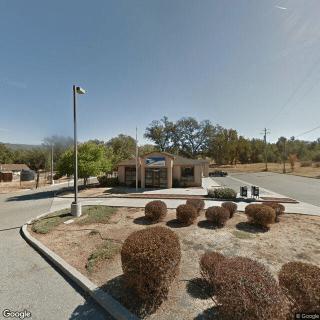
41456 Pamela Place, Oakhurst, CA 93644
For more information about senior living options: (866) 208-4318
Oakhurst Board & Care For The Elderly Costs & Pricing
Oakhurst Board & Care For The Elderly offers competitive pricing for its residents, particularly when compared to both Madera County and broader statewide averages in California. For semi-private rooms, Oakhurst charges $2,650 per month, which is notably lower than the county's average of $2,809 and significantly more affordable than the state average of $3,333. Similarly, for private rooms, the facility's rate of $2,800 stands in stark contrast to Madera County's $3,195 and California's higher average of $3,939. This makes Oakhurst Board & Care an attractive option for families seeking quality elder care at a reasonable price within a supportive environment.
| Floor plans | Oakhurst Board & Care For The Elderly | Madera County | California |
|---|---|---|---|
| Semi-Private | $2,650 | $2,809 | $3,333 |
| Private | $2,800 | $3,195 | $3,939 |
Assisted Living communities with a similar price nearby
-
from -$500 / mo

Mariposa Pines Villa
$2,150 to $3,150 / month18.5 miles away
Overall Review of Oakhurst Board & Care For The Elderly
Pros
 The care provided for the reviewer’s mother is wonderful.
- The staff are accommodating and do whatever is asked.
- There are constant activities and entertainment, including music.
- The food is good, with large breakfasts and lunches, and there are no complaints.
- The facility is a great place and is well liked by visitors.
- The grounds and location are appealing, with animals nearby and space for pets.
- The private home is very nice and well run, with engaging activities like bingo and a reading club.
Cons
 The facility did not meet the medical care needs of the reviewer's father.
- The facility won't admit residents unless they are walking.
- One of the residents was a better salesperson than the owner.
Review
Oakhurst Board & Care For The Elderly is best suited for seniors who want a warm, home-like atmosphere where staff know residents by name, and for families that prioritize daily engagement, personalized attention, and solid meals in a compact, intimate setting. The community works best for residents who can participate in activities and handle a modest level of assistance rather than full-time skilled nursing. In short, this is the kind of place where a resident can thrive on steady companionship, accessible programming, and responsive care, without the bustle or impersonality of a larger campus.
Those weighing alternatives should note that this setting is not a fit for heavier medical needs or non-ambulatory residents. Several reviewers pointed to gaps in higher-level medical coverage, and one explicitly described an admission gate, walking ability, as a prerequisite. For a loved one requiring continuous nursing, frequent physician oversight, rehabilitation services, or significant mobility limitations, a larger assisted-living facility or a skilled-nursing option will deliver more appropriate coverage and safety nets.
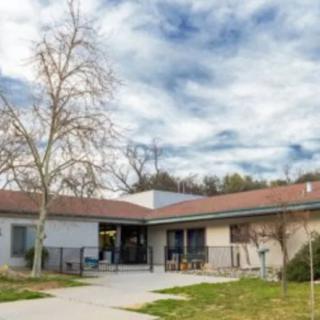
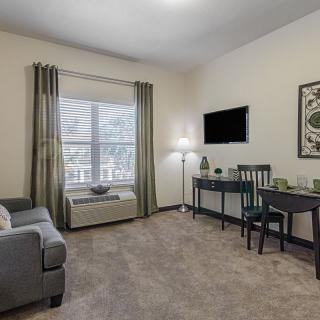
Among the strongest positives are a staff that feels genuinely attentive and accommodating, and a calendar that keeps residents actively engaged. Families consistently report that staff respond to requests, and that the daily routines include music, games, and various activities that foster a sense of community. For residents who are visually impaired, the program accommodates with books on tape and adapted activities, enabling participation rather than exclusion. The meals rise to the occasion as a real daily highlight, savory breakfasts and hearty lunches routinely praised, contributing to overall satisfaction. The environment comes across as comfortable and homey, with private rooms in some configurations, suggesting room to tailor the living arrangement to individual preferences.
The central caveat remains: medical capacity and admission criteria. The same feedback that praises warmth also notes limitations in medical oversight, with admission effectively contingent on mobility. That reality means the home excels for relatively independent seniors who need mild assistance, but risks discord if a resident’s care escalates beyond routine support. The intimate, smaller-scale setting can also translate into fewer private spaces, depending on room configuration, which may influence comfort for some families. These factors are not mere footnotes; they define the ceiling of what the community can reliably provide.
When the fit is right, the pros dramatically outweigh the cons. A warm, engaged staff, a busy activities slate, and dependable meals create a livable, reassuring atmosphere that often translates into real peace of mind for families. The drawbacks aren’t about character or intent; they’re about scope and ceiling, whether the resident’s needs align with the level of care available on a daily basis. For an ambulatory elder who values connection, routine, and a nurturing home, Oakhurst Board & Care offers meaningful value that larger facilities sometimes struggle to match.
Practical decision steps guide the process. First, verify the resident’s mobility and medical needs, and obtain explicit confirmation that the facility can meet those needs, including contingency plans for medical contingencies. Schedule a focused tour that probes daily schedules, medication management, and emergency procedures. Inquire about room options to determine whether a private space is possible and at what cost, and ask about the policy and logistics around outside home-health support if mild medical tasks ever arise. Finally, observe interactions during a trial visit, the tone, responsiveness, and everyday rhythm reveal whether the intimate setting can become a trusted home rather than a temporary stop.
 11 resident community capacity
 Assisted Living
 Board and Care Home
 Activities on-site
 Air-conditioning
 Bath tubs
 Beautician on-site
 Cable or satellite TV
 Devotional services on-site
 Dining room
 Fully furnished
 Garden
 Ground floor units
 Housekeeping services
 Indoor common areas
 Kitchenette
 Move-in coordination
 Outdoor common areas
 Private
 Respite or short term stays offered
 Telephone
 Wi-Fi/high-speed internet available
 24-hour supervision
 Ambulatory care
 Assistance with bathing
 Assistance with dressing
 Assistance with transfers
 Diabetes diet
 Diabetic care
 High acuity care
 Incontinence care
 Meal preparation and service
 Medication management
 Special dietary restrictions
 Transportation arrangement (medical)
 Transportation to doctors appointments
 Catholic services
 Holiday parties
 Intergenerational programs
 Live dance or theater performances
 Live musical performances
 Resident band or musicians
 Stretching classes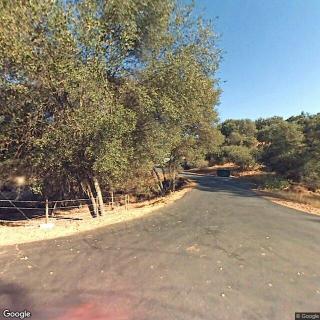



 Securing Financial Support for Assisted Living: A Comprehensive Overview
 Social Security Benefits and Assisted Living: Navigating Options Across the U.S.
 An Extensive Exploration of the VA Aid and Attendance Benefit