

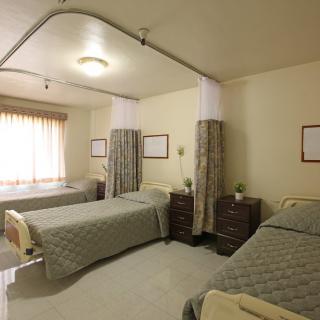
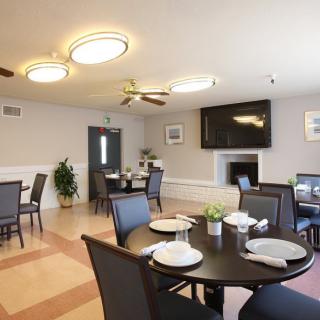

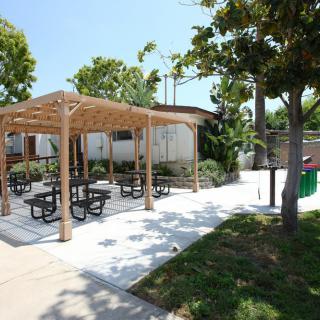


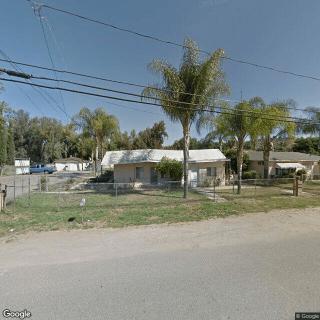
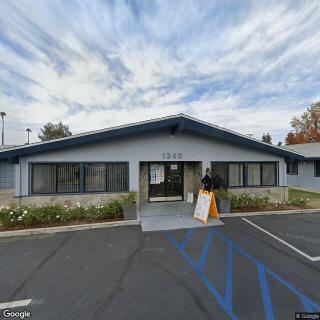
11962 Woodside Avenue, Lakeside, CA 92040
For more information about senior living options: (866) 208-4318
Overall Review of Lakeside Special Care Center
Pros
 Lakeside Special Care Center is described as beautiful and easily accessible, making visits stress-free.
- The staff are friendly, compassionate, and attentive, giving families true peace of mind.
- Families would feel confident and happy choosing Lakeside for a loved one.
- Norma at the front office is consistently helpful and welcoming, and visits are enjoyable.
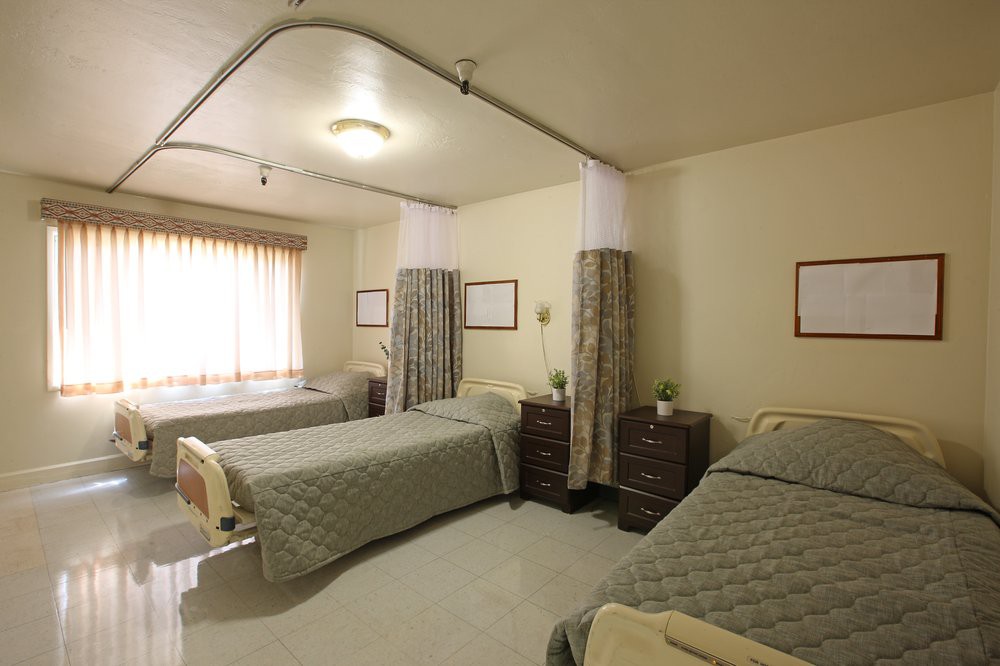
- The facility is clean and well maintained, with friendly and professional staff.
- The team calmly addresses fears and concerns and explains the admission process thoroughly.
- Residents appear happy and well cared for, with engaging activities and programs like a therapy dog and turtle.
- The center is considered top-notch and dedicated to caring for residents.
Cons
Review
This community is best suited for families seeking a warm, well-maintained senior-care setting where visits are easy and the care team feels like a trusted extension of family. Lakeside Special Care Center earns trust with a beautiful, accessible campus and staff described as friendly, compassionate, and attentive. That combination delivers real peace of mind, families know a loved one is in capable hands. The center emphasizes community, with events that bring residents and families together, and thoughtful touches like a therapy dog and a resident turtle that add everyday warmth. From the admission process to ongoing care, teams communicate clearly, aiming to set expectations and reduce anxiety during a transition that can be stressful.
These elements make Lakeside a solid match for residents who benefit from structured, person-centered support and steady caregiver engagement. Families who want to see caregivers who remember names, greet visitors, and stay on top of tasks will feel confident here. For others, alternatives may be worth considering. If a higher level of clinical oversight or memory-care specialization is essential, or if a quieter, less program-driven environment is preferred, there are communities that may fit better. Importantly, two one-star reviews remind that experiences can vary. Prospective buyers should tour at different times, speak directly with leadership, and verify that staffing, response times, and care plans meet the resident’s particular needs before deciding.
On balance, the strongest positives center on people and processes. The setting and location facilitate easy visits, while the staff are consistently described as approachable and professional. The admission experience is thorough, with staff taking time to answer questions and ease fears about what comes next. A true team approach across nursing, social services, and activities means care plans feel coordinated and individualized. The life of the community shows vitality: robust daily activities, outings, and special events that foster social connection and purpose. The therapy dog and turtle programs aren’t peripheral embellishments; they signal a culture that values personhood and comfort as part of daily care. Residents appear engaged and respected, and families repeatedly note the sense that the facility takes pride in the quality of life it provides.
Still, no facility is without fault, and the two negative reviews warrant attention. They suggest that not every resident experiences success with the same consistency that the majority describe. That reality argues for due diligence: request a tour at several times, ask to meet the administrator, and probe how concerns are handled when they arise. The good news is that the community-wide emphasis on communication and cross-department collaboration tends to address problems quickly, and families report feeling included as partners in care. The ease of visiting, the transparent admissions process, and the visible commitment to a respectful, person-centered philosophy all help mitigate potential disappointments. With clear expectations and proactive oversight, most families will find the strengths far outweigh any drawbacks.
Decision-making should focus on fit with medical and cognitive needs, daily routines, and family logistics. Confirm the level of care aligns with the resident’s needs, especially if cognitive issues or rehab services are involved, and inquire about staffing ratios and shift coverage. Review the activity calendar to gauge whether the resident’s interests and cognitive stimulation are adequately addressed. Ask about visitor policies, family communication channels, and how progress notes are shared. It helps that the campus supports multi-disciplinary coordination, from administration to nursing to activities; staff are described as approachable and responsive. If possible, request a meeting with the administrator, sometimes cited as Jamie, and ask for current care plans and goal-setting samples to ensure expectations are well matched.
Overall, Lakeside Special Care Center is a practical, people-first option for families prioritizing warmth, engagement, and dependable care. It excels at creating an environment where residents feel respected, involved, and attended to, with visits that are straightforward and welcomed. For families seeking very high clinical intensity or a calmer, less program-driven atmosphere, alternatives should be explored with care. The two negative reviews serve as a reminder that experiences vary, making concrete diligence essential. To decide confidently, arrange a tour, speak with leadership, review current care plans, and connect with families who have loved ones in residence. When the fit is right, Lakeside offers a compelling blend of compassionate staff, meaningful activity, and peace of mind that can make a difficult transition smoother and more hopeful.
 94 resident community capacity
 Skilled Nursing Facility
 Air-conditioning
 Beauty salon
 Cable or satellite TV
 Computer center
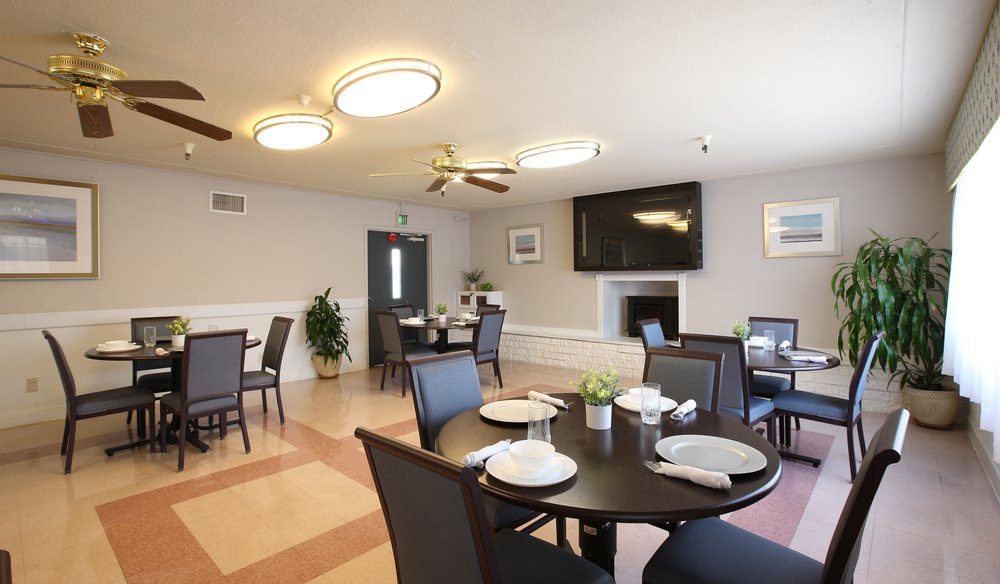
 Dining room
 Fitness room
 Fully furnished
 Gaming room
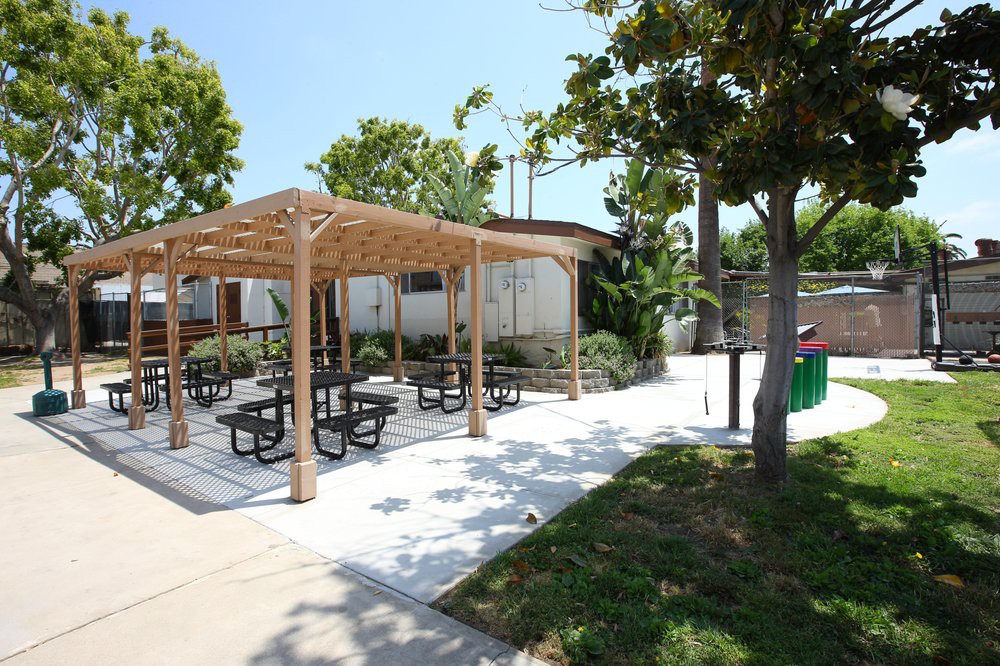
 Garden
 Housekeeping services
 Kitchenette
 Move-in coordination
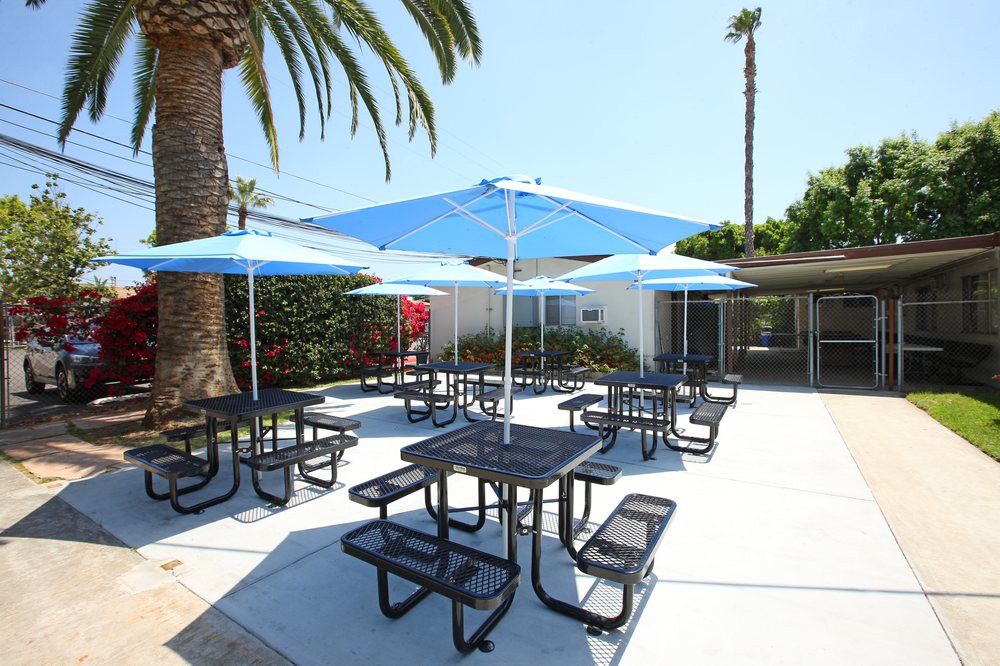
 Outdoor space
 Private bathrooms
 Restaurant-style dining
 Small library
 Telephone
 Wellness center
 Wi-Fi/high-speed internet available
 San Diego International-Lindbergh (17 miles away)
 Community operated transportation
 12-16 hour nursing
 24-hour call system
 Activities of daily living assistance
 Assistance with bathing
 Assistance with dressing
 Assistance with transfers
 Diabetes diet
 Medication management
 Mental wellness program
 Special dietary restrictions
 Concierge services
 Planned day trips





 8 Essential Assistive Devices for Older Adults
 Navigating the Financial Road to Nursing Home Care: In-Depth Guidance and Resources
 Supportive Employee Benefits That Help Caregivers Attain Better Work-Life Harmony