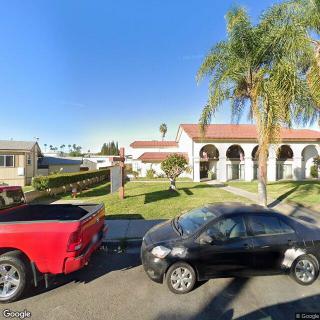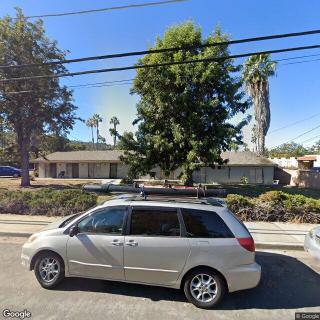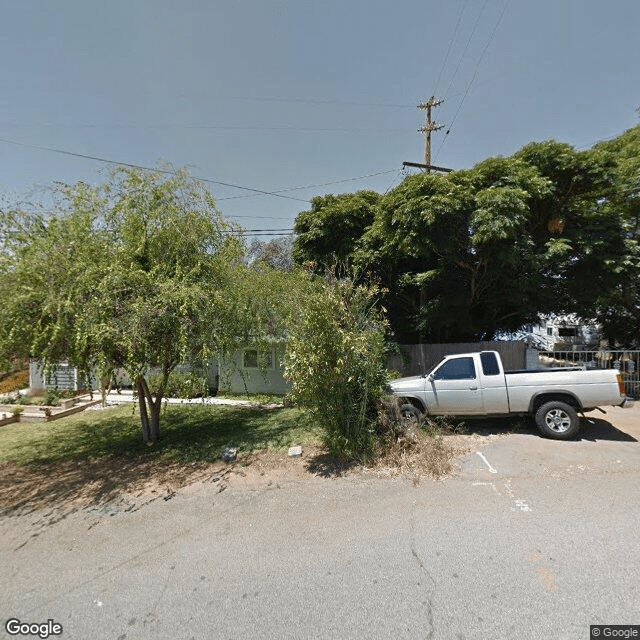
Lakeside Manor in Lakeside, CA

Save
Lakeside Manor

Lakeside Manor in Lakeside, CA

9308 Emerald Grove Avenue, Lakeside, CA 92040

For more information about senior living options: (844) 490-3973

3.9 from 13 reviews
5 stars
8
4 stars
2
3 stars
0
2 stars
0
1 stars
3

Assisted Living Board and Care Home Memory Care

Lakeside Manor Costs & Pricing

Lakeside Manor offers competitive pricing for its residents, with costs that reflect the quality and amenities provided. For a semi-private room, the monthly cost is $4,150, which is higher than both the San Diego County average of $3,518 and the California state average of $3,333. Private rooms at Lakeside Manor are priced at $4,250, aligning with San Diego County's median but exceeding the statewide figure of $3,939. Additionally, studio apartments at Lakeside Manor are available for $4,250, slightly above the county rate of $4,217 but competitively priced against California's average of $4,145. These figures suggest that while Lakeside Manor may be higher in some areas compared to local and state averages, it likely offers distinct advantages in terms of services or facilities that justify these costs.

Floor plansLakeside ManorSan Diego CountyCalifornia
Semi-Private$4,150$3,518$3,333
Private$4,250$3,939$3,939
Studio$4,250$4,217$4,145

What level of care are you interested in?

Assisted Living

Memory Care

Independent Living

Skilled Nursing Facility

Continuing Care Retirement Community (CCRC)CCRC

Other


Request a tour at Lakeside Manor

    Overall Review of Lakeside Manor

    Pros

    • pro The facility is described as absolutely wonderful, very attentive to residents, with a lovely environment and positive energy.
    • pro The staff are caring, loving, and treat all residents with joy and happiness in a home-like setting.
    • pro Johanna and the staff are regarded as angels who provide tender care and deserve recognition.
    • pro The care team gives consistent, patient, and compassionate attention, addressing residents' pain, moods, and health.
    • pro Families feel the staff become like family, making Lakeside Manor a trusted home for their loved ones.
    • pro Residents are described as happier and healthier under the care, with the facility offering good value.
    • pro The owners and management are seen as supportive, making the place feel like home and providing peace of mind.
    • pro The staff communicate with families with patience, professionalism, and honest compassion, serving as a reliable daily link.

    Cons

    • pro The person who runs the facility does not appear to know what she's doing most of the time, cannot take orders from the doctor, and residents are overcharged.
    • pro Lakeside Manor is mainly for memory care patients and does not seem like a good fit for someone at risk of falling.
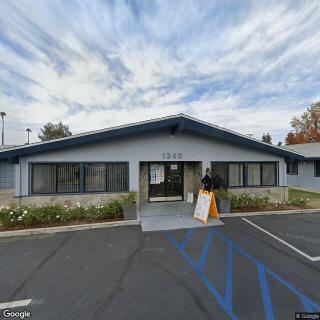
    • pro The facility lacks finer architectural details, and the parking lot is tight.

    Review

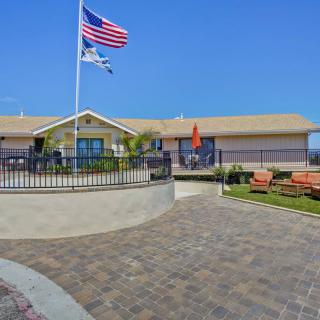
    Lakeside Manor in Lakeside, California is best suited for families seeking a genuinely home-like memory-care environment where daily attention to living tasks feels personal, accessible, and steady. The core strengths sit in a small, intimate setting that emphasizes routines, social interaction, and compassionate caregiving for residents with dementia. Visitors repeatedly note that residents are treated with warmth, that caregivers know individual histories, and that the environment supports mood stability and gentle engagement. For loved ones who benefit from visible staff presence, consistent redirection, and a social, family-style pace, Lakeside Manor delivers a level of relational care that larger campuses often struggle to sustain.

    Those considering alternatives should know this facility is not a universal fit. If the primary need is independent living with occasional assistance, or if a more clinical, hospital-like atmosphere is preferred, other communities may better match expectations. For families prioritizing luxurious amenities or expansive medical oversight, upscale campuses with bigger footprints can feel less personal and more transactional. Additionally, for residents at high risk of falls or requiring highly structured, risk-heavy medical supervision beyond memory-care norms, a different layout or a more clinically oriented campus may be warranted. Lakeside Manor's strength is care depth and warmth, not ostentatious design or broad-spectrum medical services.

    The strongest pros center on staff availability and dementia-focused care. Families consistently praise attentive caregivers who invest time in residents, often describing staff as compassionate, patient, and empowering for mood and pain management. The home-like routines - shared meals, common-room gatherings, and everyday interactions - support sustained social engagement and a sense of normalcy that matters to cognitive and emotional well-being. Leadership is frequently credited with establishing a compassionate culture; the owners and facility manager are seen as accessible and committed, fostering confidence for families who cannot be on site daily. When a resident's needs shift, the team's emphasis on individualized attention shines through in how care plans are implemented and communicated.

    However, several caveats deserve serious consideration. A recurring theme among critics is concern about leadership effectiveness and value for money, with at least one evaluative remark that questions whether management fully executes orders from medical providers and whether the pricing aligns with the service level. While many families describe the care as generous and well-coordinated, the perception that leadership may not always be aligned with medical oversight creates a potential risk that prospective families must probe directly. In addition, the facility's layout and focus are strongly memory-care oriented, which can limit suitability for residents who are not primarily dealing with dementia or who require different safety considerations, such as enhanced fall prevention in a non-memory-care setting. The physical footprint is modest, and some reviewers note architectural and parking limitations compared with larger, more polished campuses.

    Value and outcomes remain compelling for the right resident. Several families describe noticeable improvements in mood, social engagement, and overall quality of life for loved ones who previously seemed withdrawn or distressed. Anecdotal accounts highlight calmer days, more meaningful interactions, and a sense of peace for families who rely on regular updates from staff, including families living far away. When memory care has been the priority, Lakeside Manor often delivers the consistent, home-like care that translates into tangible emotional and cognitive benefits, alongside a cost that many families find fair for the level of attention provided. The care environment can feel like a stabilizing, almost familial extension of home, which is a decisive factor for many who fear long hospice-like endings in less personal settings.

    Bottom line: Lakeside Manor is a strong contenders for families prioritizing dementia-focused, relationship-driven care in a smaller, homelike setting. It is especially suitable when the goal is steady staff presence, personalized daily routines, and a culture that treats residents as part of a family rather than a number. Those seeking high-end amenities, broad medical oversight, or a campus designed around non-memory-care needs should explore alternatives. Before committing, prospective families should have candid conversations with the leadership team about staffing ratios, care coordination with external medical providers, fall-prevention measures, and fee clarity; tour with a specific focus on how individual care plans are developed and updated; and consider a trial period to assess how well the environment and staff rhythms align with the loved one's needs.

    Features

    Housing

    • 15 resident community capacity 15 resident community capacity

    Types of Care

    • Assisted Living Assisted LivingAssisted living facilities provide crucial support and care for seniors who may need help with daily tasks such as medication management, bathing, and meal preparation. These communities offer a safe and comfortable environment where seniors can maintain their independence while receiving the assistance they need to thrive in their golden years.
    • Board and Care Home Board and Care HomeBoard and care homes provide a smaller, more intimate setting for seniors who require assistance with daily tasks but do not need the level of care offered by a nursing home. They offer personalized care, meals, and social activities in a homelike environment, ensuring that seniors receive individualized attention and support in their golden years.
    • Memory Care Memory CareMemory care is crucial for seniors as it provides specialized support and services for individuals with dementia or Alzheimer's disease. These programs offer a safe and secure environment where residents receive personalized care, cognitive stimulation, and help with daily activities. Memory care helps seniors maintain their independence, quality of life, and dignity while also providing peace of mind for their families.

    Pets

    • Cats allowed Cats allowed"Pet friendly" senior living communities are important for seniors because pets provide companionship, reduce feelings of loneliness and depression, promote physical activity and mental stimulation, and offer a sense of purpose and responsibility. Pets can improve overall well-being and quality of life for seniors in many ways.

    Amenities

    • Activities off-site Activities off-siteEngaging in off-site activities is crucial for seniors to maintain social connections, stay active, and stimulate their minds. It promotes overall well-being and helps combat feelings of isolation and loneliness.
    • Activities on-site Activities on-siteActivities on-site are important for seniors because they provide opportunities for socialization, mental stimulation, physical activity, and overall well-being. Engaging in activities can help seniors stay active, maintain their independence, and improve their quality of life.
    • Bath tubs Bath tubsBath tubs are important for seniors because they provide a safe and relaxing way to bathe, helping to prevent slips and falls while promoting independence and overall well-being.
    • Cable or satellite TV Cable or satellite TVCable or satellite TV is important for seniors because it provides entertainment, news, and companionship, helping to combat loneliness and boredom. It also offers a wide range of programming options tailored to different interests and preferences.
    • Dining room Dining roomDining rooms are important for seniors as they provide a space for socialization, connection, and nutritious meals. They offer opportunities for residents to bond over shared meals, foster a sense of community, and promote healthy eating habits. Dining rooms also ensure that seniors have access to well-balanced meals tailored to their dietary needs and preferences.
    • Fully furnished Fully furnishedFully furnished senior living communities are important for seniors because they provide convenience, comfort, and a hassle-free moving experience. Seniors can easily settle into their new living space without the stress of having to buy and move furniture. This allows them to focus on enjoying their new home and community.
    • Garden GardenGardens are important for seniors as they provide a peaceful and therapeutic environment for relaxation, physical activity, and socialization. Being in nature has been shown to reduce stress, improve mood, and promote overall well-being. Gardens also offer opportunities for seniors to engage in gardening activities, which can improve mobility, flexibility, and cognitive function. Additionally, gardens create a sense of community and connection with others who share a passion for plants and outdoor spaces.
    • Housekeeping services Housekeeping servicesHousekeeping services are important for seniors because they help maintain a clean and safe living environment, promote independence, and reduce the risk of accidents or illnesses. Additionally, having assistance with household chores can alleviate physical strain and allow seniors to focus on other aspects of their well-being.
    • Indoor common areas Indoor common areasIndoor common areas are crucial for seniors as they provide a space for socialization, recreation, and community engagement, promoting overall well-being and reducing feelings of isolation and loneliness.
    • Move-in coordination Move-in coordinationMove-in coordination is important for seniors because it helps ease the transition into their new living environment. It ensures that all logistics, such as packing, organizing movers, and setting up utilities are taken care of, allowing seniors to focus on settling in and adjusting to their new home. Having a smooth move-in process can alleviate stress and anxiety, making the transition smoother and more enjoyable for seniors.
    • Outdoor common areas Outdoor common areasOutdoor common areas are important for seniors as they provide a space for socialization, physical activity, and relaxation. Being outside in nature can improve mood and overall well-being, while also encouraging movement and engagement with others. These spaces can help combat feelings of isolation and promote a sense of community among residents.
    • Outdoor space Outdoor spaceOutdoor spaces are important for seniors as they provide opportunities for physical activity, social interaction, exposure to natural light and fresh air, and a sense of connection to nature. Having access to outdoor spaces can improve overall well-being and quality of life for older adults living in senior communities.
    • Private PrivatePrivacy is important for seniors as it allows them to maintain their independence, dignity, and sense of control over their own lives. It also gives them the space and freedom to relax, reflect, and engage in activities that bring them joy and fulfillment. Creating private spaces within senior living facilities is crucial for promoting overall well-being and quality of life.
    • Private bathrooms Private bathroomsPrivate bathrooms are important for seniors in senior living communities because they provide independence, dignity, and comfort. Having a private bathroom allows seniors to maintain their personal hygiene routines without the need for assistance, promoting a sense of autonomy and privacy. Additionally, private bathrooms help prevent the spread of infections and provide a safe and clean environment for seniors to navigate safely.
    • Respite or short term stays offered Respite or short term stays offeredRespite or short term stays provide seniors with a temporary solution when their regular caregiver is unavailable, offering them the opportunity to receive additional care and support during times of need, while also giving caregivers a chance to rest and recharge.
    • Telephone TelephoneTelephones are important for seniors as they provide a lifeline for communication with loved ones, emergency services, and healthcare providers. They offer a sense of security and independence, enabling seniors to stay connected and access assistance when needed.
    • Wheelchair accessible showers Wheelchair accessible showersWheelchair accessible showers are crucial for seniors as they provide a safe and independent bathing option for those with mobility challenges. These showers help prevent falls and allow seniors to maintain their dignity and autonomy while ensuring they can bathe comfortably.
    • Wi-Fi/high-speed internet available Wi-Fi/high-speed internet availableWi-Fi/high-speed internet is important for seniors to stay connected with loved ones, access online resources, and participate in virtual activities to combat feelings of loneliness and isolation. It also allows them to easily manage healthcare needs, access entertainment, and engage in lifelong learning opportunities.

    Transportation

    • San Diego International-Lindbergh (16 miles away) San Diego International-Lindbergh (16 miles away)

    Care Services

    • 24-hour supervision 24-hour supervision24-hour supervision is important for seniors to ensure their safety, well-being, and access to immediate assistance in case of emergencies or health issues. This constant support provides peace of mind for both seniors and their loved ones, allowing them to age in place with dignity and security.
    • Activities of daily living assistance Activities of daily living assistanceActivities of daily living assistance are important for seniors because they provide essential support with tasks such as eating, bathing, dressing, and mobility. This assistance helps seniors maintain their independence, dignity, and overall quality of life as they age.
    • Ambulatory care Ambulatory care"Ambulatory care services provide essential medical support and treatment to seniors without requiring hospitalization, allowing them to maintain their independence and quality of life while managing chronic conditions or receiving routine medical care."
    • Assistance with bathing Assistance with bathingAssistance with bathing is crucial for seniors as it helps maintain personal hygiene, prevents infections, and ensures their overall well-being and comfort. It also provides a sense of dignity and independence for seniors who may struggle with this task on their own.
    • Assistance with dressing Assistance with dressingAssistance with dressing is important for seniors because it helps maintain their independence, promotes personal hygiene, prevents accidents and injuries, and improves overall quality of life. This service ensures that seniors can continue to dress comfortably and confidently, despite any physical limitations they may have.
    • Assistance with transfers Assistance with transfersAssistance with transfers is crucial for seniors as it helps prevent falls and injuries, maintains their independence, and ensures they can safely navigate their living environment. It also provides peace of mind for both seniors and their loved ones.
    • Coordination with health care providers Coordination with health care providersCoordination with health care providers is crucial for seniors to ensure proper medical care, medication management, and overall well-being. This collaboration helps prevent overlapping treatments, track progress more effectively, and provide comprehensive support tailored to individual needs.
    • Diabetes diet Diabetes dietA diabetes diet is crucial for seniors as it helps manage blood sugar levels, reduce risks of complications, and improve overall health and well-being. By following a balanced and nutritious diet tailored to their specific needs, seniors can better control their diabetes and enhance their quality of life.
    • Diabetic care Diabetic careDiabetic care is crucial for seniors as they are more susceptible to developing diabetes due to aging and other health conditions. Proper management of diabetes can help prevent complications such as heart disease, vision loss, and nerve damage, improving the overall quality of life for seniors in senior living communities.
    • High acuity care High acuity careHigh acuity care is important for seniors because it provides specialized medical attention and support for individuals with complex medical needs. This level of care ensures that seniors receive the appropriate treatment and assistance to maintain their health and quality of life as they age.
    • Incontinence care Incontinence careIncontinence care is essential for seniors to maintain their dignity, hygiene, and overall quality of life. By addressing incontinence issues promptly and effectively, seniors can enjoy a sense of independence and comfort in their daily activities.
    • Meal preparation and service Meal preparation and serviceMeal preparation and service are crucial for seniors as they may have limited mobility or energy to cook nutritious meals. Having access to healthy and convenient food options can ensure they are getting the proper nutrition needed to maintain their overall health and well-being.
    • Medication management Medication managementMedication management is crucial for seniors to ensure they are taking the right medications at the correct dosages and times. This helps prevent adverse drug interactions, reduces the risk of medication errors, and promotes overall health and well-being. Proactive management also allows for adjustments as needed based on changing health conditions or new prescriptions.
    • Special dietary restrictions Special dietary restrictionsSpecial dietary restrictions are important for seniors because age-related changes in metabolism and health conditions can make it difficult for their bodies to process certain foods. By following a diet tailored to their specific needs, seniors can maintain their overall health and well-being, manage chronic conditions, and reduce the risk of complications such as malnutrition or food interactions with medications.
    • Transportation arrangement (medical) Transportation arrangement (medical)Transportation arrangements for medical purposes are essential for seniors as they may have difficulty driving themselves to appointments or accessing public transportation. Having reliable and safe transportation options ensures that seniors can receive timely medical care and maintain their health and well-being.
    • Transportation to doctors appointments Transportation to doctors appointmentsTransportation to doctors' appointments is crucial for seniors as it ensures they have access to necessary medical care and support for their health needs. Without reliable transportation, seniors may struggle to attend important appointments, leading to potential delays in treatment and health complications. Providing transportation services helps seniors maintain their overall well-being and quality of life.

    Dining

    • Diabetes diet Diabetes dietA diabetes diet is crucial for seniors as it helps manage blood sugar levels, reduce risks of complications, and improve overall health and well-being. By following a balanced and nutritious diet tailored to their specific needs, seniors can better control their diabetes and enhance their quality of life.
    • Guest meals Guest mealsGuest meals are important for seniors living in senior living communities because they provide an opportunity for socialization and companionship. Sharing a meal with friends, family, or new acquaintances can help combat feelings of loneliness and isolation, promote a sense of community, and enhance overall well-being. Additionally, guest meals allow seniors to enjoy delicious food in a comfortable setting without the hassle of cooking or cleaning up, making dining a pleasurable and stress-free experience.
    • Low / no sodium Low / no sodiumLow/no sodium options are important for seniors because excessive sodium intake can lead to high blood pressure, heart disease, and other health issues commonly experienced by older adults. By choosing low/no sodium foods, seniors can better manage their health and reduce their risk of developing these conditions.
    • Meals provided Meals provided"Meals provided" are crucial for seniors in assisted living communities as it ensures they have access to nutritious, balanced meals without the stress of meal planning and preparation. This can help promote overall health and well-being for seniors who may have limited mobility or cognitive abilities.
    • No Sugar No SugarNo sugar diets are important for seniors because they can help prevent or manage chronic conditions such as diabetes, heart disease, and obesity. Sugar can also contribute to cognitive decline and inflammation in the body, so reducing sugar intake can lead to overall improved health and well-being in older adults.
    • Organic OrganicOrganic foods are important for seniors because they contain fewer chemicals and pesticides, which can be harmful to aging bodies. Additionally, organic foods often have higher nutrient levels, making them a healthier choice for maintaining overall well-being in older adults.
    • Special dietary restrictions Special dietary restrictionsSpecial dietary restrictions are important for seniors because age-related changes in metabolism and health conditions can make it difficult for their bodies to process certain foods. By following a diet tailored to their specific needs, seniors can maintain their overall health and well-being, manage chronic conditions, and reduce the risk of complications such as malnutrition or food interactions with medications.
    • Special dining programs Special dining programsSpecial dining programs are important for seniors because they provide nutritious meals tailored to their dietary needs and preferences. These programs also offer socialization opportunities, promote overall health and well-being, and can help prevent malnutrition.
    • Vegetarian VegetarianA vegetarian diet is important for seniors because it can help lower the risk of chronic diseases, maintain a healthy weight, and provide essential nutrients needed for aging bodies. Additionally, plant-based diets are often easier on digestive systems and can contribute to overall well-being in older adults.

    Activities

    • Activities off-site Activities off-siteEngaging in off-site activities is crucial for seniors to maintain social connections, stay active, and stimulate their minds. It promotes overall well-being and helps combat feelings of isolation and loneliness.
    • Activities on-site Activities on-siteActivities on-site are important for seniors because they provide opportunities for socialization, mental stimulation, physical activity, and overall well-being. Engaging in activities can help seniors stay active, maintain their independence, and improve their quality of life.
    • Art classes Art classesArt classes are important for seniors because they provide a creative outlet, improve cognitive function, reduce stress and anxiety, promote socialization, and enhance overall well-being and quality of life.
    • BBQs or picnics BBQs or picnicsBBQs or picnics provide seniors with social interaction, enjoyment of the outdoors, and a sense of community, contributing to their overall well-being and quality of life.
    • Birthday parties Birthday partiesBirthday parties are important for seniors as they provide an opportunity for celebration, socialization, and joy. They allow seniors to feel special and appreciated, boosting their mood and overall well-being. Additionally, birthday parties can help combat feelings of isolation and loneliness by fostering connections with friends, family, and community members.
    • Community-sponsored activities Community-sponsored activitiesCommunity-sponsored activities are important for seniors as they provide opportunities for social interaction, mental stimulation, and physical activity. These activities can help improve overall well-being, combat loneliness and isolation, and promote a sense of belonging and purpose among older adults.
    • Forever fit Forever fit"Forever fit" programs are crucial for seniors as they promote physical activity, social engagement, and overall well-being. These programs help seniors maintain their independence, improve their strength and flexibility, and reduce the risk of chronic diseases. By participating in these activities, seniors can enjoy a higher quality of life and live independently for longer.
    • Holiday parties Holiday partiesHoliday parties are important for seniors because they provide opportunities for socialization, community involvement, and mental stimulation. These festive events offer a sense of belonging and connection during a time that can be lonely for many older adults. Additionally, participating in holiday celebrations can boost mood and overall well-being for seniors living in senior living communities.
    • Live dance or theater performances Live dance or theater performancesLive dance or theater performances are important for seniors because they provide opportunities for socialization, mental stimulation, and emotional engagement. These performances can help combat feelings of isolation and loneliness, while also offering a sense of connection to the arts and culture. Additionally, watching live performances can bring joy and create lasting memories for seniors in their later years.
    • Live musical performances Live musical performancesLive musical performances can provide seniors with a sense of joy, nostalgia, and connection. Music has the power to evoke emotions and memories, improve mood and cognitive function, and foster social interaction among seniors. It can also serve as a form of therapy and stress relief for older adults, making it an important activity to include in senior living communities.
    • Pet-focused programs Pet-focused programsPet-focused programs are important for seniors as they provide companionship, reduce feelings of loneliness and depression, encourage physical activity and social interaction, and have been shown to improve overall well-being and quality of life in older adults.
    • Reminiscence programs Reminiscence programsReminiscence programs are vital for seniors as they provide opportunities for them to reflect on their life experiences, share memories with others, and maintain cognitive function. These programs can improve mood, stimulate social interaction, and enhance overall well-being for older adults.
    • Scheduled daily activities Scheduled daily activitiesScheduled daily activities are important for seniors because they provide structure, socialization, mental stimulation, and physical activity. Engaging in regular activities can improve overall well-being and quality of life for seniors living in a community setting.
    • Stretching classes Stretching classesStretching classes are important for seniors because they help improve flexibility, reduce the risk of injury, and promote overall health and well-being. Regular stretching can also help alleviate joint pain and stiffness, enhance balance and coordination, and increase range of motion.
    • Trivia games Trivia gamesTrivia games are important for seniors because they provide mental stimulation, social interaction, and a fun way to keep the mind sharp. They can help improve memory, cognitive function, and overall well-being in older adults.

    Description

    Lakeside Manor, located in Lakeside, CA, is a board and care home that offers specialized memory care services. Our community aims to provide a comfortable and safe environment for seniors who may require assistance with daily living activities or have memory impairments.

    At Lakeside Manor, we understand the importance of maintaining an active lifestyle and offer various on-site activities for our residents to enjoy. Whether it's participating in art classes, engaging in reminiscence programs, or attending live performances, there is always something exciting happening within our community.

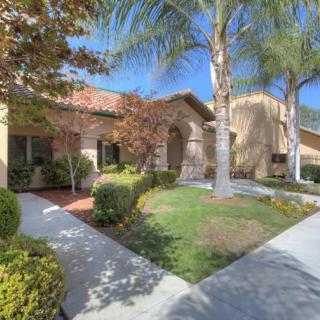
    Our residents can take advantage of the many amenities available to them. They can relax in fully furnished private rooms with their own bathrooms or spend time outdoors in our beautifully landscaped garden and outdoor spaces. We also provide housekeeping services to ensure a clean and organized living environment.

    We prioritize the well-being of our residents by offering assistance with bathing, dressing, transfers, and other daily activities. Our dedicated staff members are trained to coordinate with health care providers and manage medications effectively. Additionally, we offer diabetes care and specialized diets based on individual needs.

    Dining at Lakeside Manor is a delight as well. Our chefs prepare nutritious meals that cater to specific dietary restrictions such as low/no sodium, diabetic-friendly, organic, vegetarian options, and more. Special dining programs add variety to mealtime experiences.

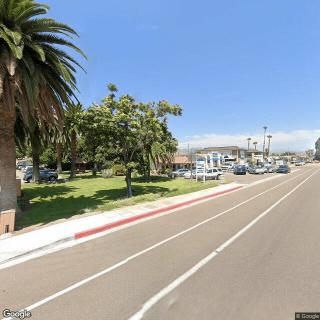
    Located conveniently near several cafes, parks, pharmacies, physicians' offices, restaurants, places of worship and hospitals – our community ensures easy access to essential services.

    At Lakeside Manor Assisted Living Community in beautiful Lakeside California - we strive to provide a warm and supportive environment where seniors can thrive while receiving the personalized care they deserve.

    Nearby Places of Interest

    This part of Lakeside, California offers a convenient location with a variety of amenities easily accessible within a few miles. There are numerous pharmacies, parks for leisurely strolls, restaurants offering diverse dining options, places of worship for spiritual support, physicians' offices for medical care, hospitals for emergency services, cafes for socializing over coffee, and transportation hubs for easy travel. Additionally, there are theaters nearby for entertainment purposes. The presence of healthcare facilities and various services makes this area ideal for seniors looking to settle down in a well-equipped community with essential resources close at hand.

    Pharmacies

    • Rite Aid (0.5 miles)
    • Health Mart Pharmacy (1.4 miles)
    • CVS Pharmacy (2.7 miles)
    • Walmart Pharmacy (2.7 miles)
    • CVS Pharmacy (3.1 miles)
    • Walgreens (3.3 miles)
    • Walgreens (3.4 miles)

    Parks

    • Shadow Hill Park (0.9 miles)
    • Town Center Community Park (2.3 miles)
    • Mount Helix Park (6 miles)
    • Semillon Boulevard. Mini Park (9.1 miles)
    • Iron Mountain Trailhead (9.3 miles)
    • Old Poway Park (10.3 miles)

    Restaurants

    • Jack In The Box (1.8 miles)
    • Sonic Drive-In (1.8 miles)
    • Olive Garden (2.6 miles)
    • Phil's BBQ (2.6 miles)
    • Raising Cane's Chicken Fingers (2.6 miles)
    • McDonald's (2.7 miles)
    • Jack In The Box (3.2 miles)

    Places of Worship

    • Our Lady Of Perpetual Help Cathollc Church (2 miles)
    • Foothills Christian Church (2.4 miles)
    • El Camino Grace Church (3.9 miles)
    • Skyline Church (7.2 miles)
    • Saint Gregory The Great Catholic Church (9.8 miles)

    Physicians

    • Elahe Toulouie, MD (2.1 miles)
    • Pushpanjalie Wijeratne, MD (2.7 miles)
    • Dr Dominguez And Dr Ancona-Young Office (3.2 miles)
    • Fereshteh Jahanpanah Medical Clinic (3.7 miles)
    • West Coast Eye Care & Acuity Eye Group - Alpine (9.3 miles)
    • Kaiser Permanente Vandever Medical Offices (10.1 miles)
    • Kaiser Permanente Viewridge Medical Offices 2 (10.6 miles)

    Hospitals

    • Stanford Court Nursing (2.8 miles)
    • Sharp Grossmont Hospital Brier Patch (5.8 miles)
    • Kaiser Permanente San Diego Medical Center/Kaiser Foundation Hospital (9.8 miles)
    • Sharp Soc (11.4 miles)

    Cafes

    • Starbucks (3.5 miles)
    • Starbucks (4.6 miles)
    • The Simple Coffee House (6.8 miles)
    • Starbucks (6.9 miles)
    • Starbucks (8.5 miles)
    • Starbucks (9.3 miles)
    • CroBean (10.8 miles)

    Transportation

    • Grossmont Transit Center (6.1 miles)

    Theaters

    • AMC DINE-IN Poway 1 (9.5 miles)
    • Regal Edwards Mira Mesa 4DX, IMAX & RPX (11.4 miles)

    Frequently Asked Questions

    How much does it cost to live at Lakeside Manor in Lakeside, CA?
    Where is Lakeside Manor?
    Does Lakeside Manor provide care for residents with dementia or Alzheimer's disease?

    Nearby Communities

    • Lakeside Special Care Center

      Lakeside Special Care Center

      Lakeside, CA

      4.5 from 18 reviews
       

      pro 24/7 supervision and care with restaurant-style dining and on-site amenities

    • Sunshine Care Home

      Sunshine Care Home

      Lakeside, CA

      3.5 from 2 reviews
      $1,500 to $1,800 / month

      pro Immaculate facility with multiple care levels and a pet-friendly policy.

    • Lantern Crest

      Lantern Crest

      Santee, CA

      4.6 from 45 reviews
      $4,350 to $5,850 / month

      pro Friendly, attentive staff in a resort-style community with multiple care options (independent, assisted, memory care) and high-quality dining plus engaging on-site amenities.

    • Renaissance Living II

      Renaissance Living II

      El Cajon, CA


      pro Luxurious, fully furnished assisted living with personalized care and engaging daily activities.

    • Lilac Chateau I

      Lilac Chateau I

      Santee, CA

      4.8 from 13 reviews
      $3,000 to $4,500 / month

      pro Caring, family-like staff in a clean, home-like setting.

    • Lilac Chateau 1

      Lilac Chateau 1

      Santee, CA

       
      $4,800 / month

      pro Intimate, small-community with personalized 24/7 care, memory support, meals, and transportation.

    • Granite Hills Convalescent Hos

      Granite Hills Convalescent Hos

      El Cajon, CA


      pro Nearby parks, cafes, pharmacies, clinics, and hospitals provide convenient access to services.

    • Casa El Cajon

      Casa El Cajon

      El Cajon, CA

      3.5 from 11 reviews
      $1,100 / month

      pro Affordable pricing with ample amenities and varied care options; generally friendly initial staff and a pleasant campus.

    • Orangewood Manor

      Orangewood Manor

      El Cajon, CA

      3.7 from 3 reviews
       

      pro Responsive medical attention and pass flexibility.

    Related Resources

    • memory care activitiesEngaging Memory Care Activities That Enhance Quality of Life

      Memory care activities are essential for improving the quality of life of seniors with cognitive impairments, as they stimulate cognitive function, promote well-being, and encourage social interaction through tailored strategies. These activities combine structured exercises with spontaneous tasks, sensory engagement, physical workouts, creative pursuits, and intergenerational interactions to enhance emotional connection and a sense of purpose.

    • when to move from assisted living to memory careWhen to Transition from Assisted Living to Memory Care: Key Indicators, Steps, and Finding the Right Community

      Transitioning from assisted living to memory care is driven by an individual's cognitive decline and specific needs, requiring careful evaluation of indicators like increased confusion and wandering. The process involves consulting medical professionals, researching suitable communities, considering financial and legal aspects, and ensuring effective communication for personalized care plans.

    • assisted living vs memory careUnderstanding the Distinctions: Assisted Living and Memory Care Explained

      The article differentiates between assisted living and memory care, explaining that assisted living supports seniors with daily activities while promoting independence, whereas memory care provides specialized services for individuals with dementia, focusing on secure environments and cognitive support. It also addresses staff training, safety considerations, costs, family involvement, and transition strategies for families navigating these care options.


    Get Pricing Ask A Question Schedule A Tour Contact Senior Advisor