
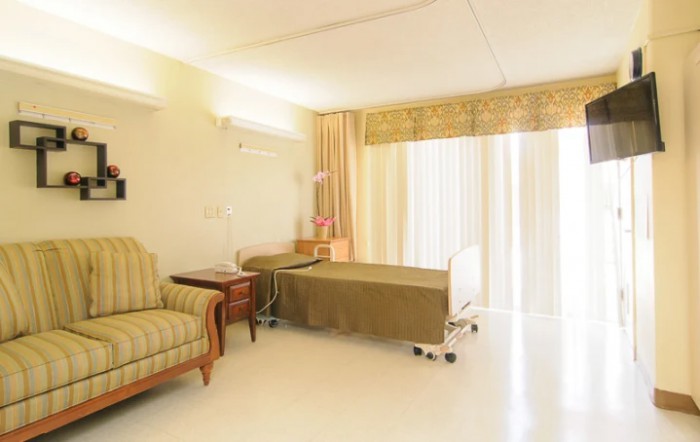
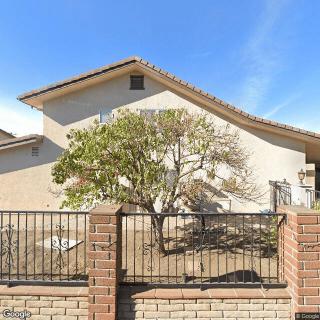
12200 La Mirada Boulevard, La Mirada, CA 90638
For more information about senior living options: (866) 208-4318
Overall Review of Mirada Hills Rehabilitation And Conv Hospital
Pros
 Staying there has been a blessing; it helped the reviewer find a calling in elder care, and the staff’s happiness shows in their work.
 - The staff are taking wonderful care of the reviewer’s family member.
- The father recovered at Mirada Hills and received the best care from nurses and therapists, leaving him happy and comfortable.
- The facility was clean and fresh, and the personnel were friendly at all times.
- The speech therapist was proactive and caring, consistently advocating for the patient’s needs.
- Mirada Hills was one of the better nursing homes the family visited, and they would highly recommend it.
Cons
 The nursing care at the facility is unacceptable.
- The staff failed to set up a suction pump and did not monitor care, leaving the patient without necessary equipment.
- A nurse did not administer insulin for an entire day, with no backup coverage when emergencies occurred.
- It seems there is no system to ensure nursing staff coverage, so some patients are left without care.
- Clothes and personal belongings brought in were lost and never recovered.
- The front office and social worker provided misinformation and were hostile and insensitive, signaling mismanagement.
- Some staff members do not wear gloves when handling biohazard waste.
- The facility is described as mismanaged, disorganized, and disgusting, with stench and an overall lack of dignity for patients.
Review
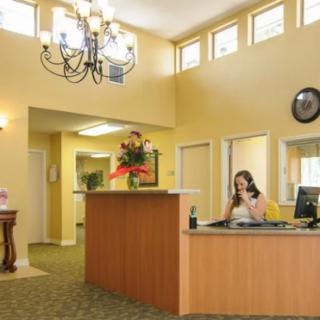
Mirada Hills Rehabilitation and Conv Hospital in La Mirada is best suited for families that can play an active oversight role in post-acute recovery and are prioritizing a therapy-forward environment. For residents recovering from a stroke, surgery, or other acute events, the facility can deliver meaningful progress when family members stay engaged, ask the right questions, and push for timely therapy and clear care plans. The environment can feel welcoming, the grounds and rooms are clean, and several therapists and nurses bring genuine dedication to resident improvement. When the stars align, therapy teams coordinating well with families and attentive aides, the stay can be productive and even reassuring for those accustomed to hands-on involvement.
However, Mirada Hills is not an ideal match for anyone who cannot commit to vigilant medical oversight. The most consequential risk for this community is inconsistent medical management and gaps in routine nursing coverage. Multiple accounts describe lapses in basic care tasks, such as missed medication passes, delayed glucose checks, and confusion about which nurse is on duty. For residents with diabetes or complex medical needs, these failures can translate into dangerous swings in health status. The fear is not merely an isolated incident but a pattern that emerges in several reviews, with reports of back-to-back shift changes and backlogged tasks leaving families scrambling to intervene. In short, access to reliable, proactive medical management is non-negotiable here, and if that access is uncertain, alternatives deserve serious consideration.
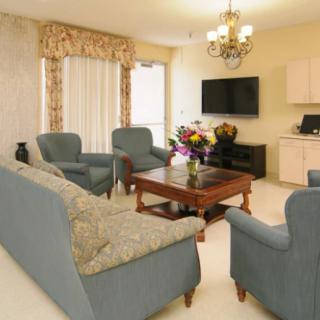
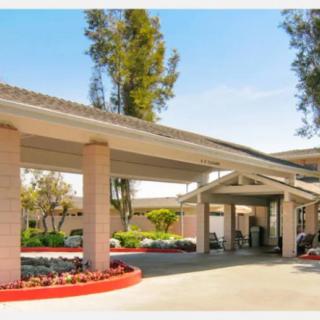
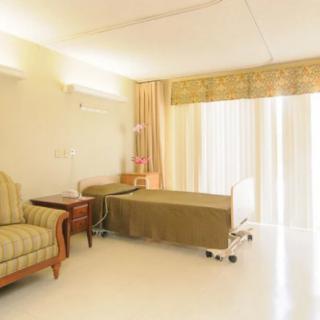
The strongest positives center on therapy-driven recovery and a generally tidy, patient-friendly setting. When the therapy staff is engaged, residents often make tangible gains in mobility, swallowing, and communication, with the speech therapist singled out for advocacy and proactive care. Several testimonies praise the quality of the rehabilitation team and the level of personal attention from therapists and activity staff. In these moments, the facility demonstrates its core value: a path to regained function through focused, hands-on rehabilitation. The rooms and common areas frequently come across as well maintained, and some families report that their loved ones were content with the care they received during the most intense phases of rehab. These strengths matter a great deal when choosing a post-acute option, because recovery hinges not on bricks and mortar alone but on the consistency and empathy of clinicians who push progress.
Yet the mixed experiences across reviews cannot be ignored. On the negative side, reports paint a picture of mismanagement, unhelpful front-office interactions, and a perception that administrative bottlenecks hinder timely care. Families recount being given misinformation, feeling dismissed, or facing bureaucratic delays that complicate simple requests. The perception of disengaged or inconsistent leadership bleeds into daily life, from difficulty coordinating with a resident’s personal physician to uncertainty about staff responsibilities during shifts. Even when some front-line staff are kind and capable, the overarching sense of disorganization erodes confidence in the facility’s ability to deliver reliable, coordinated care over time. This tapestry of competence and chaos makes the decision to enroll a highly individualized gamble.
Care experiences vary widely from resident to resident. Some families highlight moments when nurses and aides demonstrated warmth and professionalism, and a few patients recovered well enough to discharge with confidence in the team. Others describe a stark contrast: rude interactions, fear of biologically hazardous waste handling, and a sense that basic respect or dignity was unevenly demonstrated. The facility’s potential is real, but it requires engaged families to compensate for systemic gaps. Prospective residents should weigh these divergent stories against the backdrop of their loved one’s needs. If a smooth, predictable medical routine is non-negotiable, the risk calculus leans toward caution. If therapy-driven rehab with active family involvement is the priority, Mirada Hills can be a workable option, provided oversight remains intentional and persistent.
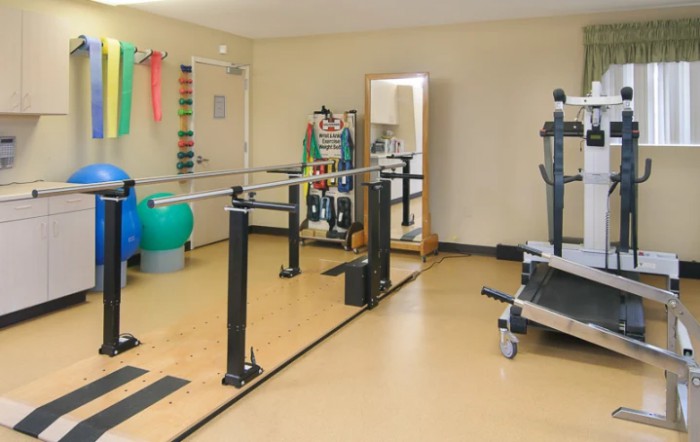
For families moving forward, the practical path is clear. Seek a transparent, direct conversation about nurse-to-patient ratios, medication administration protocols, and the mechanism for supervising transitions to the on-call medical team. Request a meet-and-greet with the director of nursing, review the most recent incident reports, and observe a typical day to gauge responsiveness around care requests. Verify specific diabetes management practices, including timing and delegation of insulin administration, and ask to see examples of meals, therapy schedules, and the rehab gym’s utilization by various therapy disciplines. Before committing, insist on a plan for ongoing family communication, daily updates, a designated point person, and a clear escalation protocol for urgent concerns. Experience will vary, but these checks turn uncertainty into a manageable map.
Ultimately, Mirada Hills can serve as a credible option for families who can stay closely involved and who prize robust rehabilitation services. The strongest value arises when therapy teams are cohesive, care plans are clear, and family members are welcomed into the routine as active partners. For those who require unwavering, drop-in-ready medical oversight, or for residents with complex medical needs that demand high reliability and rapid physician access, alternative facilities with proven nursing stability and smoother administrative operations should be pursued. If Mirada Hills is chosen, a disciplined, proactive stance is essential: maintain open lines of communication, verify every med pass, and insist on consistent nursing coverage. In the right hands, Mirada Hills can deliver meaningful recovery; in the absence of rigorous oversight, the cons steadily undermine the potential gains.
 142 resident community capacity
 Skilled Nursing Facility
 Air-conditioning
 Beauty salon
 Cable or satellite TV
 Computer center
 Dining room
 Fitness room
 Fully furnished
 Gaming room
 Garden
 Housekeeping services
 Kitchenette
 Move-in coordination
 Outdoor space
 Private bathrooms
 Restaurant-style dining
 Small library
 Telephone
 Wellness center
 Wi-Fi/high-speed internet available
 Long Beach (Daugherty) (11 miles away)
 Community operated transportation
 12-16 hour nursing
 24-hour call system
 Activities of daily living assistance
 Assistance with bathing
 Assistance with dressing
 Assistance with transfers
 Diabetes diet
 Medication management
 Mental wellness program
 Special dietary restrictions
 Concierge services
 Planned day trips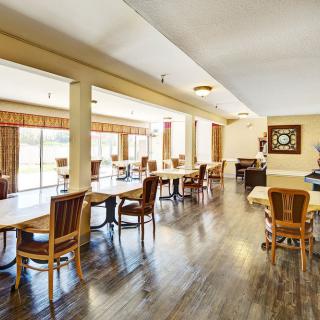



 Weight Training for Seniors: Building Strength and Vitality
 Understanding the Sandwich Generation: Stress and Responsibilities for Multigenerational Caregivers
 8 Essential Assistive Devices for Older Adults