
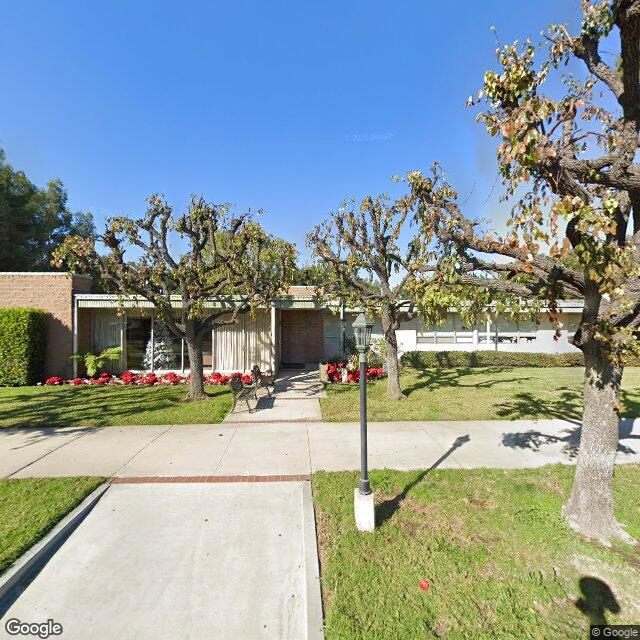
555 El Encanto Rd, City of Industry, CA 91745
To contact a resident: (626) 336-1274
For more information about senior living options: (866) 208-4318
Overall Review of El Encanto Healthcare & Rehabilitation
Pros
 The facility provided exemplary support and care.
- The facility was always very clean.
- The physical and occupational therapists were amazing.
- The nursing staff helped the patient recover swiftly.
- Alma and Noelia provided exceptional care.
- The team cared deeply for their patients and offered compassion and encouragement.
- The staff kept residents clean and happy, administered medications on time, and kept the family informed.
- The facility decorated for holidays and hosted joyful events that residents enjoyed.
Cons
 The nurses are rude and don’t care about the patients.
- The CNA was nasty and rude; she should not be working with vulnerable people.
- The staff put the caller on hold and then transferred the call to a machine.
- The staff were inattentive and delayed care for patients.
- A nurse yelled 'eres latoso' at a patient.
- There were rude CNAs and staff who were indifferent or irresponsible.
- The life partner was kept doped up, unable to talk during the last days.
Review
El Encanto Healthcare & Rehabilitation in City of Industry is best suited for families prioritizing strong post-acute rehabilitation in a clean, engaged environment, where active therapy teams and a well-maintained facility drive recovery. The facility earns praise for its rehabilitation outcomes, with residents recovering mobility and function under dedicated physical and occupational therapy, and for creating a calm, family-friendly atmosphere that allows loved ones to be involved in care planning. The reviewers consistently point to a clean campus, visible activities, and a climate that feels supportive for recovery after surgery, amputation, or neurological setbacks. For families focusing on meaningful progress in rehab and a setting that rewards regular visitation and involvement, this community regularly delivers with tangible results.
Those who may want to consider alternatives are primarily families that require near-constant bedside attentiveness or who cannot tolerate significant variability in staff interactions. Several reviews flag inconsistent bedside care and occasional rude behavior from CNAs and some nurses, which can translate into delays or gaps in supervision. For families prioritizing uniformly warm bedside service and immediate responsiveness, the variability noted across shifts and units suggests exploring other options. Additionally, residents with very high monitoring needs or those seeking a more tightly coordinated hospice experience may find this community’s mix of staff dynamics and resource allocation less predictable.
On balance, the positive nursing and therapy staff, the cleanliness, and the vibrant rehab culture help offset most of the prominent cons. The strongest offset comes from the rehab team’s depth and consistency, therapists and nursing aides who demonstrate genuine care and competence, delivering clear progress and reliable scheduling. Families repeatedly highlight therapists by name for their effectiveness, and they applaud how well the team communicates with families, keeps residents clean and comfortable, and administers medications on time. When the core goal is recovery and the resident responds well to structured therapy, these advantages often outweigh concerns about occasional bedside friction.
Where the drawbacks loom, they loom loudly enough to matter for certain profiles of resident. Short-staffing and uneven bedside attentiveness can create moments of frustration, particularly when urgent requests are delayed or when a patient’s distress goes unaddressed for a period. Some reviews recount encounters with rude or inattentive CNAs or miscommunications that rippled outward to families. There are also emotionally charged anecdotes related to end-of-life care where sedation and sedation-related decisions left families unsettled. Taken together, the cons suggest that experience at El Encanto can vary significantly by shift, unit, and individual staff, which makes consistent, predictable care less guaranteed than some families would prefer.
The key trade-off is clear: if rehabilitation progress and a welcoming, activity-rich environment are the primary needs, El Encanto’s strengths can render it a compelling choice, especially when therapy teams are actively engaged and the family can partner with staff. If, however, reliable, uniformly warm bedside care and seamless, round-the-clock monitoring are non-negotiable, the cons are sufficiently material to warrant a careful comparison with other local options. Prospective buyers should weigh the likelihood of robust therapy-driven recovery against the potential for inconsistent bedside responsiveness, and they should verify current staffing patterns and unit-specific dynamics during visits.
In practical terms, El Encanto is a practical, results-focused option for families pursuing post-acute rehabilitation with a strong emphasis on cleanliness, routine, and family involvement. It is less ideal for those who require near-perfect, always-on bedside warmth and coordination. Tour carefully with a checklist: observe therapy sessions, assess how quickly aides respond to call bells, ask about staff-to-resident ratios on the units you’d use, and speak with both administrators and direct-care staff about typical shifts. If the rehabilitation trajectory matters most and the family can tolerate some variability in non-therapeutic care, El Encanto often stands up as a reliable, capable partner in recovery.
 Skilled Nursing Facility
 Long Beach (Daugherty) (18 miles away)



 Effective Strategies for Keeping Seniors' Minds Active: A Deep Dive into Brain Games and Apps
 In-Depth Look at the VA Aid and Attendance Program
 Nurturing Our Loved Ones: A Daughter's Journey in Caring for Her Mother