Citrus Nursing Center in Fontana, CA

Save

  • Interior

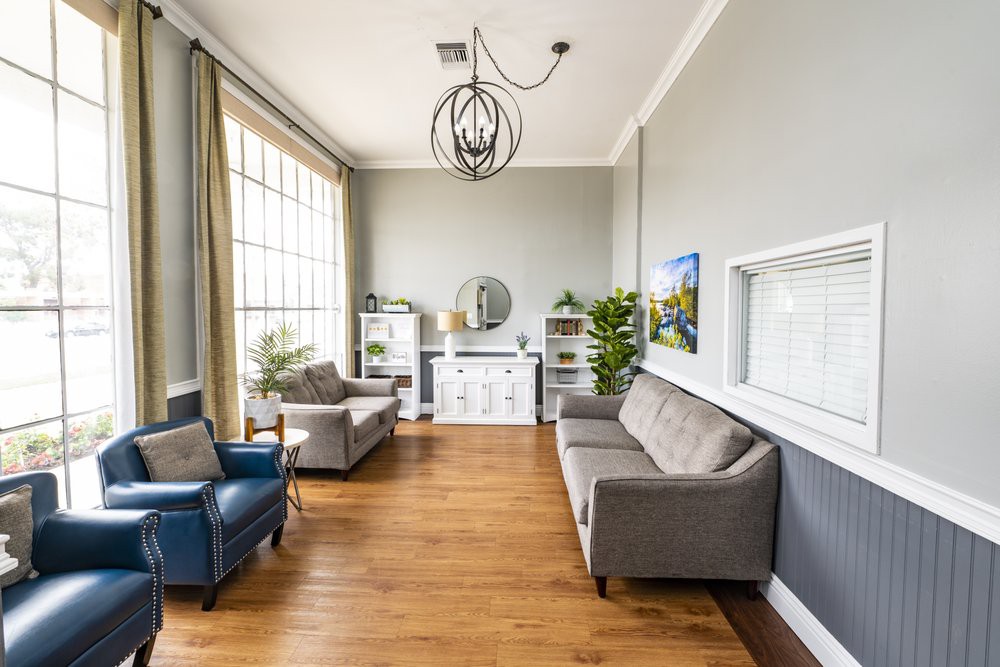
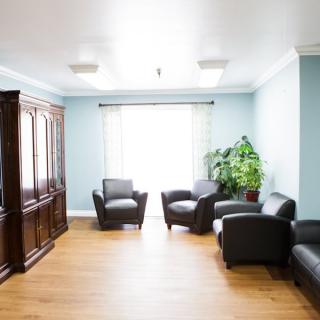
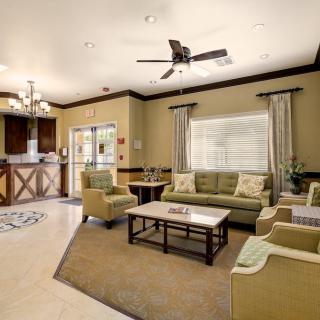
    A modern living room with stylish furniture, large windows, and a chandelier.
  • Outdoors

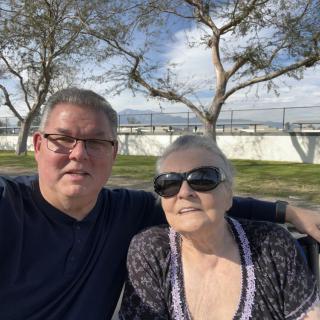
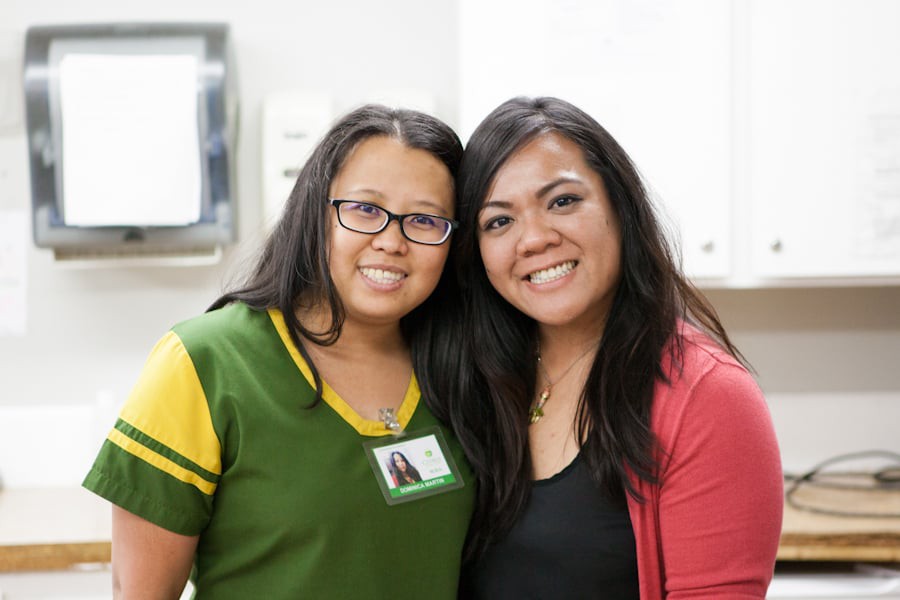
    A selfie of two people enjoying a sunny day outside.
  • Decor

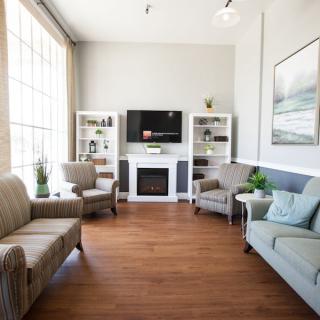
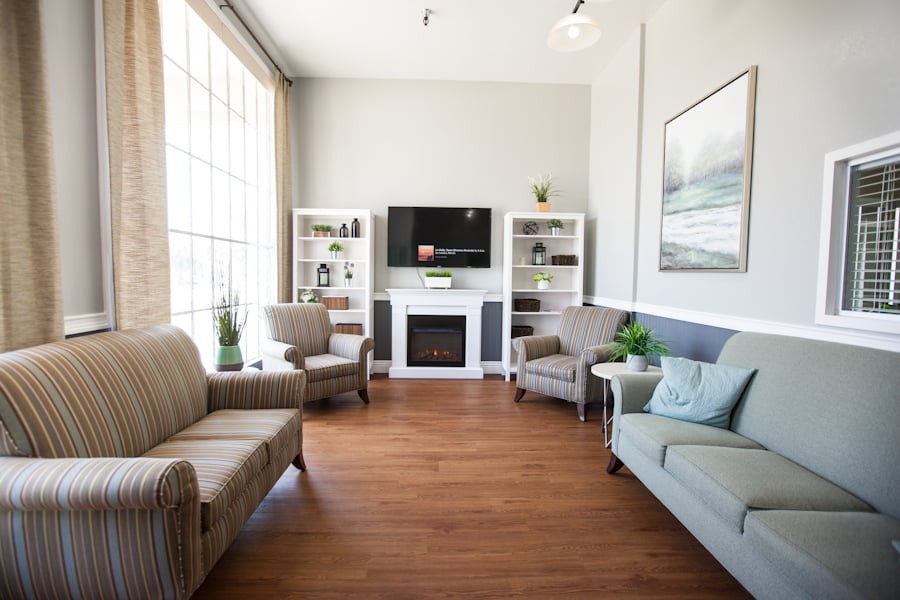
    A cozy living room featuring comfortable seating, a television above a fireplace, and bookshelves with decorative items.
  • Living Room

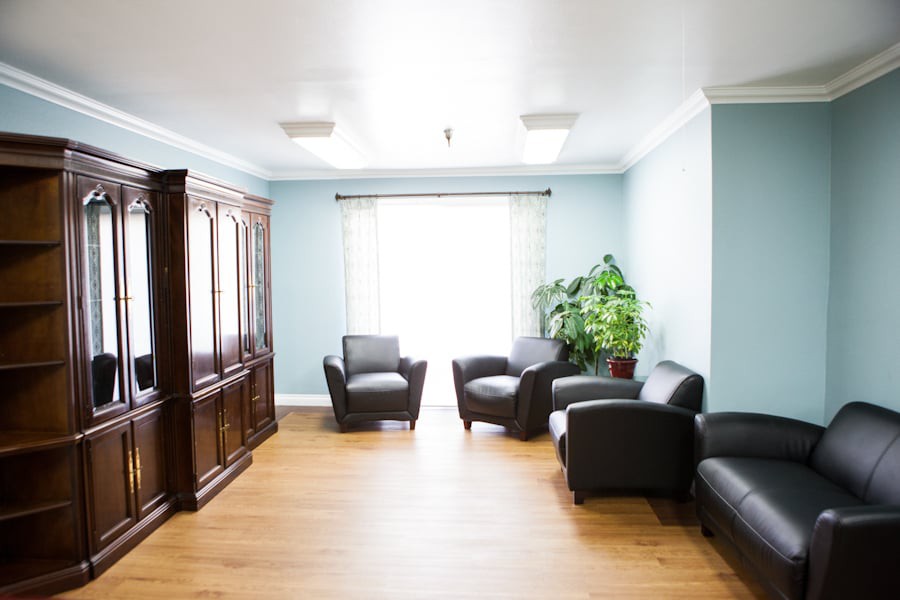
    A modern living room with comfortable seating and natural light.
  • Building

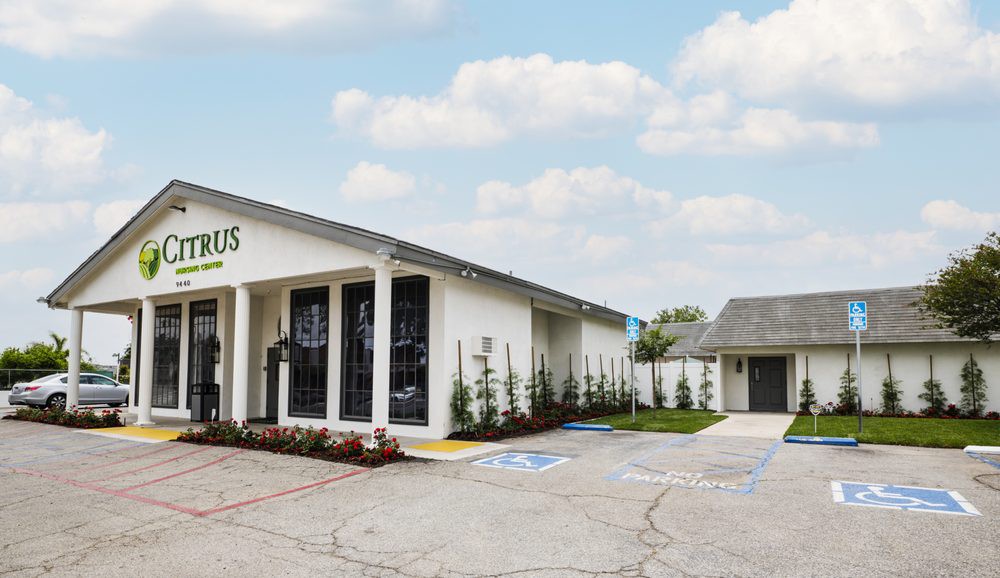
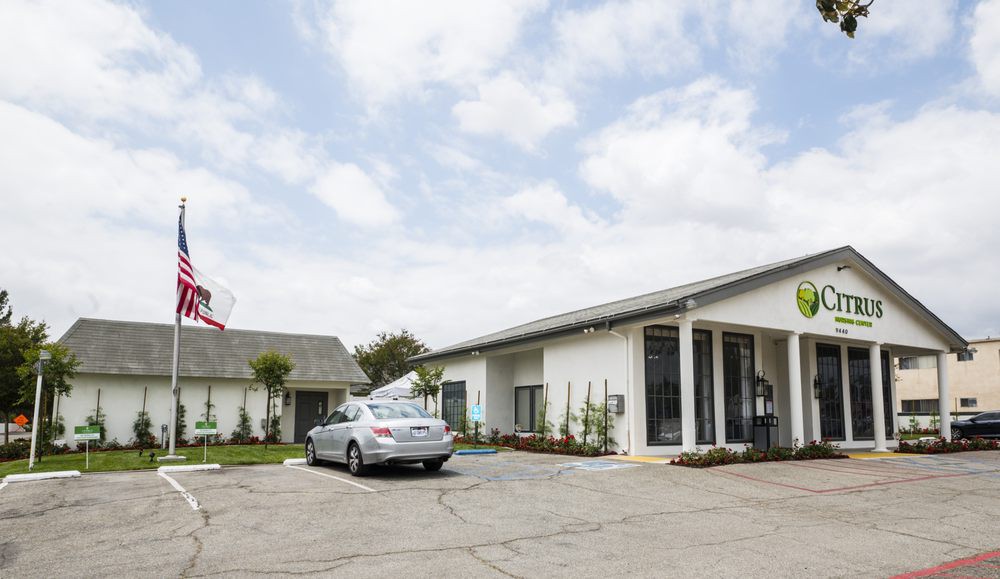
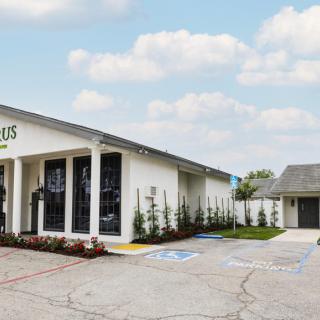
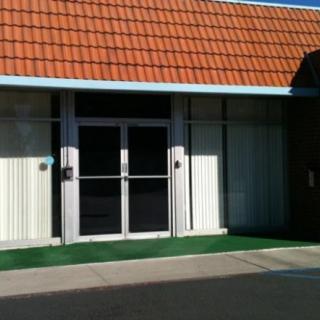
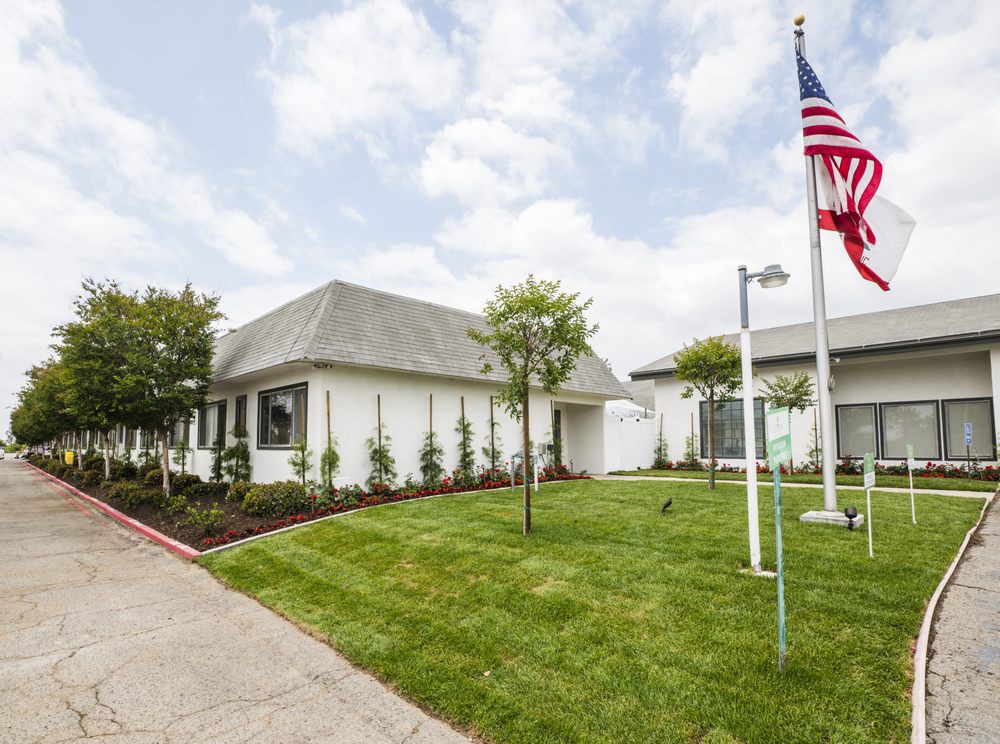
    A commercial building with a parking lot in front on a cloudy day.
  • Trees

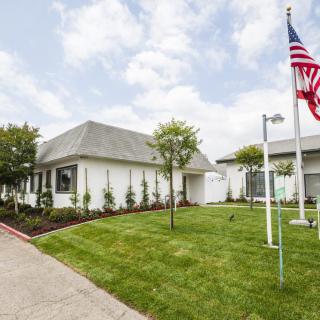
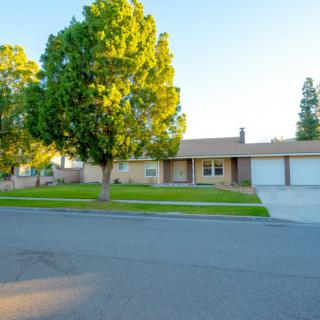
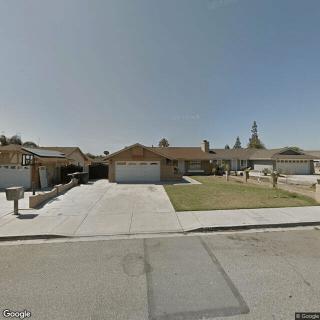
    A suburban house with a neatly maintained lawn and an American flag displayed outside.
  • Landscaping

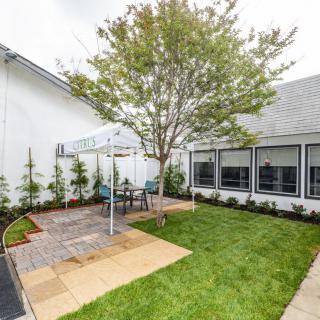
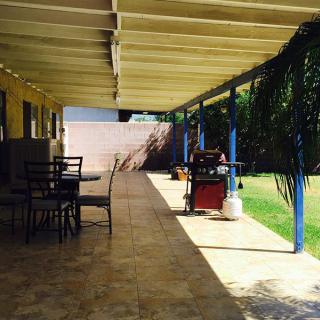
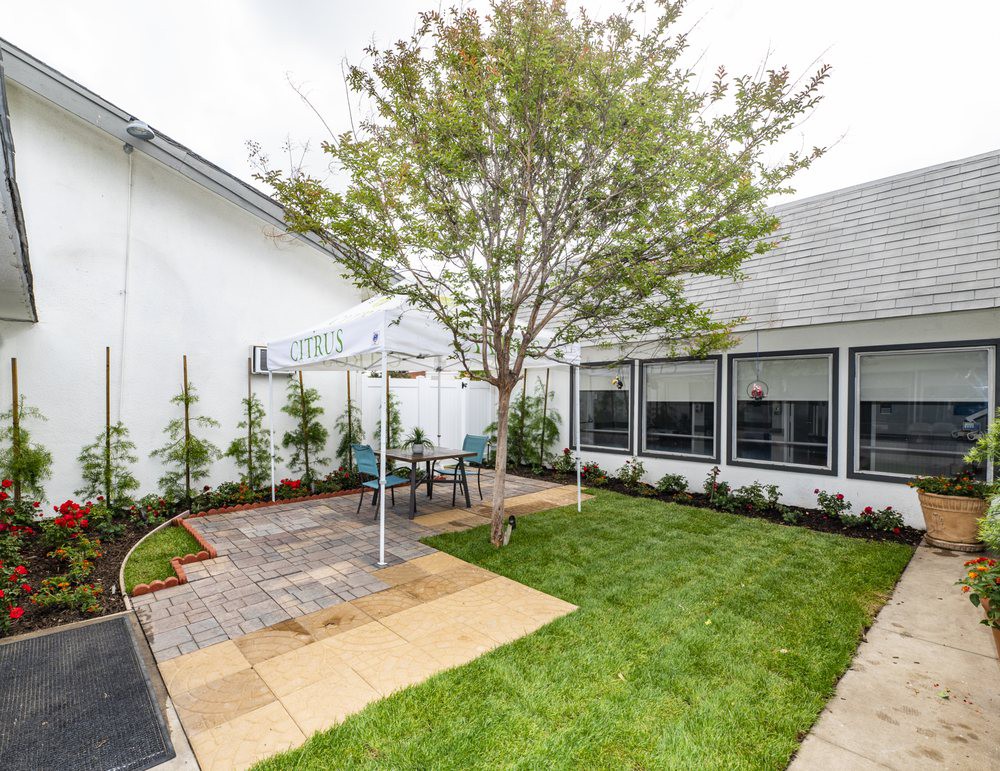
    A backyard garden with a patio area and outdoor seating under a tree.
  • Lighting

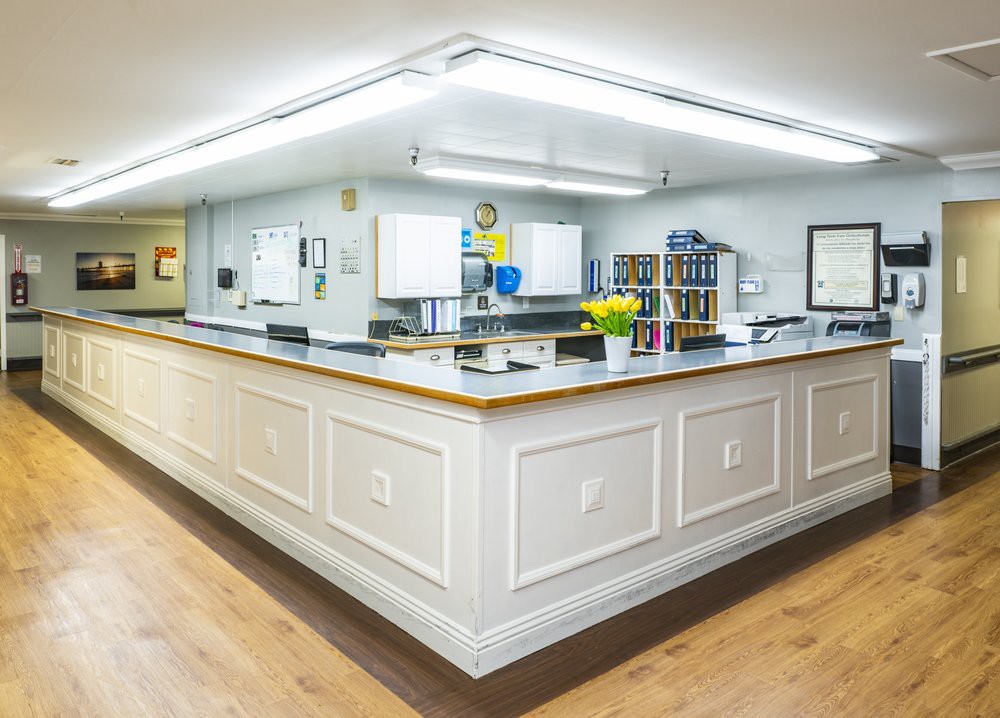
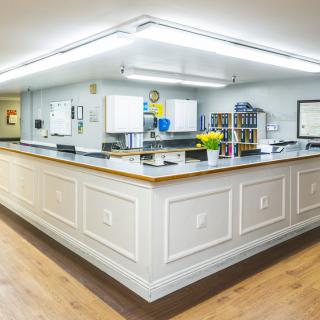
    A well-lit reception area with a central desk and organized workspace.
  • Garden

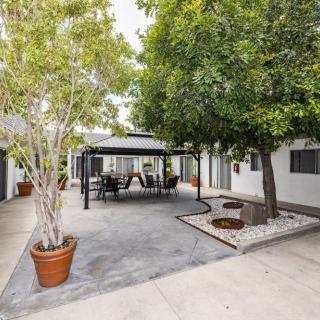
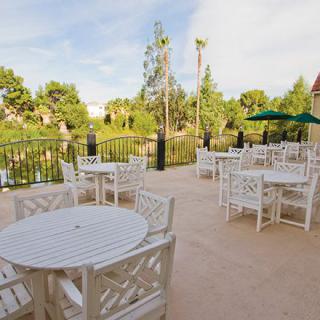
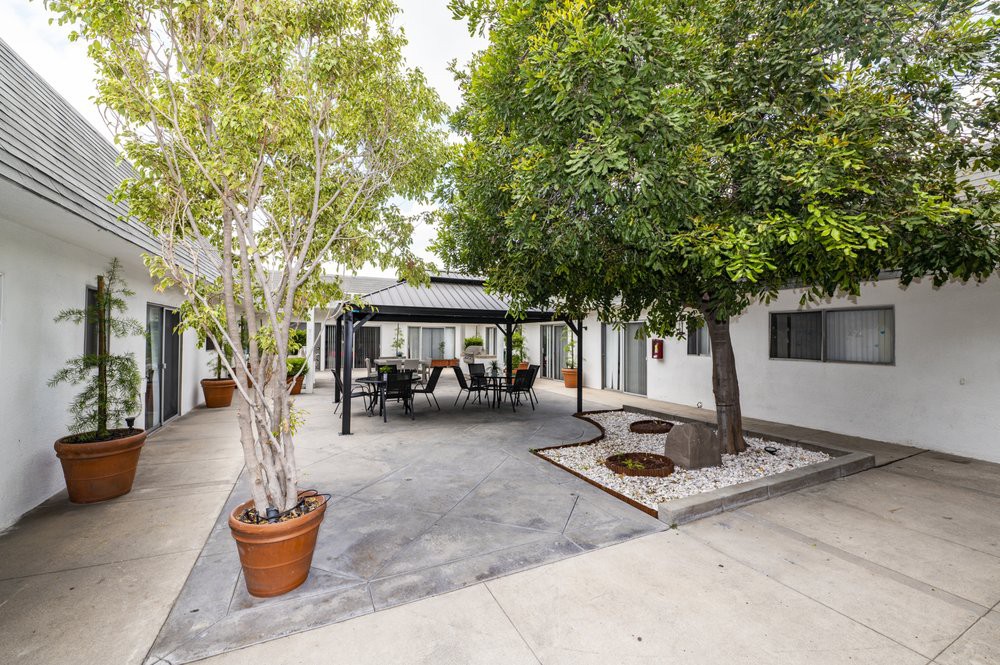
    A tranquil outdoor patio area with a gazebo, surrounded by trees and equipped with seating furniture.
  • Bathroom

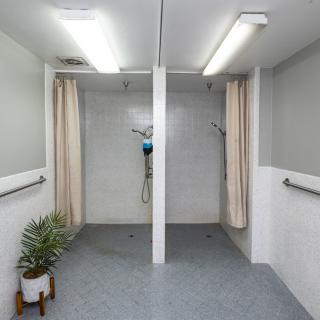
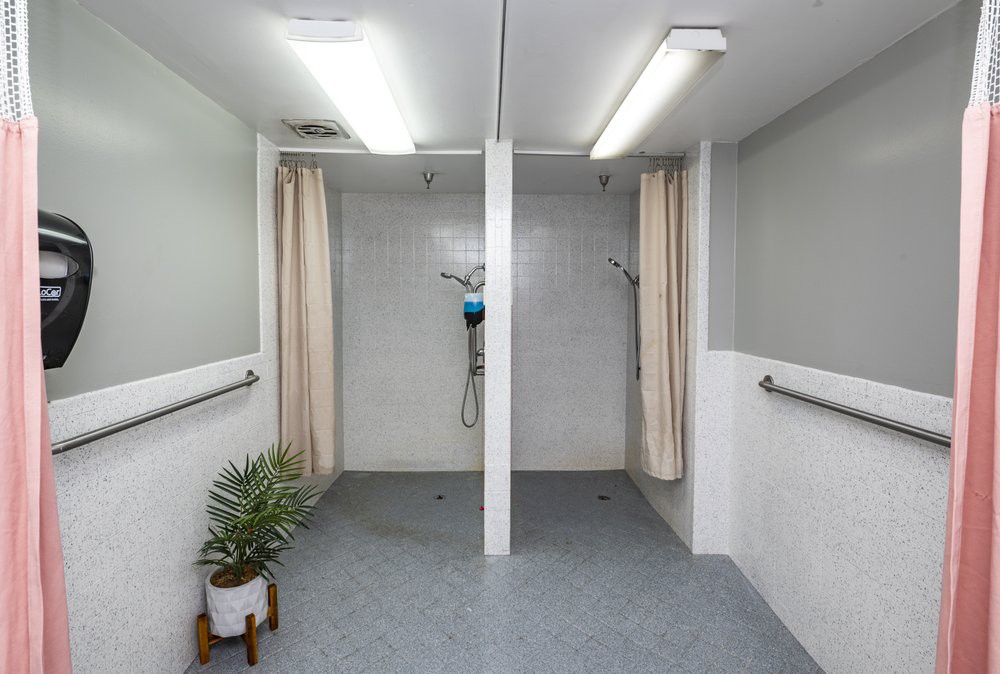
    A clean, tiled shower area with two stalls separated by curtains and adorned with a potted plant.
  • Cabinets

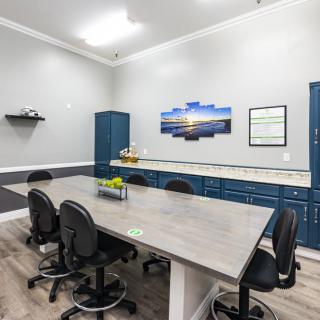
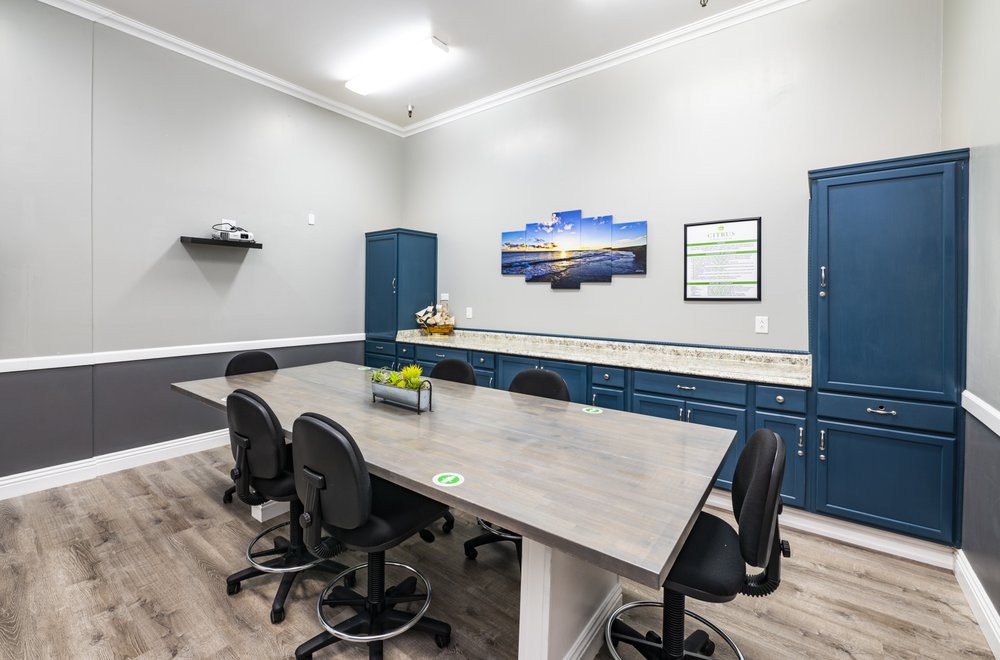
    A modern conference room with a long table, several chairs, and cabinets along the wall.
  • Hallway

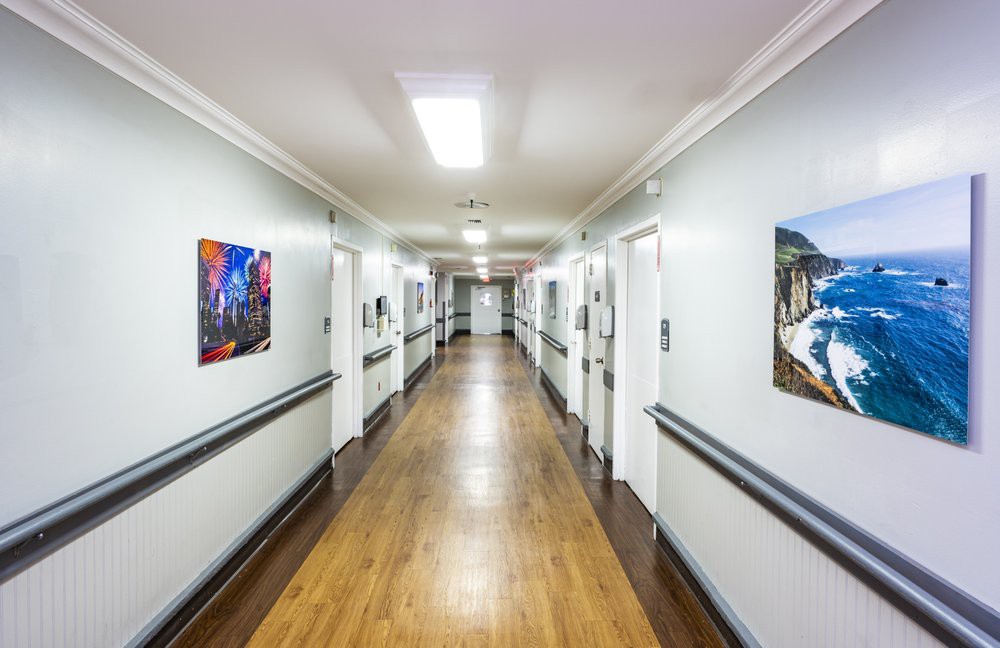
    A clean and well-lit hospital corridor adorned with artwork on the walls.
  • Office

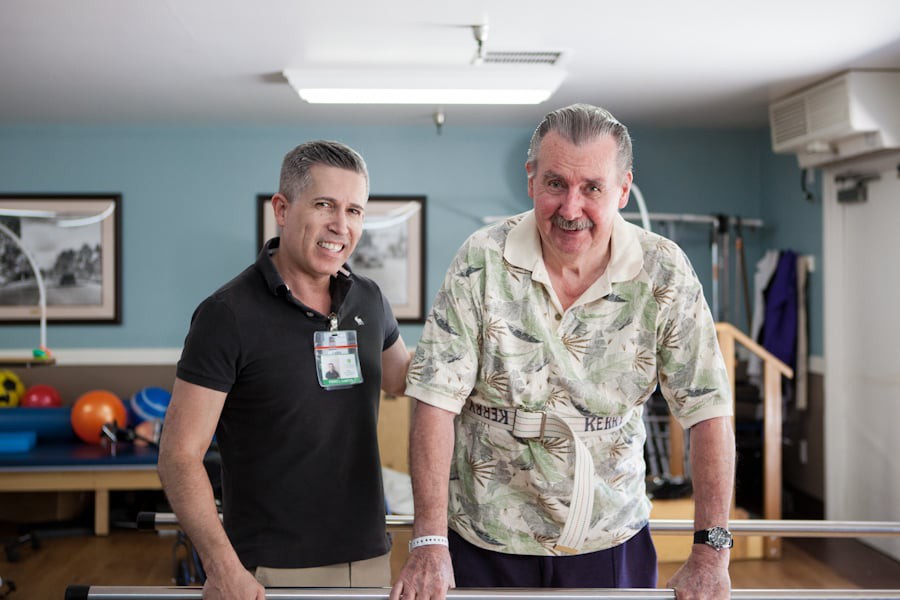
    Two professionals smiling in an office setting.
  • Healthcare

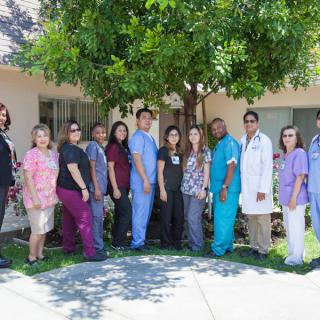
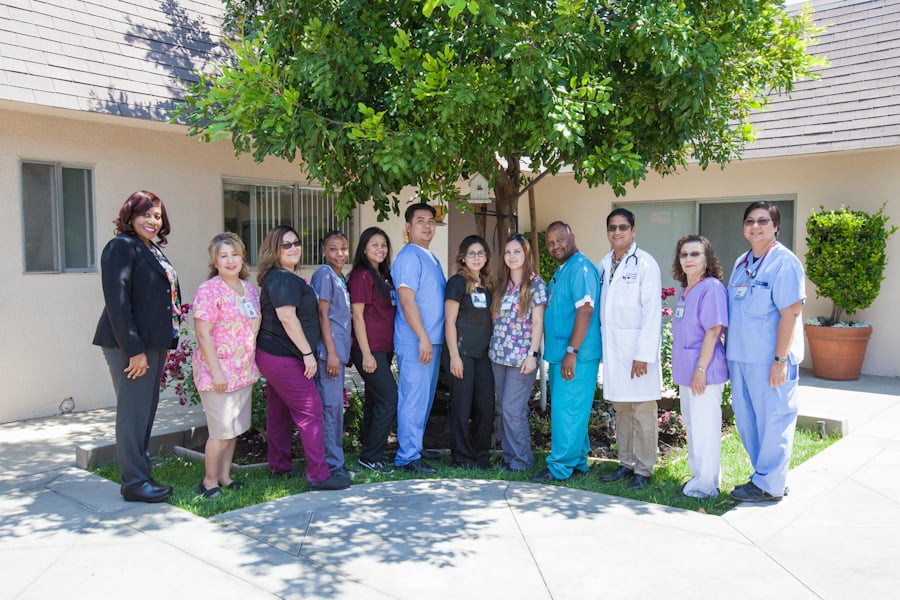
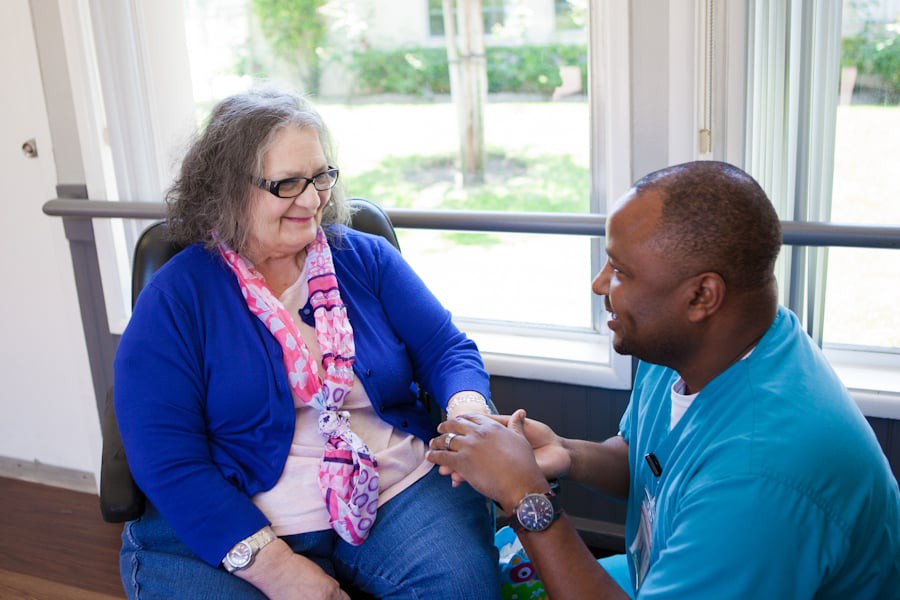
    A group of healthcare professionals standing outside in front of a building.

Citrus Nursing Center in Fontana, CA

Information last verified:

9440 Citrus Avenue, Fontana, CA 92335

For more information about senior living options: (844) 490-3973

3.1 from 64 reviews
5 stars
27
4 stars
7
3 stars
2
2 stars
2
1 stars
26

Overall Review of Citrus Nursing Center

Pros

  • pro The Citrus Nursing Center is described as awesome with fabulous staff who take good care of residents.
  • pro Destiny is portrayed as a caring CNA who helps with all essentials and shows genuine kindness.
  • pro Jessica Cintron goes above and beyond and reassures families about patients’ conditions.
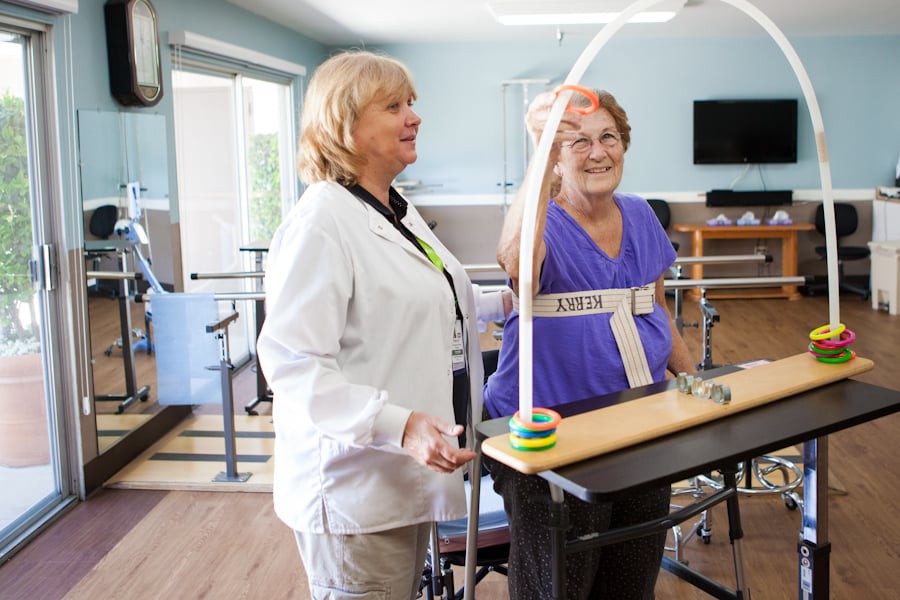
  • pro The therapy team is excellent and knowledgeable, supporting recovery and improvement.
  • pro The facility is clean, well-maintained, and organized, contributing to a positive rehab environment.
  • pro The nurses and aides are friendly, professional, and consistently available for residents.
  • pro The center provides a home-like environment where residents feel cared for and at ease.
  • pro The staff treats veterans with respect and ensures their needs are met.
  • pro Families report positive experiences and would recommend Citrus Nursing Center to others.

Cons

  • pro They describe Citrus Nursing Center as the worst rehab they’ve seen, with uncaring staff and no doctors on site.
  • pro They allege the nurses were unresponsive and rude, letting a patient cry for help for hours.
  • pro They report a patient going missing for 45 minutes and no family notification.
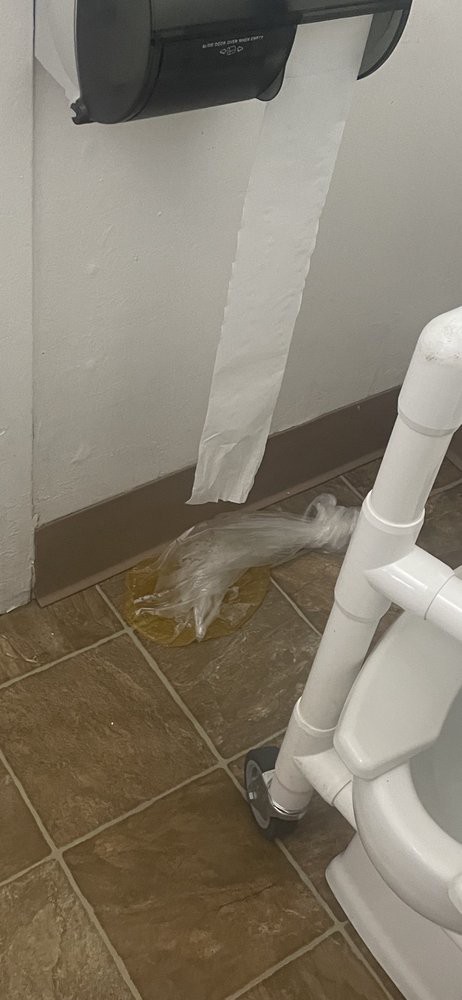
  • pro They say rooms smelled like urine and beds were left dirty.
  • pro They claim medications were misadministered and concerns were dismissed by staff.
  • pro They state patients were left sitting in feces for hours.
  • pro They describe days without food or sleep due to mistreatment.
  • pro They assert that the facility should not have a license to operate.
  • pro They report theft of clothes and belongings from residents.
  • pro They note staff were often on their phones and gossiping, neglecting residents.
  • pro They claim emergencies were not communicated promptly and 911 was not called in time.

Review

Citrus Nursing Center is best suited for older adults who need skilled nursing care with a clear emphasis on rehabilitation after surgery, stroke, or hospitalization. Across the positive reviews, the therapy team and the nursing staff emerge as the backbone: dedicated therapists who push progress, and CNAs who form meaningful connections with residents. When operations run smoothly, families report clean rooms, attentive aides, and a steady rhythm of therapy and daily assistance that supports a return to independence. The facility often feels like a practical bridge back to home for patients who can tolerate a busy, sometimes bustling environment, provided staffing remains reliable. In short, Citrus functions as a pragmatic choice for rehab-forward stays where measurable improvement, accessible therapists, and a bedside team capable of sustaining momentum make a tangible difference.

Those who should consider alternatives include residents with advanced dementia, wandering tendencies, or behaviors that require constant supervision. Several reviews warn that such individuals can slip through the cracks, with reports of patients going missing, being moved without families being notified, or not receiving timely help. Alarming anecdotes describe medication errors, delays in contacting emergency services, and inconsistent hygiene or sanitation conditions. Instances of under-staffing and communication breakdowns further complicate care, particularly on weekends or shifts with lean coverage. For families seeking a consistently safe, well-supervised setting with uniform oversight, there are enough red flags to justify exploring other communities with demonstrated stability and clearer escalation protocols.

How the positives balance the negatives is uneven and telling. The strongest case for Citrus rests on an active therapy program and frontline workers who earn praise for compassion and attentiveness. Residents commend physical therapy, attentive nurses, and CNAs who remember personal histories and go the extra mile to reassure families. Bilingual staff and an administrator team that responds to concerns can make a meaningful difference in daily experiences. Yet these strengths are tempered by ongoing concerns about staffing levels, inconsistent care, and occasional neglect claims that undermine trust. There are anecdotes of critical gaps, delays in care, rooms with odors, lost clothing, and disjointed discharge planning, that counterbalance the many kind words. The result is a facility capable of high performance for many residents, but one whose reliability depends heavily on the day and the shift.

Before making a commitment, families should pursue concrete, practical steps when evaluating Citrus. Prioritize a comprehensive tour at different times to observe responsiveness and housekeeping, and request current staffing ratios as well as the therapy lead, nurse manager, and social services liaison. Inspect hygiene practices in real time, and probe how medication administration, wound care, and feeding are managed, especially for those with swallowing difficulties or dietary restrictions. Review care plans for residents with dementia to confirm clear escalation protocols for after-hours concerns. It helps to speak with current families or residents and to request a short trial period to assess consistency of care, communication, and the facility’s ability to meet nutrition, mobility, and safety goals.

A pragmatic decision framework centers on rehab versus long-term care. If rehab is the priority, measure progress against objective goals: mobility gains, wound healing, and discharge readiness, and verify that therapists coordinate with discharge planners. If long-term care is anticipated, demand predictable staffing, daily living support, and robust incident reporting. Realistic expectations matter: some days will be busy, calls may come with a delay, and personal belongings can go missing. Nevertheless, a well-run facility should address concerns promptly with transparent explanations. Families should prepare a contingency plan and keep alternative options in mind, including home health services or nearby facilities with stronger safety records. The core metric remains consistency: sustained communication, steady staffing, and rapid problem resolution.

Bottom line: Citrus Nursing Center can deliver meaningful rehab outcomes and, for many residents, compassionate daily care, but the spectrum of experiences makes it unsuitable as a universal choice. It is worth serious consideration for families prioritizing short-term recovery with accessible therapists and a hands-on nursing team, provided due diligence is done and specific questions are answered in advance. For those with dementia, high care needs, or an expectation of unwavering safety and consistent staffing, alternatives with clearer oversight and dedicated memory-care capabilities should be on the short list. The prudent path combines a candid facility visit, direct conversations about staffing and response times, and a time-bound trial to determine whether the Citrus experience translates into reliable, respectful care for the loved one.

Features

Housing

  • 99 resident community capacity 99 resident community capacity

Types of Care

  • Skilled Nursing Facility Skilled Nursing FacilitySkilled Nursing Facilities are crucial for seniors as they provide round-the-clock medical care, rehabilitation services, and assistance with daily activities. These facilities ensure that seniors receive the specialized care they need to maintain their health and well-being as they age.

Amenities

  • Air-conditioning Air-conditioningAir conditioning is important for seniors as they are more vulnerable to heat-related illnesses and may have underlying health conditions that make it difficult for them to regulate their body temperature. It helps to keep them comfortable, safe, and healthy in hot weather.
  • Beauty salon Beauty salonBeauty salons are important for seniors because they provide a space for them to feel pampered, socialize, and maintain their personal grooming and hygiene. Regular visits to a beauty salon can help boost seniors' self-esteem and overall well-being.
  • Cable or satellite TV Cable or satellite TVCable or satellite TV is important for seniors because it provides entertainment, news, and companionship, helping to combat loneliness and boredom. It also offers a wide range of programming options tailored to different interests and preferences.
  • Computer center Computer centerA computer center is essential for seniors as it provides access to technology, communication tools, and resources that can enhance their daily lives. It allows them to stay connected with loved ones, engage in online activities, and learn new skills, ultimately promoting socialization and mental stimulation.
  • Dining room Dining roomDining rooms are important for seniors as they provide a space for socialization, connection, and nutritious meals. They offer opportunities for residents to bond over shared meals, foster a sense of community, and promote healthy eating habits. Dining rooms also ensure that seniors have access to well-balanced meals tailored to their dietary needs and preferences.
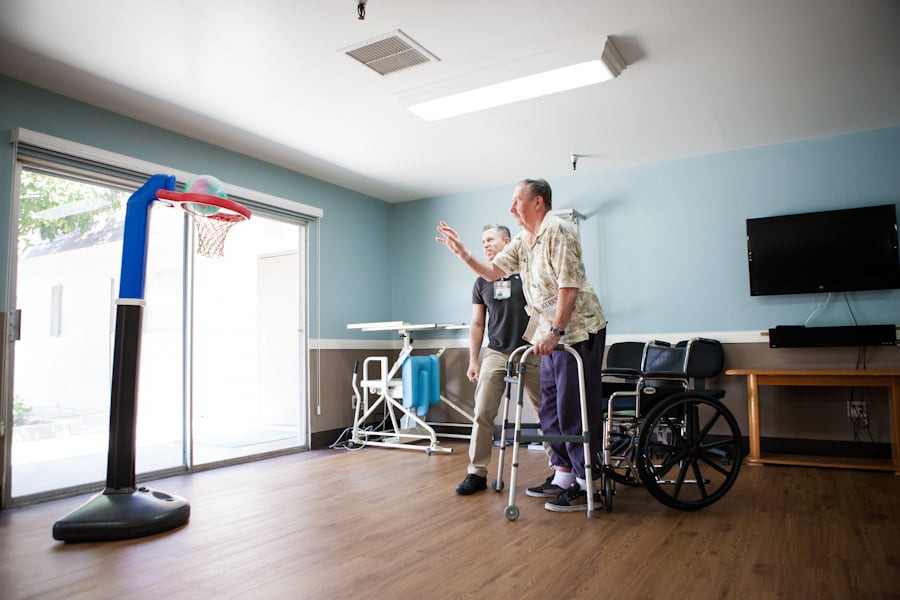
  • Fitness room Fitness roomHaving a fitness room in a senior living community is essential for seniors to stay active, maintain their physical health, and improve their overall well-being. Regular exercise can help prevent falls, reduce the risk of chronic diseases, and promote mental sharpness. It also provides social opportunities for residents to connect with others and enjoy a sense of community.
  • Fully furnished Fully furnishedFully furnished senior living communities are important for seniors because they provide convenience, comfort, and a hassle-free moving experience. Seniors can easily settle into their new living space without the stress of having to buy and move furniture. This allows them to focus on enjoying their new home and community.
  • Gaming room Gaming roomGaming rooms are important for seniors as they provide a fun and engaging environment for socializing, cognitive stimulation, and physical activity. Games can improve memory, problem-solving skills, and overall mental well-being while fostering friendships and reducing feelings of isolation.
  • Garden GardenGardens are important for seniors as they provide a peaceful and therapeutic environment for relaxation, physical activity, and socialization. Being in nature has been shown to reduce stress, improve mood, and promote overall well-being. Gardens also offer opportunities for seniors to engage in gardening activities, which can improve mobility, flexibility, and cognitive function. Additionally, gardens create a sense of community and connection with others who share a passion for plants and outdoor spaces.
  • Housekeeping services Housekeeping servicesHousekeeping services are important for seniors because they help maintain a clean and safe living environment, promote independence, and reduce the risk of accidents or illnesses. Additionally, having assistance with household chores can alleviate physical strain and allow seniors to focus on other aspects of their well-being.
  • Kitchenette KitchenetteKitchenettes are important for seniors living in senior living communities because they provide the convenience and independence of being able to prepare simple meals and snacks in the comfort of their own living space. This can help promote a sense of autonomy and well-being for seniors, allowing them to maintain some level of control over their dietary choices and daily routines.
  • Move-in coordination Move-in coordinationMove-in coordination is important for seniors because it helps ease the transition into their new living environment. It ensures that all logistics, such as packing, organizing movers, and setting up utilities are taken care of, allowing seniors to focus on settling in and adjusting to their new home. Having a smooth move-in process can alleviate stress and anxiety, making the transition smoother and more enjoyable for seniors.
  • Outdoor space Outdoor spaceOutdoor spaces are important for seniors as they provide opportunities for physical activity, social interaction, exposure to natural light and fresh air, and a sense of connection to nature. Having access to outdoor spaces can improve overall well-being and quality of life for older adults living in senior communities.
  • Private bathrooms Private bathroomsPrivate bathrooms are important for seniors in senior living communities because they provide independence, dignity, and comfort. Having a private bathroom allows seniors to maintain their personal hygiene routines without the need for assistance, promoting a sense of autonomy and privacy. Additionally, private bathrooms help prevent the spread of infections and provide a safe and clean environment for seniors to navigate safely.
  • Restaurant-style dining Restaurant-style diningRestaurant-style dining is important for seniors because it allows them to enjoy delicious, nutritious meals in a social and upscale setting. This enhances their dining experience, promotes healthy eating habits, and fosters socialization with fellow residents, ultimately contributing to their overall well-being and quality of life.
  • Small library Small librarySmall libraries are important for seniors as they provide access to a variety of reading materials, including books, newspapers, and magazines. This can help stimulate their minds, keep them engaged, and provide a sense of community through book clubs and other social activities. Additionally, reading has been shown to improve cognitive function and overall mental well-being in older adults.
  • Telephone TelephoneTelephones are important for seniors as they provide a lifeline for communication with loved ones, emergency services, and healthcare providers. They offer a sense of security and independence, enabling seniors to stay connected and access assistance when needed.
  • Wellness center Wellness centerWellness centers are important for seniors because they offer a variety of programs and services that promote physical, mental, and emotional well-being. These centers provide opportunities for exercise, socialization, education, and relaxation, helping seniors maintain their overall health and quality of life.
  • Wi-Fi/high-speed internet available Wi-Fi/high-speed internet availableWi-Fi/high-speed internet is important for seniors to stay connected with loved ones, access online resources, and participate in virtual activities to combat feelings of loneliness and isolation. It also allows them to easily manage healthcare needs, access entertainment, and engage in lifelong learning opportunities.

Transportation

  • Ontario International (9 miles away) Ontario International (9 miles away)
  • Community operated transportation Community operated transportationCommunity operated transportation is crucial for seniors as it provides them with the means to access essential services, social activities, and medical appointments. It allows seniors to maintain their independence and quality of life by ensuring they can participate in activities outside of their homes. Additionally, community-operated transportation services offer a safe and reliable way for seniors to travel without having to rely on family or friends for assistance.
  • Transportation arrangement Transportation arrangementTransportation arrangements are crucial for seniors as they may face challenges with driving, mobility, or access to public transportation. Having reliable transportation services ensures that seniors can easily attend appointments, social activities, and maintain their independence and quality of life.
  • Transportation arrangement (non-medical) Transportation arrangement (non-medical)Transportation arrangements are essential for seniors as they provide access to essential services, activities, and social interactions outside the home. This service helps maintain independence, mobility, and overall well-being for seniors who may have limited transportation options.
  • Transportation to doctors appointments Transportation to doctors appointmentsTransportation to doctors appointments is crucial for seniors as it ensures they have access to necessary medical care and support, promoting their health and well-being. It allows them to receive timely treatment, monitor existing conditions, and address any new health concerns efficiently. Additionally, transportation services can help seniors maintain their independence and quality of life by enabling them to stay connected with their healthcare providers.

Care Services

  • 12-16 hour nursing 12-16 hour nursing12-16 hour nursing care is crucial for seniors in order to ensure around-the-clock monitoring, timely medication administration, and prompt response to any health concerns or emergencies. This level of care helps to promote the overall well-being and safety of seniors living in senior living communities.
  • 24-hour call system 24-hour call system24-hour call systems are important for seniors because they provide peace of mind and immediate assistance in case of emergencies. This technology ensures that help is always available, promoting safety and security for elderly individuals living alone or in assisted living facilities.
  • 24-hour supervision 24-hour supervision24-hour supervision is important for seniors to ensure their safety, well-being, and access to immediate assistance in case of emergencies or health issues. This constant support provides peace of mind for both seniors and their loved ones, allowing them to age in place with dignity and security.
  • Activities of daily living assistance Activities of daily living assistanceActivities of daily living assistance are important for seniors because they provide essential support with tasks such as eating, bathing, dressing, and mobility. This assistance helps seniors maintain their independence, dignity, and overall quality of life as they age.
  • Assistance with bathing Assistance with bathingAssistance with bathing is crucial for seniors as it helps maintain personal hygiene, prevents infections, and ensures their overall well-being and comfort. It also provides a sense of dignity and independence for seniors who may struggle with this task on their own.
  • Assistance with dressing Assistance with dressingAssistance with dressing is important for seniors because it helps maintain their independence, promotes personal hygiene, prevents accidents and injuries, and improves overall quality of life. This service ensures that seniors can continue to dress comfortably and confidently, despite any physical limitations they may have.
  • Assistance with transfers Assistance with transfersAssistance with transfers is crucial for seniors as it helps prevent falls and injuries, maintains their independence, and ensures they can safely navigate their living environment. It also provides peace of mind for both seniors and their loved ones.
  • Diabetes diet Diabetes dietA diabetes diet is crucial for seniors as it helps manage blood sugar levels, reduce risks of complications, and improve overall health and well-being. By following a balanced and nutritious diet tailored to their specific needs, seniors can better control their diabetes and enhance their quality of life.
  • Meal preparation and service Meal preparation and serviceMeal preparation and service are crucial for seniors as they may have limited mobility or energy to cook nutritious meals. Having access to healthy and convenient food options can ensure they are getting the proper nutrition needed to maintain their overall health and well-being.
  • Medication management Medication managementMedication management is crucial for seniors to ensure they are taking the right medications at the correct dosages and times. This helps prevent adverse drug interactions, reduces the risk of medication errors, and promotes overall health and well-being. Proactive management also allows for adjustments as needed based on changing health conditions or new prescriptions.
  • Mental wellness program Mental wellness programMental wellness programs are essential for seniors as they promote cognitive stimulation, emotional support, and social engagement. These programs help prevent isolation, depression, and cognitive decline, ultimately enhancing the overall quality of life for older adults.
  • Special dietary restrictions Special dietary restrictionsSpecial dietary restrictions are important for seniors because age-related changes in metabolism and health conditions can make it difficult for their bodies to process certain foods. By following a diet tailored to their specific needs, seniors can maintain their overall health and well-being, manage chronic conditions, and reduce the risk of complications such as malnutrition or food interactions with medications.

Dining

  • Diabetes diet Diabetes dietA diabetes diet is crucial for seniors as it helps manage blood sugar levels, reduce risks of complications, and improve overall health and well-being. By following a balanced and nutritious diet tailored to their specific needs, seniors can better control their diabetes and enhance their quality of life.
  • Special dietary restrictions Special dietary restrictionsSpecial dietary restrictions are important for seniors because age-related changes in metabolism and health conditions can make it difficult for their bodies to process certain foods. By following a diet tailored to their specific needs, seniors can maintain their overall health and well-being, manage chronic conditions, and reduce the risk of complications such as malnutrition or food interactions with medications.

Activities

  • Community-sponsored activities Community-sponsored activitiesCommunity-sponsored activities are important for seniors as they provide opportunities for social interaction, mental stimulation, and physical activity. These activities can help improve overall well-being, combat loneliness and isolation, and promote a sense of belonging and purpose among older adults.
  • Concierge services Concierge servicesConcierge services are essential for seniors as they provide assistance with daily tasks and errands, enhance their quality of life by offering convenience and personalized care, and promote a sense of safety and security.
  • Fitness programs Fitness programsFitness programs are crucial for seniors as they help improve strength, flexibility, balance, and overall well-being. Staying active can reduce the risk of chronic diseases, improve mental health, and enhance quality of life in older adults.
  • Planned day trips Planned day tripsPlanned day trips are important for seniors because they offer opportunities for socialization, mental stimulation, and physical activity. They provide a change of scenery and help seniors stay engaged and connected to their community, promoting overall well-being and quality of life.
  • Resident-run activities Resident-run activitiesResident-run activities are important for seniors as they encourage social interaction, creativity, and a sense of autonomy. These activities empower seniors to stay engaged and active in their community while fostering meaningful connections with their peers.
  • Scheduled daily activities Scheduled daily activitiesScheduled daily activities are important for seniors because they provide structure, socialization, mental stimulation, and physical activity. Engaging in regular activities can improve overall well-being and quality of life for seniors living in a community setting.

Description

Citrus Nursing Center in Fontana, CA is a premier assisted living community that offers a wide range of amenities and care services to ensure the comfort and well-being of its residents. The community is equipped with a beauty salon, allowing residents to pamper themselves and maintain their personal grooming needs. Cable or satellite TV is available in each room, providing entertainment options for relaxation.

Transportation services are readily available, with community-operated transportation and transportation arrangements for non-medical purposes. This ensures that residents can easily access nearby cafes, parks, pharmacies, restaurants, theaters, and hospitals. Additionally, transportation to doctors' appointments is provided, ensuring that medical needs are met.

The community boasts various recreational facilities including a fitness room and a gaming room. Residents can engage in physical activities to enhance their overall well-being. Outdoor spaces and small gardens provide opportunities for relaxation and enjoying the fresh air. A wellness center is also available to promote mental wellness among the residents.

Citrus Nursing Center offers fully furnished accommodations with private bathrooms for each resident's comfort and privacy. Housekeeping services are provided to ensure cleanliness and tidiness. An on-site dining room offers restaurant-style dining experiences where specially prepared meals cater to any dietary restrictions or special requirements.

Assistance with daily living activities such as bathing, dressing, transfers, and medication management is readily available. The dedicated staff provides 24-hour supervision and assistance when needed using a 24-hour call system. Specialized care programs include diabetes diets and mental wellness programs to address specific health needs.

Residents can enjoy a variety of activities organized by the community, including fitness programs, planned day trips, resident-run activities, and scheduled daily activities. Concierge services are also available to cater to individual interests and preferences.

Overall,Citrus Nursing Center in Fontana is an outstanding assisted living community that prioritizes the well-being of its residents by providing exceptional amenities and care services in a comfortable environment

Nearby Places of Interest

This part of Fontana, California offers a convenient and well-connected location for senior living. With several pharmacies, including CVS Pharmacy and Kaiser Permanente, within close proximity, accessing medication and healthcare services is easily manageable. There are also a variety of dining options such as Del Taco, Farmer Boys, and In-N-Out Burger for seniors to enjoy meals out. Additionally, nearby hospitals like Kaiser Permanente Fontana Medical Center ensure quick access to medical care if needed. For entertainment and relaxation, residents can visit theaters like Cinemark Renaissance Marketplace and XD or explore parks like Olive Grove Park and Mount Rubidoux for recreational activities. Overall, this area provides a blend of essential amenities and leisure options suitable for seniors looking for a comfortable living environment.

Pharmacies

  • CVS Pharmacy (1.1 miles)
  • Kaiser Permanente (1.5 miles)
  • Walgreens (1.7 miles)
  • Walgreens (2.4 miles)
  • Rite Aid (2.8 miles)
  • Walgreens (3.8 miles)
  • Walgreens (3.9 miles)

Physicians

  • Vijay Katukota Md (1.1 miles)
  • Shah Mahesh MD Kaiser Permanente Fontana Mob 1 (1.5 miles)
  • United Family Care (2 miles)
  • Jurupa Family Health Center (5.3 miles)
  • U S Familycare (6 miles)
  • Rancho San Antonio Medical Center (6.1 miles)
  • Cohen Medical Center (6.8 miles)

Transportation

  • Metrolink Fontana Station (1.3 miles)
  • Rancho Cucamonga Metrolink Train Station (6.1 miles)
  • The Colton Diamonds (7.3 miles)
  • Baggage Claim T4 (7.8 miles)
  • Ontario Int'L-Terminal 4 (7.8 miles)
  • Ontario International Airport (ONT) (7.8 miles)
  • Baggage Claim T2 (8.3 miles)

Hospitals

  • Kaiser Permanente Fontana Medical Center (1.4 miles)
  • Pacific Park Convalescent Center of San Bernardino (8.2 miles)
  • Empire Imaging (8.2 miles)

Restaurants

  • Viva Villa Market (1.8 miles)
  • Del Taco (2.1 miles)
  • McDonald's (2.7 miles)
  • Farmer Boys (3.9 miles)
  • Domino's Pizza (4.3 miles)
  • In-N-Out Burger (4.7 miles)
  • TGI Friday's (4.8 miles)

Theaters

  • Cinemark Renaissance Marketplace and XD (4.7 miles)
  • Regal Edwards Ontario Palace Screenx, Imax & RPX (5.4 miles)
  • AMC DINE-IN Ontario Mills 3 (5.7 miles)

Cafes

  • Starbucks (4.9 miles)
  • Starbucks (5 miles)
  • Starbucks (6 miles)
  • Klatch Coffee (7.1 miles)
  • Panera Bread (7.1 miles)
  • Starbucks (8 miles)
  • Starbucks (8.1 miles)

Parks

  • Olive Grove Park (5 miles)
  • Fergusson Park (5.7 miles)
  • Central Park (6.7 miles)
  • Mount Rubidoux (7.6 miles)
  • Paakuma Park (7.7 miles)
  • Vernola Family Park (8.1 miles)

Frequently Asked Questions

Where is Citrus Nursing Center?
What photos are available for Citrus Nursing Center in Fontana, California?

Nearby Communities

  • Lotus Villa And Memory Care

    Lotus Villa And Memory Care

    Fontana, CA

    2.9 from 14 reviews
    $3,200 to $4,400 / month

    pro Compassionate staff (e.g., Lenea) with improvements under new management.
  • Mountain View Residential Care

    Mountain View Residential Care

    Fontana, CA

    2 from 3 reviews
     

    pro Small, intimate 24-bed community with 24/7 supervision and comprehensive care.

  • Terex Garden

    Terex Garden

    Fontana, CA

    2.2 from 5 reviews
    $1,800 to $4,345 / month

    pro High-quality, attentive care in a warm, home-like setting.

  • Ab's Humble Home 2

    Ab's Humble Home 2

    Fontana, CA


    pro Comprehensive 24/7 care with ADL support, medication management, diabetes-friendly meals, and medical transportation.

  • La Fuente Lavender

    La Fuente Lavender

    Fontana, CA


    pro Small, intimate board-and-care with 24-hour supervision, meals, ADL support, and transportation coordination.

  • Annie's Haven

    Annie's Haven

    Fontana, CA

    1 from 1 review
    $2,200 to $3,000 / month

    pro Competitive pricing for memory care with high-acuity services

  • Villa De Anza

    Villa De Anza

    Riverside, CA

    3.9 from 137 reviews
    $1,895 to $3,395 / month

    pro Friendly staff, clean environment, and engaging activities.

  • Pacifica Senior Living Riverside

    Pacifica Senior Living Riverside

    Riverside, CA

    4.7 from 179 reviews
    $3,295 to $3,995 / month

    pro Caring staff in a clean, home-like setting with resident-focused attention and engaging activities.

  • Riverside Behavioral Healthcare Center

    Riverside Behavioral Healthcare Center

    Riverside, CA

    3.5 from 25 reviews
     

    pro Extensive on-site amenities and comprehensive care services.

Related Resources

  • does medicare cover home health careNavigating Medicare Coverage for In-Home Care Services

    Medicare covers in-home health care services, which are medical and provided by licensed professionals under a physician's supervision, whereas non-medical personal assistance is generally not covered unless part of a broader skilled care plan. Eligibility for benefits depends on being homebound and needing intermittent skilled services from a Medicare-certified agency, with specific coverage limitations and additional resources available for navigating options.

  • how much does private home care cost per hourIn-Home Care Costs in 2025: A Detailed State-by-State Exploration

    In-home care is increasingly sought after by older adults for maintaining independence, with average private home care rates in 2025 varying by state and service type, reflecting geographical and local labor market influences. As demand rises, families are considering funding options like Medicaid waivers and long-term care insurance to manage costs effectively while ensuring quality care.

  • what is home health careUnderstanding Home Health Care: A Comprehensive Guide
    Home health care has become essential for supporting independence among the aging population, offering diverse services such as skilled nursing and rehabilitation in familiar environments, while also incorporating technology for personalized care. Despite its benefits, including improved recovery rates and emotional well-being, challenges like safety, staff availability, and insurance navigation must be managed for effective implementation.