
1260 Travis Boulevard, Fairfield, CA 94533
For more information about senior living options: (866) 208-4318
Overall Review of Greenfield Care Center Of Fairfield
Pros
 The staff members are exceptionally compassionate, attentive, and professional, and they truly go the extra mile to ensure residents feel comfortable and well cared for.
- The staff here were extremely friendly and courteous.
- The interactions observed during visits were extremely nice.
- The staff were praised for their coordinated efforts in transitioning a patient from home to facility, especially by the Administrator.
- The facility earned enthusiastic praise, with mentions of an A+++ rating for the staff.
- Specific staff members such as Ms. Barbi, Ms. Bibi, Ms. Maria, Ms. Veronica, Suzette the Admin Director, and Liza Calisa were appreciated for their genuine care.
Cons
 The reviews state that the staff rarely answer the phone, hindering communication.
- Advocacy for patients’ care through staff and administration reportedly falls on deaf ears.
- Staff language barriers reportedly leave patients feeling isolated, with overheard hurtful comments.
- The owners are said not to fund professional training, impacting the quality of care.
- The facility is described as having the worst patient care and showing no compassion for patients and families.
- There are reports of catheter neglect that led to emergency room visits.
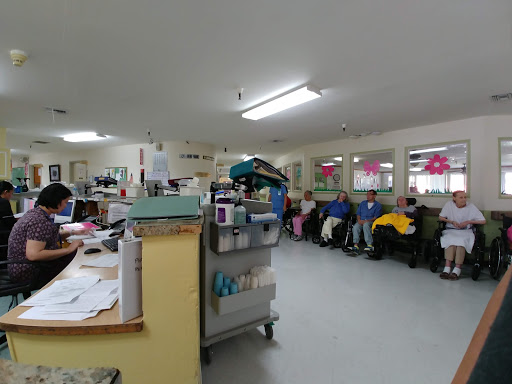
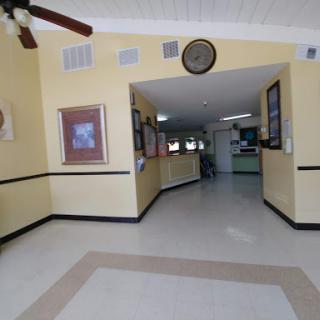
- The place is described as scary, like a horror movie, with a foul odor and an old, rundown appearance.
- Some CNAs are said to hide from residents, and staff are perceived as not caring.
Review
Greenfield Care Center of Fairfield is best suited for families that prize warm, person-first caregiving from frontline staff and a hands-on administrative presence, even when the campus shows its age. When care teams are at their best, CNAs and nurses deliver genuine compassion, steady companionship, and practical help that families feel in real time. This is not a glossy, modern campus; it is a place where experienced caregivers can make a real difference for residents who respond to daily warmth, personal attention, and a coordinated, if imperfect, transition from home to facility life. Those seeking a pristine environment with flawless systems and immediate, uniform accountability across all shifts should look elsewhere.
For families weighing alternatives, the red flags are hard to ignore. Several reviewers caution about inconsistent administration, difficulty reaching staff by phone, and a sense that advocacy and communication often fall through the cracks. Language barriers among some staff can contribute to resident isolation, and there are troubling anecdotes about patient safety lapses that leave families worried about neglect rather than just frustration with bureaucracy. Prospective residents who require airtight oversight, rapid issue resolution, or a consistently transparent culture should actively compare other options with stronger, more dependable communication pathways and clearer safety protocols.
The most compelling pro, genuine care from a segment of the caregiving team, can offset a portion of the center’s drawbacks for some residents. When caregivers are engaged, residents feel supported, and families see compassionate, attentive daily interactions that improve mood, comfort, and routine. For families able to participate actively, coordinate closely with staff, and insist on clear, ongoing updates, these positives translate into meaningful quality of life gains. Yet the offset is imperfect: warmth does not erase the risk of neglectful moments, delayed responses to calls, or gaps in critical safety practices, and it cannot alone fix an aging facility that struggles with upkeep and modern amenities.
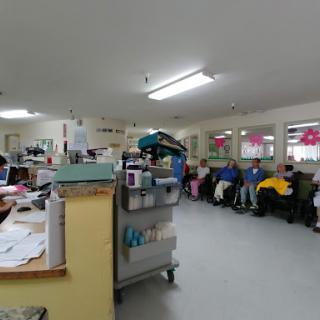
Safety and care quality, in practice, remain the most polarizing dimension. On one hand, there are heartfelt testimonies praising administrators and caregivers who helped with transitions and ongoing support; on the other, there are alarming accounts of delayed assistance, a nonfunctional call system, and incidents of catheter neglect culminating in emergency room visits. The tension between a few standout caregivers and broader, inconsistent care patterns creates a shaky footing for families trying to assess daily reliability. In short, this is a place where a resident’s day-to-day experience can swing between comfort and concern, depending on who is on shift and how closely caregivers are supervised.
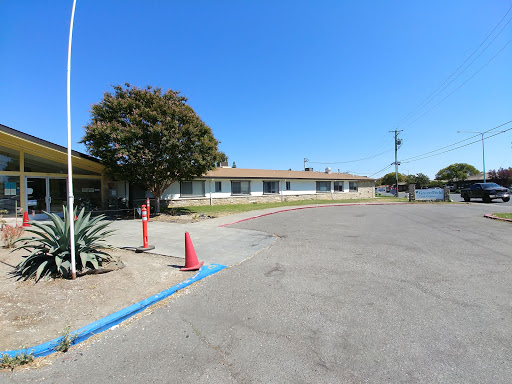
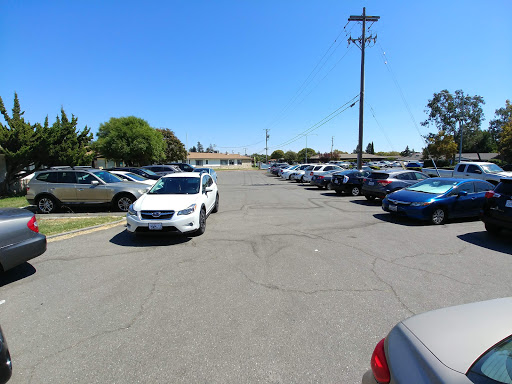
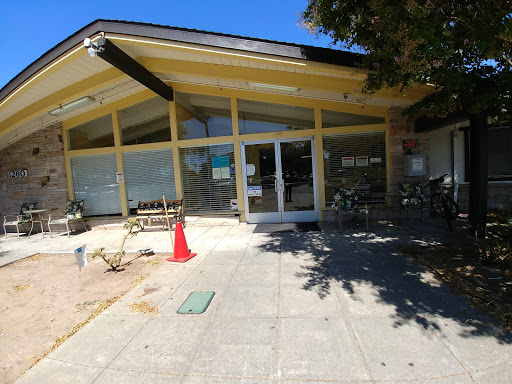
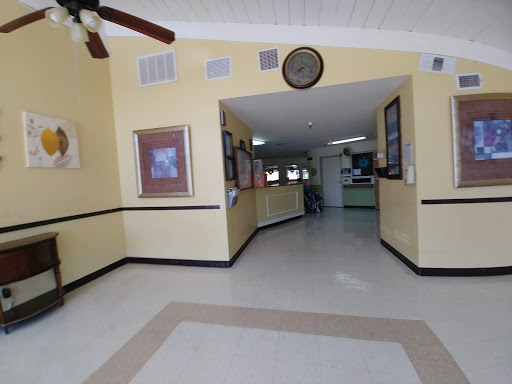
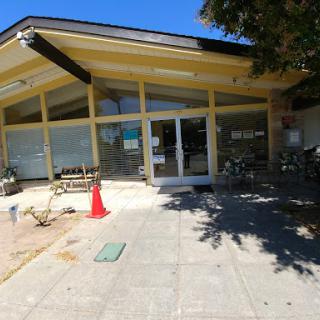
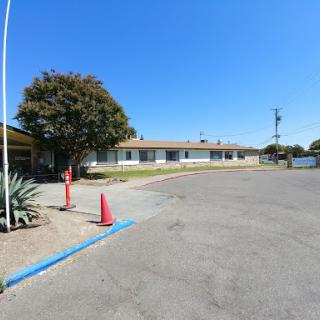
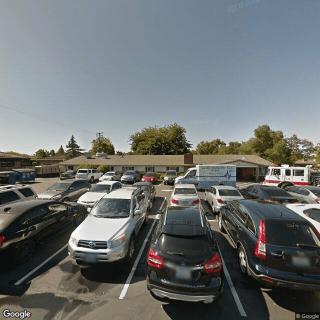
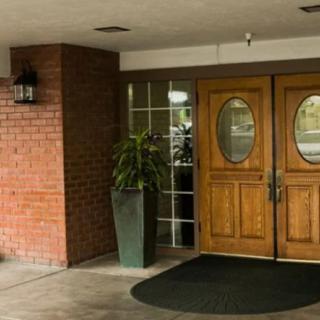
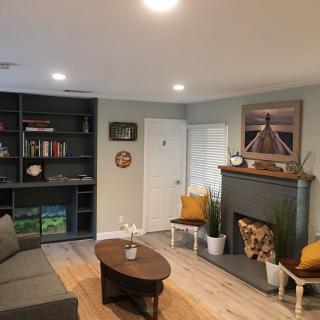
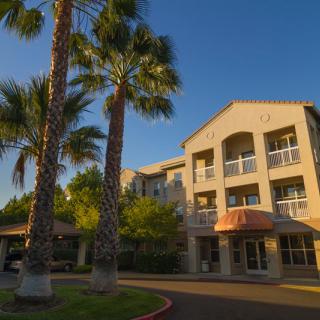
The facility’s physical condition compounds the decision. Reviews describe an older building with dated interiors, noticeable odors, and parking challenges. These environmental factors color the overall experience and may intensify dissatisfaction if care delivery remains uneven. For residents who require an appealing environment to support mood and participation in activities, or for families who place a premium on cleanliness and modern infrastructure, Greenfield may feel like a compromise. The reality is that the institutional setting matters as much as the care personnel, and when one is clearly aging, the other tends to bear the weight of scrutiny.
For families seriously considering Greenfield, the practical move is to test the campus with a critical eye and a plan to insist on accountability. Ask for direct intake and administrator contact, request a consistent caregiver assignment, and verify that call buttons function and are answered promptly. Seek clarity on language support and whether translation or culturally competent communication is available for all residents. Schedule a trial period or frequent, structured check-ins during the first weeks to gauge whether the care team can sustain warmth alongside dependable safety protocols. If the goal is unwavering oversight, predictable facility standards, and a refreshed physical environment, alternatives with stronger safety records and modernized campuses should be pursued with equal diligence. Greenfield can be a lifeline for families who will stay actively involved and who value compassionate, personal care, but it is not a universal solution and comes with substantial caveats that demand vigilant oversight.
 90 resident community capacity
 Skilled Nursing Facility
 Air-conditioning
 Beauty salon
 Cable or satellite TV
 Computer center
 Dining room
 Fitness room
 Fully furnished
 Gaming room
 Garden
 Housekeeping services
 Kitchenette
 Move-in coordination
 Outdoor space
 Private bathrooms
 Restaurant-style dining
 Small library
 Telephone
 Wellness center
 Wi-Fi/high-speed internet available
 Community operated transportation
 12-16 hour nursing
 24-hour call system
 Activities of daily living assistance
 Assistance with bathing
 Assistance with dressing
 Assistance with transfers
 Diabetes diet
 Medication management
 Mental wellness program
 Special dietary restrictions
 Concierge services
 Planned day trips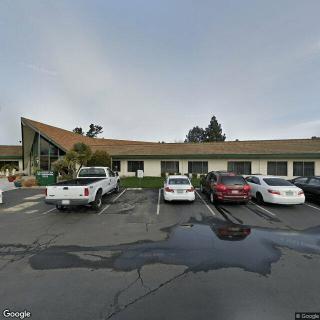

 Understanding the Sandwich Generation: Stress and Responsibilities for Multigenerational Caregivers
 8 Essential Assistive Devices for Older Adults
 Navigating the Financial Road to Nursing Home Care: In-Depth Guidance and Resources