
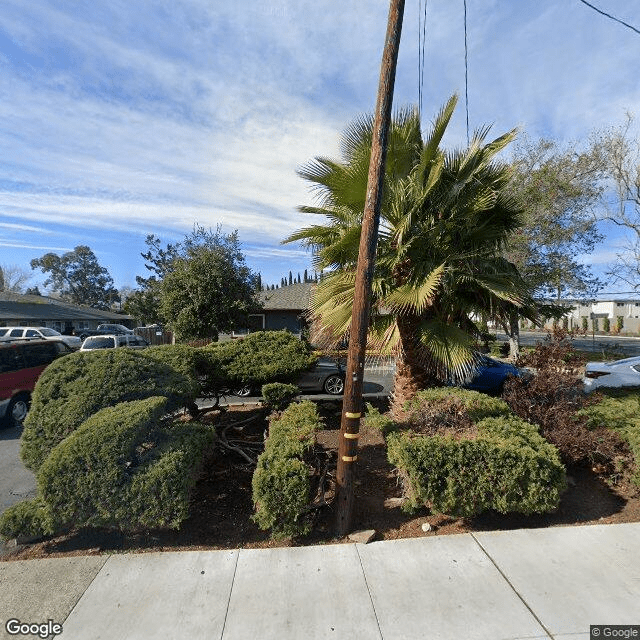
1525 Union Ave, Fairfield, CA 94533
To contact a resident: (707) 435-1804
For more information about senior living options: (866) 208-4318
Overall Review of Archway Recovery Svc
Pros
 The Rech Techs are very nice and professional.
- The managers, Ms. Donna and Ms. Letti, are very nice, professional, and amazing people.
- The executive director, Kevin, is an amazing person.
- The program is unlike anything the reviewer had experienced, with a panel to ensure readiness for the outside world.
- It is a very special place, and the reviewer would recommend Archway Recovery Services to anyone with an addiction.
- Archway Recovery Services is credited with saving the reviewer’s life and repairing their relationships.
- The staff are described as working very hard to make things better when life gets harder.
- The reviewer offers heartfelt thanks and wishes peace to all who contribute.
Cons
 The reviewer claims JD made offensive comments showing disregard for religion by stating Archway Recovery comes before any religion, including Islam.
- They describe a culture of fear and intimidation at Archway Recovery, with staff afraid to speak up for fear of losing their jobs.
- JD confronted the reviewer, denied making discriminatory remarks, and called them a liar.
- The reviewer was pushed out of the program and publicly labeled a liar in front of peers.
- They note that cameras with voice recognition exist but would only be discussed if subpoenaed.
- The comment about Archway prioritizing itself before religion was especially offensive during Ramadan, as it dismissed the reviewer’s faith.
- They describe a lack of respect for diversity, faith, and basic human decency as appalling.
- Julie Lake is described as “nothing nice at all.”
Review
Archway Recovery Services in Fairfield, CA is best suited for individuals who want a disciplined, milestone-driven addiction-recovery track that leans on a structured 12-step framework and a clear exit path into sober living. The program rewards those who respond to steady supervision, peer accountability, and a long-duration commitment with tangible progress, identifying triggers, building patience, and advancing through a formal graduation process. It can be an especially good fit for someone who thrives on a measurable, goal-oriented path and values an organized transition plan. At the same time, it may not be the right match for families seeking a uniformly inclusive atmosphere free of leadership tensions or faith-based friction; alternatives should be on the table for those concerns.
On the upside, several reviewers highlight meaningful, long-term recovery potential within Archway’s core structure. The program’s emphasis on recognizing triggers and fostering patience translates into practical, everyday recovery skills. The staff described as “Rech Techs” and the leadership team, Donna, Letti, and executive director Kevin, are repeatedly credited with professionalism and consistency, helping residents feel supported and held accountable. The 90-day core cadence, followed by a sober-living transition, plus the formal panel before graduation, create a framework that many clients interpret as rigorous but ultimately empowering. For those who gain traction in this system, recovery milestones feel tangible, and relationships often begin repair in ways that endure after discharge.
Yet the experience described by one reviewer introduces a stark counterpoint: allegations of discriminatory behavior and a hostile culture at the leadership level. The account claims that the owner’s son, who also serves as a counselor, made overtly biased statements about religion, creating an environment of fear where a staff member felt silenced and a resident was pushed out after challenging the behavior. Such claims, if accurate, strike at the heart of safety, trust, and the therapeutic alliance essential to recovery. They present a credible warning that governance and accountability must be scrutinized, because a program’s stated values can be hollow if staff feel empowered to retaliate or if concerns are dismissed without due process. This contrast is not a minor footnote; it reshapes risk assessment for families weighing Archway against other options.
These mixed signals have practical implications for decision-making. The program’s documented strengths, structure, accountability, and a clear path to independence, remain powerful for clients who prioritize concrete outcomes and a robust framework for transition. Positive testimonials about life-saving impact, relationship repair, and meaningful progress can be decisive for those who respond well to Milestone-driven care. However, the darker account cannot be dismissed, because even a single credible report of discrimination or intimidation can erode trust, undermine treatment engagement, and jeopardize post-discharge stability. In short, strong program design exists alongside serious governance concerns; the overall value hinges on individual tolerance for leadership style and the perceived safety of voicing concerns.
Because of that tension, several groups should seriously weigh alternatives. Individuals with a strong preference for a consistently respectful, faith-inclusive environment may find Archway’s risk-reward balance too variable, especially if religious sensibilities are central to the recovery journey. Families requiring transparent, enforceable grievance protections and clear, timely responses to complaints should verify Archway’s current policies and the steps taken when issues arise. It is prudent to compare Archway against other facilities with demonstrated breadth of staff training on diversity and well-established, independent reporting channels, ensuring that the promised accountability matches day-to-day practice.
For those choosing Archway anyway, concrete steps sharpen the assessment. Schedule in-person conversations with multiple staff members, request a thorough tour, and seek up-to-date documentation on non-discrimination policies and grievance handling. Probe leadership about how complaints are handled, what corrective actions follow, and how residents are supported after discharge. Obtain current references from former clients to gauge consistency across experiences, and clarify the specifics of the graduation panel, the sober-living timeline, and post-program support. With a clear lens on both the program’s decisive strengths and the governance safeguards, or gaps, families can determine whether Archway aligns with recovery goals, personal values, and the safety expectations essential to sustained well-being, or whether a different option better fits the indispensable need for respect, accountability, and inclusive care.
 Day Program





 Exploring the World of Home Health Nurses: Qualifications, Roles, and Hiring Tips
 Navigating Medicare Coverage for In-Home Care Services
 In-Home Care Costs in 2025: A Detailed State-by-State Exploration