
3938 Cogswell Road, El Monte, CA 91732
For more information about senior living options: (866) 208-4318
Overall Review of Penn Mar Therapeutic Center
Pros
 The staff are very organized and work well with patients.
- A family member is doing extremely well at the facility, and staff interactions have been very good.
- The food served at the facility appears to be of good quality.
- The reviewer regards the facility as a safe space.
- The reviewer notes that the facility has helped a relative become the most stable she has been, indicating quality of care.
Cons
 The facility reportedly uses isolation and keeps patients in locked rooms.
- A family member noted the smell of urine and feces was nauseating in multiple areas.
- There are no activities for patients; it functions mainly as a drop-off spot for placement elsewhere.
- Nurses are described as inexperienced and can be quite rude.
- A patient says they were pushed against the wall by a nurse.
- The hospital is described as horrific, with patients being treated badly and yelled at.
- Basic needs like water or food were allegedly unmet when needed.
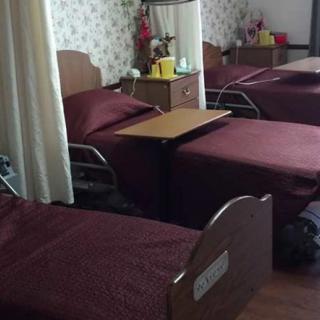
- A room was described as prison-like, with only one bed.
Review
Penn Mar Therapeutic Center in El Monte is best suited for families that prioritize safety, predictability, and a highly structured daily routine over expansive therapeutic programming or outdoor time. Several reviews point to an organized, purposefully run operation and staff who engage with residents in a steady, predictable way. For a family seeking a “stable space” where transitions feel controlled and a resident’s day follows a clear pattern, this center can offer relief from chaos and a sense of containment that reduces agitation for certain individuals.
Careful consideration is warranted for those who value autonomy, outdoor experience, and robust social or therapeutic activity. The same reviews that flag organization and safety also describe a setting with limited movement outside the facility, scarce opportunities for outdoor time, and a paucity of engaging activities. Families who want residents to access nature, participate in meaningful planned programs, and receive proactive social-work support may find the trade-offs problematic. Widespread concerns about staff demeanor and the quality of interpersonal care further tilt the balance toward looking at alternatives.
The primary pros, the facility’s organizational clarity, interaction with staff, and the perceived safety of the environment, do provide meaningful benefits in the right context. When routines are strict and staffing is consistently present, residents who benefit from stability can experience reduced confusion, fewer mood-triggering surprises, and a clearer pathway for daily care. The positive notes about the quality of meals and the sense of a safe space reinforce that the core operations are competent and predictable. For families weighing risk management and steady care, these elements can be decisive for short or transitional stays.
However, the dominant cons carry substantial weight. Several reviewers describe isolation practices and rooms labeled as locked or prison-like, with restricted outdoor access and minimal opportunities for natural light or fresh air. There is a recurring critique of scarce meaningful activities for residents, which can exacerbate disengagement and boredom. Reports of staff who are inexperienced or curt, coupled with mentions of residents experiencing physical or verbal distress, escalate concerns about everyday quality of life and resident rights. In a setting where the treatment ethos is basic containment rather than active therapeutic engagement, these downsides tend to overwhelm the upside for most families.
For families weighing a move, a practical decision framework is essential. Request a transparent tour focused on real-time routines, the use of any isolation measures, and how resident rights are protected. Inquire about staff-to-resident ratios, ongoing training in de-escalation and trauma-informed care, and the availability of social-work support to coordinate discharge planning or transitions. Seek contemporaneous incident reports or summaries that reveal how conflicts or injuries are addressed, and ask to speak with current residents or families about day-to-day experiences. If outdoor time, activity programming, and responsive, respectful staff are non-negotiables, this center should be compared against options with richer activity calendars and more resident-centered approaches.
The takeaway is clear: Penn Mar Therapeutic Center presents a paradoxical mix of stability and restraint. For some, the predictable structure and safety features may be worth the restrictive trade-offs. For most families seeking a living environment that emphasizes vibrant programming, meaningful social engagement, and respectful, experienced care, the cons strongly indicate exploring alternatives. A deliberate, points-by-points comparison with other nearby options will yield the clearest path to a choice that aligns with the resident’s needs, the family’s expectations, and the desired pace of recovery or ongoing support.
 45 resident community capacity
 Skilled Nursing Facility
 Beauty salon
 Cable or satellite TV
 Dining room
 Fully furnished
 Garden
 Housekeeping services
 Kitchenette
 Move-in coordination
 Outdoor space
 Restaurant-style dining
 Small library
 Telephone
 Wi-Fi/high-speed internet available
 Long Beach (Daugherty) (19 miles away)
 24-hour call system
 Activities of daily living assistance
 Assistance with bathing
 Assistance with dressing
 Assistance with transfers
 Diabetes diet
 Medication management
 Mental wellness program
 Special dietary restrictions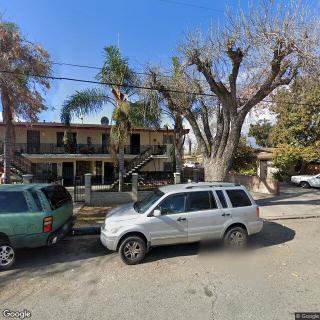






 Highly Beneficial Low-Impact Exercises for Senior Living Residents
 Is In-Home Healthcare Tax Deductible? Your Comprehensive Guide
 Nurturing Well-Being Through Gardening: A Detailed Guide for Senior Enthusiasts