
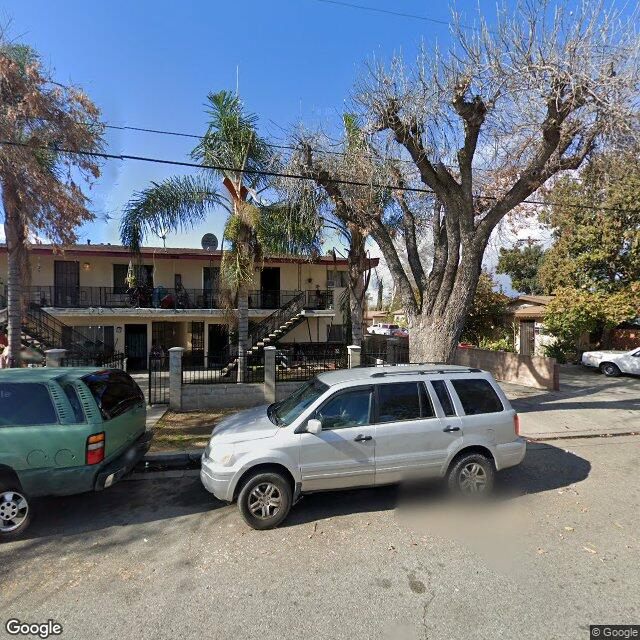
4012 Penn Mar Ave, El Monte, CA 91732
To contact a resident: (626) 579-2921
For more information about senior living options: (866) 208-4318
Overall Review of Hebron Elderly Care
Pros
 The staff are very organized and work with patients effectively.
- A family member reports that the resident is doing extremely well in the facility, with very good interaction with staff.
- The reviewer notes that the resident has been the most stable she has been, suggesting high quality of care.
- The reviewer expresses gratitude for this safe space.
- Staff interactions are described as very good.
Cons
 They state the facility uses isolation techniques and locks people in rooms.
- They describe the outdoors as being inside a cage with no access to nature.
- They claim patients are treated very badly there.
- They say Penmar is worse than Patton and worry about renewed ECT or lobotomies.
- They report that patients spit on visiting parents.
- They note the daughter’s unit smells of urine and feces, with no activities and little staff assistance.
- They recount a nurse pushing a patient.
- They describe a prison-like room with one bed where patients are left for hours without water or food.
Review
Hebron Elderly Care in El Monte is best suited for families whose priority is a highly structured, highly supervised environment where safety and routine take precedence over social programming or outdoor access. The most consistent positive thread in the reviews centers on organized staff who interact with residents in a steady, predictable way, and on the presence of basic amenities such as meals that residents perceive as of decent quality. In other words, for a resident who needs clear boundaries, consistent supervision, and a calm, rule-driven setting to minimize volatility, this community can feel stabilizing. It is not, however, a place built around open-air time, rich activity calendars, or person-centered engagement that feels spontaneous or restorative.
That said, serious caveats call for careful consideration before selecting Hebron. Families who prize outdoor time, social programming, regular activities, or a warm, respectful staff culture should look elsewhere. Multiple accounts describe harsh, punitive, or indifferent treatment, with residents allegedly kept in locked rooms or in isolation, and with complaints about inexperienced or unkind nursing staff. Odor and cleanliness issues, reports of poor social-work support, and a perception of the facility as a “drop-off” for placement rather than a place to thrive also surface in several reviews. For seniors who value dignity, autonomy, and engaging daily life, these factors make alternatives worth exploring.
The main pros, organization, predictable routines, and generally positive staff interactions when present, do offer real value in terms of safety and predictability. For families navigating memory or behavior-related challenges, a setting that emphasizes structure can reduce chaos and provide a stable baseline. However, the weight of the cons, restrictive environments with locked spaces, limited opportunities to access nature, and, in some cases, troubling staff behavior, tends to overwhelm the benefits. When a resident’s well-being depends on voluntary engagement and a humane, empowering atmosphere, the lack of these elements at Hebron becomes a decisive drawback.
Families evaluating Hebron should pursue a concrete, two-way assessment during a visit. Ask for a live tour of any locked areas and clarification on when isolation techniques are used, and under what circumstances. Request current activity calendars and opportunities for outdoor time, social programming, and resident-directed choices. Inquire about staff training, nurse-to-resident ratios, and how social workers coordinate discharge planning or transition to higher levels of care. Speak with multiple staffers, including front-line aides and leadership, and request to observe mealtime interactions and routine care to gauge tone and responsiveness. Verify state licensing status, and consider calling the local long-term care ombudsman for independent insight.
Context matters in interpreting Hebron’s appeal. The community’s low overall rating and a string of highly negative anecdotes cannot be dismissed, especially by families seeking a living environment that feels humane and stimulating. Yet for a subset of residents, those who require strict supervision, safety containment, and unwavering routine without exposure to external stressors, this facility could fulfill a protective niche. The decisive factor is alignment between a resident’s needs and the facility’s operating style. If the priority is warmth, autonomy, and active engagement, Hebron likely falls short; if the priority is structure and containment in a controlled setting, it warrants serious consideration.
In sum, Hebron Elderly Care is not a one-size-fits-all choice. It is a practical option for families prioritizing safety and predictability in a highly controlled environment, but it carries substantial red flags around resident dignity, activity, and staff quality that cannot be ignored. Thorough due diligence is non-negotiable: tours that scrutinize feeding, mobility, and isolation practices; candid conversations with caregivers, and corroboration from outside observers or regulators. For many families, stronger fit will be found in alternatives that emphasize outdoor access, meaningful daily programs, and consistently respectful, well-trained staff who treat residents as autonomous individuals rather than wards to be managed.
 Board and Care Home
 Long Beach (Daugherty) (19 miles away)



 A Detailed Examination of Nursing Home Costs Across the U.S.
 Exploring Nonmedical Home Care: Understanding Services, Costs, and Financial Approaches
 Engaging Brain Games and Innovative Apps to Keep Senior Minds Active