
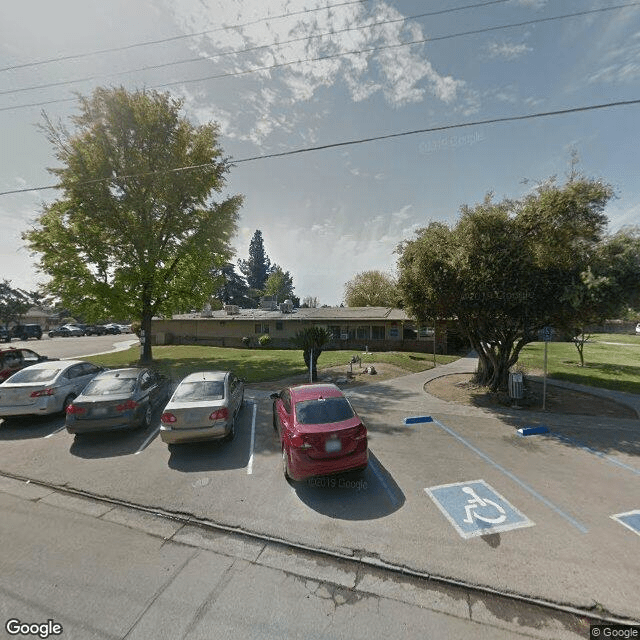
1730 S College Ave, Dinuba, CA 93618
To contact a resident: (559) 591-3300
For more information about senior living options: (866) 208-4318
Overall Review of New Covenant Care Ctr
Pros
 The staff at Dinuba Healthcare are awesome and responsive, with Nurse Lori on it and ensuring patients get what they need quickly.
- Nurses Victor and Helena are friendly and help keep the atmosphere happy for residents.
- The staff provided excellent care for Allaire, addressing issues early and communicating clearly with the family.
- The rehab team is great and delivers quality therapy for residents.
- The facility has some of the nicest, most caring people who genuinely care for residents and keep activities engaging.
- The staff are patient and kind, including bilingual caregivers who help Spanish-speaking families feel comfortable.
- The facility is clean and well maintained, with a warm, courteous reception for visitors.
Cons
 They felt the staff gave advice that hurt them in all areas of life.
- The staff seemed more protective of themselves than of patients.
- The experience caused traumatic distress and prevented grieving during their mother’s passing, and possibly their father’s.
- They were questioned about personal information, which was used as ammunition against them.
- The rehab was described as the worst and like a prison, with delayed physical therapy and being treated as a prisoner in diapers.
- The house doctor refused to provide prescribed antibiotics, leading to a worsened infection and serious complications.
Review
New Covenant Care Center in Dinuba is best suited for seniors who need short- to mid-term rehab or convalescent care and value a hands-on nursing presence, especially when a bilingual staff and an active rehab team can accelerate recovery. The strongest endorsements come from residents and families who highlight nurses and CNAs who respond promptly, a rehab staff that stays focused on restoring function, and clear communication with family members about daily progress. For families seeking a warm, engaged atmosphere where staff members genuinely try to lift spirits and keep residents socially connected, this community can deliver a tangible sense of care. The caveat is that the quality of care feels uneven across shifts and units, so the experience hinges on which team member is on duty and which unit the resident is assigned.
Those weighing alternatives should note that this facility may not be the best fit for families demanding consistently flawless medical management, exhaustive end-of-life dignity, and unwavering administrative transparency. Several reviews raise red flags about interactions with some staff, a perceived lack of urgency in certain situations, and troubling dynamics around social work and medical decision-making. Families with serious concerns about privacy, trust, and the protection of personal information should probe carefully. If a resident’s needs extend into highly nuanced end-of-life care, or if insistence on uninterrupted, respectful communication is nonnegotiable, exploring other communities with stronger governance and more uniform staffing could be prudent.
The core positives, notably the caliber of the nursing team and the rehab program, do create meaningful value that can offset some drawbacks. When the nursing staff are on site, residents often receive timely assistance and careful monitoring, and the rehabilitation therapists are praised for their hands-on discipline and for driving progress. Families frequently report that issues are communicated, and that nurses caring for a specific resident are reachable and responsive on days when the unit functions smoothly. However, these strengths do not erase the risk that experiences can deteriorate if a resident encounters a less attentive CNA shift, or if any interaction with social workers feels coercive or imprudent. In short, outcomes depend heavily on staffing realities on any given day.
Physical comfort and environment emerge as mixed but consequential factors. Complaints about climate control, heat in the hallways, and noisy conditions understandably color long-stay expectations, while those same complaints are offset by observations of clean facilities in other areas and by residents who feel secure in a familiar, community-oriented setting. The presence of bilingual staff and a culture that can be personally reassuring for Spanish-speaking families adds practical value, particularly for residents who prioritize clear, culturally aware communication. Yet the built environment and front-line conditions cannot be ignored when evaluating long-term suitability, especially for residents with sensory or mobility sensitivities.
From a practical standpoint, families evaluating this community should plan thorough on-site visits at different times of day, question staff about antibiotic policies, and request concrete care plans with escalation protocols. It is essential to speak with administrators and multiple frontline caregivers to gauge consistency, responsiveness, and the rigor of daily rounds. Inquire about memory-care supports if dementia is a factor, ask about fall prevention and incident reporting, and verify how personal information is safeguarded. A clear understanding of staffing ratios, rehabilitation schedules, and the process for addressing concerns will help align expectations with the actual experience.
Ultimately, this community can be a strong fit for families prioritizing active rehabilitation, immediate nursing response, and a warm, resident-centered culture, provided there is diligent oversight and a plan to place the resident with consistently reliable staff. For those who require unwavering consistency in clinical management, unambiguous respect around end-of-life matters, and a facility-wide standard of care free from privacy and governance concerns, alternatives deserve serious consideration. The decision should rest on a direct, candid assessment: can the day-to-day care team deliver steady, respectful, and proactive care across shifts, or is it wiser to pursue a facility with more uniform staffing and governance?
 Skilled Nursing Facility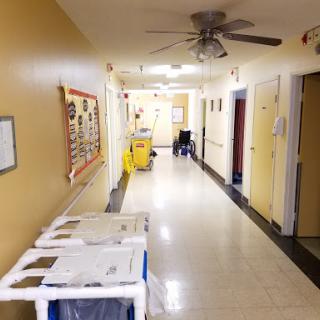
 Senior Move Management: Understanding the Role, Value, and Associated Costs
 Weight Training for Seniors: Building Strength and Vitality
 Understanding the Sandwich Generation: Stress and Responsibilities for Multigenerational Caregivers