1730 South College Avenue, Dinuba, CA 93618
For more information about senior living options: (866) 208-4318
Overall Review of Dinuba Healthcare
Pros
 The staff are awesome, especially Nurse Lori, who ensures residents get what they need promptly.
- Nurses Victor and Helena are friendly and help maintain a happy, welcoming atmosphere.
- The staff delivered excellent care for Allaire during her final years.
- The rehab team is great, and the facility provides engaging activities for residents.
- The staff are among the nicest and most caring people, genuinely devoted to residents.
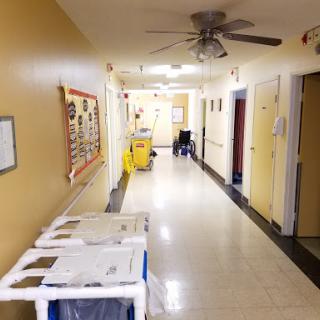
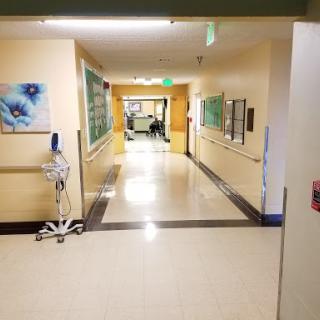
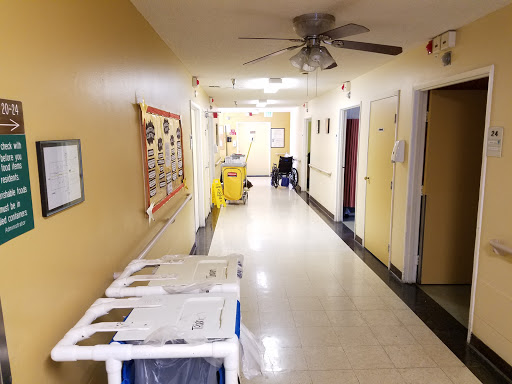
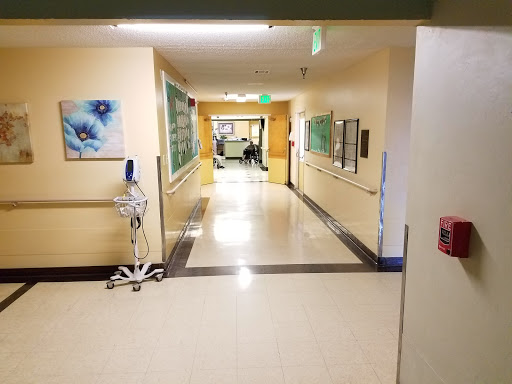
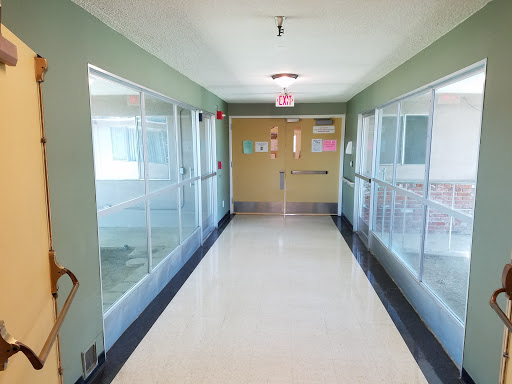
- The facility is clean and well maintained, with clear communication about residents' needs.
Cons
 They were given advice that hurt them in all areas of life after trusting the facility.
- They felt the staff were more protected than the patients, undermining trust in care.
- The experience caused traumatic effects that prevented grieving and being bedside during their mother’s and possibly their father’s passing.
- Alejandra's conduct made the years there horrible and visits uncomfortable.
- They were denied physical therapy for several days and denied access to necessary antibiotics, worsening their condition.
- They were treated like a prisoner and kept in diapers, with limited bathroom access.
- Their diet ignored their food intolerances for weeks, despite informing the nurses.
- The facility's AC was not functioning, making the building very hot and noisy.
- CNAs showed a lack of urgency and often did not know what was going on.
- They kept the patient's cell phone and did not allow retrieval of belongings.
Review
Dinuba Healthcare is best suited for families that need hands-on nursing care with responsive, personable caregivers, and for residents who benefit from active rehabilitation services and clear family communication. The strongest case here is made by the nursing staff, names like Lori, Victor, and Helena recur as bright spots, whose attentiveness and willingness to respond quickly can make the difference for a resident requiring ongoing medical oversight. The rehab team is frequently praised as capable, with concrete progress noted by families when PT and related therapies are involved. For seniors who prefer a facility where staff speak Spanish and can help bridge language gaps, this community can be an important fit, particularly for dementia or end-of-life care where consistent caregiver contact matters.
Those who should consider alternatives are families that cannot tolerate inconsistent experiences or who have had grave concerns about safety, respect, or trust in care decisions. Several reviews raise red flags about staff conduct, respect toward residents nearing life’s end, and the integrity of social-work and care-planning processes. Instances cited include disagreements over medication management, questions about personal information used inappropriately, and perceived insulation of staff from patient needs. For families prioritizing airtight accountability, uniform caregiver response, and a consistently calm rehab environment, these patterns suggest a risk profile that merits caution or comparison with other options.
The positive nursing care and proactive communication model a scenario where key benefits offset some downsides. When staff are responsive, issues are reported promptly, and family members feel they receive honest updates and access to the nurse caring for the resident, care continuity improves markedly. The rehab program, described as competent by several families, supports functional goals and can shorten hospital readmission risk when it operates without delays. Cleanliness and a generally well-maintained facility environment are repeatedly noted in favorable visits, and the presence of bilingual staff helps families and residents with limited English proficiency engage meaningfully in care decisions. In these moments, the pros directly counterbalance smaller irritants like occasional noise, aging infrastructure, or HVAC quirks.
However, the negative experiences cannot be ignored in a decision-focused assessment. Reports of disrespectful treatment around end-of-life care, questions about social-work guidance, and a sense that personal information was weaponized against families are significant concerns. A few patients describe delayed access to essential medications during rehab, with consequences that carried into long-term outcomes, and there are recurring complaints about inconsistent CNA performance and a lack of urgency in urgent situations. The building’s physical drawbacks, hot rooms, noisy environments, and the impression of an aging facility, further dampen the otherwise redeeming elements of care. These contrasts create a polarized picture: excellent individual care in pockets, shadowed by episodes that erode trust and safety.
Practical assessment steps can translate this mixed record into an informed choice. Prospective families should request to observe care during multiple shifts, speak with several nurses and CNAs, and review daily care plans, medication administration logs, and high-priority safety protocols. Inquire about the social-work process, consent practices, and how sensitive information is handled. Check the rehab schedule, equipment availability, and whether therapy access is consistent and timely. Tasteful, direct questions about temperature control, noise, and meal accommodations can prevent later surprises. Finally, seek recent references from families with residents at similar care levels to gauge whether the positives have persisted beyond isolated laudations.
In the end, Dinuba Healthcare offers strong potential for residents who need steady nursing attention, reliable rehab services, and clear caregiver communication, especially for Spanish-speaking families or those managing dementia and end-of-life needs. It is less suitable for families seeking a uniformly pristine environment with perfect consistency across all staff and flawless adherence to every care protocol. The prudent path is a thorough, time-stretched visit with targeted questions about medication safety, staff continuity, and the specific needs of the intended resident. If those criteria align, this community can be a solid, practical choice; if they do not, alternatives with steadier, less contentious care models should be pursued.
 97 resident community capacity
 Skilled Nursing Facility
 Air-conditioning
 Beauty salon
 Cable or satellite TV
 Computer center
 Dining room
 Fitness room
 Fully furnished
 Gaming room
 Garden
 Housekeeping services
 Kitchenette
 Move-in coordination
 Outdoor space
 Private bathrooms
 Restaurant-style dining
 Small library
 Telephone
 Wellness center
 Wi-Fi/high-speed internet available
 Community operated transportation
 12-16 hour nursing
 24-hour call system
 Activities of daily living assistance
 Assistance with bathing
 Assistance with dressing
 Assistance with transfers
 Diabetes diet
 Medication management
 Mental wellness program
 Special dietary restrictions
 Concierge services
 Planned day trips

 Exploring Nonmedical Home Care: Understanding Services, Costs, and Financial Approaches
 Engaging Brain Games and Innovative Apps to Keep Senior Minds Active
 Effective Strategies for Keeping Seniors' Minds Active: A Deep Dive into Brain Games and Apps