




729 Browning Road, Delano, CA 93215
For more information about senior living options: (866) 208-4318
Overall Review of Delano Postacute Care
Pros
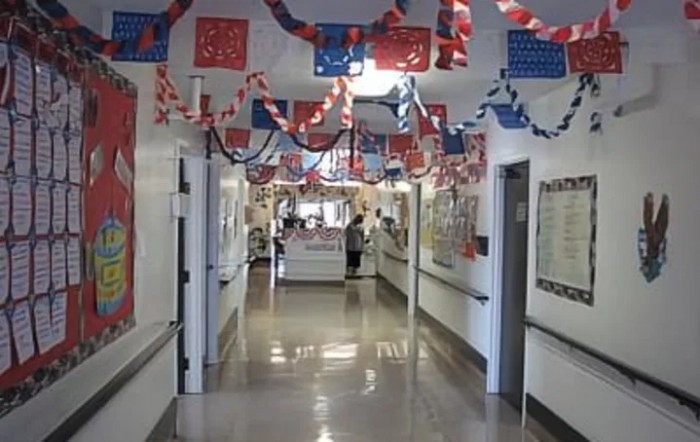
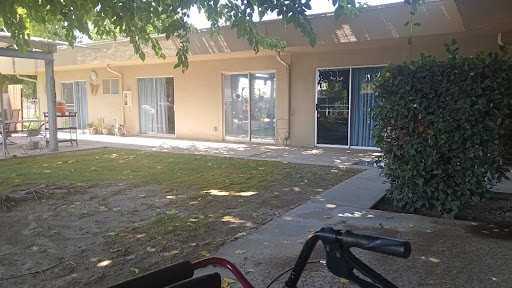
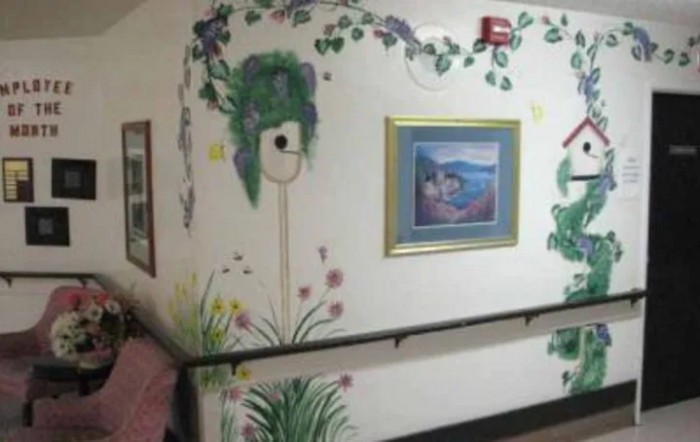
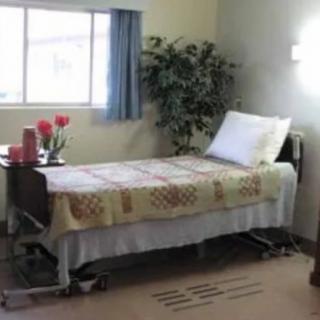
 The facility was clean and well-kept.
- It appeared there were plenty of staff available.
- The staff seemed friendly.
Cons
 The facility is an old building, which the reviewer viewed as a drawback, even though it was kept clean.
- The only food provided was thickened water due to swallowing difficulties, which the reviewer found inadequate.
- The husband lost a lot of weight because he couldn't swallow well, causing concern about his care.
- Communication was very poor because staff wore masks, making it hard for the husband who is hard of hearing.
- Interactions with two staff members were not good, even though other staff seemed friendly.
- The reviewer would not recommend the facility.
Review
Delano Postacute Care is best suited for families seeking a straightforward, no-frills post-acute setting where cleanliness and a steady, visible staff presence provide reassurance. It works for families that prioritize a familiar, orderly environment and reliable daily care over highly specialized, tightly coordinated therapy programs or elaborate communication systems. Those who require strong, proactive family engagement or a highly responsive, multidisciplinary care plan may want to consider alternatives. In short, this community appears well-positioned for residents who want dependable basic care in a traditional setting, with the understanding that deeper coordination and targeted communication support may not be its strongest suit.
From the observed positives, cleanliness stands out as a comforting baseline. An older facility that is kept clean can offer a sense of safety and routine that many families value during a transition from acute care. The impression of ample staff, and staff who appear friendly and engaged, also matters when choosing post-acute care. For families that want visible help during the day and a predictable cadence of care activities, these factors can reduce anxiety and foster a sense of security. Yet, even with these strengths, the experience described reveals critical gaps that a family should weigh carefully before committing.
The most consequential concerns center on communication and care coordination. The review notes that even when individuals are polite and well-intentioned, communication with key staff can be inconsistent and opaque. For a resident who is hard of hearing or who relies on clear information to navigate daily care, this can translate into missed orders, delayed responses, and frustration for family members attempting to advocate from the outside. The difficulty in coordinating therapies, plus the sense that only some staff can work effectively with the resident, signals potential fragmentation in the care team. In such a scenario, the comfort of a clean, staffed environment does not fully compensate for the risk of gaps in treatment and supervision.
Equally significant are the dietary and therapeutic hurdles described. The patient experienced weight loss and received a limited diet designed to prevent choking, illustrating how crucial precise dysphagia management and nutrition oversight are to recovery. When diet consistency and swallowing safety are not consistently prioritized or when communication gaps impede diet adjustments, weight maintenance and rehabilitation progress suffer. The impression that family members had to take on much of the phone coordination and record-related tasks underscores a larger issue: the facility may not provide robust, systematic family communication and intake processes, leaving relatives to fill the gaps.
Practically, families evaluating Delano Postacute Care should push for concrete assurances on care coordination mechanisms. Ask about how therapy services are scheduled and documented, what a typical day looks like for a post-acute patient, and whether there is a dedicated liaison or social worker who can translate medical plans into actionable family updates. Verify that dietitians or speech-language pathologists are responsive and that swallowing therapies are integrated with daily meal planning. Request examples of how communication with families is handled, frequency, channels, and point people, and seek assurances about staffing consistency across shifts. The goal is to ensure that a clean, friendly environment is matched by reliable, transparent care planning.
In the end, Delano Postacute Care is a viable option for families prioritizing a stable, clean setting with steady daytime staffing. However, when the decision hinges on seamless therapy coordination, rigorous communication, and proactive family involvement, alternatives with stronger integrated care and more structured family liaison services may be preferable. A thorough visit, candid conversations with administrators, and a close reading of the care plan will reveal whether this environment can meet the residentā€™s recovery goals. If not, explore facilities that emphasize multidisciplinary coordination, responsive communication, and explicit strategies for dysphagia management and nutrition.
 53 resident community capacity
 Skilled Nursing Facility
 Air-conditioning
 Beauty salon
 Cable or satellite TV
 Computer center
 Dining room
 Fitness room
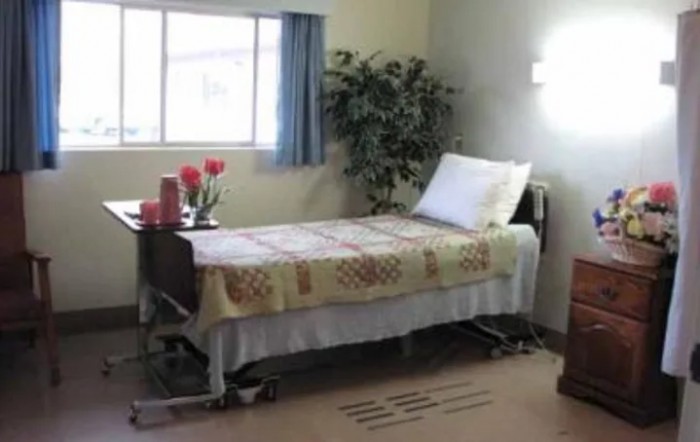
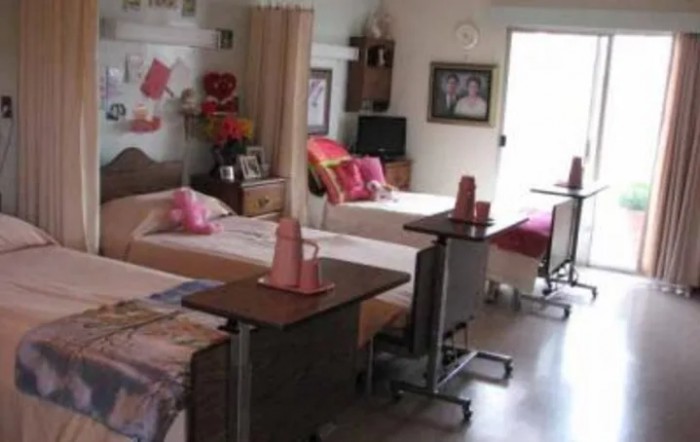
 Fully furnished
 Gaming room
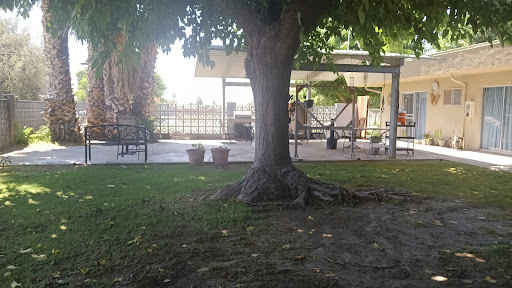
 Garden
 Housekeeping services
 Kitchenette
 Move-in coordination
 Outdoor space
 Private bathrooms
 Restaurant-style dining
 Small library
 Telephone
 Wellness center
 Wi-Fi/high-speed internet available
 Meadows (25 miles away)
 Community operated transportation
 12-16 hour nursing
 24-hour call system
 Activities of daily living assistance
 Assistance with bathing
 Assistance with dressing
 Assistance with transfers
 Diabetes diet
 Medication management
 Mental wellness program
 Special dietary restrictions
 Concierge services
 Planned day trips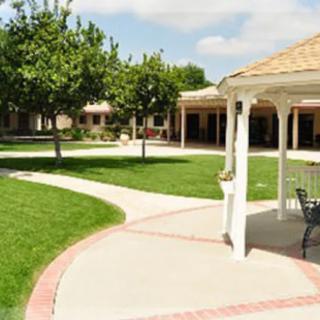




 Comprehensive Look at Senior Blood Pressure Charts: Normal and Elevated Levels by Age
 Top Canine Companions for Older Adults
 Comprehensive Guide to Blood Pressure Charts for Older Adults: Understanding Normal and High Readings by Age