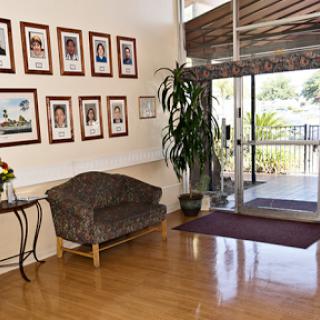
Residents and families frequently describe the staff as kind and attentive.
Many reviewers say the nurses, CNAs, therapists, and other team members treated them with respect and helped them recover. Multiple families describe consistent daily care and routines, and several mention residents feeling comfortable and well cared for. Some also point to friendliness during visits and gratitude for how staff supported their loved ones.
caveat13 reviews mention this
Care concerns drive many negatives
A significant share of reviewers report neglect, poor follow-through, or serious lapses in care.
A recurring complaint is that patients are not checked on often enough or are left unattended for long periods. Several reviewers describe delayed or missing medical attention, including situations involving falls, dehydration, oxygen issues, wounds, and infections. Others report disrespectful treatment, problems with medication or order handling, and a lack of responsiveness when families ask for help.
differentiator4 reviews mention this
Meals are often called out positively
Dining stands out, with reviewers talking positively about meals and food quality.
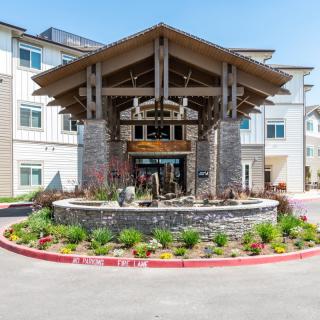
Some reviewers praise the kitchen and specific favorites, and others say residents loved the meals served each day. One reviewer also describes the food as home cooked and says it tastes great. This aligns with the community’s restaurant-style dining offering.
caveat3 reviews mention this
Room comfort and supervision vary
Reviewers describe inconsistent comfort and supervision, including room-related issues.
One reviewer reports a very hot room and describes needing staff help to bring a portable air conditioner. Another reviewer comments that the rooms are small, even while calling many other parts of the experience excellent. In contrast, at least one positive review mentions staff making sure a resident was comfortable and had what they needed.
How we summarize
Counts show how many written reviews mention each theme; a review can touch several themes, and only frequently mentioned themes are displayed.
Features
Housing
139 resident community capacity
Types of Care
Skilled Nursing Facility
Amenities
Air-conditioning
Beauty salon
Cable or satellite TV
Computer center
Dining room
Fitness room
Fully furnished
Gaming room
Garden
Housekeeping services
Kitchenette
Move-in coordination
Outdoor space
Private bathrooms
Restaurant-style dining
Small library
Telephone
Wellness center
Wi-Fi/high-speed internet available
Transportation
Community operated transportation
Transportation arrangement
Transportation arrangement (non-medical)
Transportation to doctors appointments
Care Services
12-16 hour nursing
24-hour call system
24-hour supervision
Activities of daily living assistance
Assistance with bathing
Assistance with dressing
Assistance with transfers
Diabetes diet
Meal preparation and service
Medication management
Mental wellness program
Special dietary restrictions
Dining
Diabetes diet
Special dietary restrictions
Activities
Community-sponsored activities
Concierge services
Fitness programs
Planned day trips
Resident-run activities
Scheduled daily activities
Nearby Places of Interest
This area of Porterville, California, offers a variety of amenities close by that could be beneficial for senior living. There are several places of worship within a short distance, providing opportunities for spiritual engagement and community involvement. In terms of healthcare, there are multiple physicians and pharmacies in the vicinity, as well as nearby hospitals for any medical needs. The proximity to parks allows for leisurely walks or outdoor activities, and there are also cafes and restaurants for social gatherings or dining out. Overall, this neighborhood provides a convenient and supportive environment for seniors looking to live comfortably with access to essential services.
Places of Worship
First Baptist Church (0.1 miles)
West Coast Believers Porterville (1 miles)
First Church of the Nazarene (1 miles)
General Conference Of Seventh-Day Adventists (1 miles)
Trinity Lutheran Church (1 miles)
Grace Fellowship Church (1.3 miles)
Southern Baptist Convention (1.9 miles)
Physicians
Dr Michael Geiling - Porterville Women's Medical Associates (0.1 miles)
Porterville Women's Medical Associates (0.1 miles)
Dogs can greatly improve the lives of older adults by offering emotional support and encouraging physical activity, with factors such as size, temperament, and grooming needs being crucial in selecting a suitable breed. Senior dogs often make ideal companions for this demographic, promoting social connections and requiring care routines that align with seniors' capabilities.
The guide on blood pressure charts for older adults stresses the importance of understanding normal and high blood pressure readings influenced by age, genetics, and lifestyle, while emphasizing regular monitoring and lifestyle modifications to prevent serious health issues. It provides insights into blood pressure categories, dietary recommendations, medication considerations, and the role of caregivers in supporting healthy habits.
The article explores the complexities of using Social Security to finance long-term nursing home care in the U.S., detailing eligibility requirements and misconceptions, while emphasizing that these benefits often do not cover full costs and highlighting the need for strategic financial planning and professional guidance.
Get PricingAsk A QuestionSchedule A TourContact Senior Advisor
By clicking submit, you agree to our Partner's Terms of Use. You
also consent to receive calls and texts, which may be autodialed, from our Partner. Your consent is not a condition to
using our Partner's service. Please visit our Partner's Privacy Policy for information about their privacy practices.

 139 resident community capacity
 Skilled Nursing Facility
 Air-conditioning
 Beauty salon
 Cable or satellite TV
 Computer center
 Dining room
 Fitness room
 Fully furnished
 Gaming room
 Garden
 Housekeeping services
 Kitchenette
 Move-in coordination
 Outdoor space
 Private bathrooms
 Restaurant-style dining
 Small library
 Telephone
 Wellness center
 Wi-Fi/high-speed internet available
 Community operated transportation
 12-16 hour nursing
 24-hour call system
 Activities of daily living assistance
 Assistance with bathing
 Assistance with dressing
 Assistance with transfers
 Diabetes diet
 Medication management
 Mental wellness program
 Special dietary restrictions
 Concierge services
 Planned day trips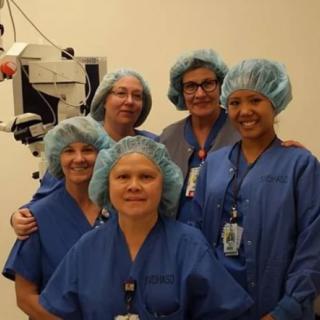
 24-hour supervision with comprehensive care, including ADLs and medication management.


 Top Canine Companions for Older Adults
 Comprehensive Guide to Blood Pressure Charts for Older Adults: Understanding Normal and High Readings by Age
 Financing Long-Term Nursing Home Care Through Social Security: A Thorough Exploration