Stonebrook Healthcare Center in Concord, CA

Save

  • Interior

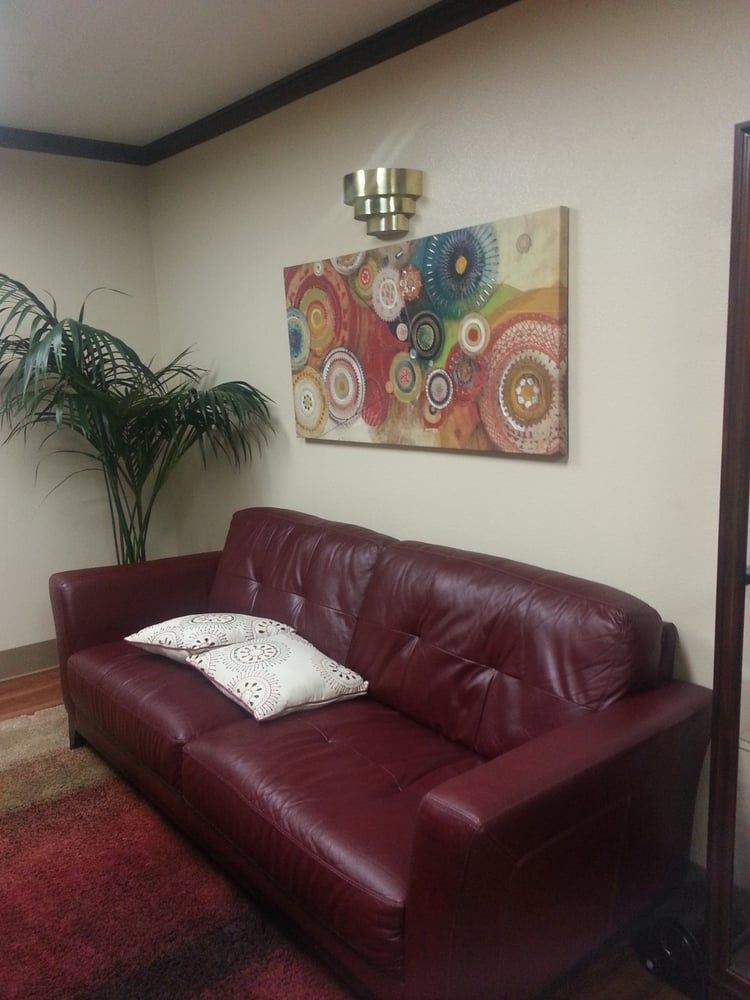
    A cozy living room with a leather couch, colorful artwork, and a potted plant.
  • Decor

    A cozy living room with a red couch, decorative pillow, and colorful artwork on the wall.
  • Building

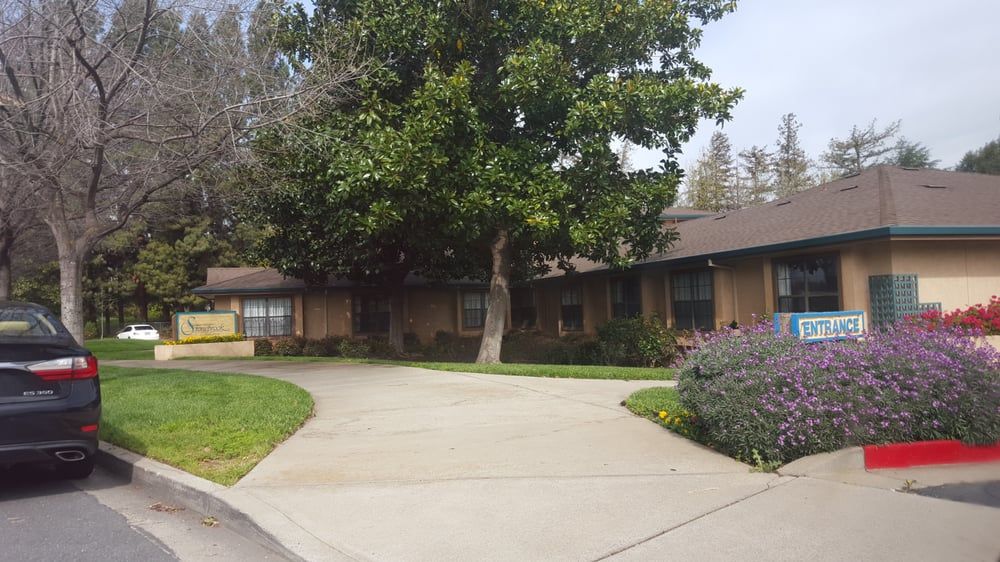
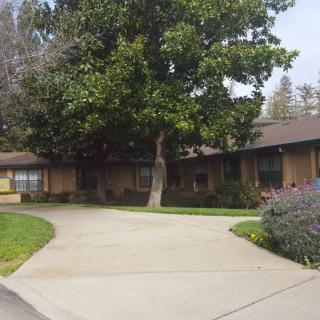
    A suburban building with trees and a road in front.
  • Landscaping

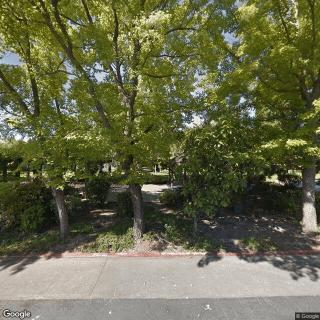
    A residential house with a driveway and large tree in the front yard.
  • Salon

    A stylist giving a haircut to a customer in a salon.
  • Brick Wall

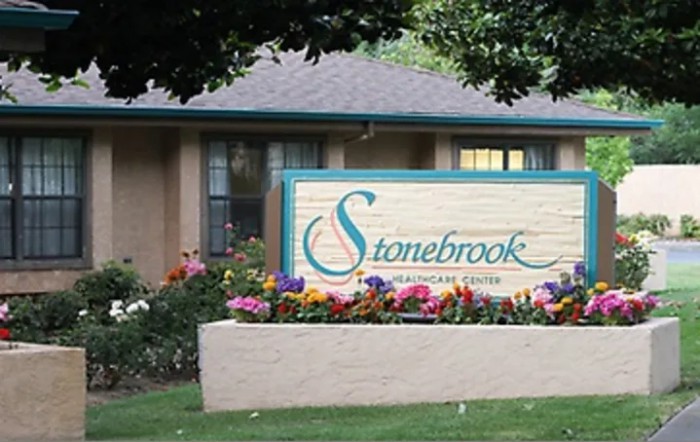
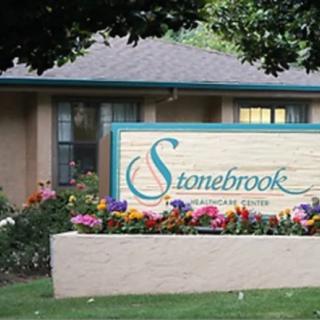
    A sign for Stonebrook neighborhood displayed on a brick wall surrounded by colorful flowers.

Stonebrook Healthcare Center in Concord, CA

Information last verified:

4367 Concord Boulevard, Concord, CA 94521

For more information about senior living options: (844) 490-3973

3.3 from 41 reviews
5 stars
18
4 stars
5
3 stars
1
2 stars
4
1 stars
13

Overall Review of Stonebrook Healthcare Center

Pros

  • pro June’s care of the patient’s husband is outstanding, with attentiveness, caring, and an upbeat attitude.
  • pro The staff are kind and accommodating, and the therapy team is highly knowledgeable and willing to work with residents.
  • pro The nights are restful and the food is delicious, with staff providing helpful and supportive care.
  • pro The team treats residents like family, motivating them to complete their therapy and helping them work toward going home.
  • pro The facility is clean, well-kept, and welcoming, with friendly, smiling staff on every shift.
  • pro Stonebrook is described as an excellent rehab center with outstanding overall care and comprehensive therapy services.
  • pro Families report that the staff are friendly, professional, and attentive, helping residents progress and return home.
  • pro The atmosphere feels comfortable and inviting, giving families confidence in the facility’s quality of care.
  • pro Meals are good, including vegetarian options, and the entire staff is knowledgeable and involved in patient care.
  • pro Physical, occupational, and speech therapies are described as excellent and effective.

Cons

  • pro One reviewer notes that a staff member was extremely rude and yelled during a brief call.
  • pro The facility is criticized for a chronic lack of communication, with phones often unanswered and information hard to obtain.
  • pro A reviewer alleges the staff gave the wrong medication, causing a severe reaction and lasting injury.
  • pro It is claimed the staff is understaffed, leaving residents without timely or adequate care.
  • pro Care call bells were reportedly left out of reach or not promptly answered, delaying assistance.
  • pro The meals were described as terrible.
  • pro Several reviewers warn others not to use the facility, calling it awful and unsafe.
  • pro There are accounts of dehydration and malnutrition contributing to a resident’s decline.

Review

Stonebrook Healthcare Center in Concord, California is best suited for families pursuing short-term rehabilitation and post-acute recovery where a therapy-driven approach can generate real, return-to-home results. The strongest case rests with the rehab program: skilled PT, OT, and often speech therapy that many residents describe as knowledgeable, flexible, and genuinely focused on progress. The environment itself earns points for cleanliness and a homey, minimally clinical feel, with meals repeatedly praised as a bright spot in daily life. For loved ones who enter with a clear goal, get moving, regain independence, and be discharged safely, Stonebrook can deliver tangible momentum. Yet that momentum requires navigating a spectrum of staffing realities and communication patterns that vary by shift and by individual caregiver.

Certain families will want to consider alternatives, however. A recurring concern in the feedback is inconsistent accessibility: staff may be pleasant when seen, but reaching the right person promptly can be a challenge, and case managers sometimes struggle to provide timely updates. This can matter enormously when a loved one depends on quick coordination between nursing, therapy, and family. Other red flags include reports of medication missteps, dehydration, or gaps in daily oversight, issues that create genuine risk for someone in recovery. For residents who require constant, dependable supervision, or who prioritize seamless information flow and safety culture over rehab momentum, exploring other facilities with stronger staffing ratios and clearer communication protocols is prudent.

The core pros, effective therapy, clean surroundings, and a generally attentive front-line staff, do offset some drawbacks, but not uniformly. Families that experience steady therapy engagement often see meaningful gains and faster progress toward home, which can reduce the overall length of stay and emotional toll. A positive dining experience and a calm, organized atmosphere add to comfort during recovery, helping patients stay engaged in therapy and daily routines. Conversely, when call bells go unanswered promptly, when communications with nurses or case managers feel inconsistent, or when there are serious concerns about medication administration, the potential benefits of rehab momentum can be overshadowed by safety and reliability worries. In this light, the decision rests on whether rehab speed and a pleasant setting can be trusted to accompany robust, daily caregiving.

Practically, families evaluating Stonebrook should engage in a structured due-diligence process. Request a tour focused on the therapy program: schedule, therapist-to-patient ratios, and how progress is tracked and communicated to families. Seek to meet the therapy supervisor to understand discharge planning, home exercise routines, and coordination with outside providers. Probe the call-bell system: typical response times, who answers, and what escalations exist when staff are occupied. Insist on speaking with the nurse manager or case manager to learn about daily notes, family communication channels, and how urgent concerns are escalated. Review any recent quality reports and, if possible, talk with current residents or their families about day-to-day responsiveness. Confirm practical details such as parking, visiting hours, and transportation for ongoing visits, since logistics frequently shape care satisfaction.

For specific scenarios, Stonebrook’s strengths align well with post-operative rehab or serious mobility recovery where therapy is the dominant goal. In those cases, the facility can be a pragmatic choice: a clean, comfortable setting with a therapy ecosystem that often yields measurable gains and a patient-friendly atmosphere. But for loved ones whose needs go beyond rehabilitation, ongoing, attentive daily care, vigilant safety monitoring, or high-stakes medical oversight, the reviews’ more troubling strands cannot be ignored. Reports of delayed assistance, inconsistent communication, and occasional safety concerns suggest that reliability and safety culture should be scrutinized with equal seriousness to rehabilitation potential. In essence, rehab momentum is real, but it must be balanced against a track record of variability in daily caregiving and safety practices.

The bottom line is practical and conditional. Stonebrook works best for families prioritizing a strong rehabilitation trajectory in a clean, approachable setting, with meals and atmosphere that support recovery. For those requiring unwavering daily oversight, prompt communication, and uncompromising medication safety, other options deserve consideration. The prudent path is to arrange a purposeful visit that centers on therapy leadership, staffing patterns, and the facility’s real-time response to concerns. If those checks align with expectations, Stonebrook can offer a solid bridge to home and independence. If not, it is wise to explore alternatives before committing, to minimize risk and ensure the care plan matches the loved one’s essential needs.

Features

Housing

  • 120 resident community capacity 120 resident community capacity

Types of Care

  • Skilled Nursing Facility Skilled Nursing FacilitySkilled Nursing Facilities are crucial for seniors as they provide round-the-clock medical care, rehabilitation services, and assistance with daily activities. These facilities ensure that seniors receive the specialized care they need to maintain their health and well-being as they age.

Amenities

  • Air-conditioning Air-conditioningAir conditioning is important for seniors as they are more vulnerable to heat-related illnesses and may have underlying health conditions that make it difficult for them to regulate their body temperature. It helps to keep them comfortable, safe, and healthy in hot weather.
  • Beauty salon Beauty salonBeauty salons are important for seniors because they provide a space for them to feel pampered, socialize, and maintain their personal grooming and hygiene. Regular visits to a beauty salon can help boost seniors' self-esteem and overall well-being.
  • Cable or satellite TV Cable or satellite TVCable or satellite TV is important for seniors because it provides entertainment, news, and companionship, helping to combat loneliness and boredom. It also offers a wide range of programming options tailored to different interests and preferences.
  • Computer center Computer centerA computer center is essential for seniors as it provides access to technology, communication tools, and resources that can enhance their daily lives. It allows them to stay connected with loved ones, engage in online activities, and learn new skills, ultimately promoting socialization and mental stimulation.
  • Dining room Dining roomDining rooms are important for seniors as they provide a space for socialization, connection, and nutritious meals. They offer opportunities for residents to bond over shared meals, foster a sense of community, and promote healthy eating habits. Dining rooms also ensure that seniors have access to well-balanced meals tailored to their dietary needs and preferences.
  • Fitness room Fitness roomHaving a fitness room in a senior living community is essential for seniors to stay active, maintain their physical health, and improve their overall well-being. Regular exercise can help prevent falls, reduce the risk of chronic diseases, and promote mental sharpness. It also provides social opportunities for residents to connect with others and enjoy a sense of community.
  • Fully furnished Fully furnishedFully furnished senior living communities are important for seniors because they provide convenience, comfort, and a hassle-free moving experience. Seniors can easily settle into their new living space without the stress of having to buy and move furniture. This allows them to focus on enjoying their new home and community.
  • Gaming room Gaming roomGaming rooms are important for seniors as they provide a fun and engaging environment for socializing, cognitive stimulation, and physical activity. Games can improve memory, problem-solving skills, and overall mental well-being while fostering friendships and reducing feelings of isolation.
  • Garden GardenGardens are important for seniors as they provide a peaceful and therapeutic environment for relaxation, physical activity, and socialization. Being in nature has been shown to reduce stress, improve mood, and promote overall well-being. Gardens also offer opportunities for seniors to engage in gardening activities, which can improve mobility, flexibility, and cognitive function. Additionally, gardens create a sense of community and connection with others who share a passion for plants and outdoor spaces.
  • Guasts at mealtime Guasts at mealtime"Guests at mealtime" offer seniors the opportunity for social interaction, companionship, and a sense of community during meals, which can help combat feelings of loneliness and isolation commonly experienced in senior living environments. It can also enhance their overall dining experience and improve their mental and emotional well-being.
  • Housekeeping services Housekeeping servicesHousekeeping services are important for seniors because they help maintain a clean and safe living environment, promote independence, and reduce the risk of accidents or illnesses. Additionally, having assistance with household chores can alleviate physical strain and allow seniors to focus on other aspects of their well-being.
  • Kitchenette KitchenetteKitchenettes are important for seniors living in senior living communities because they provide the convenience and independence of being able to prepare simple meals and snacks in the comfort of their own living space. This can help promote a sense of autonomy and well-being for seniors, allowing them to maintain some level of control over their dietary choices and daily routines.
  • Move-in coordination Move-in coordinationMove-in coordination is important for seniors because it helps ease the transition into their new living environment. It ensures that all logistics, such as packing, organizing movers, and setting up utilities are taken care of, allowing seniors to focus on settling in and adjusting to their new home. Having a smooth move-in process can alleviate stress and anxiety, making the transition smoother and more enjoyable for seniors.
  • Outdoor space Outdoor spaceOutdoor spaces are important for seniors as they provide opportunities for physical activity, social interaction, exposure to natural light and fresh air, and a sense of connection to nature. Having access to outdoor spaces can improve overall well-being and quality of life for older adults living in senior communities.
  • Private bathrooms Private bathroomsPrivate bathrooms are important for seniors in senior living communities because they provide independence, dignity, and comfort. Having a private bathroom allows seniors to maintain their personal hygiene routines without the need for assistance, promoting a sense of autonomy and privacy. Additionally, private bathrooms help prevent the spread of infections and provide a safe and clean environment for seniors to navigate safely.
  • Restaurant-style dining Restaurant-style diningRestaurant-style dining is important for seniors because it allows them to enjoy delicious, nutritious meals in a social and upscale setting. This enhances their dining experience, promotes healthy eating habits, and fosters socialization with fellow residents, ultimately contributing to their overall well-being and quality of life.
  • Security gate Security gateSecurity gates provide an added layer of protection and peace of mind for seniors living in a community. They help prevent unauthorized entry, deter potential intruders, and create a sense of security for residents. This extra security measure can make seniors feel safe and secure in their living environment.
  • Small library Small librarySmall libraries are important for seniors as they provide access to a variety of reading materials, including books, newspapers, and magazines. This can help stimulate their minds, keep them engaged, and provide a sense of community through book clubs and other social activities. Additionally, reading has been shown to improve cognitive function and overall mental well-being in older adults.
  • Telephone TelephoneTelephones are important for seniors as they provide a lifeline for communication with loved ones, emergency services, and healthcare providers. They offer a sense of security and independence, enabling seniors to stay connected and access assistance when needed.
  • Wellness center Wellness centerWellness centers are important for seniors because they offer a variety of programs and services that promote physical, mental, and emotional well-being. These centers provide opportunities for exercise, socialization, education, and relaxation, helping seniors maintain their overall health and quality of life.
  • Wi-Fi/high-speed internet available Wi-Fi/high-speed internet availableWi-Fi/high-speed internet is important for seniors to stay connected with loved ones, access online resources, and participate in virtual activities to combat feelings of loneliness and isolation. It also allows them to easily manage healthcare needs, access entertainment, and engage in lifelong learning opportunities.

Transportation

  • Metropolitan Oakland International (22 miles away) Metropolitan Oakland International (22 miles away)
  • Community operated transportation Community operated transportationCommunity operated transportation is crucial for seniors as it provides them with the means to access essential services, social activities, and medical appointments. It allows seniors to maintain their independence and quality of life by ensuring they can participate in activities outside of their homes. Additionally, community-operated transportation services offer a safe and reliable way for seniors to travel without having to rely on family or friends for assistance.
  • Transportation arrangement Transportation arrangementTransportation arrangements are crucial for seniors as they may face challenges with driving, mobility, or access to public transportation. Having reliable transportation services ensures that seniors can easily attend appointments, social activities, and maintain their independence and quality of life.
  • Transportation arrangement (non-medical) Transportation arrangement (non-medical)Transportation arrangements are essential for seniors as they provide access to essential services, activities, and social interactions outside the home. This service helps maintain independence, mobility, and overall well-being for seniors who may have limited transportation options.
  • Transportation to doctors appointments Transportation to doctors appointmentsTransportation to doctors appointments is crucial for seniors as it ensures they have access to necessary medical care and support, promoting their health and well-being. It allows them to receive timely treatment, monitor existing conditions, and address any new health concerns efficiently. Additionally, transportation services can help seniors maintain their independence and quality of life by enabling them to stay connected with their healthcare providers.

Care Services

  • 12-16 hour nursing 12-16 hour nursing12-16 hour nursing care is crucial for seniors in order to ensure around-the-clock monitoring, timely medication administration, and prompt response to any health concerns or emergencies. This level of care helps to promote the overall well-being and safety of seniors living in senior living communities.
  • 24-hour call system 24-hour call system24-hour call systems are important for seniors because they provide peace of mind and immediate assistance in case of emergencies. This technology ensures that help is always available, promoting safety and security for elderly individuals living alone or in assisted living facilities.
  • 24-hour supervision 24-hour supervision24-hour supervision is important for seniors to ensure their safety, well-being, and access to immediate assistance in case of emergencies or health issues. This constant support provides peace of mind for both seniors and their loved ones, allowing them to age in place with dignity and security.
  • Activities of daily living assistance Activities of daily living assistanceActivities of daily living assistance are important for seniors because they provide essential support with tasks such as eating, bathing, dressing, and mobility. This assistance helps seniors maintain their independence, dignity, and overall quality of life as they age.
  • Assistance with bathing Assistance with bathingAssistance with bathing is crucial for seniors as it helps maintain personal hygiene, prevents infections, and ensures their overall well-being and comfort. It also provides a sense of dignity and independence for seniors who may struggle with this task on their own.
  • Assistance with dressing Assistance with dressingAssistance with dressing is important for seniors because it helps maintain their independence, promotes personal hygiene, prevents accidents and injuries, and improves overall quality of life. This service ensures that seniors can continue to dress comfortably and confidently, despite any physical limitations they may have.
  • Assistance with transfers Assistance with transfersAssistance with transfers is crucial for seniors as it helps prevent falls and injuries, maintains their independence, and ensures they can safely navigate their living environment. It also provides peace of mind for both seniors and their loved ones.
  • Diabetes diet Diabetes dietA diabetes diet is crucial for seniors as it helps manage blood sugar levels, reduce risks of complications, and improve overall health and well-being. By following a balanced and nutritious diet tailored to their specific needs, seniors can better control their diabetes and enhance their quality of life.
  • Meal preparation and service Meal preparation and serviceMeal preparation and service are crucial for seniors as they may have limited mobility or energy to cook nutritious meals. Having access to healthy and convenient food options can ensure they are getting the proper nutrition needed to maintain their overall health and well-being.
  • Medication management Medication managementMedication management is crucial for seniors to ensure they are taking the right medications at the correct dosages and times. This helps prevent adverse drug interactions, reduces the risk of medication errors, and promotes overall health and well-being. Proactive management also allows for adjustments as needed based on changing health conditions or new prescriptions.
  • Mental wellness program Mental wellness programMental wellness programs are essential for seniors as they promote cognitive stimulation, emotional support, and social engagement. These programs help prevent isolation, depression, and cognitive decline, ultimately enhancing the overall quality of life for older adults.
  • Special dietary restrictions Special dietary restrictionsSpecial dietary restrictions are important for seniors because age-related changes in metabolism and health conditions can make it difficult for their bodies to process certain foods. By following a diet tailored to their specific needs, seniors can maintain their overall health and well-being, manage chronic conditions, and reduce the risk of complications such as malnutrition or food interactions with medications.

Dining

  • Diabetes diet Diabetes dietA diabetes diet is crucial for seniors as it helps manage blood sugar levels, reduce risks of complications, and improve overall health and well-being. By following a balanced and nutritious diet tailored to their specific needs, seniors can better control their diabetes and enhance their quality of life.
  • Special dietary restrictions Special dietary restrictionsSpecial dietary restrictions are important for seniors because age-related changes in metabolism and health conditions can make it difficult for their bodies to process certain foods. By following a diet tailored to their specific needs, seniors can maintain their overall health and well-being, manage chronic conditions, and reduce the risk of complications such as malnutrition or food interactions with medications.

Activities

  • Community-sponsored activities Community-sponsored activitiesCommunity-sponsored activities are important for seniors as they provide opportunities for social interaction, mental stimulation, and physical activity. These activities can help improve overall well-being, combat loneliness and isolation, and promote a sense of belonging and purpose among older adults.
  • Concierge services Concierge servicesConcierge services are essential for seniors as they provide assistance with daily tasks and errands, enhance their quality of life by offering convenience and personalized care, and promote a sense of safety and security.
  • Fitness programs Fitness programsFitness programs are crucial for seniors as they help improve strength, flexibility, balance, and overall well-being. Staying active can reduce the risk of chronic diseases, improve mental health, and enhance quality of life in older adults.
  • Planned day trips Planned day tripsPlanned day trips are important for seniors because they offer opportunities for socialization, mental stimulation, and physical activity. They provide a change of scenery and help seniors stay engaged and connected to their community, promoting overall well-being and quality of life.
  • Resident-run activities Resident-run activitiesResident-run activities are important for seniors as they encourage social interaction, creativity, and a sense of autonomy. These activities empower seniors to stay engaged and active in their community while fostering meaningful connections with their peers.
  • Scheduled daily activities Scheduled daily activitiesScheduled daily activities are important for seniors because they provide structure, socialization, mental stimulation, and physical activity. Engaging in regular activities can improve overall well-being and quality of life for seniors living in a community setting.

Languages Spoken

  • English EnglishEnglish is important for seniors as it allows them to communicate effectively with healthcare providers, understand important information related to their health and medications, stay connected with loved ones, and engage in social activities within their communities. It also opens up opportunities for lifelong learning and intellectual stimulation.

Description

Stonebrook Healthcare Center in Concord, CA is a vibrant and welcoming assisted living community that offers a wide range of amenities and care services to ensure the comfort, convenience, and wellbeing of its residents.

Our community features a beauty salon where residents can get pampered and feel their best. Each resident can enjoy cable or satellite TV in their private accommodation or in one of the common areas. Community operated transportation is available for outings and errands, while our computer center allows residents to stay connected with loved ones and explore new interests online.

Meals are served in our elegant dining room with restaurant-style dining, providing delicious and nutritious cuisine prepared by our skilled culinary team. Special dietary restrictions are accommodated to meet the unique needs of each resident. Guests are welcome to join residents during mealtime.

To promote physical wellbeing, we have a fitness room where residents can engage in exercise programs tailored to their abilities. Our wellness center provides comprehensive services to support overall health.

Residents can relax and socialize in our gaming room or outdoor spaces such as gardens. Our small library offers a quiet space for reading and learning. Scheduled daily activities provide opportunities for engagement and entertainment.

Security is prioritized at Stonebrook Healthcare Center with a security gate ensuring the safety of all residents. Housekeeping services are provided to maintain a clean and comfortable living environment, while private bathrooms offer convenience and privacy.

Our caring staff is available around the clock with a 24-hour call system and supervision to provide assistance with activities of daily living such as bathing, dressing, transfers, and medication management. We also offer specialized assistance for those on diabetes diets or with special dietary restrictions.

Transportation arrangements can be made for non-medical purposes as well as for doctors' appointments. Move-in coordination is available to help ease the transition into our community.

Conveniently located near cafes, parks, pharmacies, physicians' offices, restaurants, places of worship, theaters, and transportation options, Stonebrook Healthcare Center provides a convenient and enriching lifestyle for our residents. With concierge services, fitness programs, planned day trips, and resident-run activities, our community offers a vibrant and engaging atmosphere.

Nearby Places of Interest

Restaurants

  • McDonald's (0.9 miles)
  • Nation's Giant Hamburgers & Great Pies (0.9 miles)
  • Subway (1 miles)
  • Ej Phair Brewing Co & Ail House (2.7 miles)
  • McDonald's (3.4 miles)
  • Rocco's Ristorante & Pizzeria (3.9 miles)
  • Lazy Dog Restaurant & Bar (3.9 miles)

Pharmacies

  • CVS Pharmacy (1 miles)
  • Longs Drugs (2.3 miles)
  • CVS Pharmacy (2.3 miles)
  • Walgreens (2.3 miles)
  • CVS Pharmacy (2.3 miles)
  • Walgreens (2.9 miles)
  • Walgreens (3.3 miles)

Parks

  • Markham Nature Park and Arboretum (1.4 miles)
  • Newhall Community Park (1.5 miles)
  • Lime Ridge Open Space (1.5 miles)
  • Ellis Lake Park (3 miles)
  • Arbolado Park (4 miles)
  • Heather Farm Dog Park (4.9 miles)
  • Heather Farm Park (5 miles)

Physicians

  • Charles Renner, MD (1.6 miles)
  • California Center for Sleep Disorders (2.8 miles)
  • Diablo Valley Primary Care (2.8 miles)
  • Muir Orthopaedic Specialists (2.9 miles)
  • John Muir Physician Network (2.9 miles)
  • Communication Across Barriers Speech Clinics (2.9 miles)
  • Jain, Suprabha - Suprabha Jain MD-MDI Wellness Center (3.6 miles)

Places of Worship

  • Queen of All Saints (2.8 miles)
  • Our Lady Queen of the World Church (3.7 miles)

Transportation

  • North Concord/Martinez BART Station (2.9 miles)
  • U-Haul of Concord (3 miles)
  • Pleasant Hill/Contra Costa Centre BART Station (5.1 miles)
  • Walnut Creek BART Station (6.6 miles)

Theaters

  • Solano Drive In (4 miles)
  • Century 16 Downtown Pleasant Hill and XD (4.7 miles)
  • Century Walnut Creek 14 and XD (6.9 miles)

Cafes

  • Starbucks (4.5 miles)
  • Starbucks (5.1 miles)
  • Starbucks (5.3 miles)
  • Bondadoso Coffee & Tea Collective Add to Favorites (6.2 miles)
  • Marketplace Cafe (6.7 miles)
  • Starbucks (6.9 miles)
  • Philz Coffee (7 miles)

Hospitals

  • Kaiser Permanente Medical Center (7 miles)
  • Davita Kidney Care (8.2 miles)

Frequently Asked Questions

Where is Stonebrook Healthcare Center?
What photos are available for Stonebrook Healthcare Center in Concord, California?

Nearby Communities

  • Woodland Home

    Woodland Home

    Concord, CA


    pro Fully furnished with on-site dining, garden/outdoor space, housekeeping, and comprehensive care (24/7 supervision, medication management, diabetes meals, and transportation to medical appointments).

  • Rose Waters Home

    Rose Waters Home

    Concord, CA


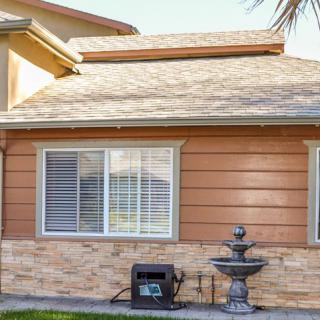
    pro Comprehensive assisted living with 24/7 supervision, medication management, dietary meals, housekeeping, transportation to appointments, and engaging activities.

  • Eduardo Manor

    Eduardo Manor

    Concord, CA


    pro Comprehensive care with 24-hour supervision, ADL support, meals, and housekeeping.

  • Agnes House

    Agnes House

    Concord, CA


    pro Fully furnished apartments with comprehensive care, on-site dining, and outdoor spaces.

  • Ellura Home Care Services

    Ellura Home Care Services

    Concord, CA

    5 from 3 reviews
    $3,500 to $4,500 / month

    pro Intimate, small-capacity setting with personalized, attentive care.

  • Qcare Residential Facility II

    Qcare Residential Facility II

    Concord, CA

    4.3 from 3 reviews
    $5,000 / month

    pro Clean, updated facility with friendly staff, 24-hour care, and private studio rooms in a convenient Concord location.

  • Welcome Home Senior Residence(Concord)

    Welcome Home Senior Residence(Concord)

    Concord, CA

    4.4 from 5 reviews
    $7,000 to $8,000 / month

    pro Friendly, attentive staff in a clean, well-run facility with comprehensive on-site care options.

  • Walnut Creek Manor

    Walnut Creek Manor

    Walnut Creek, CA

    4.4 from 109 reviews
    $814 to $1,127 / month

    pro Affordable pricing in a central Walnut Creek location.

  • La Casa Via Transitional Care Center

    La Casa Via Transitional Care Center

    Walnut Creek, CA

    4.1 from 56 reviews
     

    pro Friendly staff, engaging activities, and strong family communication.

Related Resources

  • palliative care at homeExploring Palliative Care in the Home: A Comprehensive Overview

    Palliative care enhances the quality of life for seriously ill patients by providing comprehensive support at home through a multidisciplinary team, addressing various needs and prioritizing comfort over curative treatments. While it offers personalized care and involves family in decision-making, challenges like caregiver stress and logistical issues persist, with growing demand prompting advancements in technology and healthcare policies to improve access.

  • palliative care at homeComprehensive Insights into Palliative Home Care: What It Is and What to Expect

    Palliative home care focuses on improving the quality of life for individuals with serious illnesses by providing comfort, symptom management, and emotional support in their own homes. This approach includes personalized care plans, regular assessments, and resources for family caregivers, all while prioritizing person-centered treatment that aligns with patients' goals.

  • skilled nursing facility vs nursing homeSkilled Nursing Facilities vs. Nursing Homes: Making Sense of the Differences

    Skilled nursing facilities (SNFs) provide high-level medical care and rehabilitation for short-term recovery, typically covered by Medicare after hospitalization, while nursing homes focus on ongoing custodial care for chronic conditions, mainly funded by Medicaid or private payments. The staffing and regulatory structures differ significantly between the two, necessitating clarity for families in choosing appropriate long-term care options.