
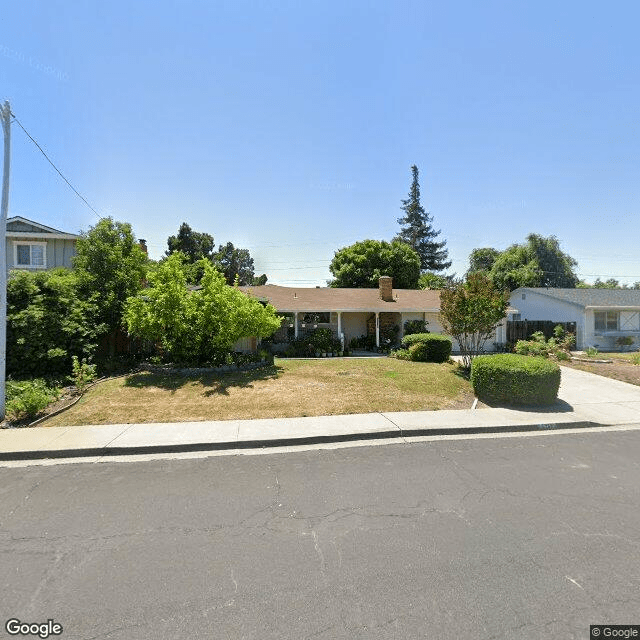
4348 Satinwood Drive, Concord, CA 94521
For more information about senior living options: (866) 208-4318
Ellura Home Care Services Costs & Pricing
Ellura Home Care Services offers competitive pricing for its care options, reflecting both the quality of service provided and the regional market. For a semi-private room, the monthly cost at Ellura is $3,500, which is slightly higher than the average in Contra Costa County at $3,471 but remains favorable compared to the broader California average of $3,333. Meanwhile, those opting for a private room will find Ellura's rate of $4,500 to be above the county's average of $4,088 and the state's average of $3,939. This positioning suggests that while Ellura may charge a bit more than local competitors and state averages for some options, clients are likely paying for an elevated level of personalized care and attention that enhances their overall experience.
| Floor plans | Ellura Home Care Services | Contra Costa County | California |
|---|---|---|---|
| Semi-Private | $3,500 | $3,471 | $3,333 |
| Private | $4,500 | $4,088 | $3,939 |
Memory care communities with a similar price nearby
-
from -$500 / mo
Laylor Care Home For The Elderly
$3,000 to $4,000 / month9.0 miles away -
from -$305 / mo
Harbor Bay Assisted Living
$3,195 to $5,000 / month21.4 miles away -
from +$500 / mo
Golden Age Of Channing Way
$4,000 to $5,000 / month21.4 miles away -
About the same
East Bay Assisted Living
$3,500 to $5,000 / month18.2 miles away -
from +$475 / mo

Merrill Gardens at Lafayette
$3,975 to $8,995 / month9.0 miles away
Overall Review of Ellura Home Care Services
Pros
 The staff are engaged with the residents and accommodate their needs.
- They are doing a great job and are loving and professional.
- The mother is safe and well cared for.
- She is always clean and well dressed.
- The setting is perfect for her, and the price is right given that she’s so well taken care of.
- The care has led to noticeable improvements for the mother within the first week.
- The facility feels more human and caring than other options.
Cons
 There aren’t many activities in the setting.
- There are only 3 or 4 residents with 2 caregivers around the clock, leaving little for residents to do.
- The place looked a little messier.
- Other facilities were more physically organized but avoided engaging with residents.
- There is a lack of opportunities to walk or go outdoors for residents.
- Care is described as expensive.
Review
Ellura Home Care Services in Concord is best suited for families seeking a small, home-like care setting where residents receive highly personalized, hands-on attention. It appeals to seniors who prioritize daily safety, consistent staff relationships, and a warm, human environment over a polished, institutional feel. This is the kind of place where caregivers know residents’ routines, preferences, and idiosyncrasies, and where daily care feels intimate rather than commodified. The arrangement shines when the priority is a peaceful, predictable routine, clear cleanliness, and a sense of being cared for as an individual within a close-knit community. For families who want a larger, more activity-driven or medically intensive program, this may not check all boxes.
Those who should consider alternatives are those seeking robust programming, frequent social outings, or strong medical oversight. If a resident needs regular structured activities, frequent walking programs, or a calendar of diversified experiences, a larger assisted living community or a setting with dedicated therapy and recreation staff may serve better. Similarly, if medical complexity requires frequent on-site clinical management, or if a family prioritizes a bustling social scene with extensive resident-to-resident interaction, another option could prove a better fit. Ellura’s intimate scale and emphasis on personal attention deliver safety and warmth, but they come with trade-offs in programming depth and mobility-oriented opportunities.
The strongest pros center on safety, warmth, and affordability in a humane, individualized environment. Residents are described as safe, clean, and well dressed, with staff who are loving, professional, and consistently present. The small size, roughly three to four residents with around-the-clock caregiver coverage, enables meaningful engagement and rapid response times, something a larger facility may struggle to match. This level of attention translates into real peace of mind for families who value knowing who is caring for Mom or Dad every day and who want caretakers to respond with familiarity to changing needs. The setting’s messier, more “homey” aesthetic is not a defect here but a reflection of a lived-in, relational atmosphere that many families find preferable to a clinical look and feel.
Yet the same small, intimate structure creates some notable drawbacks. Activity offerings are limited, and there is a visible reliance on family members to supplement daily life with personal engagements, knitting, in one case, being a prime example. Social opportunities are naturally restricted by the small resident pool, which can limit spontaneous conversations or shared experiences. Another realistic constraint is mobility and outings: while the care team is present, there is little evidence of a built-in program to get residents moving or to arrange outings, and one reviewer noted a desire for outdoor walking that did not appear to be routinely accommodated. These gaps can be meaningful for residents who crave regular, structured activity or outdoor time.
From a decision standpoint, families should weigh the trade-offs with practical diligence. Ellura’s core strengths, safety, dignity, and a home-like atmosphere, offset the lean activity calendar and limited excursions by delivering highly personalized care that many seniors value as principal. The price point is described as reasonable for the level of attention and protection provided, a meaningful factor for families balancing budget with quality of life. However, the lack of routine, externally organized activities means families must assess whether they are prepared to supplement care with home-based or family-driven programming. Prospective residents should probe whether staff can accommodate preferred activities, if there is flexibility for outdoor time, and how caregiver coverage scales as needs evolve.
In sum, Ellura is a practical, candid match for families prioritizing intimate, attentive care in a warm, less institutional setting, where the human touch matters most and cost remains a consideration. It excels for seniors who thrive on predictable routines, close relationships with a small caregiving team, and a safe, well-kept environment. It is less well-suited for those who require robust daily programming, frequent social outings, or advanced medical oversight. For families evaluating Ellura, the next step should be concrete: verify daily schedules, confirm the caregiver-to-resident ratio at different shifts, discuss preferred activities, and explore whether outdoor time can be integrated regularly. A visit that includes casual conversations with staff and a short resident interaction can reveal how well the reality aligns with the impression of warmth and professionalism that defines Ellura.
 6 resident community capacity
 Assisted Living
 Board and Care Home
 Memory Care
 Respite Care
 Cable or satellite TV
 Dining room
 Fully furnished
 Garden
 Housekeeping services
 Move-in coordination
 Outdoor space
 Private
 Telephone
 Wi-Fi/high-speed internet available
 Metropolitan Oakland International (22 miles away)
 24-hour supervision
 Activities of daily living assistance
 Assistance with bathing
 Assistance with dressing
 Assistance with transfers
 Diabetes diet
 Meal preparation and service
 Medication management
 Special dietary restrictions
 Transportation arrangement (medical)
 Transportation to doctors appointments



 Medications Associated with Dementia Risk: A Comprehensive Overview
 Guiding Your Journey: Understanding Power of Attorney for Elderly Parents
 22 Remarkable Caregiver Support Groups Available Online and In-Person