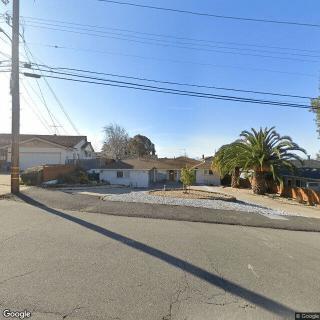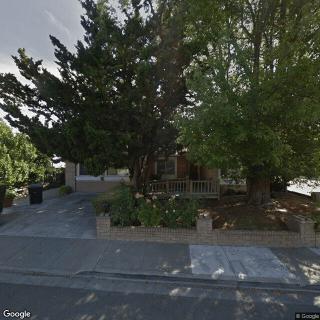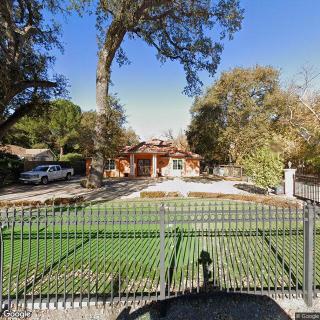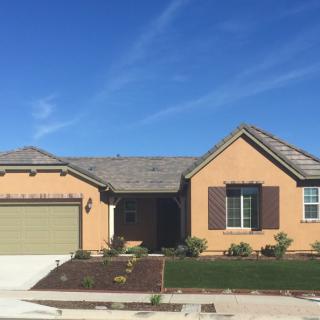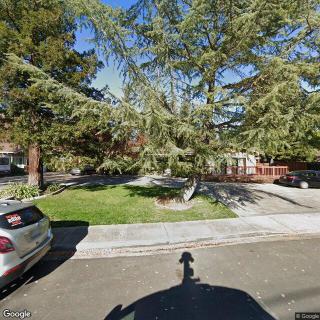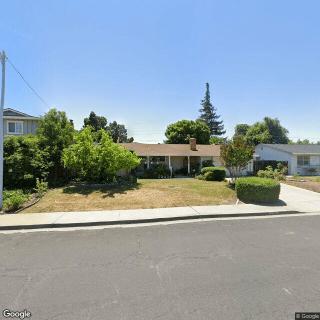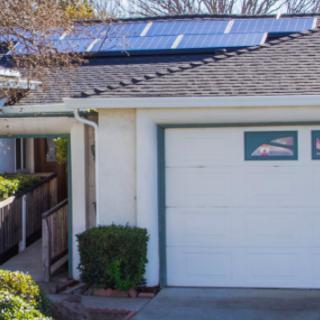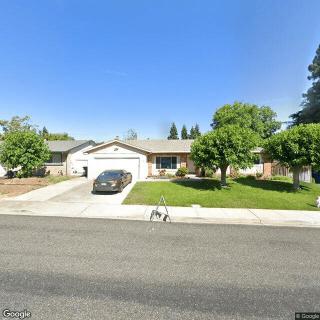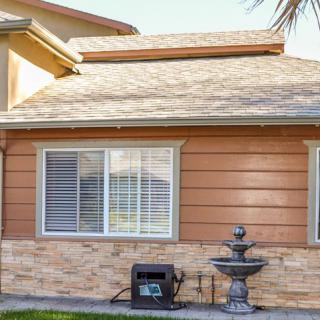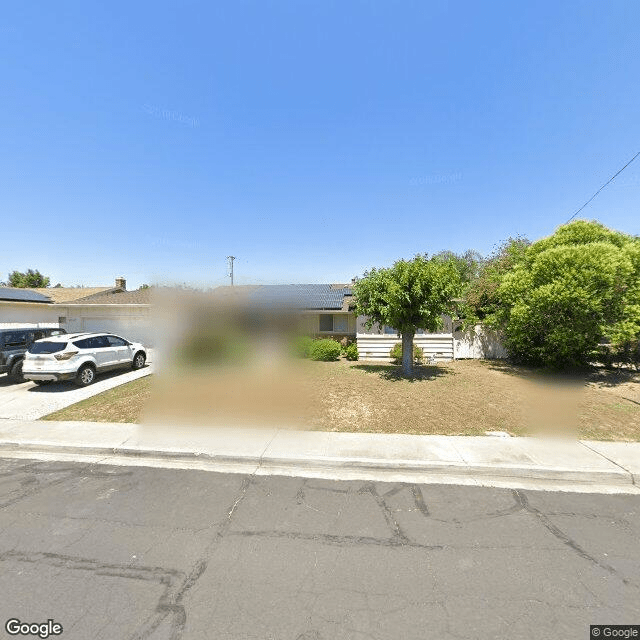
Qcare Residential Facility III in Concord, CA

Save
Qcare Residential Facility III

Qcare Residential Facility III in Concord, CA

4369 Fairwood Drive, Concord, CA 94521

For more information about senior living options: (844) 490-3973

4 from 1 review
Assisted Living Board and Care Home

Qcare Residential Facility III Costs & Pricing

At Qcare Residential Facility III, the cost for a private room is set at $5,000 per month. This figure positions the facility above the average rates observed in both Contra Costa County and across California, where private rooms are typically priced at $4,088 and $3,939 respectively. While this pricing may suggest a premium service level or specialized care offerings, it's essential for prospective residents and their families to consider what additional benefits might justify the higher expense compared to local and state averages.

Floor plansQcare Residential Facility IIIContra Costa CountyCalifornia
Private$5,000$4,088$3,939

Overall Review of Qcare Residential Facility III

Pros

  • pro The owner is available when needed to discuss care issues.
  • pro The day-to-day staff are helpful.
  • pro They are good at documenting medication and related details.
  • pro They have a transport van and are great about taking residents to appointments.
  • pro The food is varied and prepared onsite.
  • pro Overall, families feel comfortable with their loved ones being there for more than three years.

Review

Qcare Residential Facility III in Concord is best suited for families seeking a small, hands-on care environment where leadership is accessible and daily operations run smoothly. The strongest combination is a hands-on owner presence paired with dependable day-to-day staff, precise medication documentation, and practical supports like transportation to appointments. Meals are prepared onsite with variety, contributing to everyday satisfaction and nutrition. Families prioritizing reliable oversight, consistent routines, and clear accountability will find this community meets those priorities in tangible ways. The history of comfort for a family member over more than three years signals a stable, predictable environment rather than a flashy, high-activity facility.

Those who should consider alternatives are families looking for more expansive medical oversight or specialized programming. If a resident requires robust 24/7 nursing coverage, a large campus with diverse advanced therapies, or formal memory-care programming, this setting may not align with those needs. Likewise, families seeking highly structured social calendars, extensive on-site medical services, or a wide array of respite and post-acute rehabilitation options might be better served by larger operators with broader clinical teams. Prospective residents should also compare pricing transparency and the scope of services to ensure expectations about level of care are fully aligned.

The primary strengths - owner availability, helpful frontline staff, meticulous medication documentation, and reliable transportation - work together to offset the kinds of gaps that can hinder care in smaller facilities. Direct access to the owner means questions, concerns, and care-plan tweaks can be addressed quickly, reducing delays and anxiety. Day-to-day staff who are consistently helpful translate into smoother routines for meals, medications, and daily tasks. The documented medication process minimizes dosing errors, a critical factor in ongoing safety. The transport capability for appointments relieves families from constant driving and ensures that medical follow-ups aren't missed. Taken together, these positives create a dependable core of operations that many families value highly.

Stability and continuity emerge as meaningful indicators of quality care in this setting. A family member remaining comfortably for more than three years suggests that routines are sustainable, staff relationships are stable, and the overall environment is trustworthy. The combination of a personable owner and a reliable transport option further supports sustained engagement with healthcare providers, which matters when medical needs evolve. Meals prepared onsite contribute to daily well-being and can reduce the risk of dietary neglect or monotony. While the record presents no explicit downsides, this is a smaller operation, which often means fewer on-site medical resources. That context matters for families evaluating long-term residency expectations.

From a practical decision-making standpoint, several steps help verify fit before moving a loved one in. Schedule a live tour to observe interactions between the owner, staff, and residents; assess how med-passings are handled during a typical shift; request to see a sample care plan and any recent updates to the resident's medication or daily routines. Inquire about the transportation policy, including how far the van can travel, whether accompanying family members are allowed, and how appointments are coordinated with hospitals. Ask about meal examples, dietary accommodations, and how changes in appetite or weight are monitored. These checks provide a concrete sense of daily life and the facility's readiness to adapt to evolving needs.

Bottom line: this community excels for families prioritizing direct owner involvement, dependable daily documentation, and practical support like transportation to appointments, all delivered in a comfortable, home-like setting. It is a strong match for residents who are largely independent with some assistance, who value predictable routines, and who want a transparent, communicative care team that acts quickly when issues arise. However, for those seeking extensive clinical nursing coverage, memory-care specialization, or a large, program-rich campus, alternatives with broader medical infrastructures will likely serve better. The prudent path is to visit, meet the owner, verify staffing patterns, review the most recent care plan, and confirm that the level of clinical support aligns with current and future needs.

Features

Housing

  • 6 resident community capacity 6 resident community capacity
  • Studio apartments Studio apartmentsStudio apartments are important for seniors because they offer a smaller, more manageable living space that is easier to navigate and maintain as physical abilities decline. Additionally, studio apartments provide seniors with independence and privacy while still being part of a community that offers support and social opportunities.

Types of Care

  • Assisted Living Assisted LivingAssisted living facilities provide crucial support and care for seniors who may need help with daily tasks such as medication management, bathing, and meal preparation. These communities offer a safe and comfortable environment where seniors can maintain their independence while receiving the assistance they need to thrive in their golden years.
  • Board and Care Home Board and Care HomeBoard and care homes provide a smaller, more intimate setting for seniors who require assistance with daily tasks but do not need the level of care offered by a nursing home. They offer personalized care, meals, and social activities in a homelike environment, ensuring that seniors receive individualized attention and support in their golden years.

Amenities

  • Cable or satellite TV Cable or satellite TVCable or satellite TV is important for seniors because it provides entertainment, news, and companionship, helping to combat loneliness and boredom. It also offers a wide range of programming options tailored to different interests and preferences.
  • Dining room Dining roomDining rooms are important for seniors as they provide a space for socialization, connection, and nutritious meals. They offer opportunities for residents to bond over shared meals, foster a sense of community, and promote healthy eating habits. Dining rooms also ensure that seniors have access to well-balanced meals tailored to their dietary needs and preferences.
  • Fully furnished Fully furnishedFully furnished senior living communities are important for seniors because they provide convenience, comfort, and a hassle-free moving experience. Seniors can easily settle into their new living space without the stress of having to buy and move furniture. This allows them to focus on enjoying their new home and community.
  • Garden GardenGardens are important for seniors as they provide a peaceful and therapeutic environment for relaxation, physical activity, and socialization. Being in nature has been shown to reduce stress, improve mood, and promote overall well-being. Gardens also offer opportunities for seniors to engage in gardening activities, which can improve mobility, flexibility, and cognitive function. Additionally, gardens create a sense of community and connection with others who share a passion for plants and outdoor spaces.
  • Housekeeping services Housekeeping servicesHousekeeping services are important for seniors because they help maintain a clean and safe living environment, promote independence, and reduce the risk of accidents or illnesses. Additionally, having assistance with household chores can alleviate physical strain and allow seniors to focus on other aspects of their well-being.
  • Move-in coordination Move-in coordinationMove-in coordination is important for seniors because it helps ease the transition into their new living environment. It ensures that all logistics, such as packing, organizing movers, and setting up utilities are taken care of, allowing seniors to focus on settling in and adjusting to their new home. Having a smooth move-in process can alleviate stress and anxiety, making the transition smoother and more enjoyable for seniors.
  • Outdoor space Outdoor spaceOutdoor spaces are important for seniors as they provide opportunities for physical activity, social interaction, exposure to natural light and fresh air, and a sense of connection to nature. Having access to outdoor spaces can improve overall well-being and quality of life for older adults living in senior communities.
  • Private PrivatePrivacy is important for seniors as it allows them to maintain their independence, dignity, and sense of control over their own lives. It also gives them the space and freedom to relax, reflect, and engage in activities that bring them joy and fulfillment. Creating private spaces within senior living facilities is crucial for promoting overall well-being and quality of life.
  • Private bathrooms Private bathroomsPrivate bathrooms are important for seniors in senior living communities because they provide independence, dignity, and comfort. Having a private bathroom allows seniors to maintain their personal hygiene routines without the need for assistance, promoting a sense of autonomy and privacy. Additionally, private bathrooms help prevent the spread of infections and provide a safe and clean environment for seniors to navigate safely.
  • Telephone TelephoneTelephones are important for seniors as they provide a lifeline for communication with loved ones, emergency services, and healthcare providers. They offer a sense of security and independence, enabling seniors to stay connected and access assistance when needed.
  • Wi-Fi/high-speed internet available Wi-Fi/high-speed internet availableWi-Fi/high-speed internet is important for seniors to stay connected with loved ones, access online resources, and participate in virtual activities to combat feelings of loneliness and isolation. It also allows them to easily manage healthcare needs, access entertainment, and engage in lifelong learning opportunities.

Transportation

  • Metropolitan Oakland International (22 miles away) Metropolitan Oakland International (22 miles away)

Care Services

  • 24-hour supervision 24-hour supervision24-hour supervision is important for seniors to ensure their safety, well-being, and access to immediate assistance in case of emergencies or health issues. This constant support provides peace of mind for both seniors and their loved ones, allowing them to age in place with dignity and security.
  • Activities of daily living assistance Activities of daily living assistanceActivities of daily living assistance are important for seniors because they provide essential support with tasks such as eating, bathing, dressing, and mobility. This assistance helps seniors maintain their independence, dignity, and overall quality of life as they age.
  • Assistance with bathing Assistance with bathingAssistance with bathing is crucial for seniors as it helps maintain personal hygiene, prevents infections, and ensures their overall well-being and comfort. It also provides a sense of dignity and independence for seniors who may struggle with this task on their own.
  • Assistance with dressing Assistance with dressingAssistance with dressing is important for seniors because it helps maintain their independence, promotes personal hygiene, prevents accidents and injuries, and improves overall quality of life. This service ensures that seniors can continue to dress comfortably and confidently, despite any physical limitations they may have.
  • Assistance with transfers Assistance with transfersAssistance with transfers is crucial for seniors as it helps prevent falls and injuries, maintains their independence, and ensures they can safely navigate their living environment. It also provides peace of mind for both seniors and their loved ones.
  • Coordination with health care providers Coordination with health care providersCoordination with health care providers is crucial for seniors to ensure proper medical care, medication management, and overall well-being. This collaboration helps prevent overlapping treatments, track progress more effectively, and provide comprehensive support tailored to individual needs.
  • Diabetes diet Diabetes dietA diabetes diet is crucial for seniors as it helps manage blood sugar levels, reduce risks of complications, and improve overall health and well-being. By following a balanced and nutritious diet tailored to their specific needs, seniors can better control their diabetes and enhance their quality of life.
  • Diabetic care Diabetic careDiabetic care is crucial for seniors as they are more susceptible to developing diabetes due to aging and other health conditions. Proper management of diabetes can help prevent complications such as heart disease, vision loss, and nerve damage, improving the overall quality of life for seniors in senior living communities.
  • High acuity care High acuity careHigh acuity care is important for seniors because it provides specialized medical attention and support for individuals with complex medical needs. This level of care ensures that seniors receive the appropriate treatment and assistance to maintain their health and quality of life as they age.
  • Incontinence care Incontinence careIncontinence care is essential for seniors to maintain their dignity, hygiene, and overall quality of life. By addressing incontinence issues promptly and effectively, seniors can enjoy a sense of independence and comfort in their daily activities.
  • Meal preparation and service Meal preparation and serviceMeal preparation and service are crucial for seniors as they may have limited mobility or energy to cook nutritious meals. Having access to healthy and convenient food options can ensure they are getting the proper nutrition needed to maintain their overall health and well-being.
  • Medication management Medication managementMedication management is crucial for seniors to ensure they are taking the right medications at the correct dosages and times. This helps prevent adverse drug interactions, reduces the risk of medication errors, and promotes overall health and well-being. Proactive management also allows for adjustments as needed based on changing health conditions or new prescriptions.
  • Special dietary restrictions Special dietary restrictionsSpecial dietary restrictions are important for seniors because age-related changes in metabolism and health conditions can make it difficult for their bodies to process certain foods. By following a diet tailored to their specific needs, seniors can maintain their overall health and well-being, manage chronic conditions, and reduce the risk of complications such as malnutrition or food interactions with medications.
  • Transportation arrangement (medical) Transportation arrangement (medical)Transportation arrangements for medical purposes are essential for seniors as they may have difficulty driving themselves to appointments or accessing public transportation. Having reliable and safe transportation options ensures that seniors can receive timely medical care and maintain their health and well-being.
  • Transportation to doctors appointments Transportation to doctors appointmentsTransportation to doctors' appointments is crucial for seniors as it ensures they have access to necessary medical care and support for their health needs. Without reliable transportation, seniors may struggle to attend important appointments, leading to potential delays in treatment and health complications. Providing transportation services helps seniors maintain their overall well-being and quality of life.
Dining

  • Diabetes diet Diabetes dietA diabetes diet is crucial for seniors as it helps manage blood sugar levels, reduce risks of complications, and improve overall health and well-being. By following a balanced and nutritious diet tailored to their specific needs, seniors can better control their diabetes and enhance their quality of life.
  • Special dietary restrictions Special dietary restrictionsSpecial dietary restrictions are important for seniors because age-related changes in metabolism and health conditions can make it difficult for their bodies to process certain foods. By following a diet tailored to their specific needs, seniors can maintain their overall health and well-being, manage chronic conditions, and reduce the risk of complications such as malnutrition or food interactions with medications.

Activities

  • Community-sponsored activities Community-sponsored activitiesCommunity-sponsored activities are important for seniors as they provide opportunities for social interaction, mental stimulation, and physical activity. These activities can help improve overall well-being, combat loneliness and isolation, and promote a sense of belonging and purpose among older adults.
  • Scheduled daily activities Scheduled daily activitiesScheduled daily activities are important for seniors because they provide structure, socialization, mental stimulation, and physical activity. Engaging in regular activities can improve overall well-being and quality of life for seniors living in a community setting.

Description

Qcare Residential Facility III is an assisted living community located in Concord, CA. As a board and care home, we offer personalized care and support for our residents in a homelike environment. Our facility provides a range of amenities to ensure the comfort and well-being of our residents.

Our dining room offers nutritious meals that cater to special dietary restrictions, ensuring that each resident receives the proper nutrition they need. The facility itself is fully furnished, providing a comfortable and cozy setting for our residents to relax and enjoy their days.

We also have a beautiful garden where residents can spend time outdoors and enjoy nature. Our housekeeping services ensure that the facility is always clean and well-maintained.

To make the transition into our community as smooth as possible, we offer move-in coordination assistance. We understand that transportation may be a concern for some residents, so we provide transportation arrangements for medical appointments as well as nearby cafes, parks, pharmacies, physicians' offices, restaurants, places of worship, and theaters.

In terms of care services, our dedicated staff provides assistance with activities of daily living such as bathing, dressing, and transfers. We also coordinate with healthcare providers to ensure comprehensive care for our residents. We specialize in high acuity care and offer diabetes diet management and diabetic care. Our team is experienced in providing incontinence care and medication management.

Residents can engage in scheduled daily activities designed to promote social interaction and mental stimulation. This encourages an active lifestyle within our community.

At Qcare Residential Facility III, we strive to create an inclusive environment where every resident feels like part of a family while receiving the highest quality of care possible.

Nearby Places of Interest

This part of Concord, California, offers a variety of amenities and services that cater to seniors looking for a convenient and comfortable living environment. With several restaurants within walking distance, such as Subway, McDonald's, and Nation's Giant Hamburgers & Great Pies, residents have easy access to dining options. The presence of multiple pharmacies like CVS and Walgreens ensures that medical needs can be easily met. Additionally, there are several parks nearby for recreational activities and enjoying the outdoors, such as Newhall Community Park and Markham Nature Park. Medical care is also readily available with physicians like Charles Renner, MD and Muir Orthopaedic Specialists in close proximity. For transportation needs, the North Concord/Martinez BART Station provides easy access to public transit. Overall, this area offers a well-rounded community with convenient amenities for seniors looking to settle in Concord.

Restaurants

  • Subway (0.5 miles)
  • Nation's Giant Hamburgers & Great Pies (0.5 miles)
  • McDonald's (0.5 miles)
  • Ej Phair Brewing Co & Ail House (2.9 miles)
  • McDonald's (3.4 miles)
  • Rocco's Ristorante & Pizzeria (3.5 miles)
  • Lazy Dog Restaurant & Bar (4 miles)

Pharmacies

  • CVS Pharmacy (0.8 miles)
  • CVS Pharmacy (1.8 miles)
  • Longs Drugs (1.8 miles)
  • Walgreens (1.8 miles)
  • CVS Pharmacy (2.6 miles)
  • Walgreens (3.2 miles)
  • Walgreens (3.3 miles)

Parks

  • Newhall Community Park (1 miles)
  • Markham Nature Park and Arboretum (1.3 miles)
  • Lime Ridge Open Space (1.6 miles)
  • Ellis Lake Park (3.1 miles)
  • Arbolado Park (3.6 miles)
  • Heather Farm Dog Park (4.7 miles)
  • Heather Farm Park (4.7 miles)

Physicians

  • Charles Renner, MD (1.2 miles)
  • Muir Orthopaedic Specialists (3.1 miles)
  • California Center for Sleep Disorders (3.1 miles)
  • Communication Across Barriers Speech Clinics (3.1 miles)
  • Diablo Valley Primary Care (3.1 miles)
  • John Muir Physician Network (3.2 miles)
  • Jain, Suprabha - Suprabha Jain MD-MDI Wellness Center (3.3 miles)

Transportation

  • U-Haul of Concord (3.1 miles)
  • North Concord/Martinez BART Station (3.3 miles)
  • Pleasant Hill/Contra Costa Centre BART Station (4.9 miles)
  • Walnut Creek BART Station (6.4 miles)

Places of Worship

  • Queen of All Saints (3.1 miles)
  • Our Lady Queen of the World Church (4 miles)

Theaters

  • Solano Drive In (4.4 miles)
  • Century 16 Downtown Pleasant Hill and XD (4.7 miles)
  • Century Walnut Creek 14 and XD (6.6 miles)

Cafes

  • Starbucks (4.7 miles)
  • Starbucks (4.9 miles)
  • Starbucks (5.2 miles)
  • Bondadoso Coffee & Tea Collective Add to Favorites (6 miles)
  • Marketplace Cafe (6.5 miles)
  • Philz Coffee (6.7 miles)
  • Starbucks (6.9 miles)

Hospitals

  • Kaiser Permanente Medical Center (6.7 miles)
  • Davita Kidney Care (8.2 miles)

Frequently Asked Questions

How much does it cost to live at Qcare Residential Facility III in Concord, CA?
What floor plans and room types does Qcare Residential Facility III offer?
Where is Qcare Residential Facility III?

Nearby Communities

  • Qcare Residential Facility II

    Qcare Residential Facility II

    Concord, CA

    4.3 from 3 reviews
    $5,000 / month

    pro Clean, updated facility with friendly staff, 24-hour care, and private studio rooms in a convenient Concord location.

  • Ellura Home Care Services

    Ellura Home Care Services

    Concord, CA

    5 from 3 reviews
    $3,500 to $4,500 / month

    pro Intimate, small-capacity setting with personalized, attentive care.

  • Magnolia Guest Home

    Magnolia Guest Home

    Concord, CA


    pro Small, intimate setting with comprehensive care and dietary accommodations.

  • Home Sweet Care Homes

    Home Sweet Care Homes

    Concord, CA

    5 from 5 reviews
     

    pro Home-like setting with comprehensive daily living support, meals, activities, housekeeping, and transportation.

  • A Blissful Retreat-Wilson

    A Blissful Retreat-Wilson

    Concord, CA


    pro Small, personalized assisted living with furnished rooms and full services.

  • M&V Residence

    M&V Residence

    Concord, CA

     
    $2,200 to $2,800 / month

    pro Pricing below county/state averages for semi-private and private rooms

  • Welcome Home Senior Residence(Concord)

    Welcome Home Senior Residence(Concord)

    Concord, CA

    4.4 from 5 reviews
    $7,000 to $8,000 / month

    pro Friendly, attentive staff in a clean, well-run facility with comprehensive on-site care options.

  • Walnut Creek Manor

    Walnut Creek Manor

    Walnut Creek, CA

    4.4 from 102 reviews
    $814 to $1,127 / month

    pro Affordable pricing in a central Walnut Creek location.

  • La Casa Via Transitional Care Center

    La Casa Via Transitional Care Center

    Walnut Creek, CA

    4.1 from 55 reviews
     

    pro Friendly staff, engaging activities, and strong family communication.

Related Resources

  • assisted living vs memory careUnderstanding the Distinctions: Assisted Living and Memory Care Explained

    The article differentiates between assisted living and memory care, explaining that assisted living supports seniors with daily activities while promoting independence, whereas memory care provides specialized services for individuals with dementia, focusing on secure environments and cognitive support. It also addresses staff training, safety considerations, costs, family involvement, and transition strategies for families navigating these care options.

  • elderly parent refuses assisted livingGuiding Elderly Parents Who Refuse Assisted Living: 6 Practical Steps

    Family caregivers face emotional, legal, and practical challenges when elderly parents refuse assisted living, often due to fears of losing autonomy. Open conversations and professional assessments can help address these concerns while exploring alternatives and ensuring safety, potentially leading to legal guardianship if necessary.

  • luxury assisted livingYour Comprehensive Guide to Luxury Assisted Living: Elevated Facilities, Amenities, and Costs

    Luxury assisted living offers high-quality senior care in a resort-like environment that combines essential medical support, gourmet dining, and personalized services to enhance residents' independence and well-being. These upscale facilities emphasize holistic health and community-building through customized care plans and social activities, catering to the growing demand for enriched senior living experiences despite higher costs.