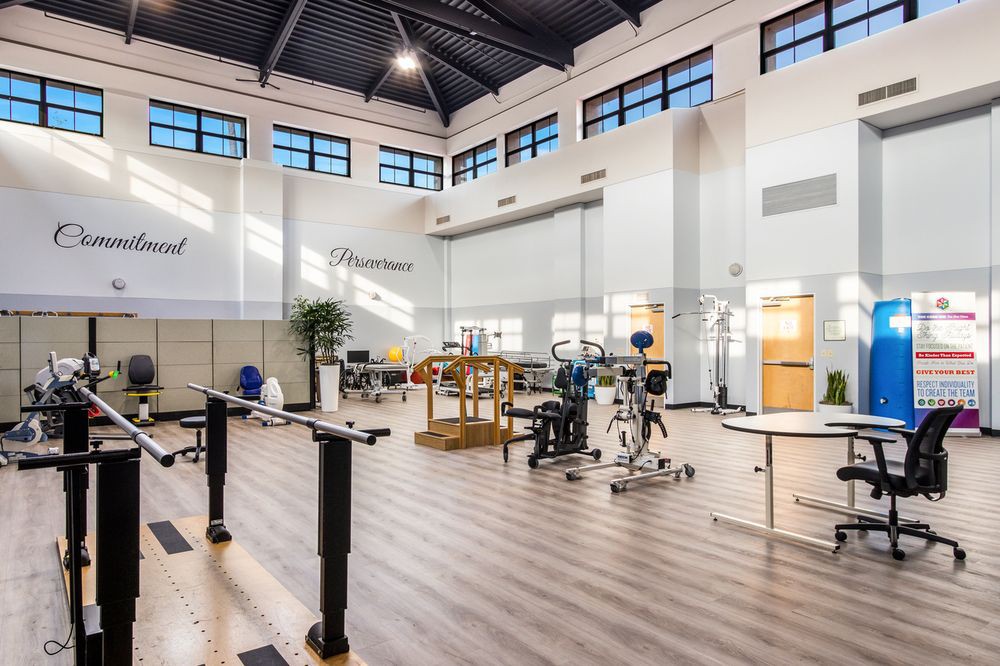
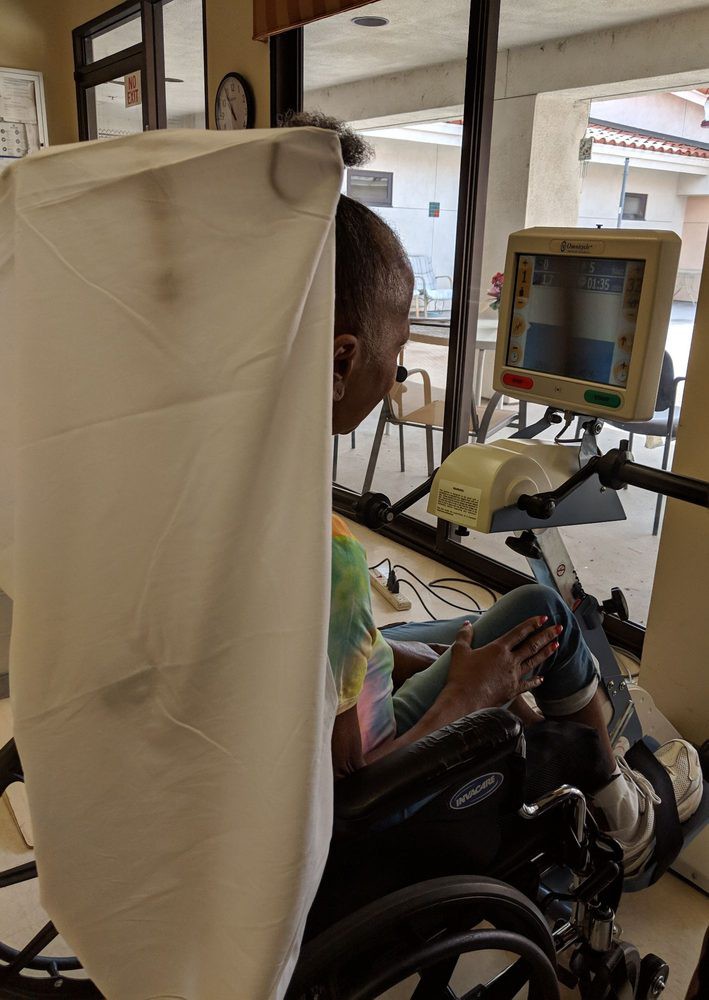
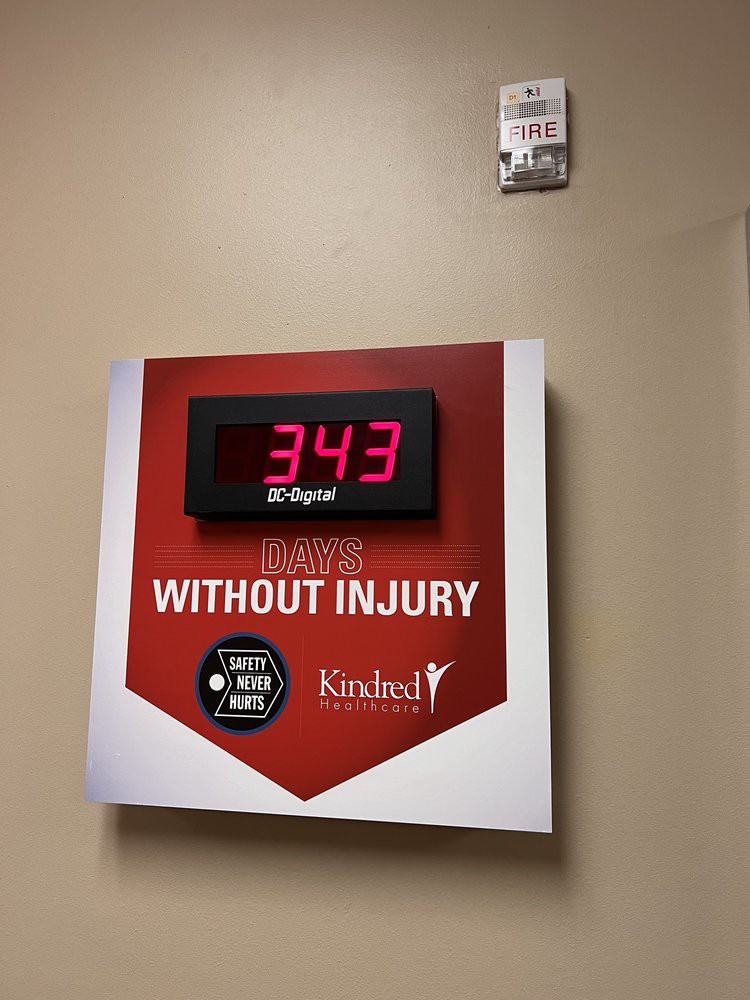
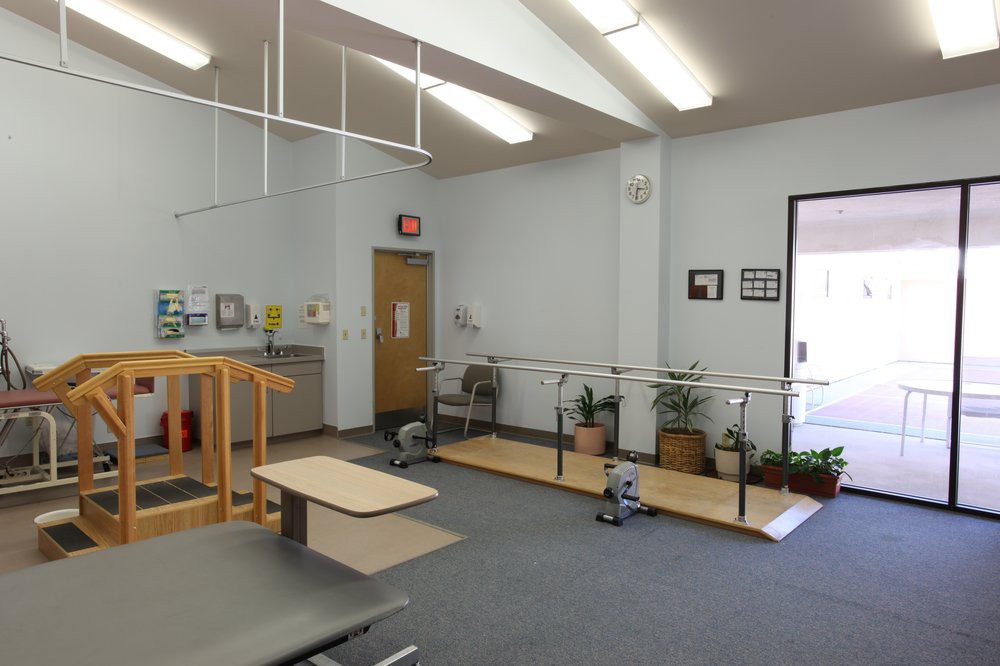
Rehabilitation therapy is the most consistently praised part of care.
Many residents and family members describe physical therapy and occupational or speech therapy teams as supportive, professional, and motivating. A number of reviews specifically call out improvements in walking, strength, mobility, and swallowing progress, crediting named therapists. Even where other parts of the stay were frustrating, therapy often remains the strongest area people mention.
common
Patient advocates and communication matter
Patient advocates help families feel informed and supported.
Several reviews highlight a patient advocate (often named) as a key point of contact for questions, requests, and day-to-day concerns. Families describe the advocate as responsive, helpful with coordinating needs, and willing to listen and follow through. Multiple reviews also describe better outcomes when communication is handled clearly.
caveat
Food is sometimes hit or miss
Food quality and temperature vary across reviews.
While some residents describe the food as above average or surprisingly good, others mention issues like meals arriving cold, being too dry, or not matching preferences and restrictions. A few reviews specifically describe difficulties with meal timing, incorrect meal delivery, or limited variety. Even in positive stays, at least one review calls out opportunities around food temperature and customization.
caveat
Call light response and staffing concerns
Some residents report slow help after pressing the call light.
Multiple reviews mention delays in getting assistance, including slow responses for night shift or after using the call light. A few residents describe feeling frustrated when help arrived late for routine needs like repositioning or cleaning. At the same time, other reviews say help is timely, so the experience appears inconsistent depending on shift and staffing.
caveat
Cleanliness and environment get mixed feedback
Cleanliness is praised, but some reviews describe serious lapses.
Several residents describe rooms and the overall facility as clean and well maintained, with daily cleaning and a comfortable environment. Other reviews, however, describe hygiene problems such as rooms not being cleaned, bedding not being changed, and reports of foul odor or soiled conditions. Together, these reviews suggest cleanliness can vary and may be a concern for some families.
How we summarize
We summarize when many written reviews mention each theme; a review can touch several themes, and only frequently mentioned themes are displayed.
Features
Housing
38 resident community capacity
Types of Care
Skilled Nursing Facility
Amenities
Beauty salon
Cable or satellite TV
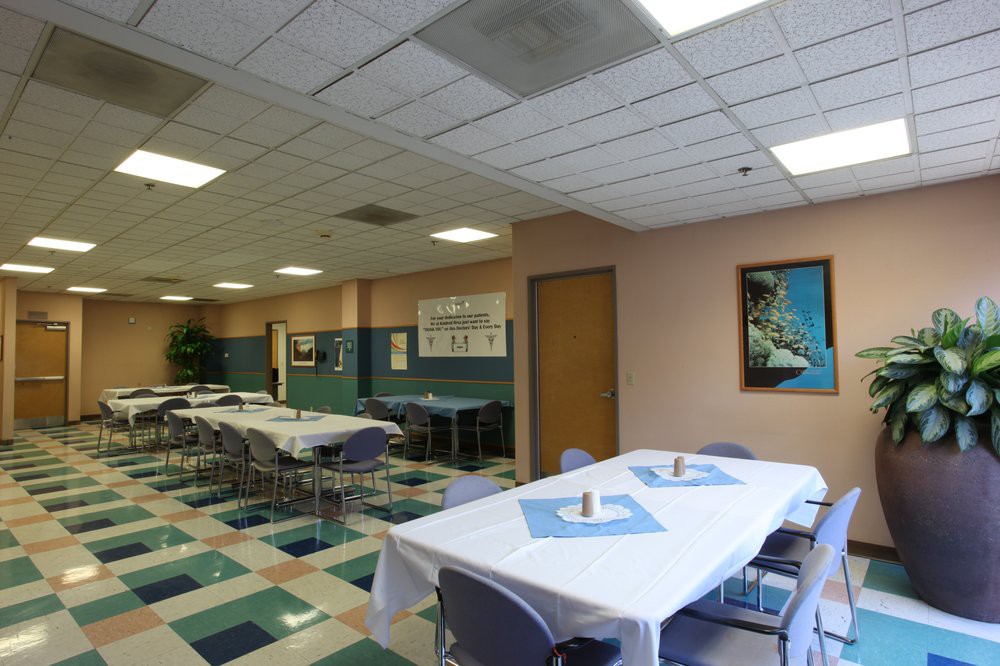
Dining room
Fully furnished
Garden
Housekeeping services
Kitchenette
Move-in coordination
Outdoor space
Restaurant-style dining
Small library
Telephone
Wi-Fi/high-speed internet available
Transportation
Long Beach (Daugherty) (17 miles away)
John Wayne Orange Co (18 miles away)
Ontario International (19 miles away)
Care Services
24-hour call system
24-hour supervision
Activities of daily living assistance
Assistance with bathing
Assistance with dressing
Assistance with transfers
Diabetes diet
Meal preparation and service
Medication management
Mental wellness program
Special dietary restrictions
Dining
Diabetes diet
Special dietary restrictions
Activities
Community-sponsored activities
Resident-run activities
Scheduled daily activities
Nearby Places of Interest
Physicians
St Jude's Heritage Medical Center (0.6 miles)
St Jude Medical Center (3.4 miles)
Kaiser Permanente Diamond Bar Medical Offices (5.5 miles)
Kaiser Permanente Medical Building 1 (6.3 miles)
Kaiser Permanente, Euclid & Romneya (6.4 miles)
Pharmacies
CVS Pharmacy (1.1 miles)
CVS Pharmacy (2.6 miles)
CVS Pharmacy (3.2 miles)
CVS Pharmacy (3.3 miles)
Walgreens (3.6 miles)
Rite Aid (3.8 miles)
Walgreens (3.8 miles)
Restaurants
Lazy Dog Restaurant & Bar (1.6 miles)
The Hat (1.7 miles)
Chick-Fil-A (1.8 miles)
Summit House Restaurant (2.6 miles)
Banana Bay Restaurant (3.8 miles)
Olde Ship (4.4 miles)
Thirsty Cow Korean BBQ (4.5 miles)
Cafes
Mother's Kitchen (1.7 miles)
Starbucks (2.9 miles)
Tiger Sugar (3.7 miles)
Delicious Food Corner (5.2 miles)
Starbucks (6.4 miles)
Starbucks (6.4 miles)
Anaheim Packing District (7.2 miles)
Parks
Craig Regional Park (1.9 miles)
La Bonita Park (3.9 miles)
Creekside Park (6.4 miles)
Steve Ambriz Memorial Park (7.1 miles)
Michigan Park (7.7 miles)
Pantera Park (8 miles)
Willow Park (8.1 miles)
Theaters
AMC Puente Hills 20 (4.6 miles)
AMC DINE-IN Fullerton 2 (5.3 miles)
Regal Yorba Linda & Imax (5.6 miles)
Century Theatres (8.8 miles)
Places of Worship
Calvary Chapel Golden Springs (6.2 miles)
Chinese Baptist Church (7 miles)
Hospitals
Anaheim Regional Medical Center (6.4 miles)
Ahmc Whittier Hospital Medical Center (6.4 miles)
Transportation
Metro La Mirada & Alondra Bus Stop (6.7 miles)
Drr Toontown Station (8.4 miles)
Disneyland Monorail (8.5 miles)
Drr Tomorrowland Station (8.5 miles)
DLRR New Orleans Station (8.7 miles)
Disneyland Monorail - Downtown Disney District Station (8.8 miles)
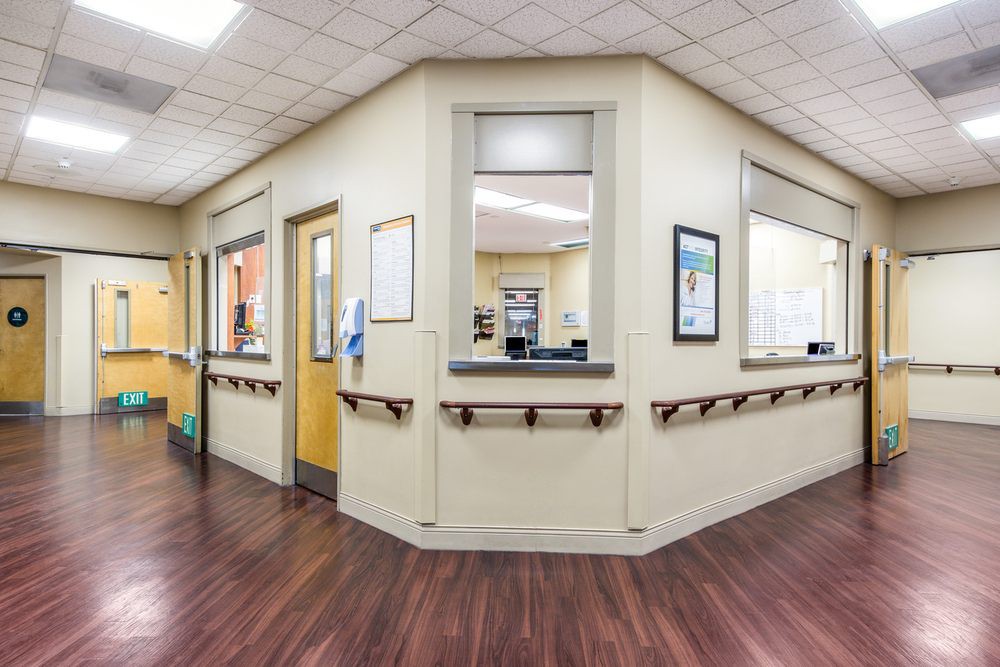
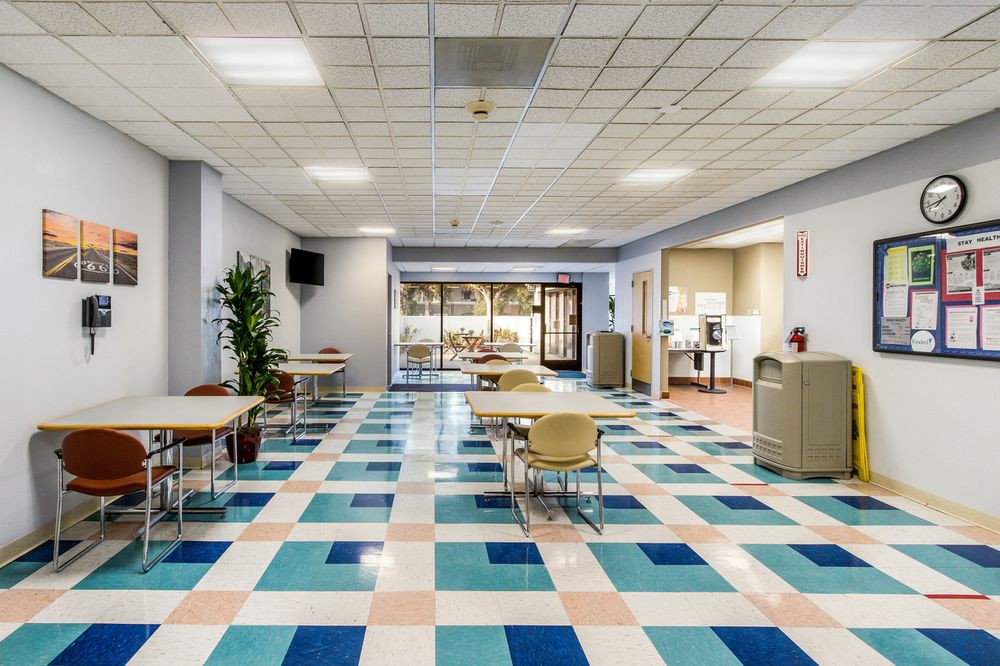
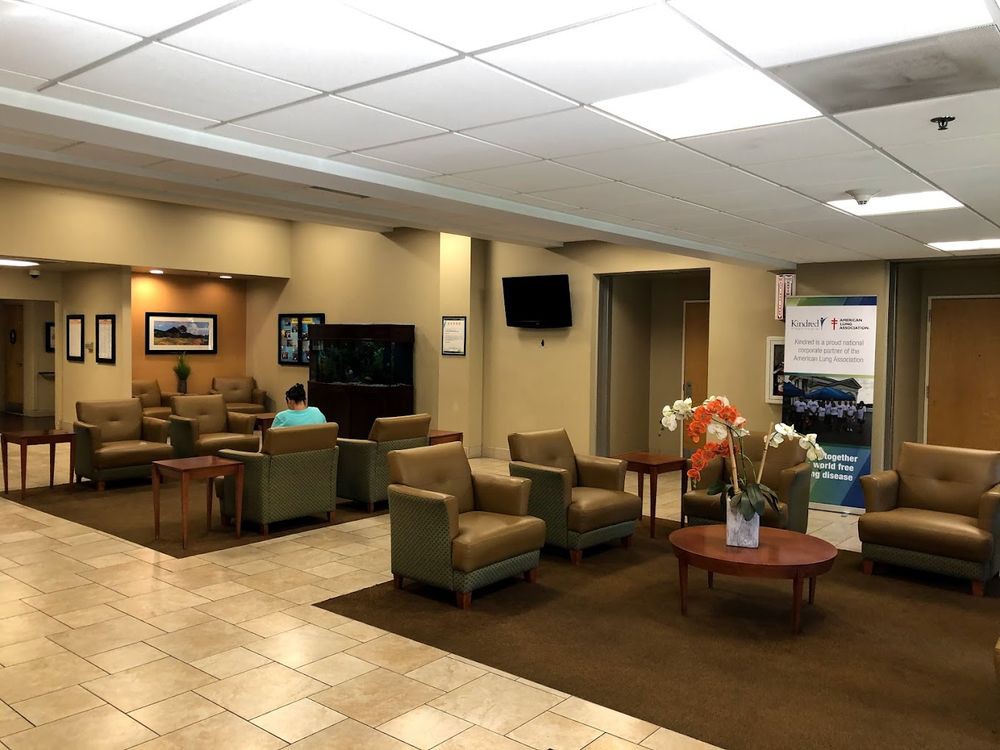
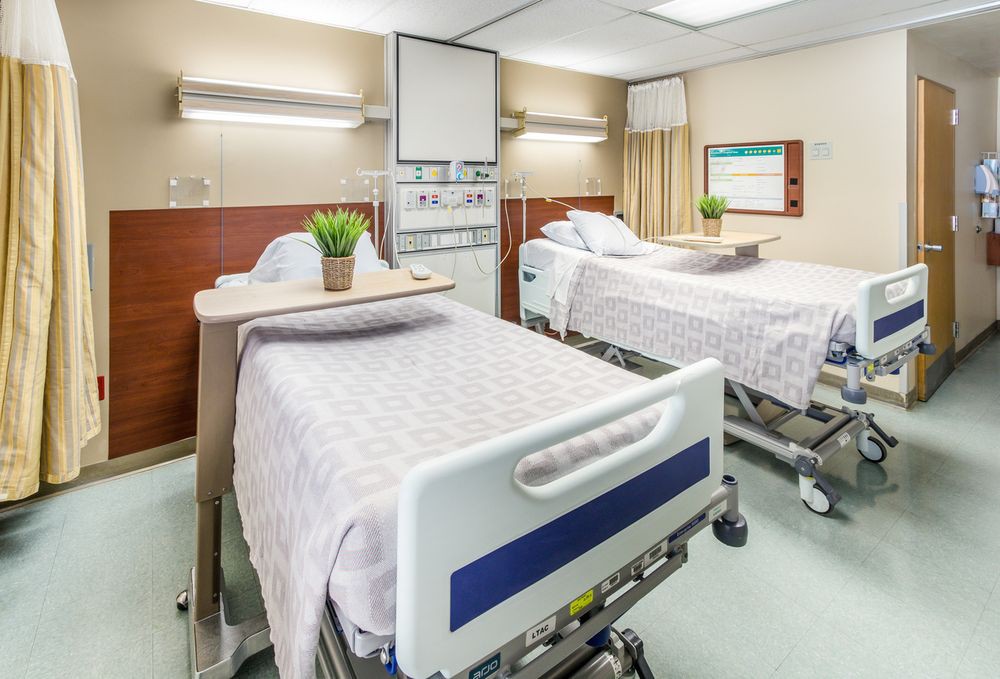
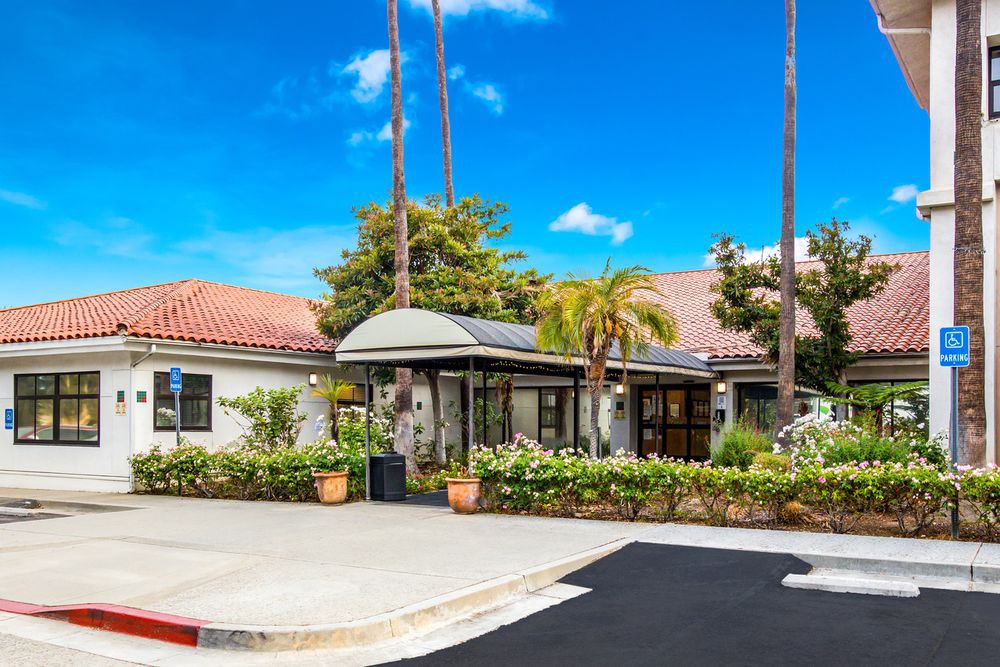
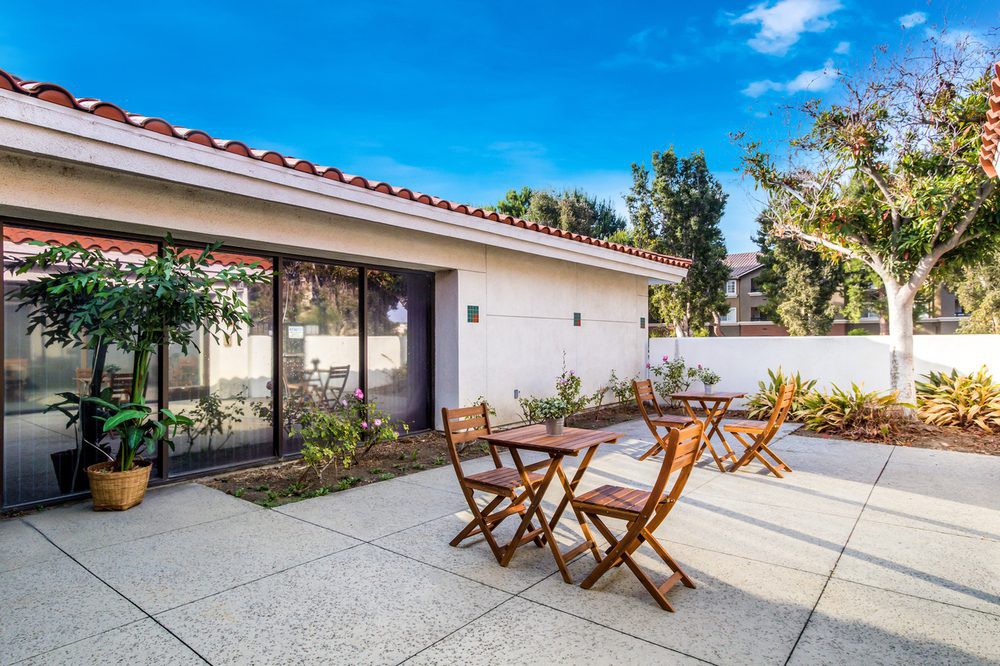
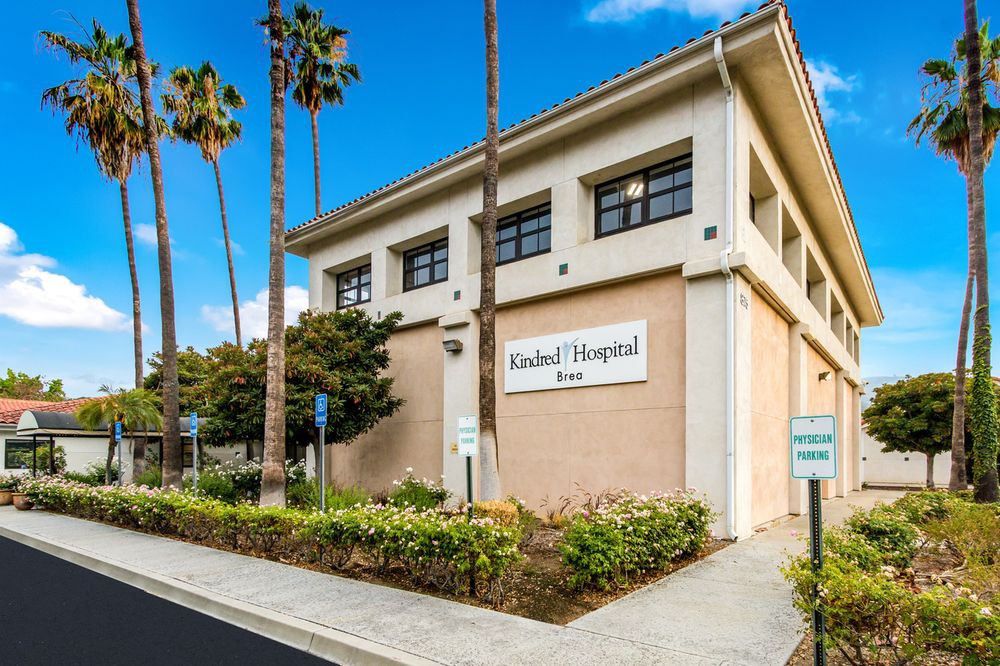
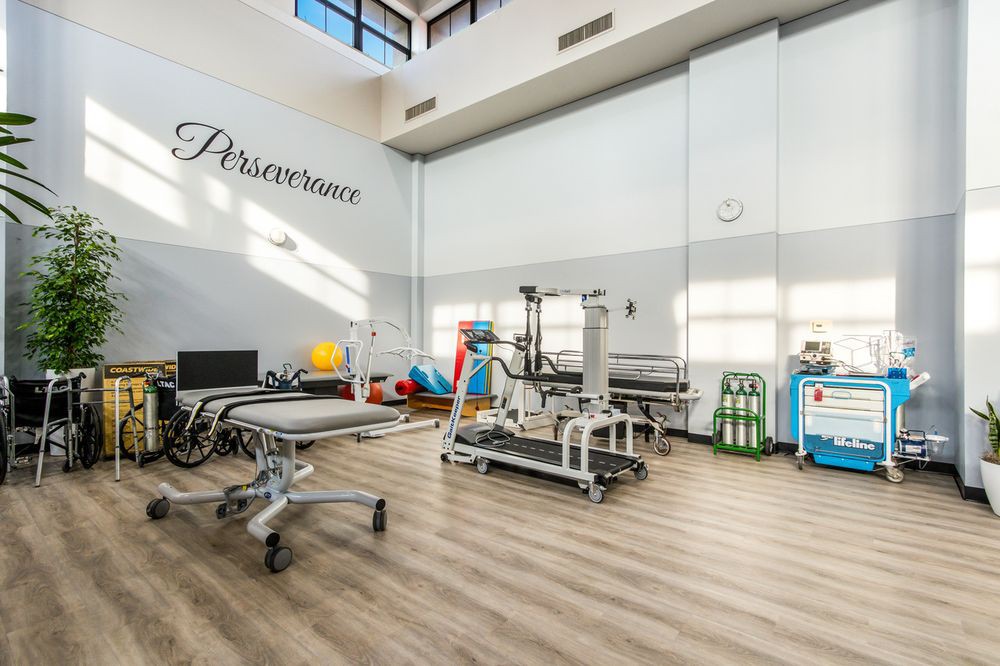
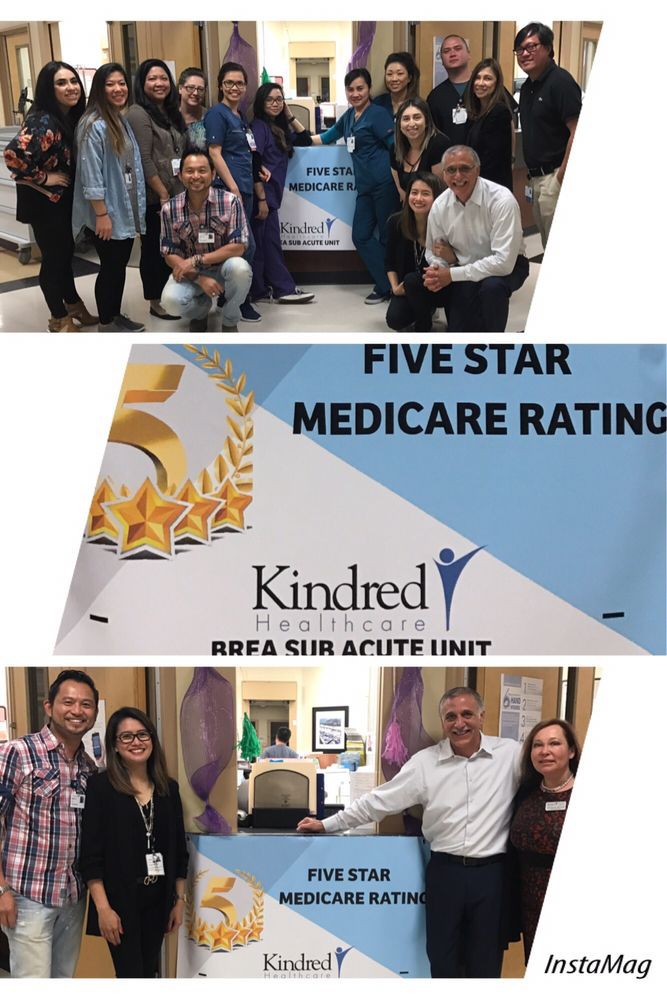
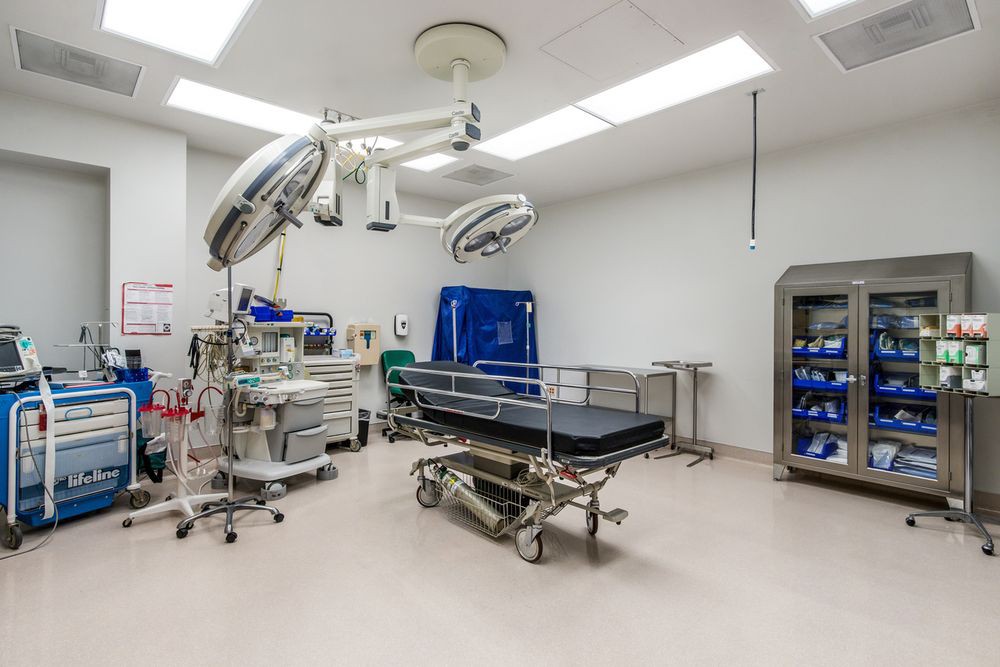
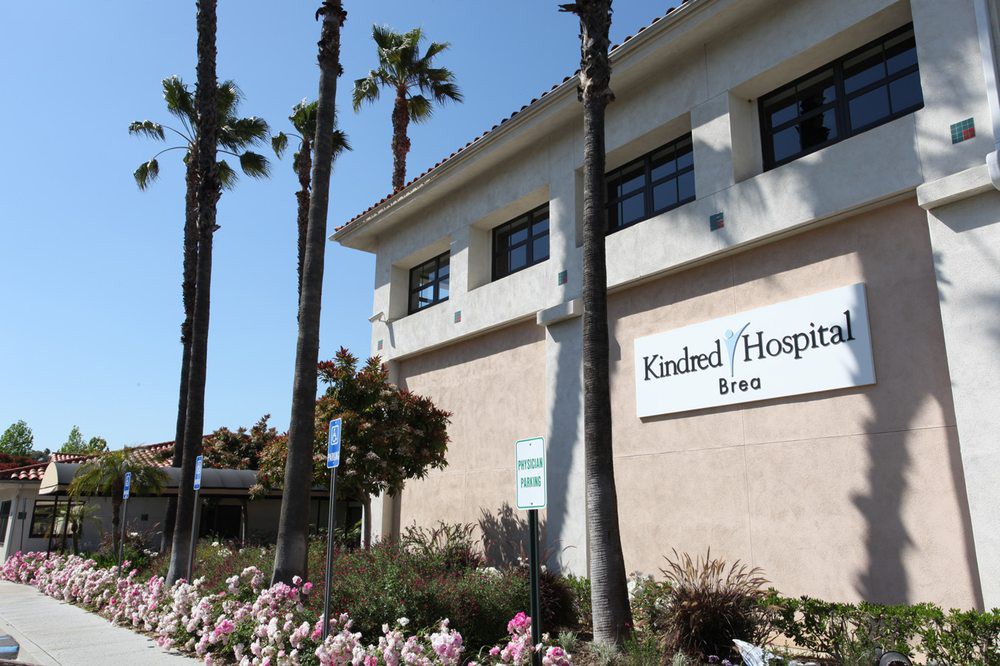
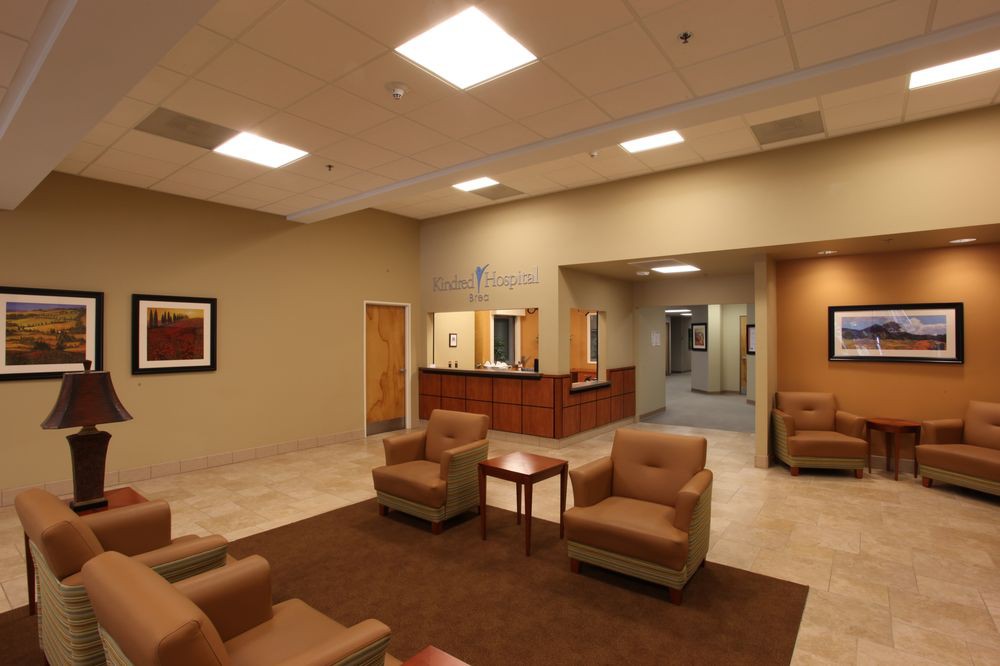
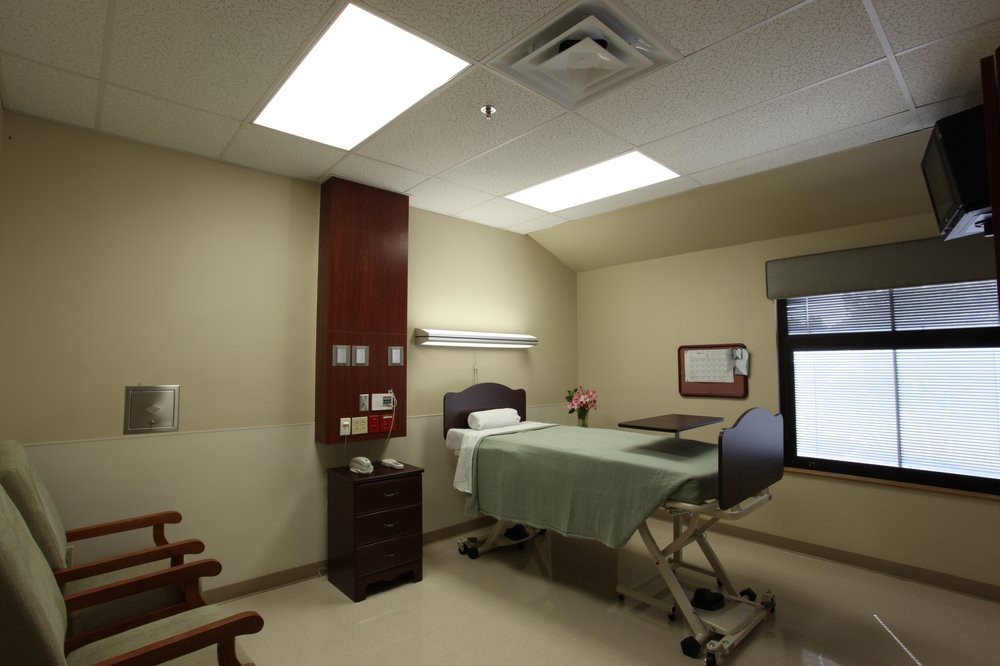
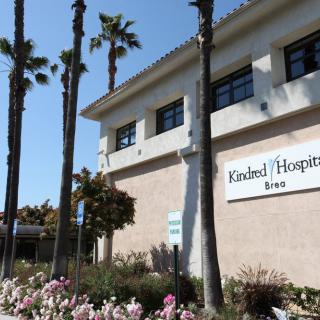
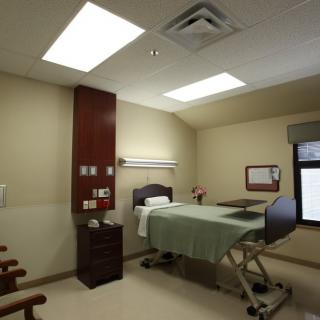
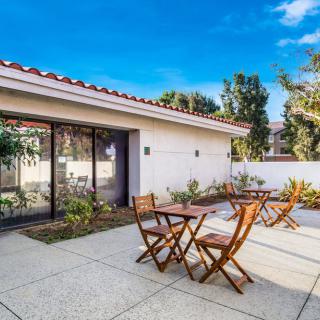
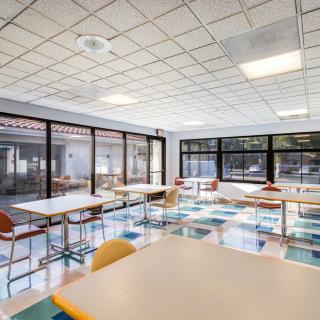
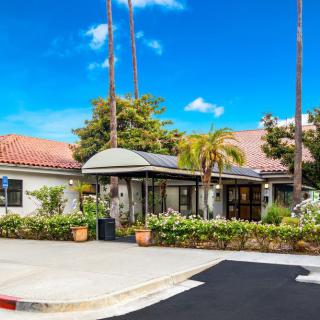
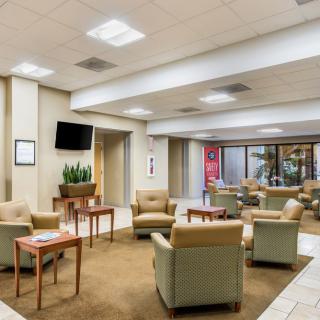
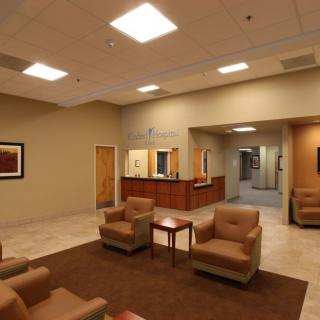
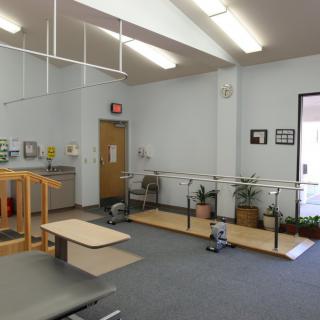
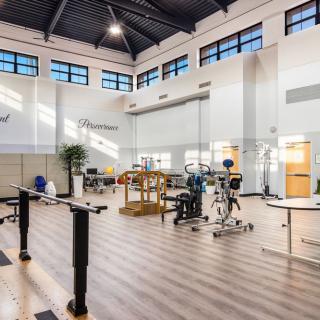
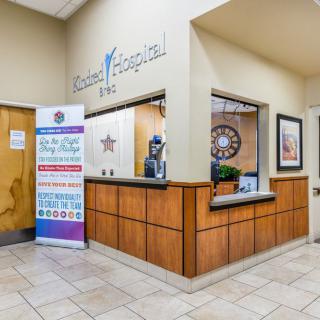
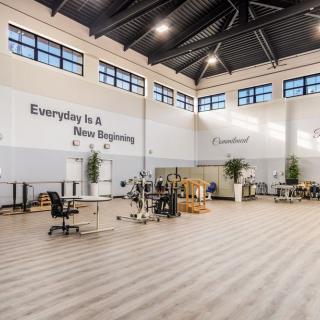
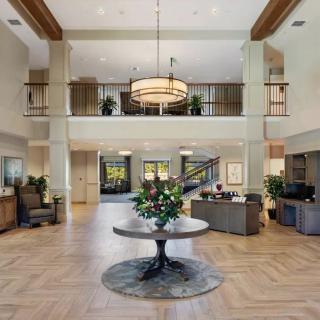
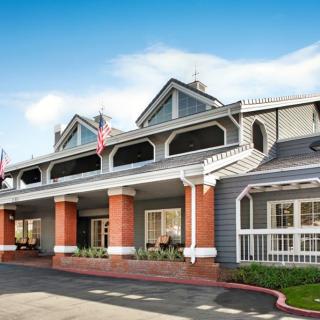
Kindred Hospital Brea on seniors.fyi includes 23 photos including images showing interior, healthcare, exercise equipment, building, palm trees, landscaping, decor, physical therapy, and more.
Nearby Communities
Vintage Canyon
Brea, CA
4.3 from 34 reviews
$876 to $1,051 / month
Excellent staff, affordable rents, and specialized care.
Brea Woods
Brea, CA
4.2 from 11 reviews
Well-connected location with nearby cafes, parks, pharmacies, doctors, dining, and theater.
Bethesda Home Care
Brea, CA
5 from 1 review
Exceptional staff with personalized care and a charming, detail-driven environment.
Comfort Keepers Home Care
Brea, CA
5 from 14 reviews
$3,500 to $6,500 / month
Compassionate, family-like care with attentive staff; clean, engaging environment.
Heritage Plaza Apartments
Brea, CA
4 from 20 reviews
Excellent access to nearby amenities (cafes, parks, pharmacies, doctors, restaurants, and a theater) enhancing daily living.
Brookdale Brea
Brea, CA
4.4 from 101 reviews
$2,185 to $5,495 / month
Friendly, attentive staff in a warm, social community with quality dining and varied activities.
Grace Retirement Village La Habra Villa
La Habra, CA
3.4 from 42 reviews
$2,500 to $3,500 / month
Well-maintained facility with friendly staff, healthy meals, and engaging activities.
Oakmont of Fullerton
Fullerton, CA
4 from 80 reviews
$4,095 to $9,195 / month
Beautiful, upscale facility with attentive staff and engaging amenities.
Ivy Park at Bradford
Placentia, CA
4.6 from 75 reviews
$3,695 to $4,895 / month
Friendly, professional staff; engaging activities; clean, homelike environment.
Medicare covers in-home health care services, which are medical and provided by licensed professionals under a physician's supervision, whereas non-medical personal assistance is generally not covered unless part of a broader skilled care plan. Eligibility for benefits depends on being homebound and needing intermittent skilled services from a Medicare-certified agency, with specific coverage limitations and additional resources available for navigating options.
In-home care is increasingly sought after by older adults for maintaining independence, with average private home care rates in 2025 varying by state and service type, reflecting geographical and local labor market influences. As demand rises, families are considering funding options like Medicaid waivers and long-term care insurance to manage costs effectively while ensuring quality care.
Home health care has become essential for supporting independence among the aging population, offering diverse services such as skilled nursing and rehabilitation in familiar environments, while also incorporating technology for personalized care. Despite its benefits, including improved recovery rates and emotional well-being, challenges like safety, staff availability, and insurance navigation must be managed for effective implementation.
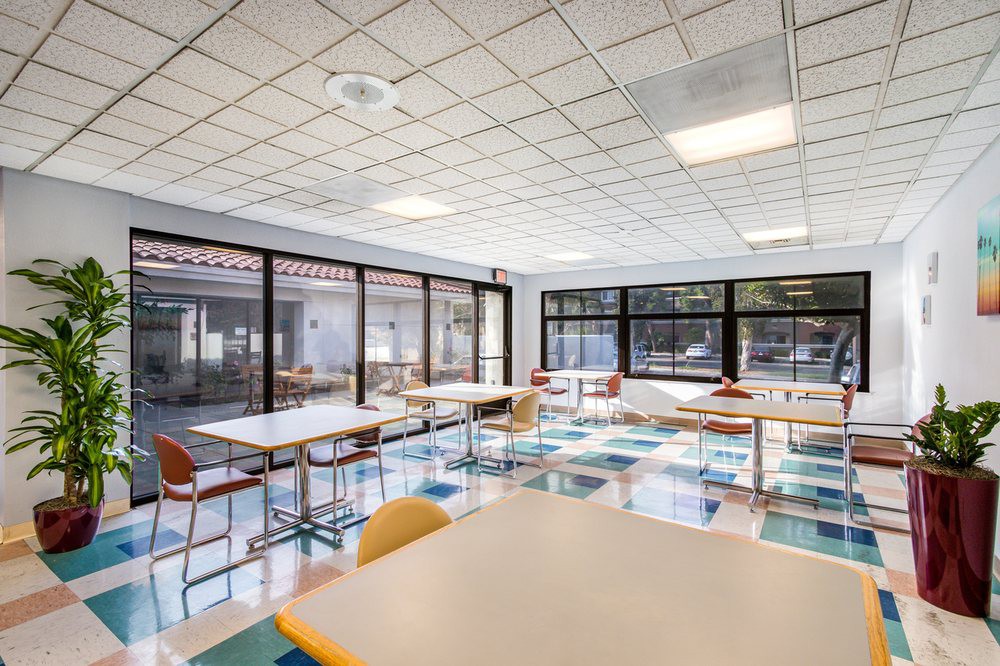
Gym, Bright Lighting, Spacious, and Fitness Center
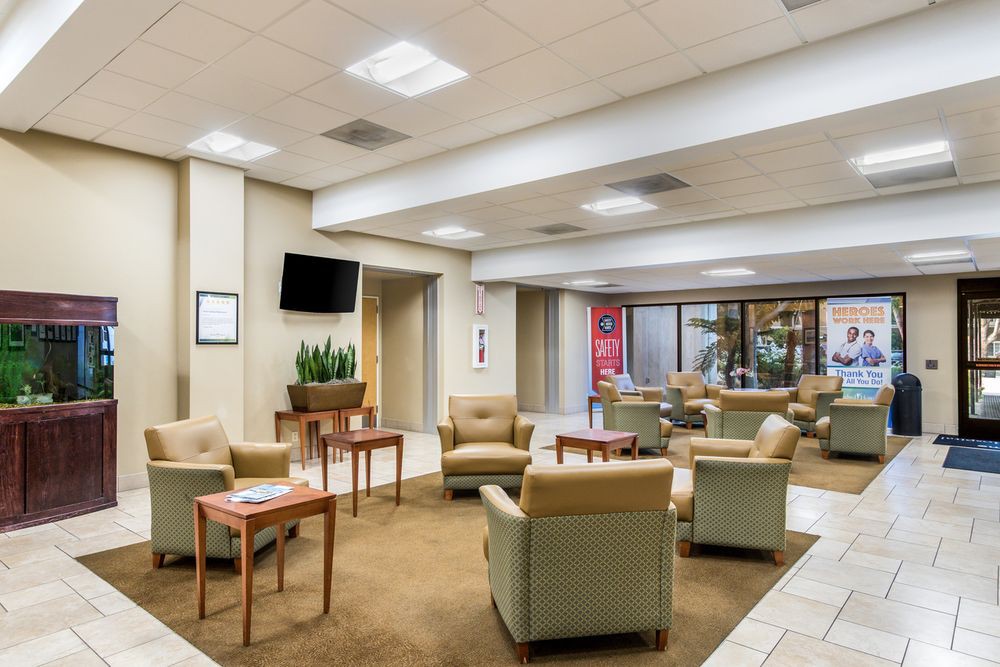
Indoor Plants
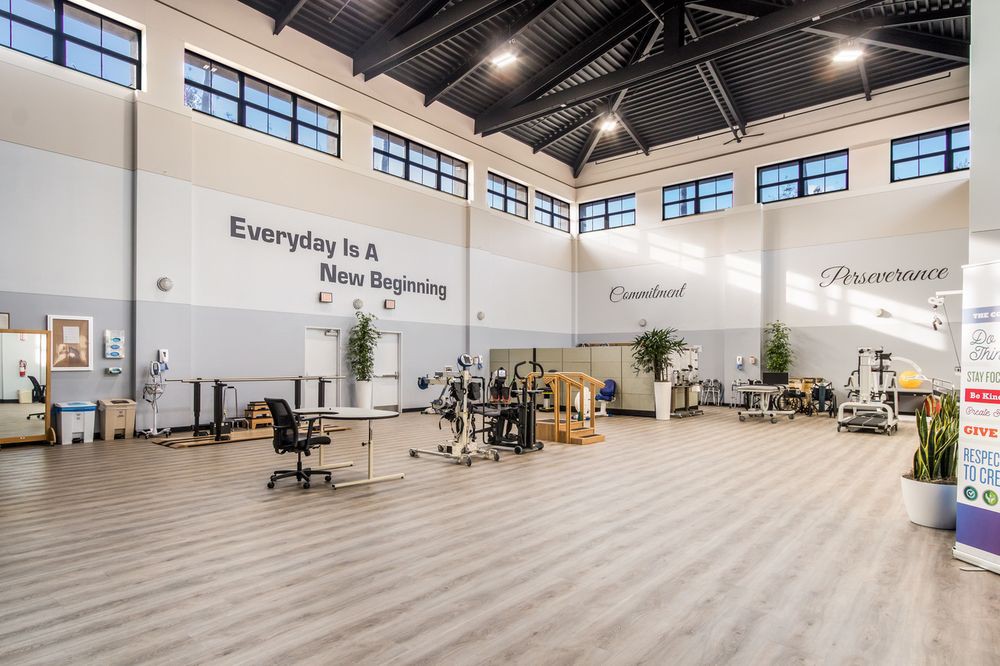
Rehabilitation and Physical Therapy
Open Space, Workspace, and High Ceiling
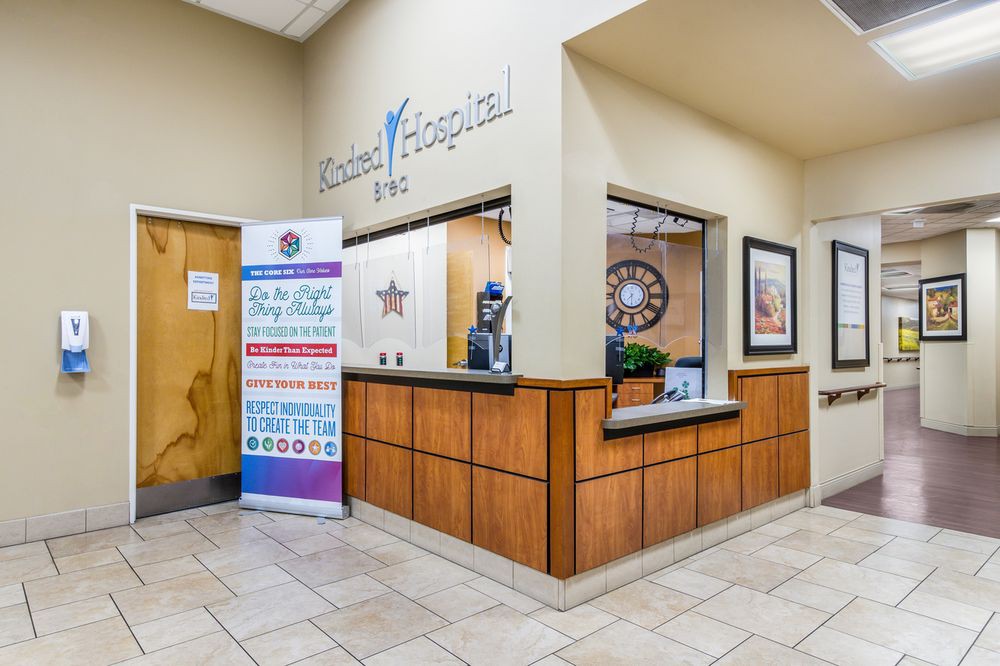
Reception
Therapy Room
Indoor Lighting
Additional Photos
Get PricingAsk A QuestionSchedule A TourContact Senior Advisor
By clicking submit, you agree to our Partner's Terms of Use. You
also consent to receive calls and texts, which may be autodialed, from our Partner. Your consent is not a condition to
using our Partner's service. Please visit our Partner's Privacy Policy for information about their privacy practices.


 38 resident community capacity
 Skilled Nursing Facility
 Beauty salon
 Cable or satellite TV
 Dining room
 Fully furnished
 Garden
 Housekeeping services
 Kitchenette
 Move-in coordination
 Outdoor space
 Restaurant-style dining
 Small library
 Telephone
 Wi-Fi/high-speed internet available
 Long Beach (Daugherty) (17 miles away)
 24-hour call system
 Activities of daily living assistance
 Assistance with bathing
 Assistance with dressing
 Assistance with transfers
 Diabetes diet
 Medication management
 Mental wellness program
 Special dietary restrictions
 Excellent staff, affordable rents, and specialized care.

 Navigating Medicare Coverage for In-Home Care Services
 In-Home Care Costs in 2025: A Detailed State-by-State Exploration
 Understanding Home Health Care: A Comprehensive Guide