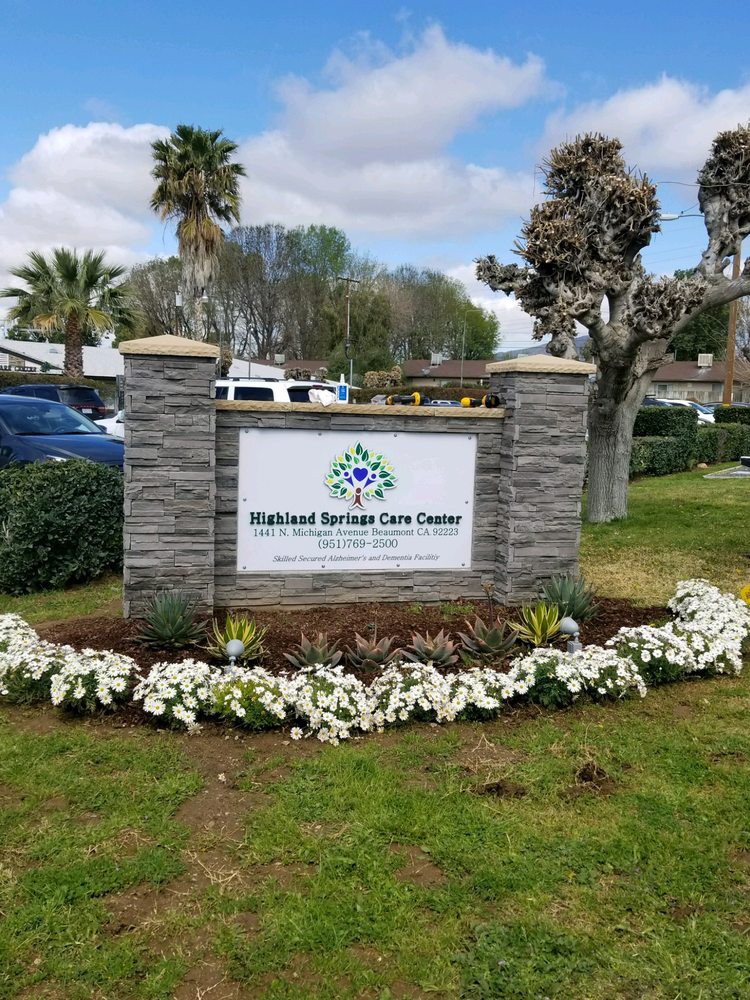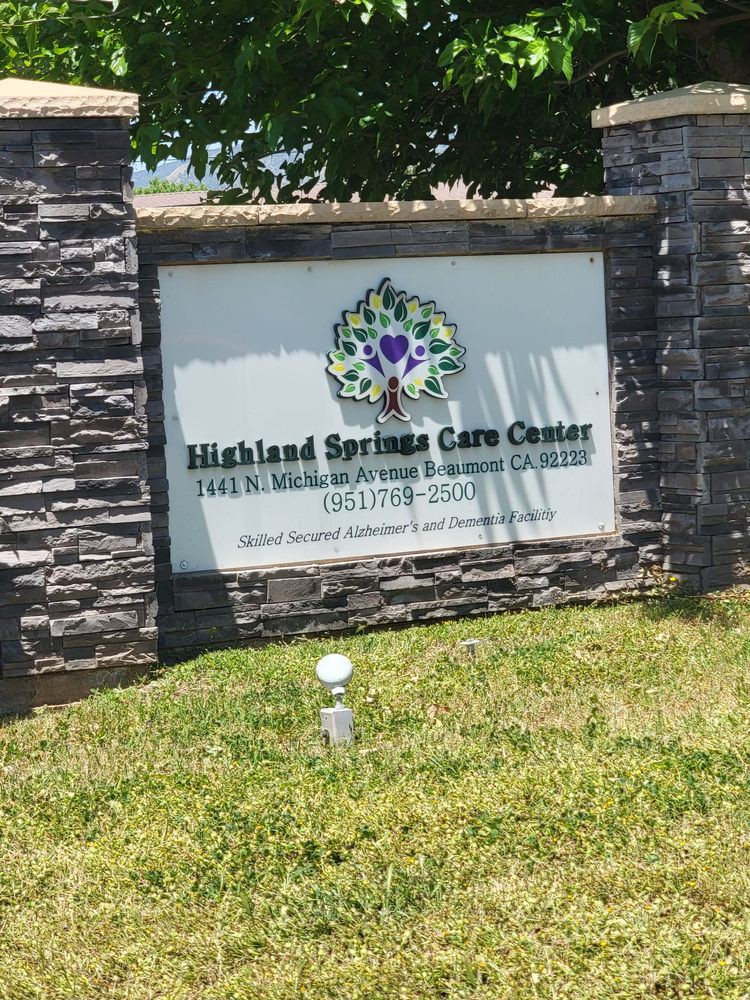
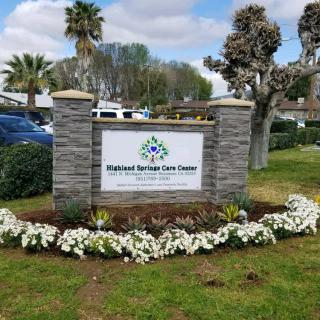

1441 Michigan Avenue, Beaumont, CA 92223
For more information about senior living options: (866) 208-4318
Overall Review of Highland Springs Care Center
Pros
 They provide absolutely wonderful care.
- The care and service at this facility are top notch.
- The staff are friendly, knowledgeable, and highly professional.
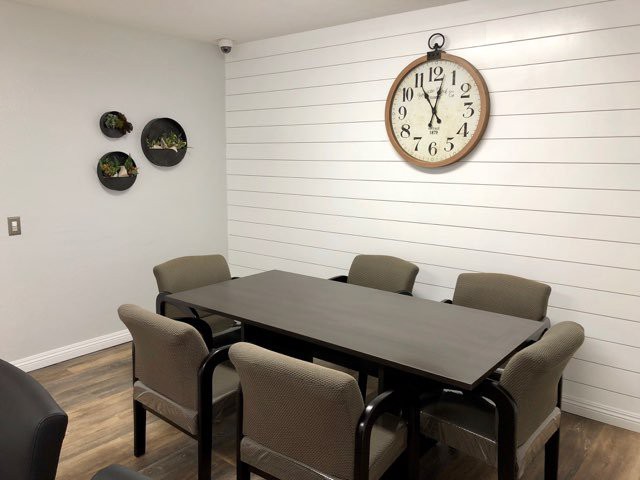
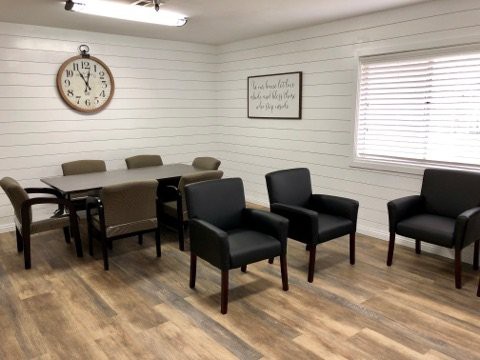
- The facility is one of the cleanest in the healthcare industry.
- The staff are respectful and professional, and they answer questions about rehabilitation and long-term care.
- Residents look well taken care of and the environment feels supportive.
- They check all the boxes for a high score in care quality.
- The care team is compassionate and attentive.
Cons
 The staff didn’t know what caused the dad’s rash.
- They blamed the laundry detergent for the rash.
- It’s definitely not a place to have a loved one placed in at all.
- The wheelchairs have no foot rests, putting residents at risk of falling.
- After a fall, he has yet to see a doctor.
- There was bowel movement all over the walls and other patients were half falling out of their beds.
- This neglect is totally uncalled for.
- She contracted C-diff and was ignored by the staff.
Review
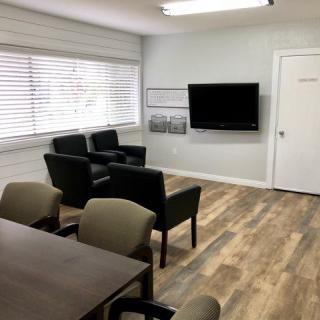
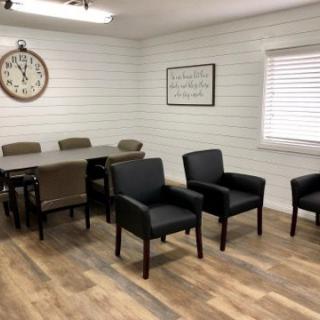
Highland Springs Care Center in Beaumont, CA is best suited for families that prize a clean, professional environment and want to see clear, hands-on nursing attention in a setting that can deliver solid rehab and compassionate care when the right team is in place. The community tends to work best for residents whose families are prepared to stay closely involved, demand vigilant oversight, and value witnesses of professional competence and organized care planning. When the goal is steady rehabilitation, respectful staff interaction, and a facility that presents well on appearance and demeanor, Highland Springs can meet those expectations, provided care quality remains consistently strong day to day.
That said, potential movers should explicitly weigh alternatives for residents whose safety and medical oversight must be unwavering. Several reviews flag serious risks: neglect, delayed doctor visits, and gaps in communication that compromise timely medical attention. For families that require reliable, predictable responses to urgent changes in a resident’s condition, or who cannot tolerate reports of inconsistent care, other communities with more consistently documented oversight may be wiser choices. If a loved one depends on rapid intervention, frequent physician involvement, or highly reliable safety protocols, exploration of alternatives is prudent.
On the positive side, the strongest advantages at Highland Springs appear when staff engagement is high and the environment is well managed. Multiple families describe “top notch” care, professional service, and staff who are knowledgeable and genuinely respectful. The facility itself is repeatedly praised for cleanliness and a professional atmosphere, with caregivers who display pride in their work and a willingness to answer questions about rehabilitation and long-term care. In several accounts, the caretaking team fosters a sense of reassurance and competence that helps families feel confident about the daily management of a loved one’s needs.
However, these strengths wrestle with a cluster of notable, recurring drawbacks that cannot be ignored. A subset of families reports neglectful incidents, delayed medical evaluation after falls or illness, and communication gaps that leave relatives feeling out of the loop. There are distressing anecdotes of severe conditions not being promptly treated, records that appeared incomplete or misleading, and even regulatory scrutiny by Medicare and state agencies. Equipment concerns, such as wheelchairs lacking required foot rests, underscore how organizational lapses translate into real safety risks. Inconsistencies between stories of excellent care and episodes of neglect point to uneven performance across shifts and units, rather than uniform excellence.
For families deciding now, the practical path is to establish a rigorous pre-admission and ongoing oversight framework. Demand a dedicated point of contact, such as the Director of Nursing, and insist on a clearly documented care plan with measurable milestones for rehabilitation, wound care, and infection prevention. Request recent survey results, any corrective action plans, and a transparent mechanism for weekly updates on a resident’s status. Probe specifics: How quickly are new orders transcribed and executed? How often do therapists and physicians visit? What is the exact nurse-to-resident ratio on the floor? Confirm equipment safety checks and staff training standards. If possible, arrange a trial visit to observe care conversations, responses to calls, and day-to-day routines in the unit most likely to serve the loved one.
Ultimately, Highland Springs Care Center represents a high-stakes decision: potential for very strong, empathetic, capable care in a clean, professional setting, tempered by credible concerns about neglect and inconsistent responsiveness that have surfaced in multiple reviews. For families that can sustain tight oversight, insist on accountability, and demand proactive medical engagement, the facility can be a solid fit, especially for those pursuing rehab and steady, compassionate support. For others, particularly those whose loved ones require unwavering medical safety, higher consistency, and transparent, rapid communication, it is prudent to explore alternatives first. The decision should hinge on an in-depth, situational visit and a frank assessment of whether the organization’s current governance and staffing rhythms align with the resident’s safety and care expectations.
 87 resident community capacity
 Skilled Nursing Facility
 Air-conditioning
 Beauty salon
 Cable or satellite TV
 Computer center
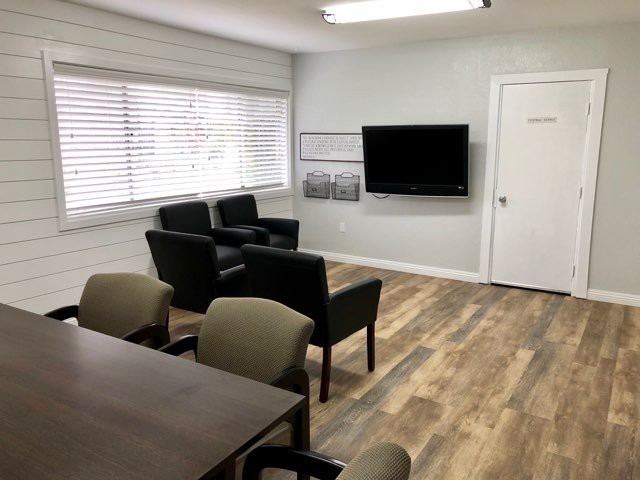
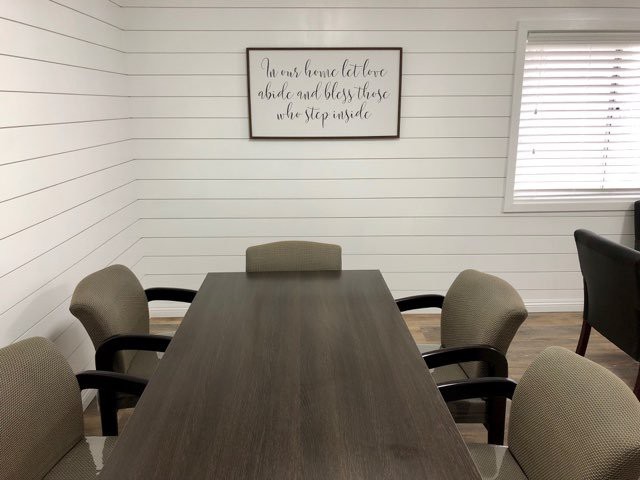
 Dining room
 Fitness room
 Fully furnished
 Gaming room
 Garden
 Housekeeping services
 Kitchenette
 Move-in coordination
 Outdoor space
 Private bathrooms
 Restaurant-style dining
 Small library
 Telephone
 Wellness center
 Wi-Fi/high-speed internet available
 Community operated transportation
 12-16 hour nursing
 24-hour call system
 Activities of daily living assistance
 Assistance with bathing
 Assistance with dressing
 Assistance with transfers
 Diabetes diet
 Medication management
 Mental wellness program
 Special dietary restrictions
 Concierge services
 Planned day trips




 Understanding the Nuances of Palliative Care and Hospice: A Comprehensive Exploration
 Fecal Incontinence in Older Adults: A Comprehensive Guide
 Nurturing Well-Being Through Gardening: A Detailed Guide for Senior Enthusiasts