
1328 Galaxy Drive, Beaumont, CA 92223
For more information about senior living options: (866) 208-4318
Overall Review of Atienza Residential Care
Pros
 The facility feels like home.
- The staff are friendly and attentive to the patients.
- Caroline and Danica provided exceptional care for their mom-in-law; they’re very nice and caring.
- Their mom recovered thanks to the care she received.
- Caroline, the owner, is approachable and met their needs for mom-in-law.
- They would recommend the residential care in Beaumont.
- This place is perfect for their mom; the staff are professional and caring; the residents are clean and ideal for elderly; the owner is kind and understanding.
Cons
 The environment is cold and unfriendly, with little empathy or care from the staff.
- The staff can be unfriendly and rude.
- There were torn window screens and spider webs inside the windows.
- A floor lamp was tied to a bed leg, putting a resident at risk of falling.
- A resident suffered infected open sores that leaked pus, leading to hospital admission.
- The owner was accused of financial abuse, stealing residents' income and keeping families away.
- After family involvement, the owner allegedly harassed relatives and attempted unethical practices, including bribing a hospice agency.
Review
Atienza Residential Care in Beaumont is best suited for families seeking a small, home-like setting where residents receive intimate, hands-on care and staff form real, ongoing connections with individuals. The strongest appeal is the presence of caregivers who are repeatedly praised for kindness and attentiveness, and an owner who is described as approachable and responsive to family needs. This environment can work well for seniors who do not require intensive medical management, and for families that can invest time in regular on-site visits and clear, proactive communication with staff. For residents who prioritize warmth, personal attention, and a sense of belonging over bells and whistles, this community offers a compelling fit, provided governance and safety considerations are carefully weighed.
Those who may want to consider alternatives are seniors with higher medical needs, complex wound care requirements, or strict expectations around transparency and governance. The most serious caveat emerges from multiple one-star accounts alleging financial exploitation, harassment after family involvement, and unethical practices. While these claims demand independent verification, they are substantial enough to trigger caution for anyone evaluating long-term residency. Prospective families should not rely on impressions alone; they should verify licensing compliance, recent inspection results, and any formal complaints with state elder-protection authorities. For families prioritizing robust oversight, larger facilities with formal governance structures and clearer, third-party accountability may be a safer default.
The favorable aspects, staff warmth, genuine caregiver engagement, and the perceived accessibility of the owner, do offer meaningful offset in day-to-day living. When care teams like Caroline and Danica are noted for taking ownership of a resident’s comfort and recovery, that level of personal engagement can translate into better mood, higher frictionless communication, and more consistent daily routines. In practice, this can mean fewer missed medications, more attentive meal service, and faster response times. These concrete benefits can help counterbalance what some families perceive as a stilted environment or limited amenities, particularly for residents who prize individualized attention over resort-style accommodations.
Conversely, the most troubling concerns revolve around safety, maintenance, and ethical billing practices. Reported instances of torn window screens, exposed hazards in a roommate setup, and general impressions of a cold or unfriendly atmosphere cast doubt on the quality of daily living. Even isolated observations of inadequate meals or neglected environmental upkeep matter, because they directly affect comfort and trust. More troubling are the allegations of financial abuse and harassment tied to residency, especially when family members become involved. Until these issues are resolved or fully substantiated through independent audits, they cannot be dismissed as mere rumor and must be weighed heavily in any decision.
Prospective residents should insist on thorough, on-site due diligence before moving forward. Demand current licensing reports, inspection summaries, and a written care plan that outlines wound care, medication management, and daily activities. Request a detailed staffing schedule, including caregiver-to-resident ratios, and arrange meetings with frontline staff to gauge consistency and empathy. Review the monthly contract line by line, focusing on what services are included, what requires additional fees, and how refunds or disputes are handled. If possible, speak with several current residents or families about their experiences outside of the official testimonials. Only with this level of scrutiny can a family discern whether Atienza Residential Care truly aligns with the elder-care priorities: safety, personalized attention, and transparent governance.
In sum, Atienza Residential Care offers a credible option for a closely supervised, person-centered living arrangement where the caregiver relationship can make a real difference in daily quality of life. It is most suitable for families willing to tolerate potential governance ambiguities and committed to rigorous verification before and after move-in. For families whose bottom-line priorities are ironclad safety, consistent professional standards, and unambiguous financial integrity, exploring alternatives may be prudent. The decision should hinge on a disciplined intake process: on-site observations, verifiable documentation, and conversations with multiple staff and residents to confirm that the care philosophy aligns with the resident’s needs and the family’s expectations.
 6 resident community capacity
 Assisted Living
 Cable or satellite TV
 Dining room
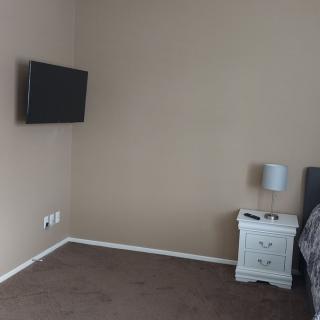
 Fully furnished
 Garden
 Housekeeping services
 Move-in coordination
 Outdoor space
 Telephone
 Wi-Fi/high-speed internet available
 24-hour supervision
 Activities of daily living assistance
 Assistance with bathing
 Assistance with dressing
 Assistance with transfers
 Diabetes diet
 Meal preparation and service
 Medication management
 Special dietary restrictions
 Transportation arrangement (medical)
 Transportation to doctors appointments




 When to Transition from Assisted Living to Memory Care: Key Indicators, Steps, and Finding the Right Community
 Assisted Living and Memory Care: Understanding Their Core Differences
 Beyond the Bingo Hall: 50+ Enriching Activities for Seniors in Assisted Living