

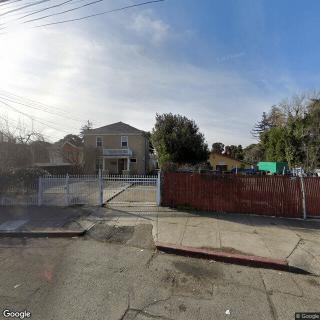
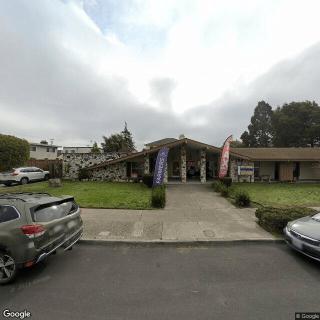
2401 Blanding Ave, Alameda, CA 94501
To contact a resident: (510) 522-1084
For more information about senior living options: (866) 208-4318
Overall Review of Park Bridge Nursing Home
Pros
 The staff are caring and competent, including nursing assistants, RNs, and doctors.
- The efficient and caring staff discovered the aneurysm and acted quickly, saving the reviewer’s life.
- The staff are friendly and put on engaging events for residents.
- Every nurse knows each resident by name and attentively tends to their needs.
- Residents enjoy the food, which includes American favorites like burgers, meatloaf, fish, and pork chops.
- The reviewer would not hesitate to send a relative here, praising the staff’s passion.
Cons
 The reviewer states the experience was absolutely shocking and alleges the administration suggested closing the door and letting a patient die.
- They claim there was no hot water nearly ever, that the staff were incompetent, and that nurse call lights were ignored.
- They describe a loud environment where patients never see a doctor.
- They report missing 2-3 doses of medication due to delays in refilling prescriptions.
- They say showers are allowed only 1-2 times per week and are disgustingly dirty when available.
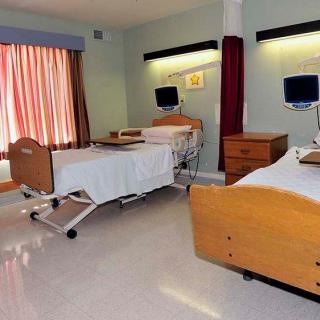
- They say the food is mostly gross, the rooms fit 2-3 people, there is only one TV, and the facility is run-down with a bad smell.
- They claim most staff do not speak English well and that kitchen staff mishandle dietary preferences.
- They urge that the facility should be shut down, with the reviewer saying they would hate to be in such a situation if they lacked their faculties.
- They allege neglect of their mother, including that phones are not answered and the reviewer must fix staff mistakes.
Review
Park Bridge Nursing Home in Alameda is best suited for families that can stay deeply involved in oversight and press for consistent service. The strongest practical upside is a small cluster of water-facing bedrooms that can offer a pleasant view for residents who secure the window bed; beyond that, the setting feels dated and crowded. The operational reality is that care quality hinges on constant family involvement, tracking medication administration, responding to nurse-call requests, and coordinating doctor visits. For residents with relatively modest daily needs, and for families prepared to sustain persistent advocacy, this facility can function as a workable option; but it requires relentless vigilance to avoid lapses.
That said, many families will want to consider alternatives. Core non-negotiables for safe, reliable care, prompt medication handling, timely nurse responses, clean rooms and bathrooms, and clear, consistent communication with staff and physicians, are regularly challenged in the feedback. Reports of forgotten doses, missed physician follow-ups, and transportation gaps create a pattern of disruption. Hygiene concerns, cold rooms, and pervasive odors further complicate comfort and dignity. For loved ones who depend on steady medical management, or residents who cannot tolerate frequent care disruptions, other communities with stronger staffing, governance, and safety nets are a safer bet.
Pros exist, but they are not robust enough to negate the significant risks. A minority of staff members are described as caring and competent, with nursing assistants, RNs, and doctors who do deliver care when present. There are accounts of moments when attentive staff identified a health issue and acted quickly, potentially saving a life. Some residents enjoy organized activities and a degree of daily structure when staff engage. However, these positive notes depend on shifts and individual caregivers and do not translate into reliable, system-wide excellence. The facility’s strengths, such as they appear in isolated anecdotes, cannot compensate for the broader pattern of inconsistency that colors most resident experiences.
On the downside, the operational fragility is a recurring theme. Hot water is not reliably available, rooms feel crowded (two to three residents per room), and the furniture shows its age. Food quality is variable, with some praise but enough inconsistency to raise concern for ongoing nutrition needs. Communication failures, unanswered calls, nurse calls that go unaddressed, and a lack of timely doctor involvement, amplify fear and risk for vulnerable residents. Language barriers among staff, transportation missteps, and a contribution of neglect perceptions all feed a sense that safety and reliability are not ingrained in the daily routine. These structural issues elevate risk, especially for residents who cannot advocate effectively for themselves.
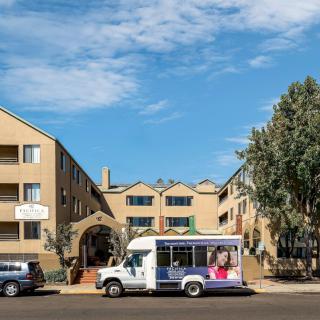
If Park Bridge is under consideration, the path forward must be intensely practical and plan-driven. Arrange an in-person viewing focused on current staffing patterns, and insist on speaking with multiple caregivers across shifts. Request the latest care plan, medication schedules, and a clear process for nurse availability and transport. Check the latest licensing and survey results, verify guaranteed transportation arrangements, and confirm accessibility to physicians. Clarify private versus shared room options, parking, and visitation rights. Above all, establish a concrete escalation protocol with the administrator and a designated advocate who will monitor care on a consistent basis for weeks and months, ensuring that promises translate into measurable improvements.
The bottom line is that Park Bridge Nursing Home demands careful scrutiny and strong family advocacy. It is not the default choice for most families, particularly those with higher care needs or with loved ones who cannot tolerate noticeable care gaps. Alternatives with proven staffing stability, tighter care coordination, and cleaner, more comfortable environments deserve serious consideration before committing. If Park Bridge remains on the radar, approach it as a tightly supervised, short-term placement contingent on explicit service guarantees and a robust plan to address the most persistent deficiencies.
 Skilled Nursing Facility
 Metropolitan Oakland International (4 miles away)

 Comprehensive Exploration of Living Wills and Other Advance Directives
 A Detailed Exploration of Living Wills and Advance Directives
 Comprehensive Guide to Medicare Coverage for Hospice Care