Alameda Hospital in Alameda, CA

Save

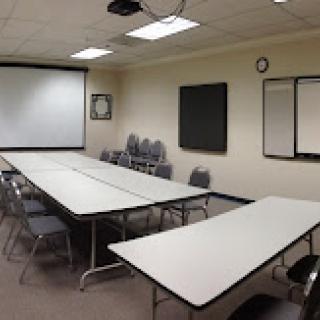
  • Interior

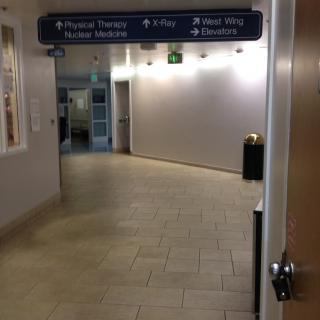
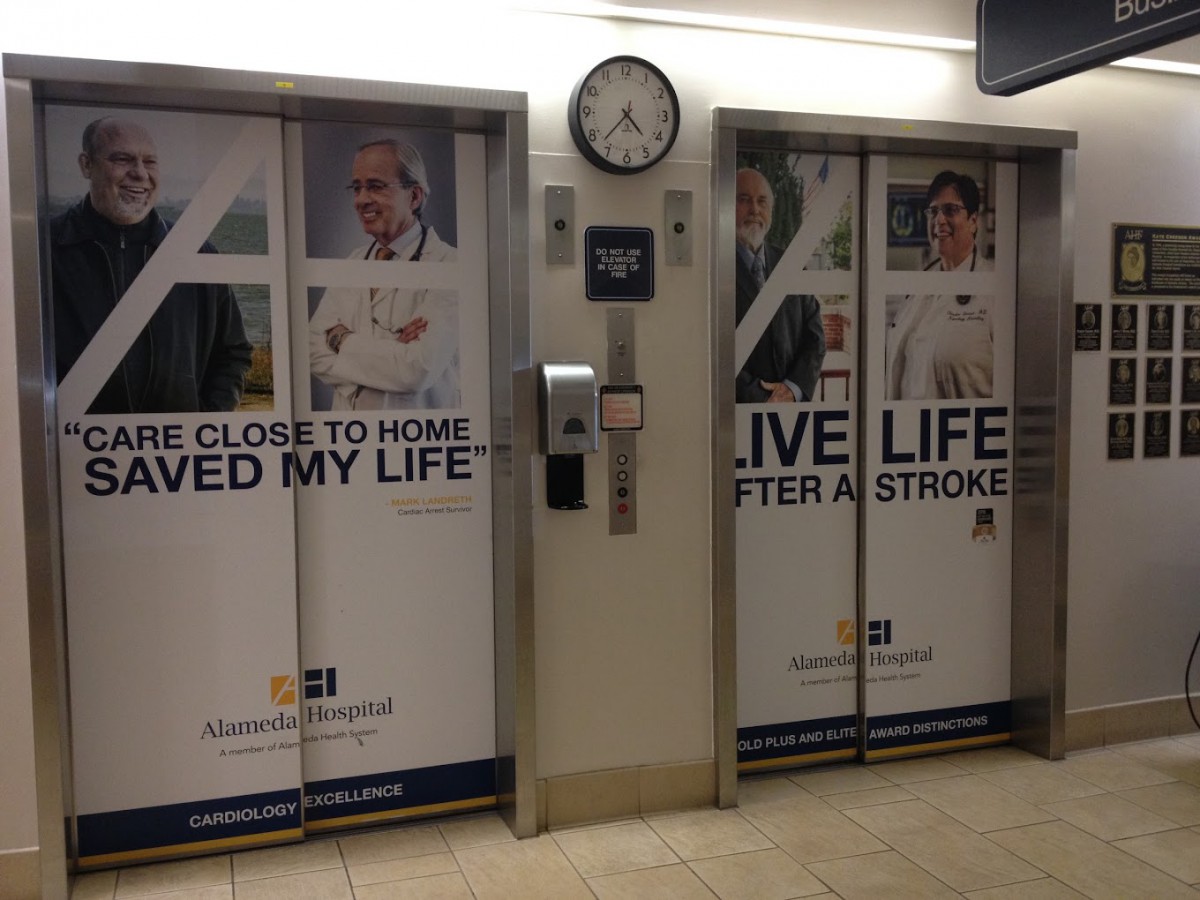
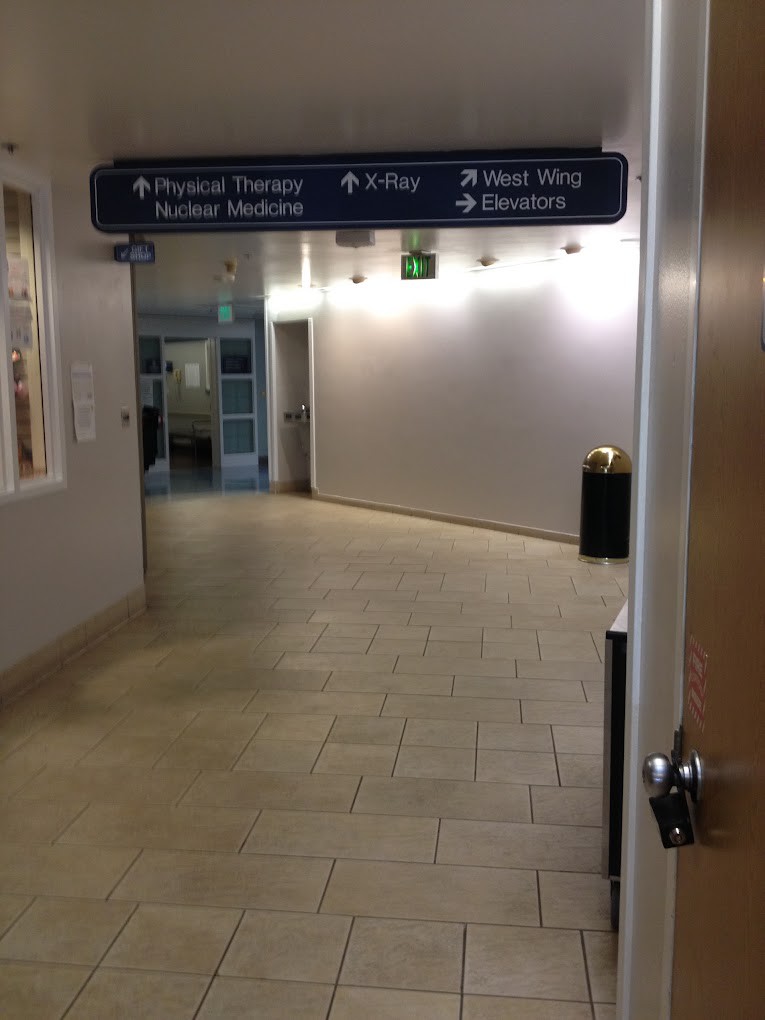
    A hospital hallway with directional signage overhead.
  • Outdoors

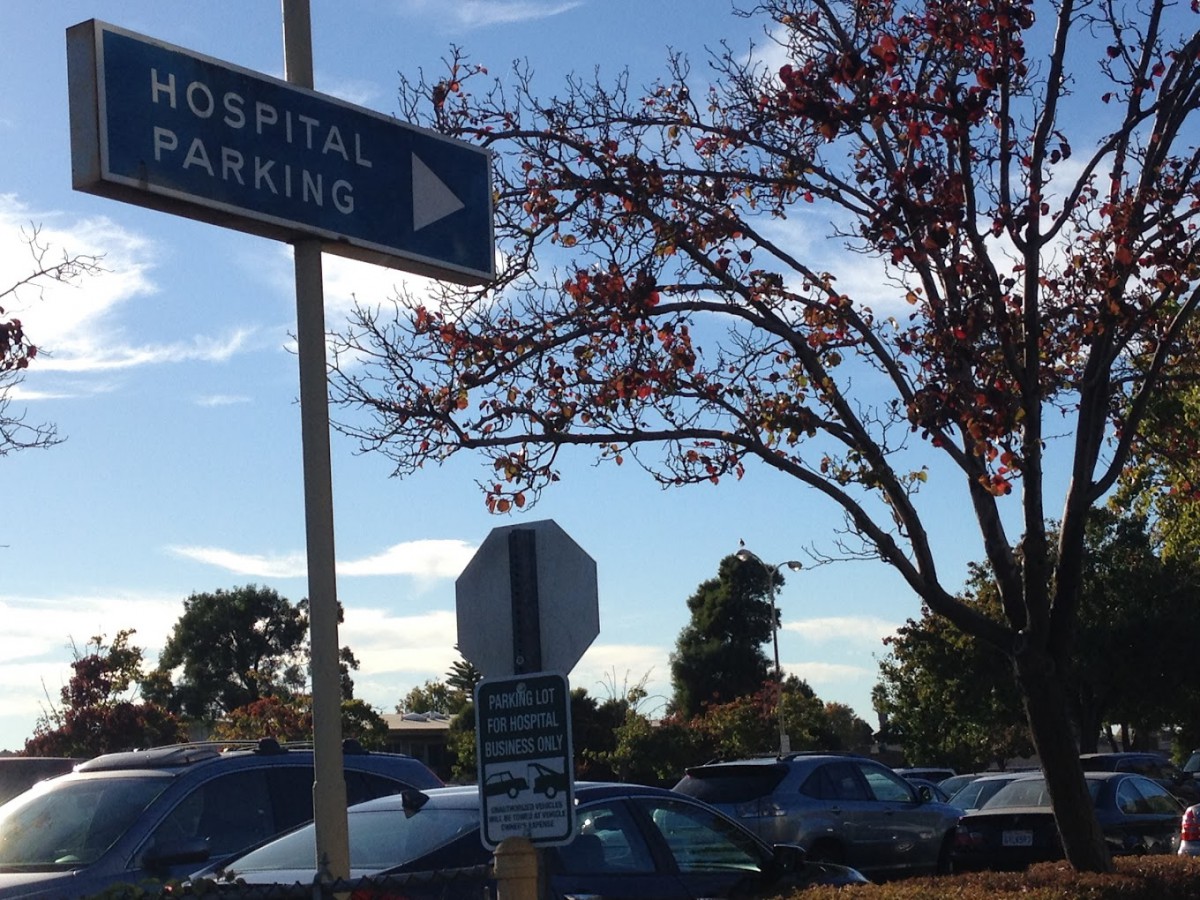
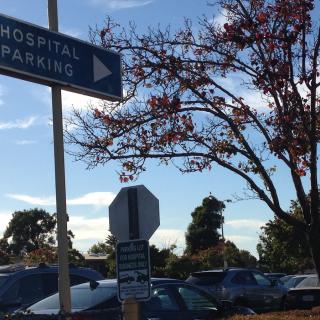
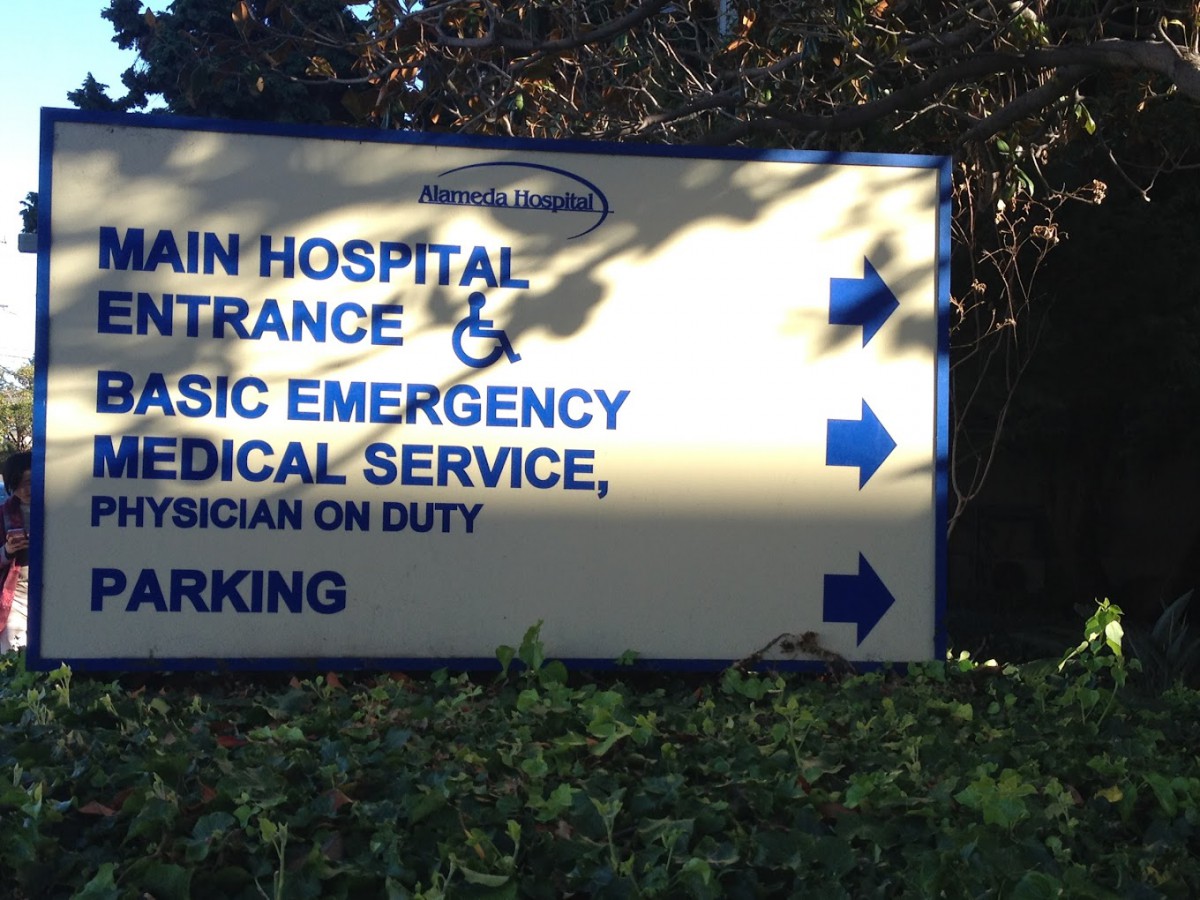
    A hospital parking sign with cars in the background under a clear blue sky.
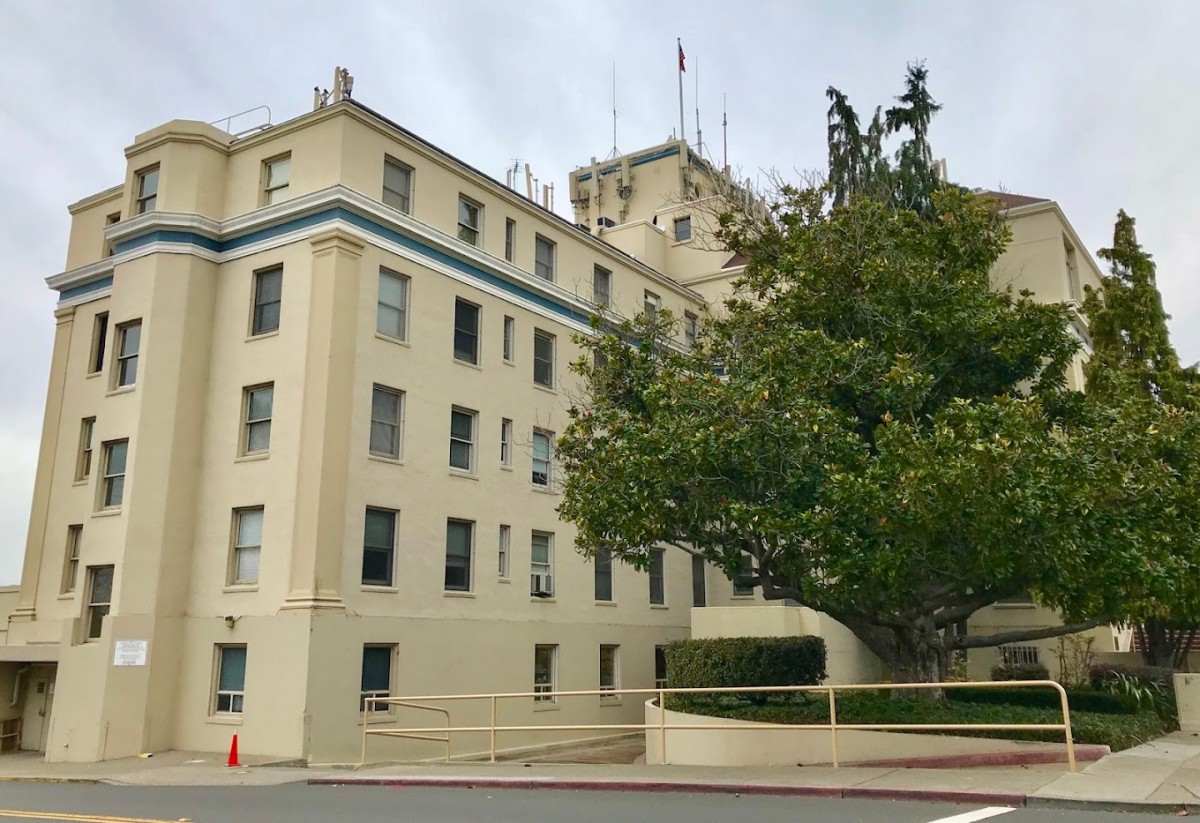
  • Building

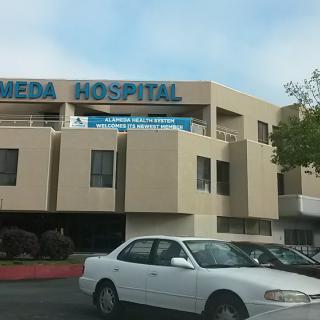
    A hospital building with a parking lot filled with cars during the daytime.
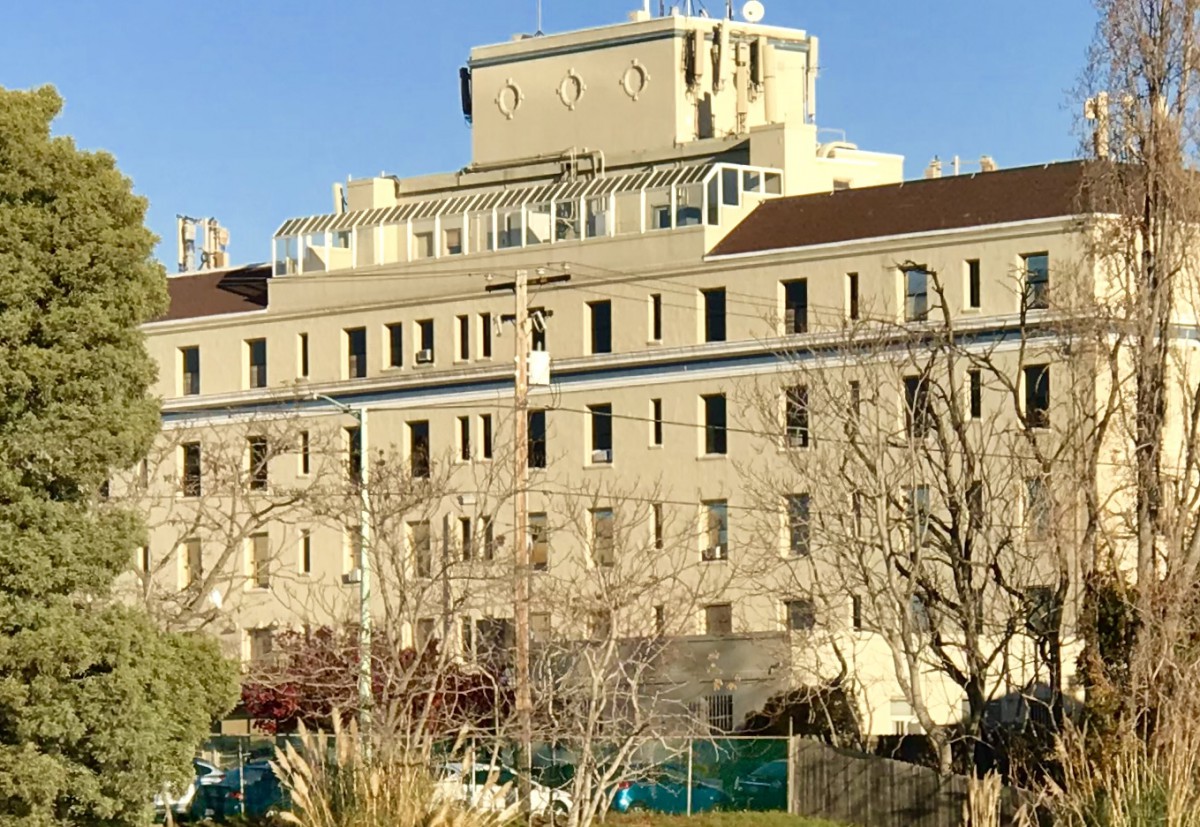
  • Architecture

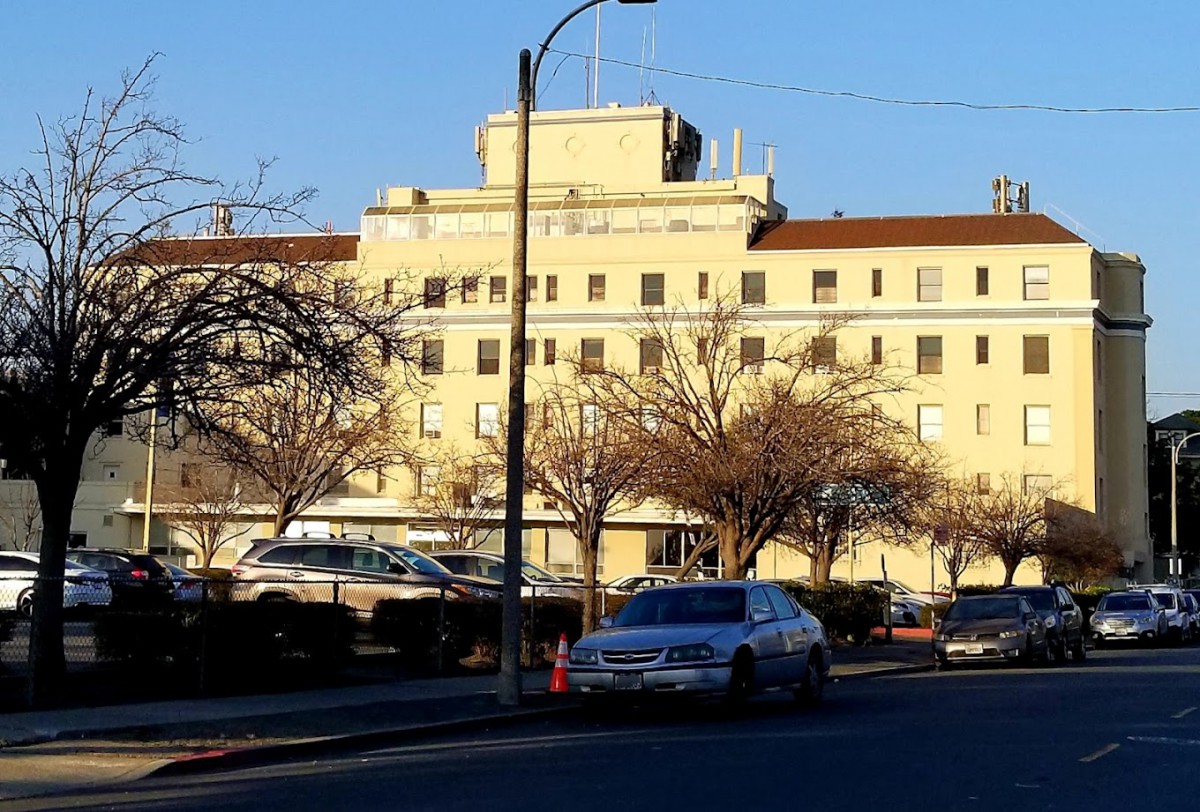
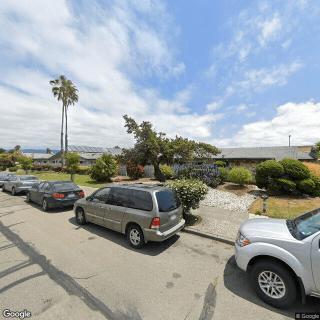
    A multi-story residential building with a classic architectural design.
  • Trees

    A hospital building with a parking lot in front on a sunny day.
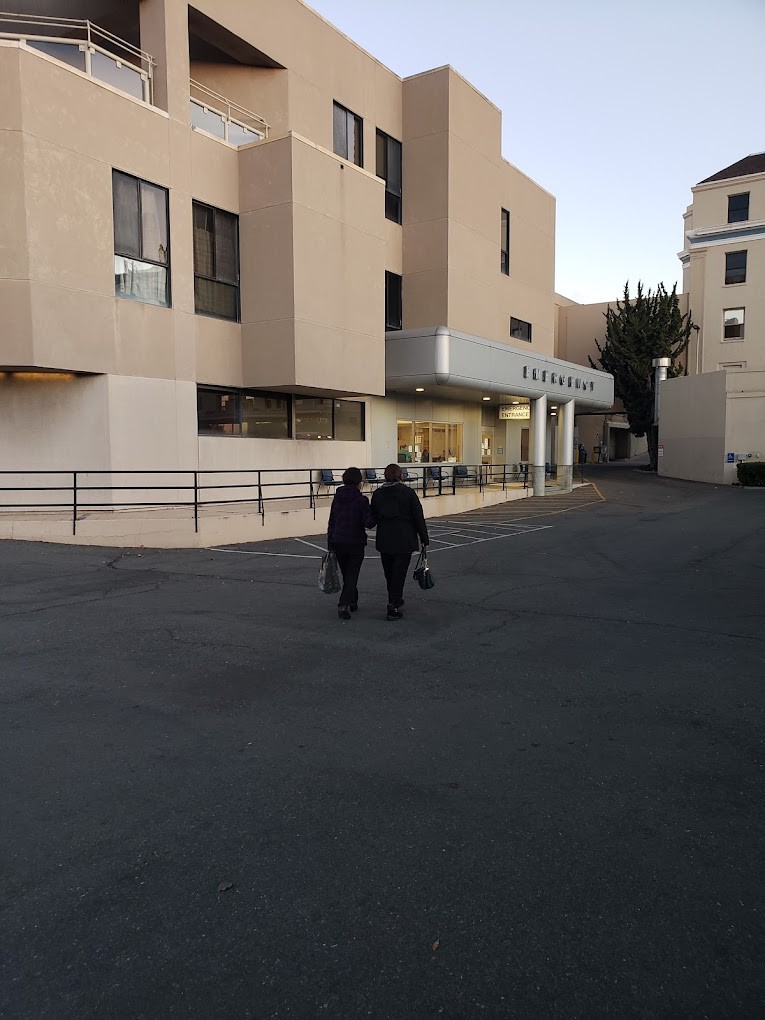
  • Entrance

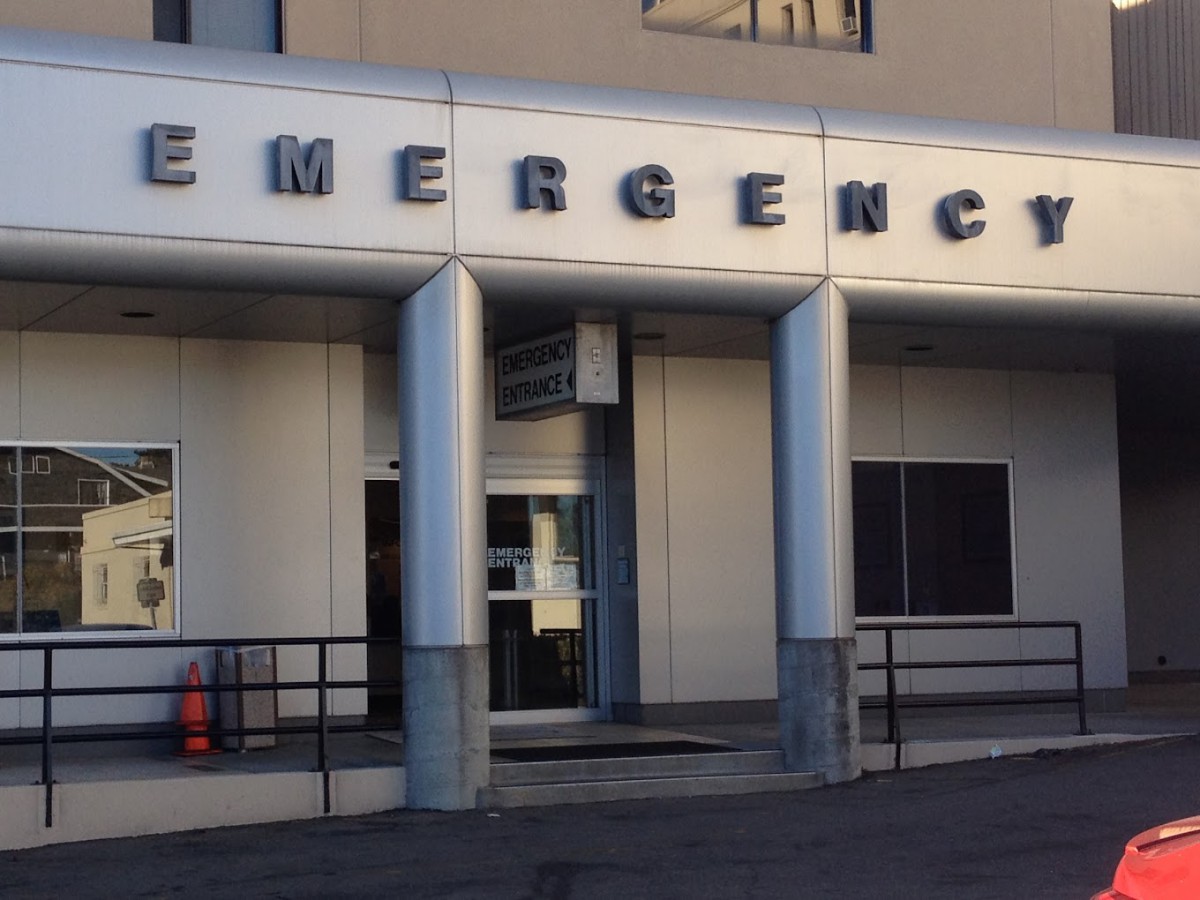
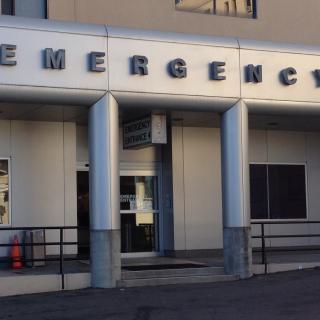
    Entrance to a hospital emergency department.
  • Outdoor

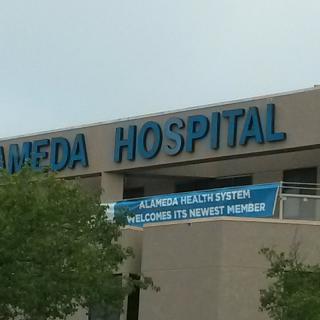
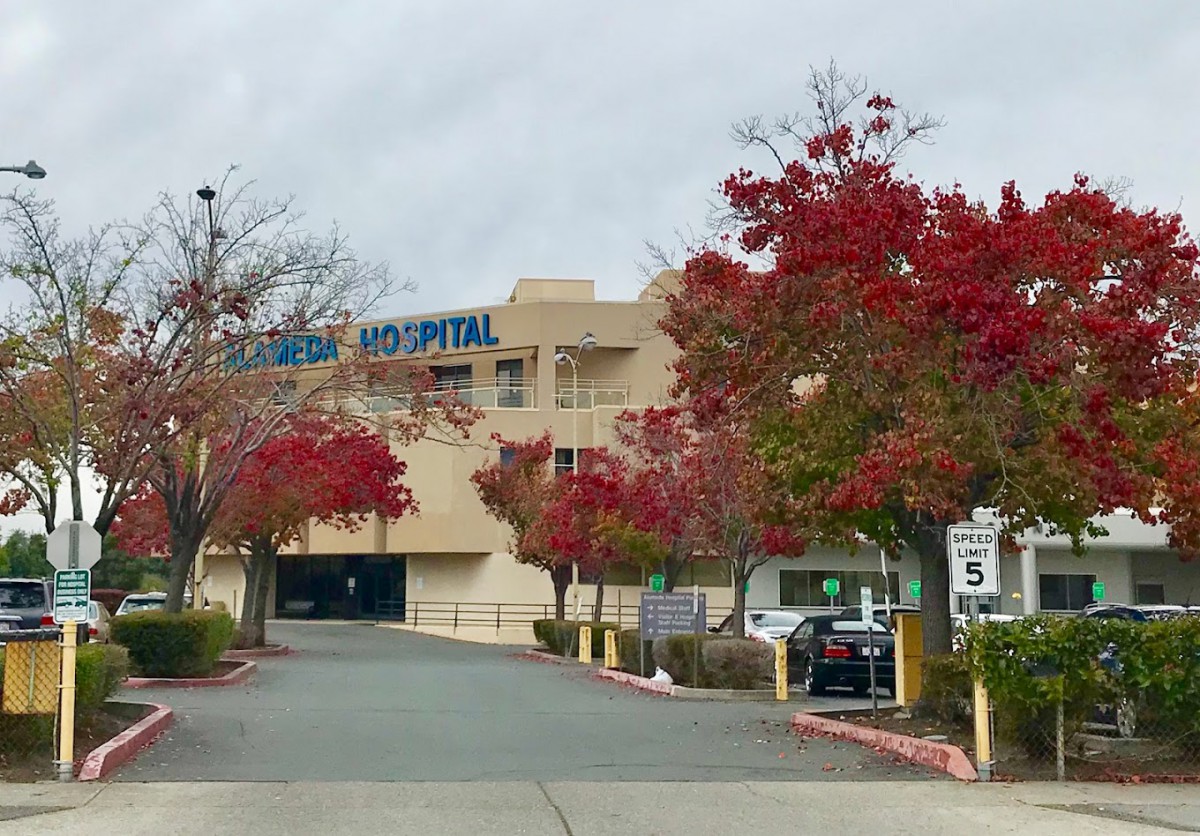
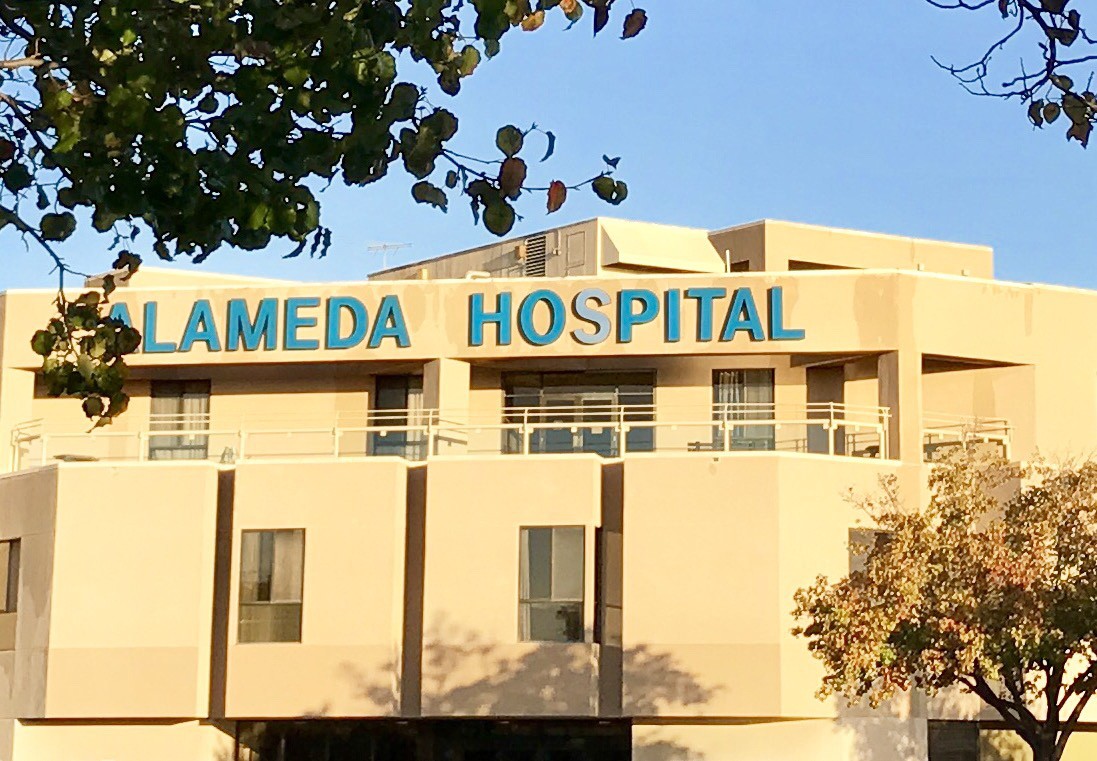
    Exterior view of a hospital building with signage.
  • Nature

    A serene river view with sunlight reflecting on the water.
  • Hallway

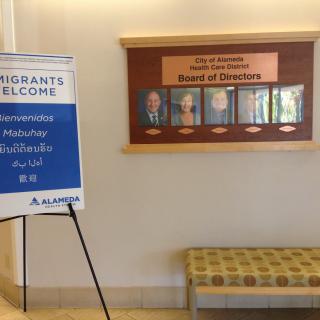
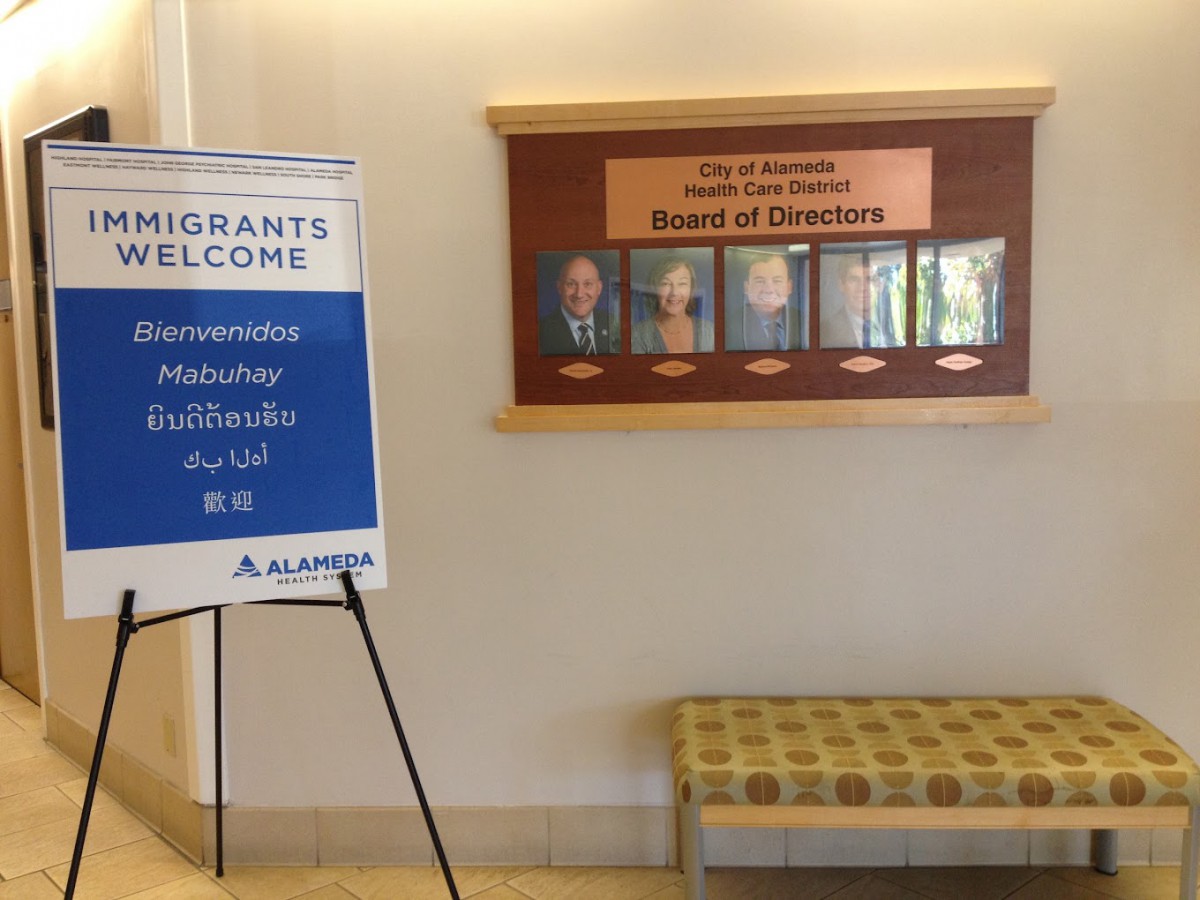
    A welcome sign for a conference stands in a hallway near the board of directors' display.
  • Fence

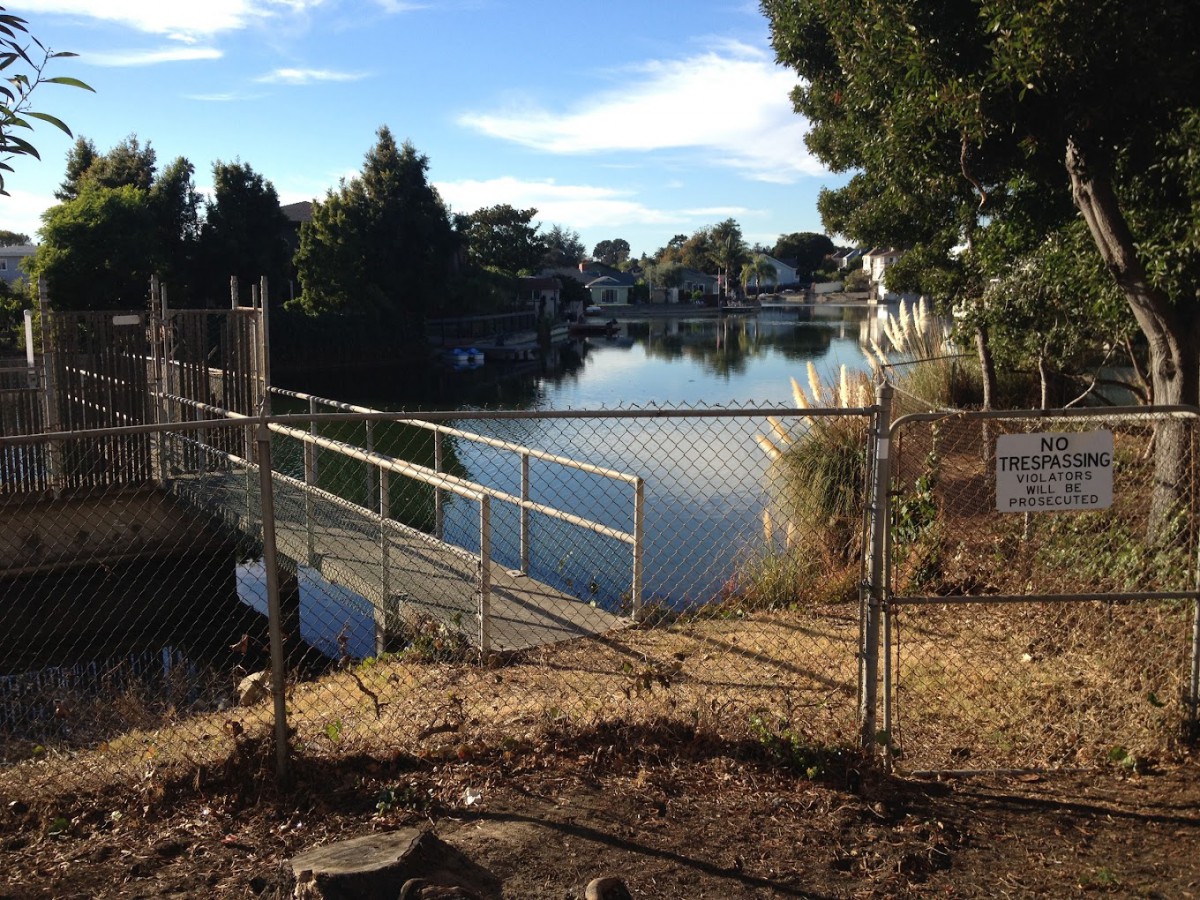
    A view of a serene lake behind a chain-link fence, surrounded by trees and under a clear sky.
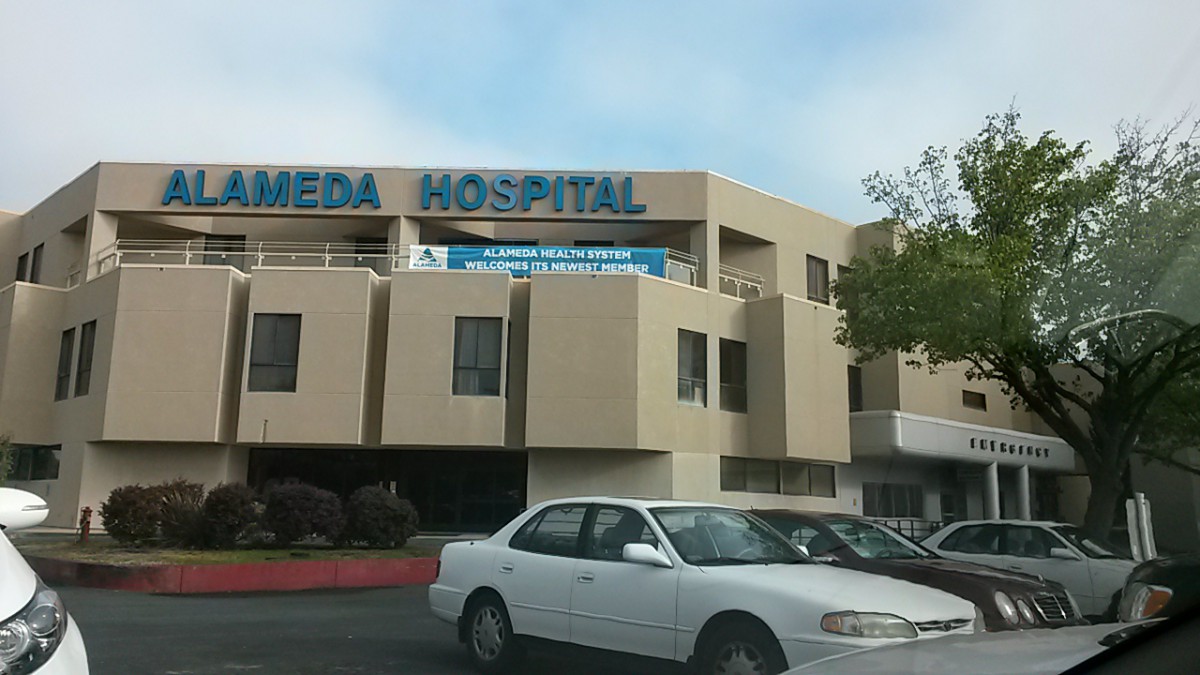
  • Healthcare

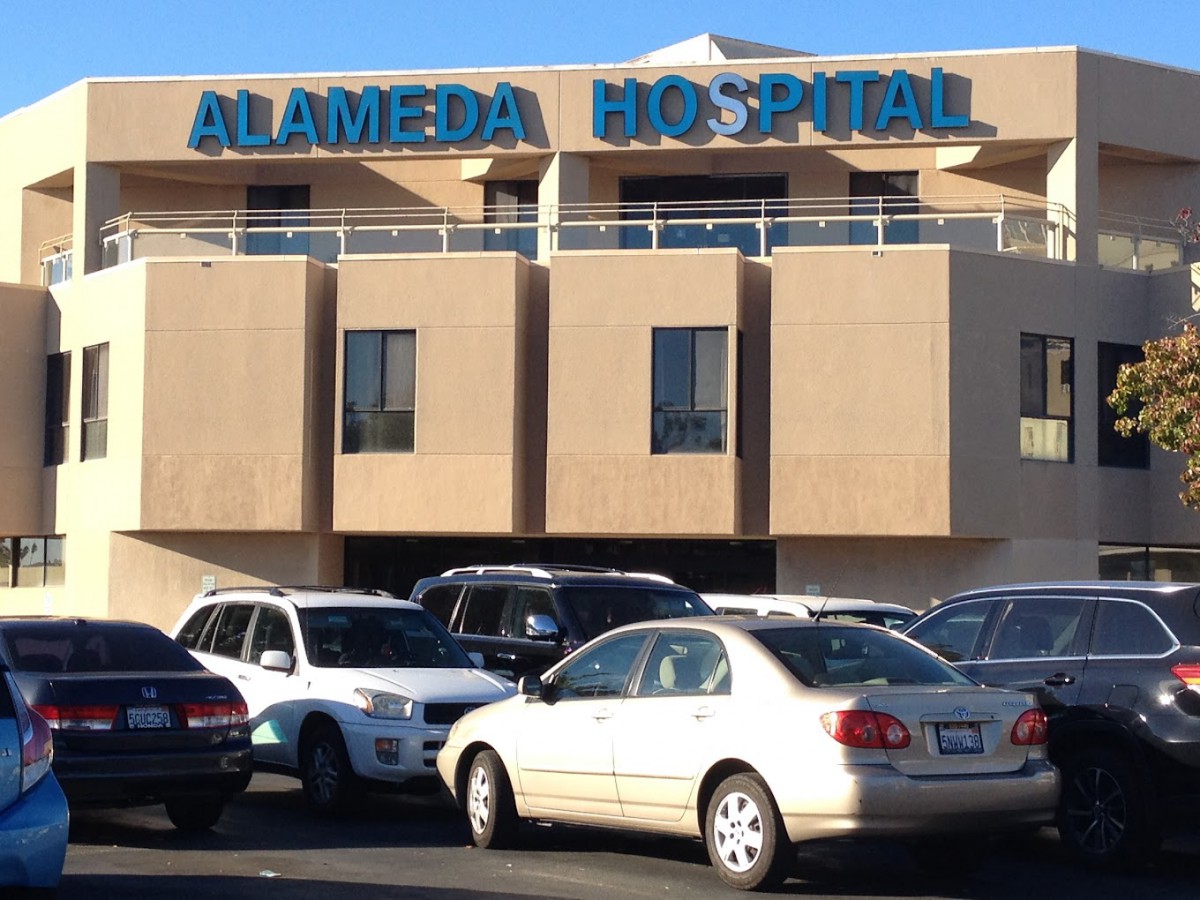
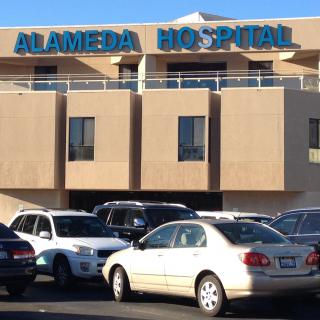
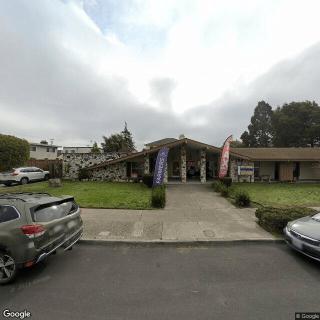
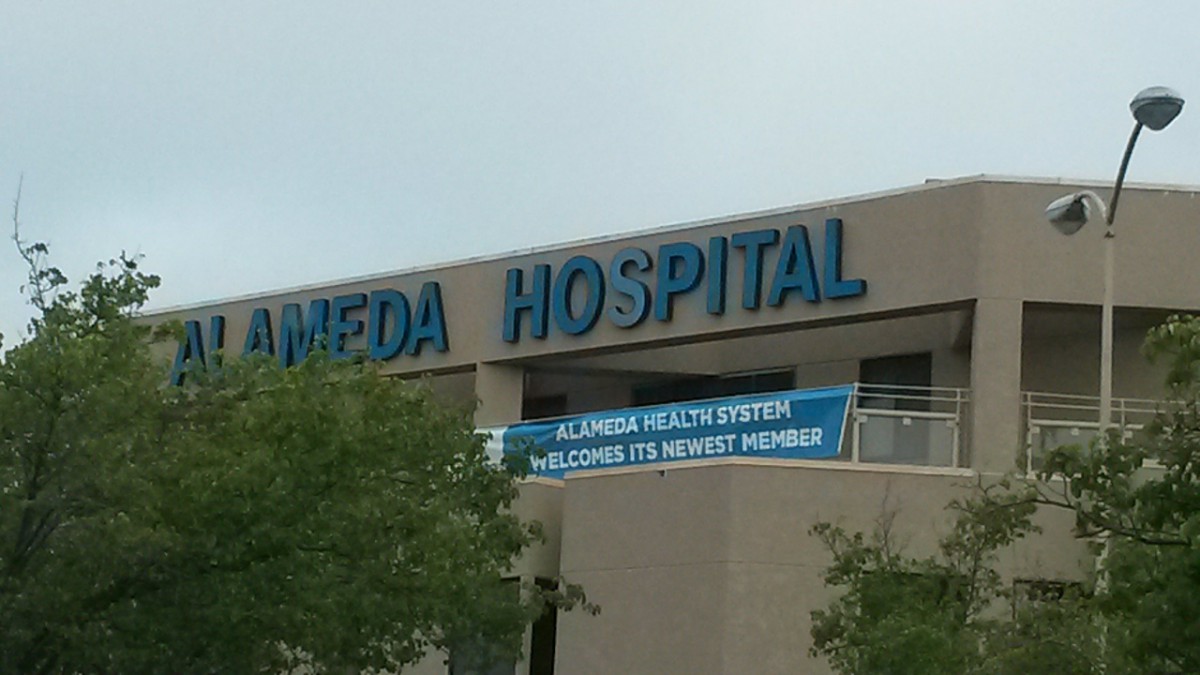
    The front view of Alameda Hospital with its name displayed on the building.
  • Urban

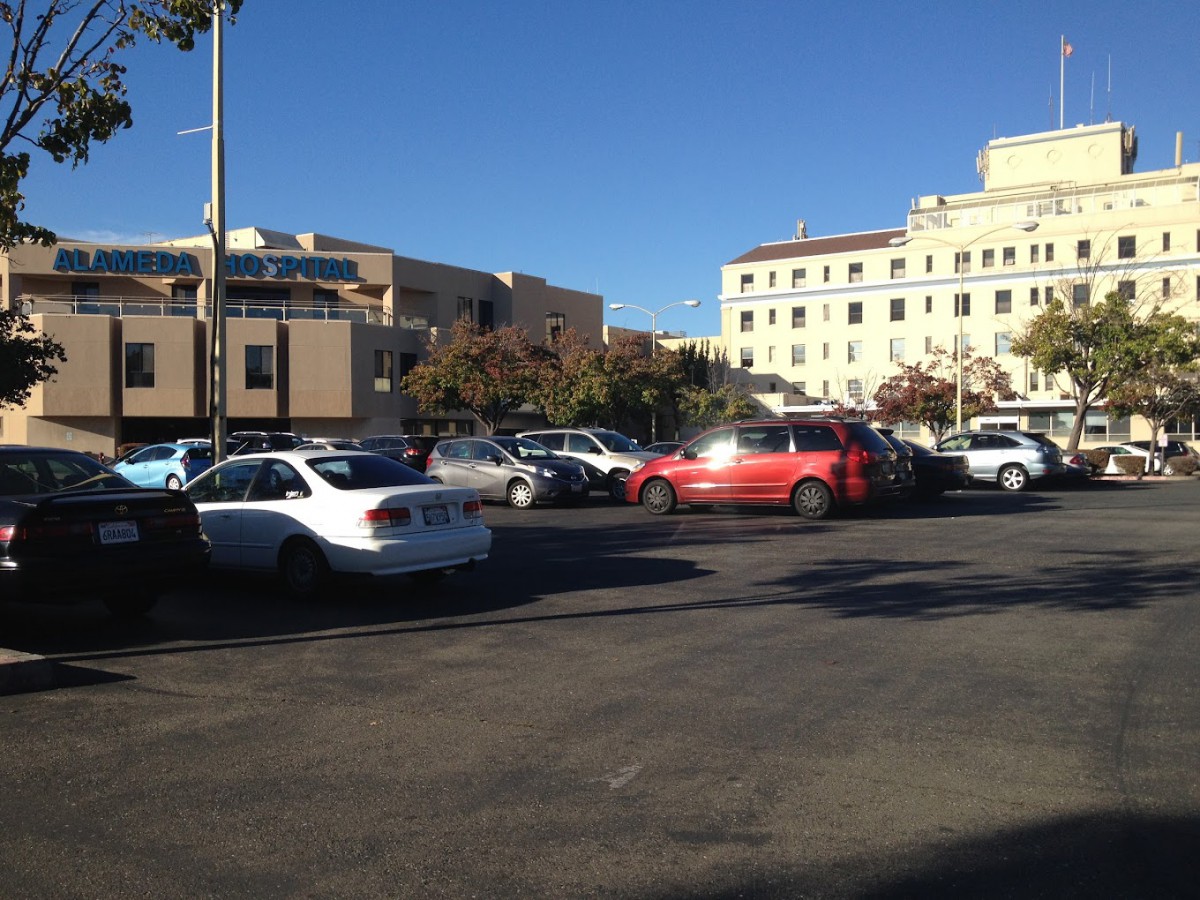
    A busy parking lot filled with cars under a clear blue sky, surrounded by urban buildings.
  • Lake

    A large building reflected in a calm lake amidst surrounding trees.
  • Parking

    A hospital building with a visible parking lot and a car in the foreground.

Alameda Hospital in Alameda, CA

Information last verified:

2070 Clinton Avenue, Alameda, CA 94501

For more information about senior living options: (844) 490-3973

2.6 from 104 reviews
5 stars
31
4 stars
9
3 stars
4
2 stars
3
1 stars
57

Overall Review of Alameda Hospital

Pros

  • pro The staff are kind, compassionate, and knowledgeable.
  • pro The intake process is quick and efficient, easing stressful moments for families.
  • pro Doctors and nurses are attentive and communicate clearly every step of the way.
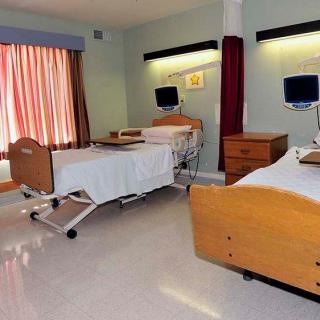
  • pro The hospital is clean, well-maintained, and the rooms are comfortable.
  • pro Visitors are treated with respect and kindness, with support provided throughout.
  • pro The professionalism and compassion of the staff stand out, making patients feel genuinely cared for.
  • pro The ER team is fast and efficient, delivering timely care.
  • pro Carmen at registration is helpful, approachable, and efficient.

Cons

  • pro The emergency department is chaotic and lacks proper triage, causing dangerous delays for urgent cases.
  • pro Staff are described as neglectful, dismissive, and discriminatory, with patients being blamed for their health issues.
  • pro The facility is dirty and poorly maintained, with dirty rooms and broken labeling on equipment.
  • pro There are reports of misdiagnosis and inadequate treatment of serious conditions, sometimes resulting in death.
  • pro Billing practices are incompetent and punitive, leading to enormous out-of-network charges and aggressive collections.
  • pro Families feel their loved ones are neglected after discharge, left alone without adequate post-acute care.
  • pro There are allegations of deception or miscommunication about transfers or patient status, including feeling like a patient was improperly moved or “kidnapped.”
  • pro The hospital is consistently slow and inefficent, with long waits and unhelpful staff.
  • pro Staff are unprofessional and uncaring, with verbal abuse and a lack of empathy that undermines patient dignity.

Review

Alameda Hospital is best suited for families seeking genuine, compassionate frontline care in an emergency or acute-episode situation, especially when a quick intake and attentive bedside staff are valued. The reviews repeatedly spotlight nurses, intake personnel, and certain physicians who are patient, communicative, and know how to comfort a anxious patient in a crisis. For families with a loved one who can tolerate an older facility with uneven maintenance, there is a practical upside: when the staff are at their best, they deliver warmth, clear explanations, and decisive action that can make a scary day bearable. This is not a pristine, high-budget campus; it is a community hospital that still draws strength from its people. The upshot: Alameda can function well as a local, responsive option in urgent moments, provided expectations align with the realities of a busy, underfunded environment.

Yet the community is not for everyone. Those who require consistently rapid triage, uniformly clean surroundings, predictable wait times, and flawless administrative processes should consider alternatives. Several reviewers report long waits, disorganized intake, and troubling lapses in triage at the ER, sometimes accompanied by aggressive or dismissive behavior from staff. Billing disputes, unexpected charges, and unclear communication about coverage also recur, creating a financial and emotional stress that many families will want to avoid. For families prioritizing a seamless care experience, especially for ongoing conditions or post-acute needs, options with stronger reputations for reliability and billing clarity, such as larger, better-funded networks or nearby facilities with standardized processes, are worth evaluating.

The positive elements in Alameda’s favor can, in some cases, offset the standout drawbacks, if the situation is acute enough to demand rapid medical attention and if the care team is aligned with the patient’s needs. When the ER staff function smoothly, the care team can be professional, empathetic, and efficient, with uncomplicated admissions and timely tests that relieve immediate pain or danger. Inpatient teams have earned praise for attentiveness, thorough explanations, and a sense of camaraderie that translates into a calmer patient experience during surgery or post-op care. The hospital’s clean wards and the dedication of certain nurses and doctors provide meaningful value in moments when issues are straightforward, and communication remains clear. These strengths matter, especially for families who can capitalize on a trusted clinician or a consistently reliable unit.

However, the cons are dispersed and serious enough to influence a decision. The ER’s reliability is message-dependent: some visits unfold with swift triage and attentive clinicians, while others descend into delays, misdiagnoses, or perceived neglect. Several accounts describe equipment errors, miscommunications, and disorienting discharge processes, sometimes accompanied by confrontations or perceived disrespect. Billing and insurance friction surfaces repeatedly, with some patients experiencing surprise charges, in-network complications, or contact issues with collections despite presenting insurance information. Cleanliness and maintenance gaps in certain areas further undermine confidence, signaling that expectations for a well-run, modern hospital are not uniformly met. In short, the risk profile at Alameda is highly variable.

For families weighing urgent care against ongoing, chronic management, these dynamics matter. Alameda can serve well for episodic emergencies, rapid admissions, and the right clinician who knows how to translate complex information into practical steps. But the likelihood of inconsistent experiences, especially during high-volume periods, means that families should have a clear plan B. Alternatives to consider include larger regional hospitals with established ER triage protocols and stronger billing governance, or nearby systems with reputations for more predictable patient experiences and clearer financial communications. If choosing Alameda, prepare by verifying the in-network status of the emergency physicians, clarifying discharge instructions, and establishing a point of contact for post-discharge questions to prevent miscommunication from spiraling into further stress.

Overall, Alameda Hospital represents a pragmatic local option with undeniable human warmth in many encounters, tempered by a patchwork of systemic flaws that can undermine confidence in high-stakes moments. The decisive takeaway is practical: for a family with a loved one who needs quick, compassionate care in a genuine crisis and who can tolerate occasional uneven service, Alameda can be a workable choice. For families that prize consistent triage, pristine facilities, predictable wait times, and frictionless billing, alternatives should be prioritized. In planning, prioritize clinicians with a track record of clear communication, confirm coverage before a visit, and have a backup hospital in mind if a situation demands uniform reliability and seamless coordination. The right decision hinges on balancing the presence of caring, capable staff with the reality of episodic administrative and operational variability.

Features

Housing

  • 181 resident community capacity 181 resident community capacity

Types of Care

  • Skilled Nursing Facility Skilled Nursing FacilitySkilled Nursing Facilities are crucial for seniors as they provide round-the-clock medical care, rehabilitation services, and assistance with daily activities. These facilities ensure that seniors receive the specialized care they need to maintain their health and well-being as they age.

Amenities

  • Air-conditioning Air-conditioningAir conditioning is important for seniors as they are more vulnerable to heat-related illnesses and may have underlying health conditions that make it difficult for them to regulate their body temperature. It helps to keep them comfortable, safe, and healthy in hot weather.
  • Beauty salon Beauty salonBeauty salons are important for seniors because they provide a space for them to feel pampered, socialize, and maintain their personal grooming and hygiene. Regular visits to a beauty salon can help boost seniors' self-esteem and overall well-being.
  • Cable or satellite TV Cable or satellite TVCable or satellite TV is important for seniors because it provides entertainment, news, and companionship, helping to combat loneliness and boredom. It also offers a wide range of programming options tailored to different interests and preferences.
  • Computer center Computer centerA computer center is essential for seniors as it provides access to technology, communication tools, and resources that can enhance their daily lives. It allows them to stay connected with loved ones, engage in online activities, and learn new skills, ultimately promoting socialization and mental stimulation.
  • Dining room Dining roomDining rooms are important for seniors as they provide a space for socialization, connection, and nutritious meals. They offer opportunities for residents to bond over shared meals, foster a sense of community, and promote healthy eating habits. Dining rooms also ensure that seniors have access to well-balanced meals tailored to their dietary needs and preferences.
  • Fitness room Fitness roomHaving a fitness room in a senior living community is essential for seniors to stay active, maintain their physical health, and improve their overall well-being. Regular exercise can help prevent falls, reduce the risk of chronic diseases, and promote mental sharpness. It also provides social opportunities for residents to connect with others and enjoy a sense of community.
  • Fully furnished Fully furnishedFully furnished senior living communities are important for seniors because they provide convenience, comfort, and a hassle-free moving experience. Seniors can easily settle into their new living space without the stress of having to buy and move furniture. This allows them to focus on enjoying their new home and community.
  • Gaming room Gaming roomGaming rooms are important for seniors as they provide a fun and engaging environment for socializing, cognitive stimulation, and physical activity. Games can improve memory, problem-solving skills, and overall mental well-being while fostering friendships and reducing feelings of isolation.
  • Garden GardenGardens are important for seniors as they provide a peaceful and therapeutic environment for relaxation, physical activity, and socialization. Being in nature has been shown to reduce stress, improve mood, and promote overall well-being. Gardens also offer opportunities for seniors to engage in gardening activities, which can improve mobility, flexibility, and cognitive function. Additionally, gardens create a sense of community and connection with others who share a passion for plants and outdoor spaces.
  • Housekeeping services Housekeeping servicesHousekeeping services are important for seniors because they help maintain a clean and safe living environment, promote independence, and reduce the risk of accidents or illnesses. Additionally, having assistance with household chores can alleviate physical strain and allow seniors to focus on other aspects of their well-being.
  • Kitchenette KitchenetteKitchenettes are important for seniors living in senior living communities because they provide the convenience and independence of being able to prepare simple meals and snacks in the comfort of their own living space. This can help promote a sense of autonomy and well-being for seniors, allowing them to maintain some level of control over their dietary choices and daily routines.
  • Move-in coordination Move-in coordinationMove-in coordination is important for seniors because it helps ease the transition into their new living environment. It ensures that all logistics, such as packing, organizing movers, and setting up utilities are taken care of, allowing seniors to focus on settling in and adjusting to their new home. Having a smooth move-in process can alleviate stress and anxiety, making the transition smoother and more enjoyable for seniors.
  • Outdoor space Outdoor spaceOutdoor spaces are important for seniors as they provide opportunities for physical activity, social interaction, exposure to natural light and fresh air, and a sense of connection to nature. Having access to outdoor spaces can improve overall well-being and quality of life for older adults living in senior communities.
  • Private bathrooms Private bathroomsPrivate bathrooms are important for seniors in senior living communities because they provide independence, dignity, and comfort. Having a private bathroom allows seniors to maintain their personal hygiene routines without the need for assistance, promoting a sense of autonomy and privacy. Additionally, private bathrooms help prevent the spread of infections and provide a safe and clean environment for seniors to navigate safely.
  • Restaurant-style dining Restaurant-style diningRestaurant-style dining is important for seniors because it allows them to enjoy delicious, nutritious meals in a social and upscale setting. This enhances their dining experience, promotes healthy eating habits, and fosters socialization with fellow residents, ultimately contributing to their overall well-being and quality of life.
  • Small library Small librarySmall libraries are important for seniors as they provide access to a variety of reading materials, including books, newspapers, and magazines. This can help stimulate their minds, keep them engaged, and provide a sense of community through book clubs and other social activities. Additionally, reading has been shown to improve cognitive function and overall mental well-being in older adults.
  • Telephone TelephoneTelephones are important for seniors as they provide a lifeline for communication with loved ones, emergency services, and healthcare providers. They offer a sense of security and independence, enabling seniors to stay connected and access assistance when needed.
  • Wellness center Wellness centerWellness centers are important for seniors because they offer a variety of programs and services that promote physical, mental, and emotional well-being. These centers provide opportunities for exercise, socialization, education, and relaxation, helping seniors maintain their overall health and quality of life.
  • Wi-Fi/high-speed internet available Wi-Fi/high-speed internet availableWi-Fi/high-speed internet is important for seniors to stay connected with loved ones, access online resources, and participate in virtual activities to combat feelings of loneliness and isolation. It also allows them to easily manage healthcare needs, access entertainment, and engage in lifelong learning opportunities.

Transportation

  • Metropolitan Oakland International (3 miles away) Metropolitan Oakland International (3 miles away)
  • San Francisco International (12 miles away) San Francisco International (12 miles away)
  • Community operated transportation Community operated transportationCommunity operated transportation is crucial for seniors as it provides them with the means to access essential services, social activities, and medical appointments. It allows seniors to maintain their independence and quality of life by ensuring they can participate in activities outside of their homes. Additionally, community-operated transportation services offer a safe and reliable way for seniors to travel without having to rely on family or friends for assistance.
  • Transportation arrangement Transportation arrangementTransportation arrangements are crucial for seniors as they may face challenges with driving, mobility, or access to public transportation. Having reliable transportation services ensures that seniors can easily attend appointments, social activities, and maintain their independence and quality of life.
  • Transportation arrangement (non-medical) Transportation arrangement (non-medical)Transportation arrangements are essential for seniors as they provide access to essential services, activities, and social interactions outside the home. This service helps maintain independence, mobility, and overall well-being for seniors who may have limited transportation options.
  • Transportation to doctors appointments Transportation to doctors appointmentsTransportation to doctors appointments is crucial for seniors as it ensures they have access to necessary medical care and support, promoting their health and well-being. It allows them to receive timely treatment, monitor existing conditions, and address any new health concerns efficiently. Additionally, transportation services can help seniors maintain their independence and quality of life by enabling them to stay connected with their healthcare providers.

Care Services

  • 12-16 hour nursing 12-16 hour nursing12-16 hour nursing care is crucial for seniors in order to ensure around-the-clock monitoring, timely medication administration, and prompt response to any health concerns or emergencies. This level of care helps to promote the overall well-being and safety of seniors living in senior living communities.
  • 24-hour call system 24-hour call system24-hour call systems are important for seniors because they provide peace of mind and immediate assistance in case of emergencies. This technology ensures that help is always available, promoting safety and security for elderly individuals living alone or in assisted living facilities.
  • 24-hour supervision 24-hour supervision24-hour supervision is important for seniors to ensure their safety, well-being, and access to immediate assistance in case of emergencies or health issues. This constant support provides peace of mind for both seniors and their loved ones, allowing them to age in place with dignity and security.
  • Activities of daily living assistance Activities of daily living assistanceActivities of daily living assistance are important for seniors because they provide essential support with tasks such as eating, bathing, dressing, and mobility. This assistance helps seniors maintain their independence, dignity, and overall quality of life as they age.
  • Assistance with bathing Assistance with bathingAssistance with bathing is crucial for seniors as it helps maintain personal hygiene, prevents infections, and ensures their overall well-being and comfort. It also provides a sense of dignity and independence for seniors who may struggle with this task on their own.
  • Assistance with dressing Assistance with dressingAssistance with dressing is important for seniors because it helps maintain their independence, promotes personal hygiene, prevents accidents and injuries, and improves overall quality of life. This service ensures that seniors can continue to dress comfortably and confidently, despite any physical limitations they may have.
  • Assistance with transfers Assistance with transfersAssistance with transfers is crucial for seniors as it helps prevent falls and injuries, maintains their independence, and ensures they can safely navigate their living environment. It also provides peace of mind for both seniors and their loved ones.
  • Diabetes diet Diabetes dietA diabetes diet is crucial for seniors as it helps manage blood sugar levels, reduce risks of complications, and improve overall health and well-being. By following a balanced and nutritious diet tailored to their specific needs, seniors can better control their diabetes and enhance their quality of life.
  • Meal preparation and service Meal preparation and serviceMeal preparation and service are crucial for seniors as they may have limited mobility or energy to cook nutritious meals. Having access to healthy and convenient food options can ensure they are getting the proper nutrition needed to maintain their overall health and well-being.
  • Medication management Medication managementMedication management is crucial for seniors to ensure they are taking the right medications at the correct dosages and times. This helps prevent adverse drug interactions, reduces the risk of medication errors, and promotes overall health and well-being. Proactive management also allows for adjustments as needed based on changing health conditions or new prescriptions.
  • Mental wellness program Mental wellness programMental wellness programs are essential for seniors as they promote cognitive stimulation, emotional support, and social engagement. These programs help prevent isolation, depression, and cognitive decline, ultimately enhancing the overall quality of life for older adults.
  • Special dietary restrictions Special dietary restrictionsSpecial dietary restrictions are important for seniors because age-related changes in metabolism and health conditions can make it difficult for their bodies to process certain foods. By following a diet tailored to their specific needs, seniors can maintain their overall health and well-being, manage chronic conditions, and reduce the risk of complications such as malnutrition or food interactions with medications.

Dining

  • Diabetes diet Diabetes dietA diabetes diet is crucial for seniors as it helps manage blood sugar levels, reduce risks of complications, and improve overall health and well-being. By following a balanced and nutritious diet tailored to their specific needs, seniors can better control their diabetes and enhance their quality of life.
  • Special dietary restrictions Special dietary restrictionsSpecial dietary restrictions are important for seniors because age-related changes in metabolism and health conditions can make it difficult for their bodies to process certain foods. By following a diet tailored to their specific needs, seniors can maintain their overall health and well-being, manage chronic conditions, and reduce the risk of complications such as malnutrition or food interactions with medications.

Activities

  • Community-sponsored activities Community-sponsored activitiesCommunity-sponsored activities are important for seniors as they provide opportunities for social interaction, mental stimulation, and physical activity. These activities can help improve overall well-being, combat loneliness and isolation, and promote a sense of belonging and purpose among older adults.
  • Concierge services Concierge servicesConcierge services are essential for seniors as they provide assistance with daily tasks and errands, enhance their quality of life by offering convenience and personalized care, and promote a sense of safety and security.
  • Fitness programs Fitness programsFitness programs are crucial for seniors as they help improve strength, flexibility, balance, and overall well-being. Staying active can reduce the risk of chronic diseases, improve mental health, and enhance quality of life in older adults.
  • Planned day trips Planned day tripsPlanned day trips are important for seniors because they offer opportunities for socialization, mental stimulation, and physical activity. They provide a change of scenery and help seniors stay engaged and connected to their community, promoting overall well-being and quality of life.
  • Resident-run activities Resident-run activitiesResident-run activities are important for seniors as they encourage social interaction, creativity, and a sense of autonomy. These activities empower seniors to stay engaged and active in their community while fostering meaningful connections with their peers.
  • Scheduled daily activities Scheduled daily activitiesScheduled daily activities are important for seniors because they provide structure, socialization, mental stimulation, and physical activity. Engaging in regular activities can improve overall well-being and quality of life for seniors living in a community setting.

Description

The Alameda Hospital in Alameda, CA offers a wide range of amenities and care services to create a comfortable and convenient assisted living community. Residents can enjoy the convenience of on-site amenities such as a beauty salon, computer center, gaming room, small library, fitness room, and outdoor spaces like gardens. The fully furnished private rooms feature cable or satellite TV, private bathrooms, Wi-Fi/high-speed internet access, and housekeeping services.

The community also provides various care services to ensure the well-being of residents. This includes 24-hour call system and supervision for prompt assistance whenever needed. Trained staff members are available to assist with activities of daily living such as bathing, dressing, and transfers. Medication management and diabetes diets are also provided for those who require them. Mental wellness programs are offered to support emotional well-being.

Residents can enjoy delicious restaurant-style dining with special dietary restrictions catered to. Concierge services are available to assist with any needs or requests. A variety of activities are planned by the community including fitness programs, resident-run activities, scheduled daily activities, and planned day trips to keep residents engaged and socially active.

Located in Alameda, CA, the community benefits from its close proximity to various amenities in the surrounding area. There are two cafes, 10 parks, 14 pharmacies, two physicians’ offices nearby along with 11 restaurants and multiple transportation options. Additionally, there is one place of worship within reach for residents who have religious affiliations. With four hospitals conveniently located nearby, residents can easily access medical care if needed.

Overall, the Alameda Hospital assisted living community offers a comfortable living environment with comprehensive care services and an array of amenities to support residents' physical and mental well-being while providing convenient access to nearby amenities and healthcare facilities.

Nearby Places of Interest

Pharmacies

  • Walgreens (0.5 miles)
  • CVS Pharmacy (0.6 miles)
  • Harborside Health Center (1.6 miles)
  • Walgreens (1.7 miles)
  • CVS Pharmacy (1.8 miles)
  • CVS Pharmacy (2.3 miles)
  • Walgreens (3 miles)

Parks

  • Alameda Dog Park (1 miles)
  • Lincoln Park (1.2 miles)
  • Shoreline Park (1.7 miles)
  • Alco Park (2.7 miles)
  • Snow Park (3.1 miles)
  • Dimond Park (3.6 miles)
  • Morcom Rose Garden (3.9 miles)

Transportation

  • Fruitvale BART Station (1.8 miles)
  • Lake Merritt BART Station (2.5 miles)
  • 20/21 Bus Stop (3.1 miles)
  • JSX (3.6 miles)
  • West Oakland BART Station (3.7 miles)
  • Escape Lounge (4.1 miles)
  • Oakland International Airport (OAK) (4.2 miles)

Restaurants

  • In-N-Out Burger (2 miles)
  • Nido’s Backyard (2.2 miles)
  • Original Pattern Brewing Company (2.5 miles)
  • Seawolf (2.6 miles)
  • Jack London Square (2.6 miles)
  • Almanac Beer Co. Barrel House & Taproom (2.8 miles)
  • Drake's Dealership (3.5 miles)

Cafes

  • Bicycle Coffee (2.5 miles)
  • Blue Bottle Coffee (4.7 miles)
  • Highwire Coffee Roasters (5.6 miles)
  • Caffe Strada (7.3 miles)
  • Andytown Coffee Roasters (8 miles)

Places of Worship

  • Bay Area Chinese Bible Church (2.6 miles)
  • Bethel Presbyterian Church Of San Leandro (7.2 miles)

Hospitals

  • Highland Hospital (2.7 miles)
  • Sutter Alta Bates Summit Medical Center: Summit Camps (4.1 miles)
  • Kaiser OB-GYN (4.2 miles)
  • Kaiser Permanente Oakland Medical Center (4.3 miles)
  • Kaiser Permanente San Leandro Labor & Delivery (6.2 miles)

Physicians

  • One Medical (3.9 miles)
  • Kaiser Permanente Medical Center - Mosswood Building (4.2 miles)
  • Sutter Urgent Care: Sutter East Bay Medical Foundation (7 miles)
  • Berkeley Pediatrics (7.9 miles)

Theaters

  • AMC Bay Street 16 (5.3 miles)

Frequently Asked Questions

Where is Alameda Hospital?
What photos are available for Alameda Hospital in Alameda, California?

Nearby Communities

  • Bay View Nursing & Rehab Center

    Bay View Nursing & Rehab Center

    Alameda, CA

    2.8 from 29 reviews
     

    pro Extensive amenities and services that promote independence (dining, recreation, transportation, fitness).

  • Alameda Healthcare & Wellness Center

    Alameda Healthcare & Wellness Center

    Alameda, CA

    4.6 from 117 reviews
     

    pro Clean, spacious environment with strong rehab and activity options.

  • Alameda Care Center

    Alameda Care Center

    Alameda, CA

    4.7 from 102 reviews
     

    pro Caring staff with effective therapy; attractive attached assisted living.

  • Helping Hearts Home Healthcare

    Helping Hearts Home Healthcare

    Alameda, CA

    4.8 from 42 reviews
    $3,090 / month

    pro Affordable private room at $3,090/mo; Alameda location with abundant nearby amenities.

  • Premier Homecare Angels

    Premier Homecare Angels

    Alameda, CA

    5 from 1 review
     

    pro Professional, compassionate care with attentive staff.

  • Smart Healthy Babies Home Vst

    Smart Healthy Babies Home Vst

    Alameda, CA

    4.5 from 22 reviews
     

    pro Exceptional senior care in a nurturing setting with easy access to healthcare and social activities nearby.

  • Fruitvale Healthcare Center

    Fruitvale Healthcare Center

    Oakland, CA

    2.7 from 33 reviews
     

    pro Extensive amenities and 24/7 care with restaurant-style dining.

  • Pacifica Senior Living Oakland Heights

    Pacifica Senior Living Oakland Heights

    Oakland, CA

    4.2 from 151 reviews
    $3,500 to $5,400 / month

    pro Friendly staff and clean, well-maintained facilities.

  • Dimond Care II

    Dimond Care II

    Oakland, CA

    5 from 1 review
    $5,000 to $6,000 / month

    pro Extensive on-site amenities and services.

Related Resources

  • caregiver dutiesTen Vital Duties of a Senior Caregiver: A Comprehensive Guide

    The guide details ten essential responsibilities of senior caregivers, including personal care, mobility assistance, medication management, and emotional support, while emphasizing the importance of safety, nutrition, and maintaining a safe living environment to enhance seniors' quality of life and independence.

  • memory games for seniors9 Stimulating Memory Activities for Seniors: Puzzles, Cards, and Much More

    The article highlights nine memory-boosting activities for seniors that enhance cognitive health and social interaction, including puzzles, trivia quizzes, and storytelling, while emphasizing the importance of adapting these activities to individual preferences to maximize enjoyment and engagement. Consistent mental engagement is linked to improved cognitive function and emotional well-being in older adults.

  • what happens when medicare stops paying for nursing home careManaging Nursing Home Expenses After Medicare Coverage Ends
    Medicare provides limited coverage for skilled nursing home care, covering full benefits for the first 20 days and partial benefits up to 100 days under certain conditions, after which families must explore alternative funding options like Medicaid or long-term care insurance to manage potentially high costs. Proactive planning is essential to navigate the complexities of financing ongoing care once Medicare coverage ends.