
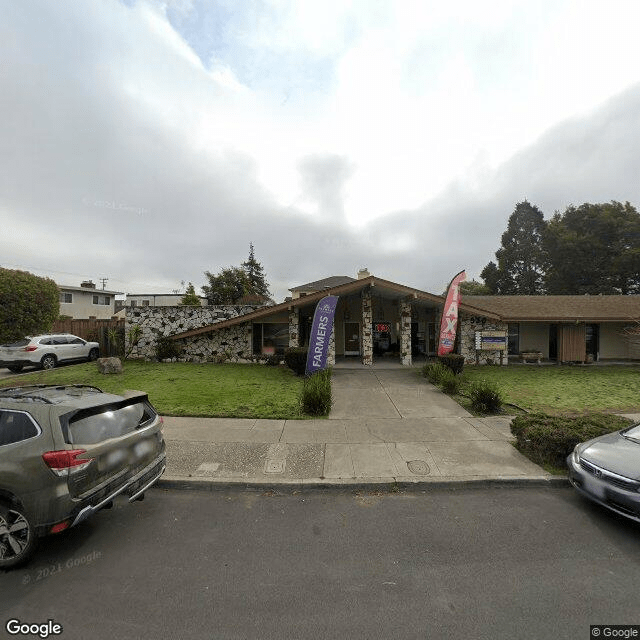
550 Park St, Alameda, CA 94501
To contact a resident: (510) 864-1077
For more information about senior living options: (866) 208-4318
Overall Review of Smart Healthy Babies Home Vst
Pros
 They provide lots of good resources and classes for teachers.
- They are a life saver.
- These services are great for families with small children and for families in general.
- They have an incredible local track record supporting infant-toddler and preschool programs in Alameda County.
- They are highly engaged partners in regional efforts to improve quality and build the capacity of early care and education settings across the Bay Area.
- They offer a place for growth and support for parents and providers.
- They thank the staff for their care, knowledge, and service.
Cons
 They tried to connect with you all evening, but to no avail.
Review
Smart Healthy Babies Home Vst in Alameda is best suited for families with infants and toddlers and for early-childhood educators who want a robust ecosystem of programs. The site has built a solid local track record in supporting infant-toddler and preschool initiatives across Alameda County and maintains active partnerships that push quality improvements and capacity-building. That combination makes it a dependable hub for parents seeking practical classes, workshops, and developmental resources, plus valuable connections for teachers and care providers aiming to grow professionally. In practice, the setup yields tangible tools families can apply at home and in early learning environments, turning caregiving and early education into collaborative, resource-rich undertakings. The focus is clear: this is about early childhood growth and family supports, not about housing or long-term elder care.
Those pursuing elder care or a traditional assisted-living residence should consider alternatives. The emphasis here is squarely on early education, parental guidance, and provider resources rather than on long-term housing, medical oversight, or 24/7 resident care. For seniors or adults needing comprehensive daily care, licensed elder-care communities offering medical staff on site, memory-care options, and well-defined care plans are a better fit. Families should seek facilities with explicit elder-care protocols, safety features, and transparent care management. In short, this Alameda hub excels as a growth-and-support engine for young families, but it does not align with aging-in-place goals or intensive daily caregiving for older adults.
The core strengths are meaningful. A proven track record supporting infant-toddler and preschool programs signals reliability, continuity, and broad community ties that translate into real advantages: access to classes, workshops, and collaborative opportunities that can elevate home routines and early-learning outcomes. Its role as an actively engaged partner in regional quality efforts means families and providers benefit from shared best practices and up-to-date materials. These advantages create a safety net of supports that stack up well against typical fragmentation in early-education ecosystems. The main caveat is the misalignment with elder-care needs, underscored by one note about inconsistent responsiveness in a communication instance. For parents and teachers focusing on young children, the positives far outweigh the occasional friction; for seniors, the mismatch is decisive.
For families weighing a decision, the practical takeaway is to lean into the resource richness while validating day-to-day responsiveness and program fit. A visit should probe how quickly inquiries are answered, how current classes are scheduled, and how family communications are handled during illness or transitions. The array of classes and the breadth of regional partnerships can ease the logistical load on working parents, but these benefits hinge on concrete, timely information and accessible engagement. Prospective users should request current calendars, sample class rosters, and outlines of partner programs; discuss staff qualifications and safety practices; and gauge how well the center integrates with home routines and daycare plans. The objective is to confirm that the offered supports align with the child’s age, development, and family rhythms.
Takeaway guidance is straightforward. This community stands as a practical, high-value option for Alameda-area families seeking robust early-childhood supports, dependable resources, and active guidance for caregivers and educators. It is not a fit for those seeking residential elder care, 24/7 supervision, or medical management for seniors. When elder-care goals are the priority, the search should move toward established assisted-living or memory-care facilities with licensed care teams and clear daily-care structures. For families focused on early development, partnerships, and home-school collaboration, this hub delivers tangible tools, credible programs, and a supportive network that can meaningfully advance childhood growth while easing parental responsibilities.
 Metropolitan Oakland International (3 miles away)






 Top Cars for Senior Drivers and Essential Safety Innovations
 A Closer Look at Private Pay Home Care
 Comprehensive Approaches for Arthritis: A Detailed Guide to Symptoms, Causes, and Care