
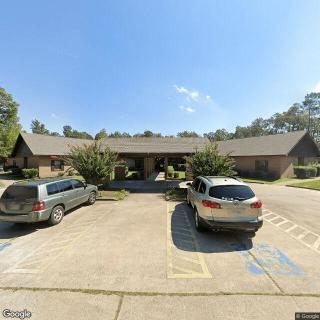
505 East Victory, Star City, AR 71667
For more information about senior living options: (866) 208-4318
Overall Review of Lincoln Heights Healthcare
Pros
 The reviewer showed generosity by donating snacks to the nursing home.
- The reviewer demonstrated care for residents by bringing a heater from home to help heat the hallways.
- The reviewer attempted to follow proper procedures to ensure medication safety.
- The reviewer expressed concern for family members by considering the implications of medication errors.
- The reviewer showed initiative and commitment to residents by trying to assist during difficult weather conditions.
Cons
 It was the worst place the reviewer ever worked.
- The facility went without heat for weeks.
- The reviewer was asked to bring an extra heater for residents, only to find it was used by the maintenance man for his office.
- The nursing home ran out of food due to the weather and lacked an emergency supply.
- Medication errors were covered up, and following proper procedures was labeled a mistake.
- There was no crash cart and no readiness for a code, delaying life-saving actions.
- Critical time was spent gathering supplies instead of saving a life.
- This is not the place to be for someone who loves their family and wants the best care.
- It was the worst nursing home in Arkansas.
Review
Lincoln Heights Healthcare in Star City, Arkansas, is best suited for families that must operate under tight constraints and are prepared to supervise care on a continual basis. The limited signals of quality are outweighed by clear, persistent service gaps that demand active involvement from relatives or guardians. This is not a setting for hands-off oversight or for residents who rely on stable, safety-forward clinical management without ongoing family monitoring. In practical terms, the community works only for households willing to step in, demand accountability, and be ready to act quickly if conditions deteriorate. It’s a last-resort option for those who cannot immediately access a more reliable alternative, but even then, vigilance must be unrelenting.
Who should seriously consider alternatives? Anyone prioritizing dependable safety, predictable routines, and medical reliability should look elsewhere. The reports describe untenable gaps that threaten resident well-being: prolonged heat outages, misallocation of heating resources, and a lack of emergency food supply in severe weather, all of which point to a fragile operational footing. Medication errors and an apparent culture of downplaying mistakes further erode trust that essential safeguards are in place. For a family with a loved one needing steady, error-free medication management, timely meals, and robust emergency readiness, the risk calculus here tips decisively toward other facilities. If alternatives exist, they represent a more prudent path.
The practical calculus of pros versus cons here heavily favors the cons. Even if a single five-star voice exists, the lack of corroborating detail makes that signal unreliable, and it cannot compensate for what the rest describe. The main advantages one might expect, consistent caregiving, reliable daily routines, and adequate resources to meet basic needs, are not demonstrated in the feedback. The fatal flaws are explicit and numerous: heat that disappears for weeks, a disorganized approach to resource use (heat for staff, not residents), insufficient food during emergencies, and a culture that reportedly conceals medication errors rather than addressing them transparently. The absence of a ready crash cart and prompt emergency readiness is not a cosmetic concern; it directly elevates risk in life-critical moments. In short, the harms overwhelm any potential benefit.
From a decision-making perspective, families should insist on rigorous, written assurances before considering this community. Concrete questions to force clarity include: what is the facility’s current plan for guaranteed heat and climate control during outages, and who bears responsibility if it fails to protect residents? What are the exact emergency food inventories, backup generators, and supply-chain contingencies? How are medication errors tracked, reported, and corrected, and what is the corrective action history? Request recent inspection reports, staffing ratios by shift, and the administrator’s direct contact for ongoing governance. If the answers are vague or repeatedly delayed, that is a red flag. Tours should include conversations with direct care staff about daily pressures, as well as a review of the medication-timing protocols and any recent incident logs.
Bottom line: Lincoln Heights Healthcare should be approached with extreme caution. For families where safety, reliable nourishment, stable climate control, and unambiguous medical oversight are non-negotiable, this facility does not meet the mark. Alternatives that offer transparent safety records, robust emergency preparedness, and clearly documented staffing stability should be pursued first. If this site remains under consideration, it must be accompanied by stringent guarantees, aggressive oversight, and a clear plan for rapid escalation and relocation should conditions fail to meet agreed-upon standards. The prudent path prioritizes residents’ safety and reliability over anything that might resemble a convenient arrangement.
 87 resident community capacity
 Skilled Nursing Facility
 Air-conditioning
 Beauty salon
 Cable or satellite TV
 Computer center
 Dining room
 Fitness room
 Fully furnished
 Gaming room
 Garden
 Housekeeping services
 Kitchenette
 Move-in coordination
 Outdoor space
 Private bathrooms
 Restaurant-style dining
 Small library
 Telephone
 Wellness center
 Wi-Fi/high-speed internet available
 Community operated transportation
 12-16 hour nursing
 24-hour call system
 Activities of daily living assistance
 Assistance with bathing
 Assistance with dressing
 Assistance with transfers
 Diabetes diet
 Medication management
 Mental wellness program
 Special dietary restrictions
 Concierge services
 Planned day trips


 Comprehensive Guide to Blood Pressure Charts for Older Adults: Understanding Normal and High Readings by Age
 Financing Long-Term Nursing Home Care Through Social Security: A Thorough Exploration
 Essential Knowledge on Pneumonia in Older Adults