
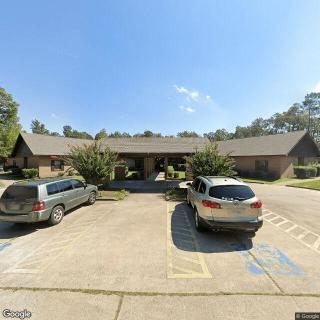
6810 South Hazel, Pine Bluff, AR 71603
For more information about senior living options: (866) 208-4318
Overall Review of The Villages Of General Baptist Health Care West
Pros
 They have been here since 2017.
- They live here now.
Cons
 Heads are going to roll.
- They were left on the floor all night.
- They were not waited on.
- They are glad the place is closed.
Review
The Villages Of General Baptist Health Care West is best suited for families seeking a hospital-affiliated pathway for post-acute recovery and a place where a resident can establish long-term residence in Pine Bluff. The rehab-connected setting suggests it can serve someone coming out of a hospital stay who needs skilled oversight and a smoother transition into ongoing assisted living. The sentiment of at least one long-term resident implies a community where stability and a sense of belonging can develop for those who want to put down roots in a small, integrated care environment. In short, this campus is most appropriate for families prioritizing coordinated rehab access within a hospital network and the possibility of a durable, home-like living situation.
Who may want to consider alternatives becomes clear when reliability and day-to-day attentiveness are non-negotiable. The most troubling feedback points to a failure in responsiveness and even safety, with a charge of being left unattended for extended periods. That raises serious questions about staffing levels, supervision, and the effectiveness of care plans for residents who require timely assistance. For families facing higher acuity needs, frequent help with transfers, continence, hygiene, or fall prevention, alternatives with demonstrated, dependable staffing and rapid response capabilities should be pursued. In those scenarios, a facility with steadier caregiver coverage will likely offer more peace of mind.
Key pros that matter in this decision include the rehab orientation tied to a hospital system, which can streamline post-acute recovery and ensure medical oversight is readily accessible. The notion of long-term residents who view the place as their home speaks to a potential for genuine continuity and a settled daily rhythm, an important quality for many seniors. The hospital-affiliated framework may also translate into smoother coordination with physicians, therapists, and care services, which can reduce gaps in care during transitions. For families prioritizing structured medical support and a built-in pathway from hospital to daily living, these structural strengths should not be dismissed.
Main cons emerge most clearly through the negative account of care lapses. Being left on the floor all night and the impression that staff did not respond promptly points to meaningful concerns about staffing stability and accountability. Even if other residents report satisfactory experiences, such an incident can erode trust in the facility’s ability to protect safety and dignity on a daily basis. The juxtaposition of one positive long-term resident experience and at least one severe neglect claim suggests inconsistency in caregiving, possible turnover, or uneven supervision. In a setting where residents depend on consistent support, these signals demand a cautious, evidence-driven evaluation.
Balancing the pros and cons, the facility offers tangible value for a subset of residents, those who can capitalize on rehab services and the promise of a stable, community-oriented environment within a hospital-connected care system. The positive testimony about lifelong residency hints at a livable, welcoming atmosphere for individuals who do well with routine and familiar faces. Yet the gravity of the accusation about neglect cannot be dismissed; a single, credible safety lapse is decisive for families with moderate to high care needs. The decision hinges on whether the reliable rehab access and integrated medical oversight can be marshaled to override concerns about inconsistent day-to-day caregiving.
Practical steps for families evaluating this community: arrange a live tour and observe care in real time, watch how staff answer calls, assist with mobility, and maintain cleanliness in common areas. Inquire about current staffing ratios, staff turnover, and how shifts are covered during peak times. Request access to recent incident logs and any corrective actions taken after the reported event. Speak with multiple residents and, if possible, family councils to assess consistency of care and culture. Verify the hospital affiliation and whether rehab stays can smoothly transition to ongoing assisted living. If these questions cannot be answered satisfactorily, pursue alternatives with demonstrated staffing reliability, transparent care protocols, and a track record of dependable, responsive care.
 177 resident community capacity
 Skilled Nursing Facility
 Air-conditioning
 Beauty salon
 Cable or satellite TV
 Computer center
 Dining room
 Fitness room
 Fully furnished
 Gaming room
 Garden
 Housekeeping services
 Kitchenette
 Move-in coordination
 Outdoor space
 Private bathrooms
 Restaurant-style dining
 Small library
 Telephone
 Wellness center
 Wi-Fi/high-speed internet available
 Community operated transportation
 12-16 hour nursing
 24-hour call system
 Activities of daily living assistance
 Assistance with bathing
 Assistance with dressing
 Assistance with transfers
 Diabetes diet
 Medication management
 Mental wellness program
 Special dietary restrictions
 Concierge services
 Planned day trips




 Comprehensive Guide to Blood Pressure Charts for Older Adults: Understanding Normal and High Readings by Age
 Financing Long-Term Nursing Home Care Through Social Security: A Thorough Exploration
 Essential Knowledge on Pneumonia in Older Adults