





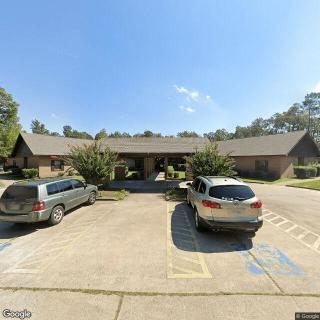
6400 Trinity Drive, Pine Bluf, AR 71603
For more information about senior living options: (866) 208-4318
Overall Review of Trinity Village Assisted Living
Pros
 The facility is very clean and well kept.
- The staff are friendly and caring.
- The residents are always well dressed and well cared for.
- Trinity is overall a great place for loved ones.
- The staff are a wonderful team to assist and go above and beyond for residents.
- Trinity is the best.
- There is always a smiling face welcoming visitors.
- It is a family-oriented environment.
Cons
 He was neglected for many days, and the care was described as totally unacceptable.
- He was left in the ER for eight hours by himself, with no one notifying his family.
- The administrator stayed in his office and did not seem to know what was going on.
- The facility charged $6,500 for what was described as inadequate care.
- He developed bed sores, bilateral pneumonia, a bladder infection, and kidney failure, and nothing was being done to improve his condition.
Review
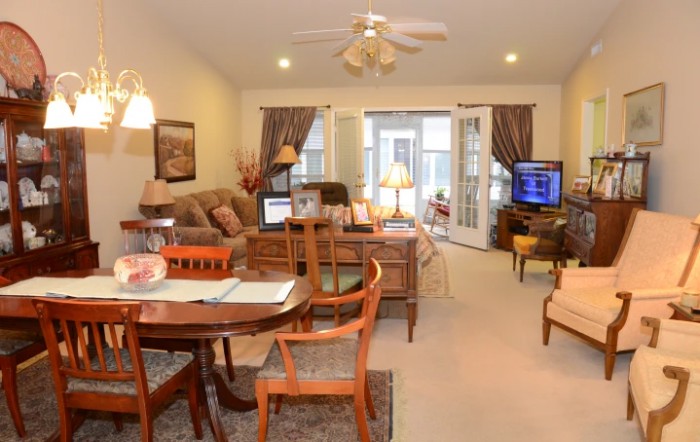
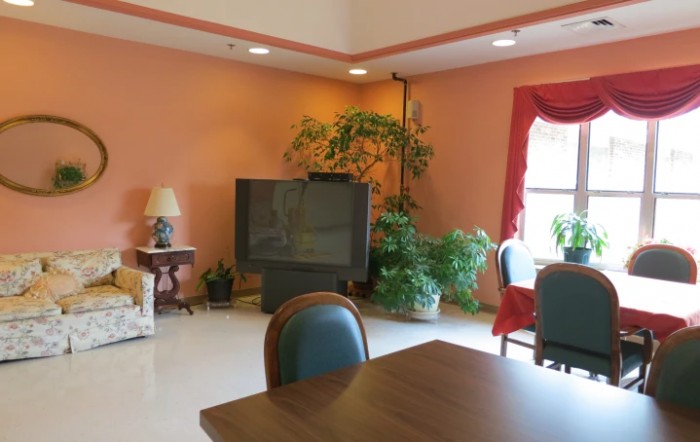
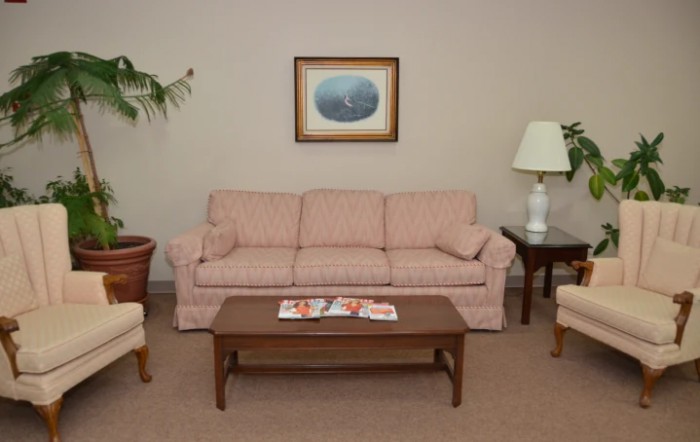
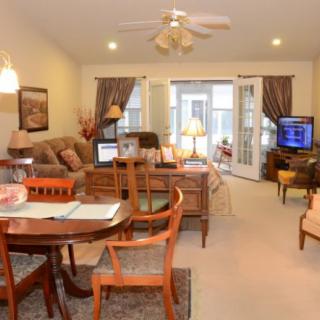
Trinity Village Assisted Living in Pine Bluff is best suited for families seeking a warm, home-like atmosphere where daily life feels clean, well-maintained, and person-centered. The community’s strongest signals are cleanliness, consistent maintenance, and staff who come across as friendly, caring, and engaged. Residents are described as frequently well-groomed, alert, and dressed for the day, which speaks to a respectful, community-focused culture. For seniors who want a reassuring, personable environment with accessible, supportive caregivers and a family feel, Trinity Village delivers solid daily living quality without demanding aggressive medical management at every moment. This makes it a practical match for those who need help with activities of daily living but are not navigating intensive clinical needs.
Those weighing Trinity Village against alternatives should be mindful of residents who require ongoing hospital-level medical oversight, complex chronic conditions, or specialized memory-care programming. Several reviews raise concerns about care coordination during medical events, including delayed updates to families and questionable responsiveness. There are pointed anecdotes about deterioration in care during hospital transfers and about administrative visibility, suggesting that in high-stakes situations the facility’s coordination may not meet every family’s expectations. For someone whose loved one has advanced dementia, frequent rehab needs, or demands robust, proactive medical management, it’s prudent to compare Trinity Village with communities known for stronger clinical oversight and transparent family communication. Additionally, the pricing level referenced in some accounts invites careful scrutiny of what is included and what requires additional billing.
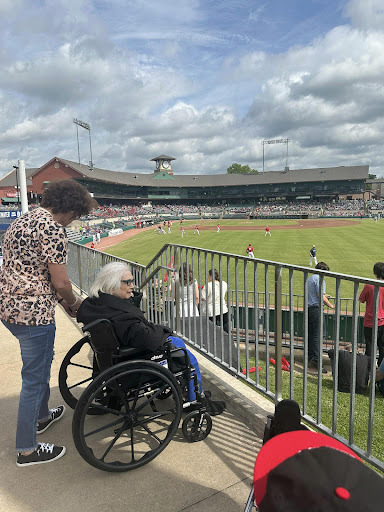
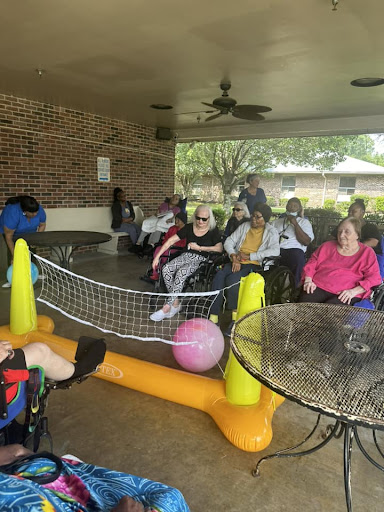
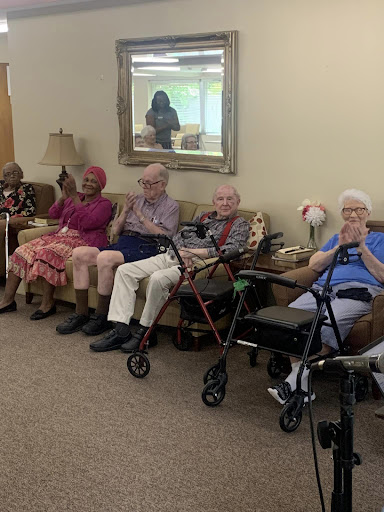
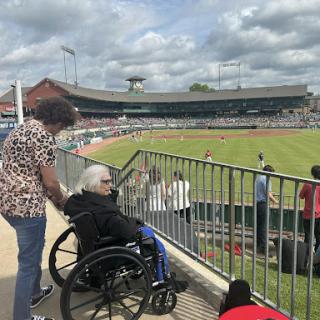
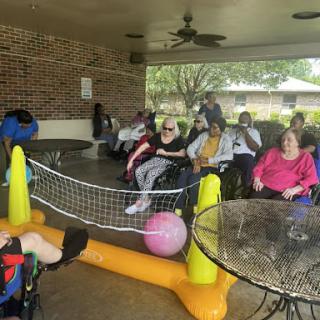
On the positive side, Trinity Village earns credibility through its operational strengths. The environment feels clean, orderly, and well kept, which contributes to everyday comfort and safety. Staff are repeatedly described as friendly and welcoming, with a genuine sense of warmth that helps residents stay engaged and cheerful. The facility projects a family-oriented ethos, with caregivers who are perceived as willing to go the extra mile, and with moments of consistent, attentive care that reinforce trust for families during difficult decisions. These advantages translate into meaningful daily benefits, predictable routines, social interaction, and a sense that staff are invested in residents’ happiness.
Still, the most serious risks identified in the reviews center on care coordination and medical responsiveness. When medical problems arise, delays in escalation or communication can leave families frustrated and feeling out of the loop at critical moments. Instances described as neglected care or delayed ER calls illustrate a real concern: clean rooms and kind faces do not automatically guarantee seamless medical management. The best way to interpret Trinity Village is to recognize that its strengths in daily living and staff rapport can significantly enhance quality of life for many residents, but they do not automatically negate the possibility of issues during acute medical episodes or rehab transitions. This tension should inform the decision for families with vulnerable loved ones.
For families evaluating Trinity Village, a practical playbook helps separate fit from misfit. Schedule thorough tours and observe how staff interact with residents, especially those who require assistance with mobility, cues, or memory support. Request a transparent overview of staffing ratios, scheduling, and weekend coverage, and ask to review incident and response procedures, including how family updates are managed during medical events. Inquire about availability of on-site or partner rehabilitation services, memory-care options, and the process for care-plan updates. Finally, request recent complaints or audit outcomes and speak with current residents and families about their ongoing communication experiences. These steps turn impressions into concrete expectations and reduce the guesswork.
The bottom line is clear. Trinity Village Assisted Living offers a compelling, comfort-oriented option for seniors who prize cleanliness, warmth, and a genuine, family-style caregiver team. It is a strong choice for those who are largely independent or mildly dependent and who value day-to-day quality of life and emotional well-being. However, for loved ones who require meticulous medical oversight, rapid response during health crises, or specialized memory care, alternatives with proven clinical rigor and transparent communications may serve better. The decisive factor is the balance between daily life satisfaction and the certainty of medical mgmt in emergencies; in that balance Trinity Village leans toward the former, with the caveat that scrutiny of care coordination will determine long-term suitability for higher-need residents.
 30 resident community capacity
 Skilled Nursing Facility
 Beauty salon
 Cable or satellite TV
 Dining room
 Fully furnished
 Garden
 Housekeeping services
 Kitchenette
 Move-in coordination
 Outdoor space
 Telephone
 Wi-Fi/high-speed internet available
 24-hour call system
 Activities of daily living assistance
 Assistance with bathing
 Assistance with dressing
 Assistance with transfers
 Diabetes diet
 Meal preparation and service
 Medication management
 Mental wellness program
 Special dietary restrictions



 Is a Geriatric Care Manager the Right Choice for Your Family?
 Compassionate Conversations: How to Comfort Someone Who Is Grieving
 Home Health Care Aides: Understanding Their Role and Supporting Your Family