
702 No Drew Street, Star City, AR 71667
For more information about senior living options: (866) 208-4318
Overall Review of Gardner Nursing And Rehabilitation
Pros
 The staff and the administrator were amazing.
- The building is very clean.
- The staff truly care about the residents.
Review
Gardner Nursing and Rehabilitation in Star City, Arkansas is best suited for families seeking a focused short-term rehab experience where rapid progress and a clean, well-managed environment take priority. With two positive reviews that laud the staff, the administrator, and the overall cleanliness, this community presents as a turnkey option for getting a loved one back on their feet after a hospital stay. The emphasis in the feedback is clear: care that feels personal, organized, and reliable, delivered in a setting that looks and feels well kept. For families pursuing an efficiently run rehab stay with attentive caregivers, Gardner stands out as a solid and practical choice.
Those weighing alternatives should be mindful of the facility’s apparent strength in short-term rehab and its apparent lack of information about long-term care, memory support, or expansive social programming. If a loved one’s needs are leaning toward ongoing, long-duration living, memory care, or complex chronic condition management, other communities with explicit long-term care tracks may offer more predictable programming and specialized staff. Similarly, families seeking robust, around-the-clock social activities or specialized dementia services may want to compare options that publicly outline these programs.
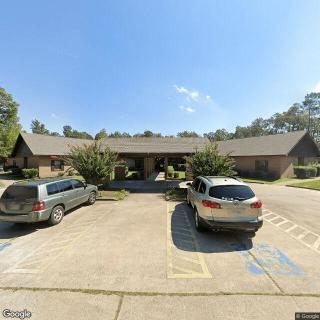
The most compelling pros are the human-centered strengths: staff who are described as amazing and genuinely caring, and a capable administrator who appears accessible and responsive. In a rehab setting, such qualities translate into better attention to safety, timely therapy sessions, and closer attention to discharge planning. The clean, well-maintained building further reinforces a sense of safety and dignity for residents, an intangible but tangible contributor to comfort and recovery. Together, these elements create a caregiving climate that can materially improve rehabilitation adherence, mood, and engagement.
Where the reviews leave questions, potential cons emerge not as concrete negatives about Gardner itself, but as gaps in the published picture. The sample consists of two praise-filled notes, with no detail about long-term care offerings, activity calendars, dietary variety, or the full spectrum of therapy disciplines. The absence of explicit information about long-term residency, memory care capabilities, or weekend therapy consistency invites cautious exploration. Families should also consider the facility’s size and capacity when planning post-acute care, as smaller settings can sometimes limit routine access to certain specialties or amenities that larger communities advertise.
The key pros offset some of these unknowns if the plan centers on short-term rehabilitation. The demonstrated care culture and clean environment directly support recovery goals by reducing infection risk, encouraging participation in therapy, and promoting a respectful atmosphere during a vulnerable transition. An engaged administrator often correlates with smoother intake, clearer discharge instructions, and better coordination with outside providers. These factors can make the critical rehab window more predictable and less stressful for families and residents alike, which is a meaningful compensating strength when the objective is to regain independence quickly.
For families assessing Gardner against other options, the practical path is clear: verify the specifics of rehab programming, therapist availability, and discharge planning processes, and seal the deal with a guided tour focused on daily operations. Ask about therapy hours, staffing ratios on weekends, and how the facility handles transitions to home or to another care setting. In addition, solicit current resident and family references beyond the published two reviews to gauge consistency. If the goal is reliable short-term recovery in a clean, caring environment, Gardner Nursing and Rehabilitation is a compelling fit; if long-term care, memory support, or broad social programming is essential, it deserves closer comparison with alternatives that publish those capabilities with equal clarity.
 95 resident community capacity
 Skilled Nursing Facility
 Air-conditioning
 Beauty salon
 Cable or satellite TV
 Computer center
 Dining room
 Fitness room
 Fully furnished
 Gaming room
 Garden
 Housekeeping services
 Kitchenette
 Move-in coordination
 Outdoor space
 Private bathrooms
 Restaurant-style dining
 Small library
 Telephone
 Wellness center
 Wi-Fi/high-speed internet available
 Community operated transportation
 12-16 hour nursing
 24-hour call system
 Activities of daily living assistance
 Assistance with bathing
 Assistance with dressing
 Assistance with transfers
 Diabetes diet
 Medication management
 Mental wellness program
 Special dietary restrictions
 Concierge services
 Planned day trips


 Comprehensive Guide to Blood Pressure Charts for Older Adults: Understanding Normal and High Readings by Age
 Financing Long-Term Nursing Home Care Through Social Security: A Thorough Exploration
 Essential Knowledge on Pneumonia in Older Adults