701 South Main Street, Rison, AR 71665
For more information about senior living options: (866) 208-4318
Overall Review of The Green House Cottages Of Southern Hills
Pros
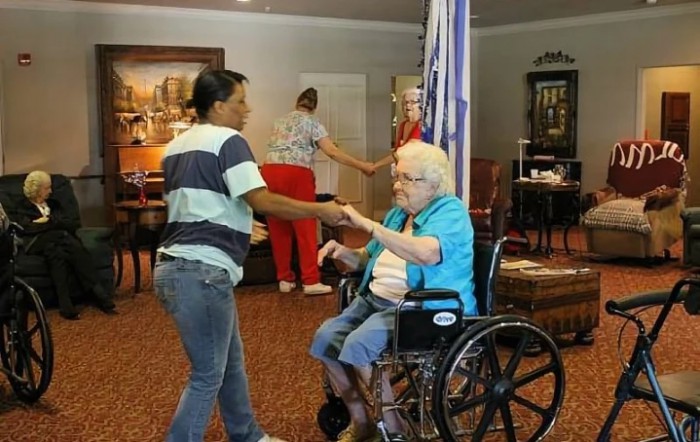
 The staff are very friendly and residents seem well cared for.
- The facility has excellent amenities for the elderly and shows genuine care for residents.
- Visitors are treated like valued guests by the staff.
- They have specialized training in Alzheimer's care.
- The meals are home-cooked, offering a comforting dining experience.
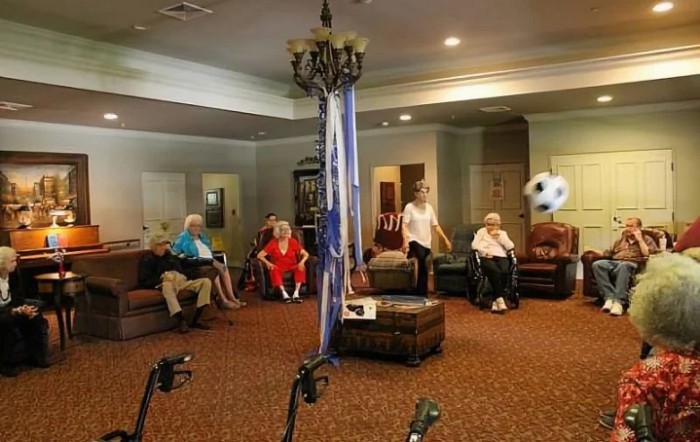
- Each cottage features an open kitchen, dining area, and private bedrooms with private bathrooms.
- The facility offers private rooms, avoiding shared accommodations.
- The staff stay in close contact with families, discussing progress and changes to ensure everyone is on the same page.
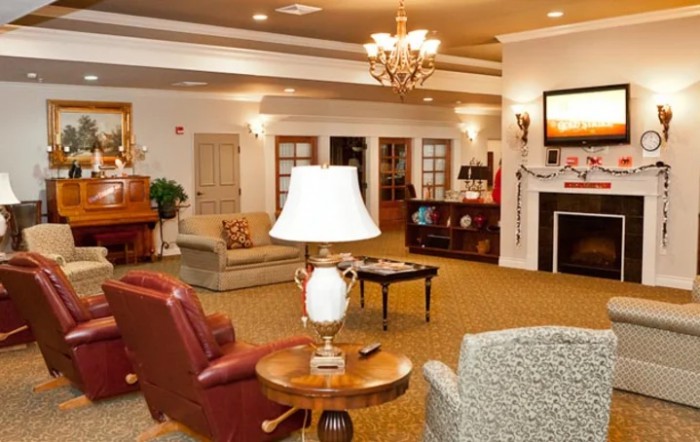
- The facility is welcoming, family-friendly, and not as gloomy as many nursing homes.
- CNAs are trained to handle a broad range of duties and provide attentive care.
Cons
 The reviewer states that the care was lacking and mismanaged at every level.
- A patient fell and the nurse practitioner refused to order x-rays, leaving her in extreme pain.
- They warn not to trust loved ones to stay there.
- A grandmother was dropped by a caregiver, causing her to fall and injure the other leg; a night-shift caregiver brought her child to the workplace.
- The grandmother was found face down and died, with questions about when it happened.
- The reviewer calls placing a relative there the biggest mistake their family ever made.
- Another grandmother died after hip surgery, with only one nurse assisting instead of two, and the leg swollen as a result.
- A nurse had her kids at work during the night shift, running around in the sitting area.
- The smell of urine and feces was unbelievable.
Review
The Green House Cottages Of Southern Hills is best suited for families seeking a true home-like, cottage-based living environment where private bedrooms with private baths, open kitchen and dining spaces, and a strong social calendar are the centerpiece. It appeals to elders who value daily warmth, visible staffing, and regular family participation in meals and activities, and to those who want a community that feels more like a residence than a traditional nursing home. However, it is not the ideal match for residents with high-acuity medical needs or for families prioritizing rock-solid, consistently reliable safety and urgent medical response. Several accounts note staffing gaps and serious safety concerns that can overwhelm even the most charming setting, making alternatives worth considering for post-acute rehab or complex care requirements.
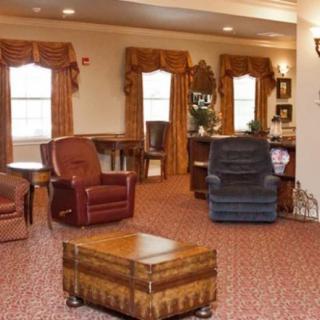
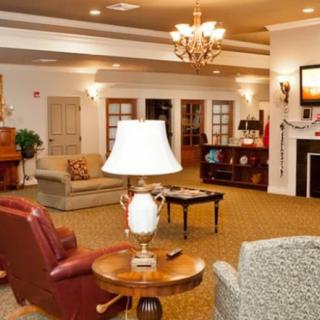
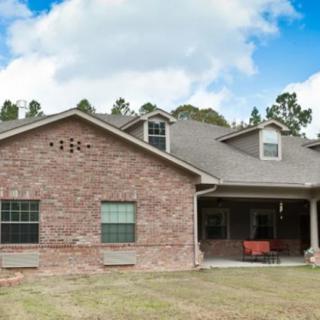
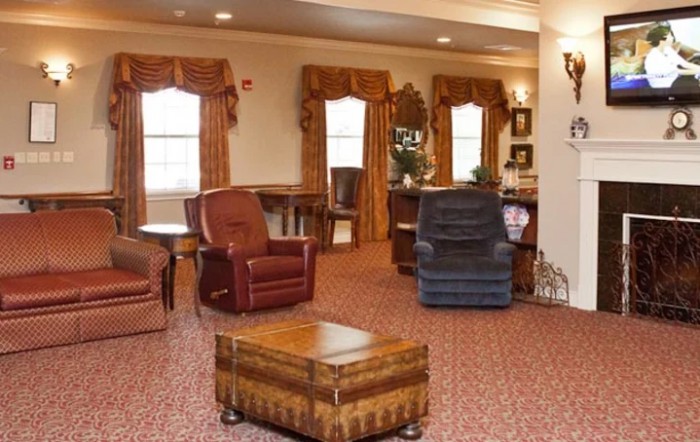
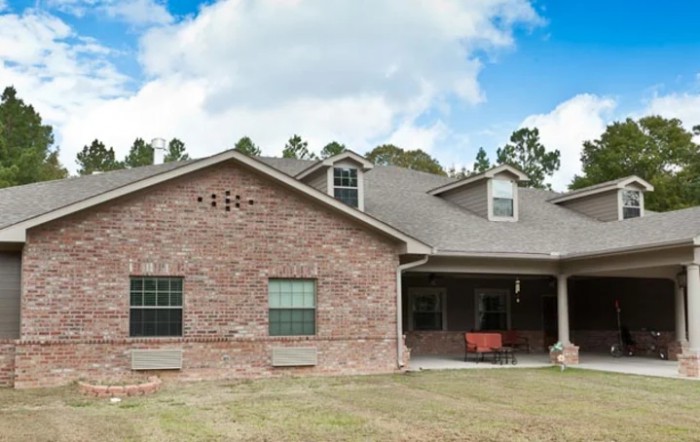
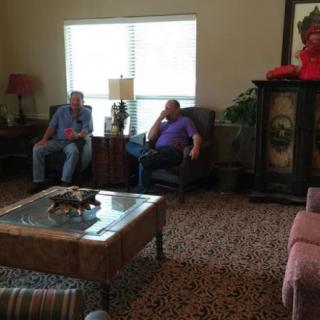
On the upside, the facility’s design and culture deliver meaningful pros. The cottages are described as spacious, home-like structures that house residents in private bedrooms with private bathrooms, connected by a common kitchen and living area that invites daily interaction. The atmosphere is repeatedly tagged as welcoming, with staff described as friendly, courteous, and genuinely invested in residents’ well-being. The model places care within a family-friendly framework: open meals with loved ones, opportunities for residents to participate in cooking and social events, and a philosophy that prioritizes person-centered routines. Several reviewers highlight that RN coverage is available and that care teams stay engaged with families through regular updates, which can translate into clearer expectations and better continuity of care when staffing holds steady. For some families, these elements provide reassurance that their loved one is in a dignified, home-forward environment.
Yet the most troubling notes run deep enough to complicate the decision. Recurrent statements recount grave care lapses: a grandmother who fell and was allegedly denied necessary x-rays, resulting in ongoing pain and harm; another case where a caregiver allegedly assisted with transfers alone, leading to injury and death; reports of night-shift staff bringing a child to work and other disruptions that undermine safety and focus. Several reviews describe patients who were not adequately supported in critical moments, with caregivers appearing unresponsive to calls or unable to prevent a decline in mobility or safety after hip surgery. The tension between a bright, inviting setting and a troubling pattern of staffing and supervision gaps creates a risk calculus that families must weigh, especially when the resident’s needs require immediate, reliable medical attention and consistent supervision.
How the positives interact with the negatives matters for families choosing this community. The home-like environment, strong social life, and emphasis on family meals can offset some risk if staffing remains consistently sufficient and responsive. A well-coordinated team that communicates openly with families can mitigate anxiety about daily care and help residents feel secure and engaged. However, when serious incidents occur or when shifts are understaffed, those strong points lose their protective value. In practical terms, the facility’s charm and social offerings won’t compensate for repeated safety events or delayed response times, and the impression of reliability will be undercut if medical issues are handled inconsistently or if caregivers are not promptly reachable. In short, the setting can be truly restorative for some, but it becomes a liability for others depending on the severity and recurrence of care lapses.
Families considering alternatives should note that this community’s mixed track record means a candid evaluation is essential. For elders needing intensive post-hip surgery rehab, or for those who require meticulous, around-the-clock supervision, other options with steadier staffing, fewer episodic safety concerns, and clearer escalation protocols may be more appropriate. Some families report favorable experiences at other Green House locations or in other nearby facilities, where clinical oversight and staffing ratios appeared more reliable. The presence of an Alzheimer’s-focused training emphasis in brochures versus the on-site reality also warrants careful verification, as marketing claims should align with actual practice. In any case, diligence is warranted: tour multiple times, compare state survey findings, and probe whether the DON and on-site RNs can demonstrate a consistent, responsive plan for emergencies.
Practical next steps are clear for families who move forward with due diligence. During visits, insist on seeing real-time staffing rosters for day and night shifts, and ask about nurse practitioner or physician coverage after hours. Request to review recent incident and accident reports, and ask how care plans are updated in response to changes in health or mobility. Speak directly with the DON or the full care team about expectations for timely phone responses, fall prevention protocols, and daily supervision. Confirm what services are actually offered on-site, especially rehabilitation and specialized Alzheimer’s support, and verify Medicaid/Medi-Cal eligibility and coverage, as well as private-pay cost implications. Finally, talk to current residents and families about their day-to-day experience, and compare with other communities to determine whether the warmth of the cottages and the social fabric truly align with the resident’s safety priorities and long-term care goals.
 75 resident community capacity
 Skilled Nursing Facility
 Air-conditioning
 Beauty salon
 Cable or satellite TV
 Computer center
 Dining room
 Fitness room
 Fully furnished
 Gaming room
 Garden
 Housekeeping services
 Kitchenette
 Move-in coordination
 Outdoor space
 Private bathrooms
 Restaurant-style dining
 Small library
 Telephone
 Wellness center
 Wi-Fi/high-speed internet available
 Community operated transportation
 12-16 hour nursing
 24-hour call system
 Activities of daily living assistance
 Assistance with bathing
 Assistance with dressing
 Assistance with transfers
 Diabetes diet
 Medication management
 Mental wellness program
 Special dietary restrictions
 Concierge services
 Planned day trips



 Fecal Incontinence in Older Adults: A Comprehensive Guide
 Recognizing the Journey: Understanding and Navigating Anticipatory Grief
 Encouraging Participation in Adult Day Care: A Guide to Supporting a Hesitant Parent