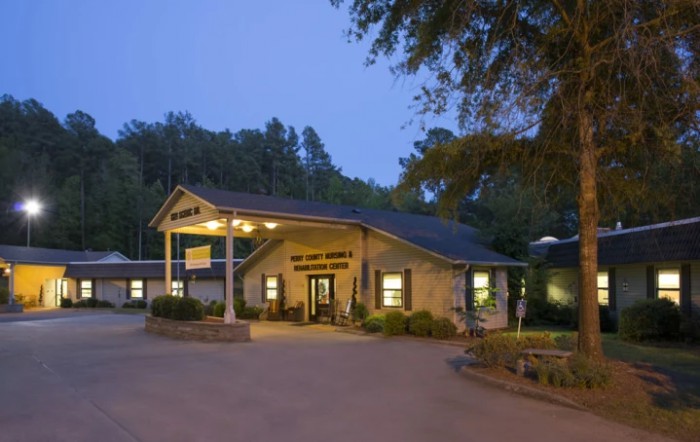
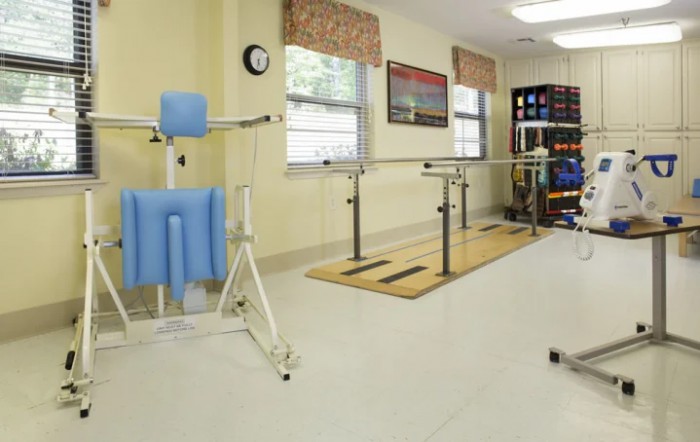
1321 Scenic Drive, Perryville, AR 72126
For more information about senior living options: (866) 208-4318
Overall Review of Perry County Nursing And Rehabilitation Center
Pros
 Perryville is described as a breath of fresh air with a great staff.
- The Perry County staff treat residents like family.
- The care has been consistently excellent and beyond par.
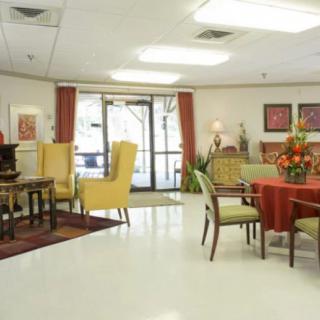
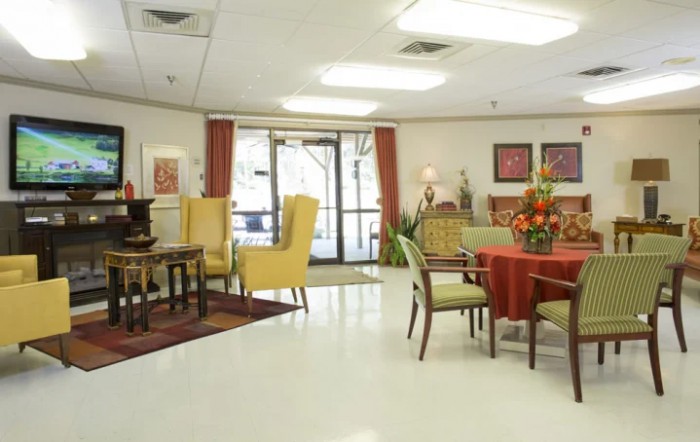
- The facility is clean, well-maintained, and cared for.
- The food is exceptional, well-prepared, and tailored to patient preferences.
- The staff are friendly, courteous, and quick to respond to concerns.
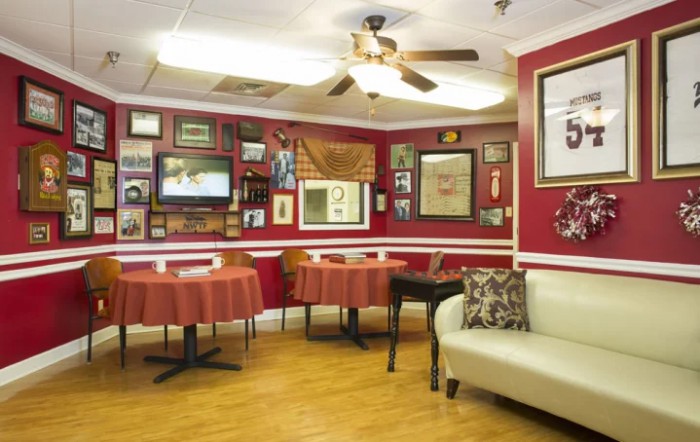
- They offer engaging activities such as bingo, art classes, movie nights, and live performances.
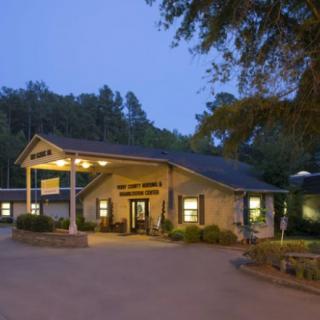
- The grounds are immaculately kept with walking trails and outdoor spaces.
- The cost is unbelievably affordable.
Cons
 A private house with 3 residents and one of the “high end” nursing homes in West Little Rock were horrible.
- The care at those facilities was not good.
- The items belonging to a relative were misplaced and never recovered.
- The administration could have done a better job coordinating medical care with the primary care doctor.
- The communication between the nursing home staff and the doctor was not clear enough to ensure optimal care.
- The food provided to residents was average in quality.
- There was no bank nearby, so they could not cash their paycheck.
- Staff had to be reminded repeatedly before action was taken.
- The previous facility in California was deplorable.
Review
This community is best suited for seniors who need skilled nursing and rehabilitation in a warm, small-town setting, and for families who want a caregiving culture that feels like closer-to-home support. The standout is a staff-led environment that truly emphasizes personal attention: clean, orderly surroundings, friendly faces on every shift, and a family-like approach that makes transitions smoother after a hospital stay or stroke. The memory-care wing sits behind this culture, with dedicated staffing and constant supervision, and the overall atmosphere supports consistent daily routines, meaningful activity, and meals that can be tailored to individual tastes.
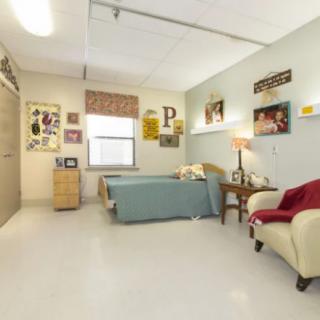
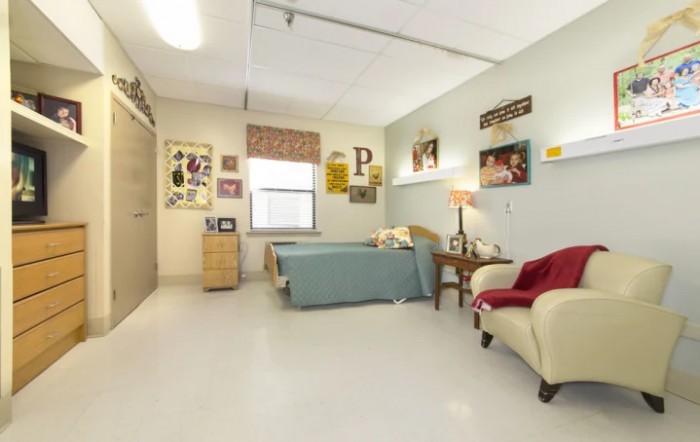
Those who prioritize privacy, private rooms, or a large, more anonymous campus should consider alternatives. In Perry County, many rooms are two-bedroom layouts with shared baths, which can feel tight if two wheelchair users share the space or if personal space is nonnegotiable. There’s also a noted gap in on-site financial services and occasional lapses in logistics around possessions and medical coordination. Families who require private, spa-like amenities, or who insist on a seamless, highly integrated medical-management flow with primary-care coordination, may find other facilities more aligned with those expectations.
The core strengths, high staff visibility and responsiveness, meticulous cleanliness, and a culture of care, largely offset the drawbacks. In practice, residents receive attentive oversight: two aides or nurses are typically on the floor, care is described as timely and attentive, and concerns are communicated promptly with clear paths to resolution. Food quality emerges as a real differentiator, with meals praised as well-prepared, varied, and even customized to patient preferences. The facility also commits to daily meaningful activity, bingo, live music, art, puzzles, movie nights, and it makes outdoor time a routine, weather-permitting priority. The grounds are thoughtfully maintained, gated for safety, and designed with walking trails and bird or squirrel feeders, all of which support both physical activity and sensory engagement.
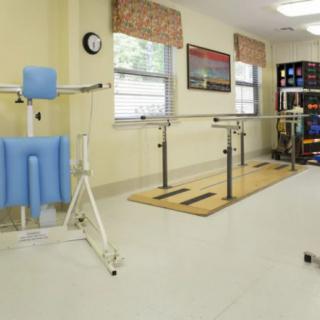
The memory wing and rehab-focused care are especially notable. Reviewers highlight a caregiving team that remains consistently present in the memory area, with sustained staffing that translates into safer, more individualized supervision. Rehabilitative momentum shows up in tangible ways, one resident, after a period of weight loss, gained significant weight through improved meals and attentive nutrition, and families repeatedly note immediate notification of issues and proactive problem-solving from the staff. These elements align well with families seeking a facility that can support recovery goals, maintain dignity, and foster ongoing familiarity and trust between residents and caregivers.
Still, certain operational friction points deserve careful consideration. Shared rooms and the accompanying bathroom arrangements can constrain privacy and convenience, particularly when multiple residents are using the same facilities. There are occasional gaps in record-keeping and medical coordination, where relatives feel the need to persistently reinforce instructions or repeat information until action is taken. A modest critique surfaced about limited on-site financial services and a perception that some belongings could be better safeguarded through stronger accountability. These aren’t existential flaws, but they do shape the decision for families who value seamless administration and self-contained privacy as non-negotiables.
Overall, Perry County Nursing and Rehabilitation Center delivers a practical, outcomes-driven option with real heart. It is a compelling choice for stroke survivors, memory-care needs, and families seeking a supportive, communicative, and cost-conscious environment where staff genuinely treat residents like family. For those prioritizing private space, larger scale amenities, or highly integrated medical networks, alternatives may be warranted. The recommended path is clear: tour with a focus on room configurations and memory-care logistics, verify current staffing patterns in the wing, review discharge planning and rehab programs, and discuss personal-item safeguards. If the balance of caring, cleanliness, activity, and affordability resonates, this community stands out as a dependable, experience-tested choice.
 95 resident community capacity
 Skilled Nursing Facility
 Air-conditioning
 Beauty salon
 Cable or satellite TV
 Computer center
 Dining room
 Fitness room
 Fully furnished
 Gaming room
 Garden
 Housekeeping services
 Kitchenette
 Move-in coordination
 Outdoor space
 Private bathrooms
 Restaurant-style dining
 Small library
 Telephone
 Wellness center
 Wi-Fi/high-speed internet available
 Community operated transportation
 12-16 hour nursing
 24-hour call system
 Activities of daily living assistance
 Assistance with bathing
 Assistance with dressing
 Assistance with transfers
 Diabetes diet
 Medication management
 Mental wellness program
 Special dietary restrictions
 Concierge services
 Planned day trips



 Compassionate Conversations: How to Comfort Someone Who Is Grieving
 Home Health Care Aides: Understanding Their Role and Supporting Your Family
 Urinary Tract Infections in Older Adults: Comprehensive Insights on Symptoms, Treatment, and Prevention