
#12 Hospital Drive, Morrilton, AR 72110
For more information about senior living options: (866) 208-4318
Overall Review of River Chase Rehabillitation And Care Center
Pros
 The facility is clean and well maintained.
- David, the manager, is very friendly and easy to work with.
Cons
 None detected.
Review
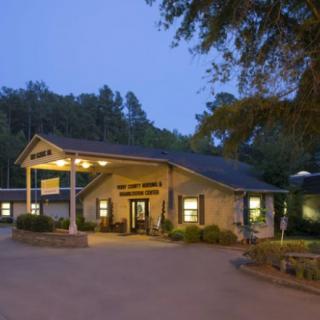
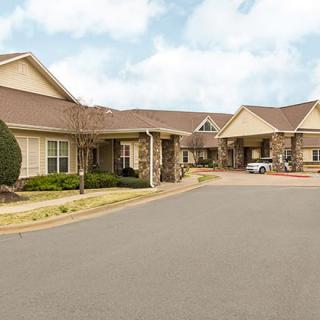
River Chase Rehabillitation And Care Center in Morrilton, Arkansas is best suited for families seeking a clean, well-maintained setting with hands-on, approachable management, and a clear emphasis on short- to mid-term rehabilitation and transitional care. The facility earns credibility from a straightforward combination of tidy spaces and a manager described as friendly and easy to work with. For residents recovering from surgery, a fall, or acute illness who need structure, predictable oversight, and a calm, orderly environment, this center offers a reliable backdrop for recovery. The emphasis on cleanliness and steady administrative touchpoints can translate into smoother admissions, clearer communication with family, and a more predictable hospitalization-to-rehab handoff.
Those with broader or warmer expectations for long-term living, dementia-focused programming, or expansive on-site services may want to consider alternatives. If specialized memory care, more intensive 24/7 nursing coverage, or a wider array of therapeutic activities are non-negotiable, other communities may deliver those elements more readily. Pricing transparency and clarity about included therapies and nursing support also matter, and prospective buyers will want to verify these details before committing. In short, River Chase shines for rehab-oriented care and dependable management, but it may not be the strongest match for residents needing deeper specialization or larger care ecosystems.
The strongest positives center on cleanliness, maintenance, and leadership accessibility. A consistently tidy environment lowers infection risk and supports comfort during recovery, while a responsive manager helps keep therapy scheduling, discharge planning, and family communications on track. These strengths partially offset common concerns in rehab settings about staffing fluctuations or lagging communication. Still, the limited breadth of available reviews means the picture is still evolving; the favorable impression captured here may reflect a favorable moment rather than a universal experience. With only two data points, cautious optimism is warranted, and a thorough on-site assessment remains essential.
On-site realities matter just as much as any impression. The note about a friendly manager suggests potential for flexible problem-solving during discharge coordination, medication logistics, and therapy coordination. A well-kept facility signals a culture that prioritizes resident dignity and daily comfort, which can smooth transitions from hospital to rehab and later to the next level of care. Possible drawbacks, if any, would likely emerge in areas not fully described by the available reviews, such as therapy intensity across weekends, nurse staffing on night shifts, or access to specialty services. Prospective families should demand a tour, observe a therapy session, and ask pointed questions about post-acute metrics to confirm that the clinical realities align with the calm, orderly ambiance.
Families should probe for specifics that directly impact daily life. Inquire about current staffing ratios by shift, typical lengths of stay for rehabilitation residents, and the cadence of family updates during a stay. Clarify transportation arrangements, meal quality, housekeeping responsiveness, and how care plans adapt as residents progress. For those with memory care or high-medical-need profiles, request examples of similar residents and the outcomes achieved. The prudent path blends trust in the clean, orderly environment with verification of clinical supports, therapy options, and communication practices to ensure alignment with the residentā€™s goals. This is where practical due diligence turns a promising impression into a sound, well-supported decision.
Ultimately, River Chase Rehabillitation And Care Center presents as a practical, solid choice for seniors who value a neat, orderly setting and an approachable, management-forward administrative experience, especially for rehab and transitional care needs. Pursue a guided tour, confirm current staffing and therapy capabilities, and request recent performance indicators before committing. For families whose priorities lie in robust long-term specialization, dementia-focused programming, or a broader network of care options, it would be prudent to compare nearby alternatives and map out a clear, resident-centered care plan. With careful questions and deliberate observation, this community can align with a recovery-focused path that preserves dignity, supports progress, and minimizes uncertainty.
 21 resident community capacity
 Skilled Nursing Facility
 Beauty salon
 Cable or satellite TV
 Dining room
 Fully furnished
 Garden
 Housekeeping services
 Kitchenette
 Move-in coordination
 Outdoor space
 Restaurant-style dining
 Small library
 Telephone
 Wi-Fi/high-speed internet available
 24-hour call system
 Activities of daily living assistance
 Assistance with bathing
 Assistance with dressing
 Assistance with transfers
 Diabetes diet
 Medication management
 Mental wellness program
 Special dietary restrictions


 Supportive Employee Benefits That Help Caregivers Attain Better Work-Life Harmony
 Top Cars for Senior Drivers and Essential Safety Innovations
 A Closer Look at Private Pay Home Care