
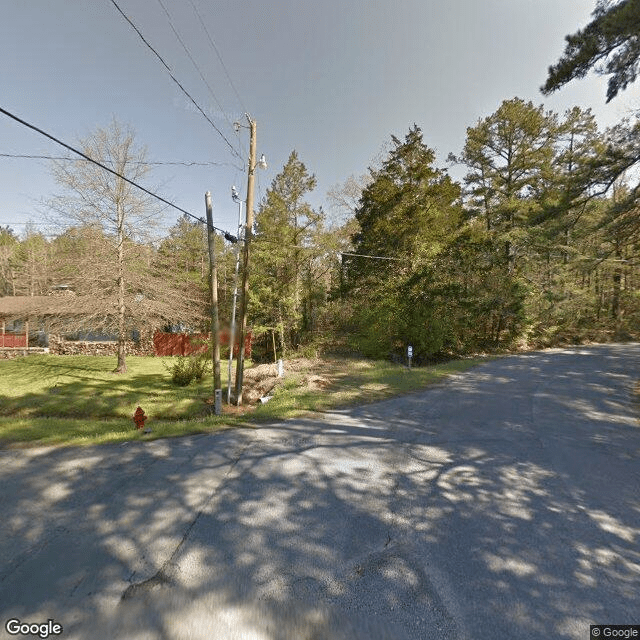
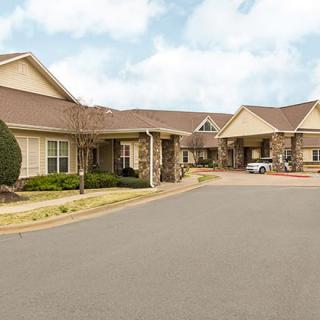
1000 Scenic Dr, Perryville, AR 72126
To contact a resident: (501) 889-2400
For more information about senior living options: (866) 208-4318
Overall Review of Perry County Nursing & Rehab
Pros
 Perryville Nursing Home is a breath of fresh air.
- It has a dedicated, great staff.
- Small-town country caring can't be beat.
- Perry County staff treat residents like family.
- Care has been consistently superb and the facility is clean.
- Staff greet residents with warmth and kindness.
- Meals are exceptional and tailored to residents' preferences.
- The Perry County Nurse & Rehab Center comes highly recommended.
Cons
 They were both horrible.
- They looked good on entry, but the care was not good.
- There was no local bank, so paychecks could not be cashed there, and a $6 fee applied.
Review
Perry County Nursing & Rehab is best suited for families seeking a small-town, hands-on skilled-nursing environment where staff deliver evident warmth, steady supervision, and a sense of homelike daily living. The facility appears especially appropriate for stroke survivors and older adults who value proactive caregiving, clear family communication, and a clean, disruption-free atmosphere. Families that want a setting where caregivers are repeatedly described as attentive, friendly, and personally invested in a resident’s well-being will find this community aligns with those priorities.
There are clear reasons to also consider alternatives. For families that prioritize on-site conveniences such as banking services or a wider array of campus amenities, Perry County Nursing & Rehab may present practical friction. One review notes the absence of an on-site bank, which can complicate routine financial tasks. In addition, those who seek a larger, more urban campus with potentially broader programming, more specialized therapeutic offerings, or advanced memory-care options might encounter limits here. In short, this is not the most feature-dense or cosmopolitan option, but it excels where personal attention and consistent care matter most.
The strongest positives center on the community’s care ethos and everyday lived experience. Repeated feedback highlights a staff culture that treats residents like family, with prompt communication when issues arise and a high standard of cleanliness and hygiene. Residents are described as being greeted with warmth, receiving care that goes beyond basic expectations, and enjoying meals that are thoughtfully tailored to preferences. In practice, this translates to safer, more dignified days: fewer odors or signs of neglect, more reliable problem-solving, and a sense that family members are kept in the loop about treatment decisions and changes in condition.
Those advantages offset a couple of notable drawbacks by reinforcing trust and stability. The most concrete con is logistical rather than clinical: the lack of an on-site bank can inconvenience residents who must manage payments or cash transactions offsite. While this is not a direct health or care deficiency, it is a real practical hurdle that can affect daily routines for some families. When paired with the overwhelmingly positive caregiving story, where staff accessibility, responsiveness, and a home-like environment prevail, the financial irritant becomes a manageable, non-decisive factor for those who can live with a simple workaround.
On balance, the computer-like efficiency of a large urban system is traded for the human-centered reliability described by families here. The care team’s willingness to “go the extra mile,” the dependable cleanliness, and the consistent, respectful communication all reduce the impact of the minor banking inconvenience. For a resident recovering from a stroke or transitioning into long-term skilled nursing, these elements matter deeply: they reduce stress on the resident, boost trust with caregivers, and increase the likelihood of consistent participation in daily routines and therapies. In practical terms, the pros effectively offset the cons for most families who can accommodate the administrative hiccup in exchange for a compassionate, well-staffed living environment.
The bottom-line recommendation is clear. Perry County Nursing & Rehab is a strong match for families prioritizing a warm, attentive, and well-maintained setting where residents are treated with genuine care and daily life runs smoothly. It remains a particularly solid choice for stroke survivors or seniors who want to feel “like family” within a small-town facility that communicates openly and acts with empathy. Those for whom on-site financial services or broader on-site amenities are non-negotiable should compare alternatives that offer more in those areas. For families able to accept a minor logistical caveat in exchange for strong caregiving, this community stands out as a practical and trustworthy option.
 Skilled Nursing Facility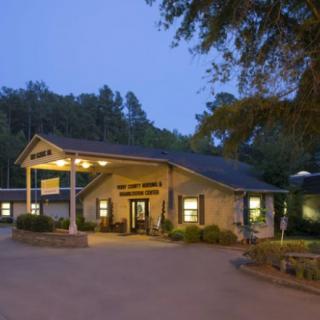




 Understanding the Nuances of Palliative Care and Hospice: A Comprehensive Exploration
 Fecal Incontinence in Older Adults: A Comprehensive Guide
 Nurturing Well-Being Through Gardening: A Detailed Guide for Senior Enthusiasts