
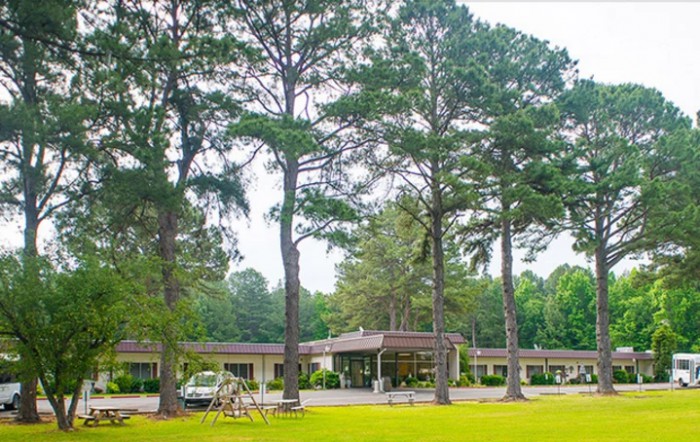

The Woods Of Monticello Health And Rehabilitation

Save

The Woods Of Monticello Health And Rehabilitation

1194 North Chester Street, Monticello, AR 71655

For more information about senior living options: (844) 490-3973

2.7 from 16 reviews
5 stars
5
4 stars
1
3 stars
1
2 stars
2
1 stars
7

Skilled Nursing Facility

What level of care are you interested in?

Assisted Living

Memory Care

Independent Living

Skilled Nursing Facility

Continuing Care Retirement Community (CCRC)CCRC

Other


Request a tour at The Woods Of Monticello Health And Rehabilitation

    Overall Review of The Woods Of Monticello Health And Rehabilitation

    Pros

    • pro She is very happy with the care she has received at The Woods.
    • pro The family loves the place and respects every employee who has cared for their mom.
    • pro God bless this place, and may God bless the staff.
    • pro So far, the mother has received adequate care.
    • pro Caring for the elderly is described as a calling, underscoring the positive value of caregiving.

    Cons

    • pro The facility was described as overcrowded with no seating and no staff visible for days.
    • pro Staff reportedly sedated a resident and restricted outdoor time, suggesting that outdoor access would have prevented problems.
    • pro The care was characterized as poor in quality, and one reviewer stated they would not recommend the place.
    • pro There was an overwhelming odor of urine and feces, with patients left unattended.
    • pro Nurses were seen at the nursing station chatting, with none offering help to patients.
    • pro The place was labeled as inhumane, with patients left in their own waste and staff laughing, and it was said to be shut down.
    • pro After a change in ownership, care allegedly deteriorated, leading to a family removing a loved one.
    • pro Some reviewers stated they would not place a family member there, or even a pet, due to unacceptable conditions.

    Review

    The Woods, a nursing and assisted-living facility in Monticello, emerges in the accounts as a place that inspires a wide range of strong emotions. On one hand, there are moments of genuine gratitude and relief from families who feel their loved ones were treated with kindness and respect. One reviewer, in particular, praises the care her mother received, saying she is "so happy, and for that I cannot repay them. I love this place, and I respect each and every employee that has served my Mom. God Bless this place, and may God bless them in the future." That sentiment stands in stark contrast to the more painful recollections that follow, forming a complex picture of a facility that has both devoted caregivers and serious systemic shortcomings.

    Several reviews describe deeply troubling conditions and experiences that left families shaken. One account recalls a period when there were "no chairs to sit in only one batch in three days," a detail that underscores the sense of neglect and discomfort that can accumulate in such settings. In another, the writer describes the emotional and physical distress of a loved one who was kept sedated and not allowed outside; they worry that if their relative had been allowed time outdoors, the problems they experienced might have been avoided. The tone intensifies with accusations of disrespect and even abuse, including phrases like "they put there's hands on him," which point to concerns about patient safety and dignity. The combination of sedation, restricted outdoor access, and perceived mistreatment paints a bleak portrait for those who rely on the facility for intimate, daily care.

    The reviews do not stop at patient-care practices; they also appear to critique the culture among staff and leadership. A recurring thread is the call for empathy and humanity in front-line caregivers. A candid observation - "To care for another human being, in this case the elderly, is a calling. That means you have to have the right attitude, disposition, motivation and heart behind why you do it" - is paired with a blunt caveat: "But let's do the world and our seniors a favor. If you know you're not going to treat people with kindness, respect, humility and care, don't go get a job where you need to have all of those qualities." The writer's frustration grows into a broader social critique, suggesting that behind the immediate health issues there may be structural problems: "You need to save money, meet the government's requirements to get paid, etc., etc." The implication is that the patients are treated as numbers or beds to fill rather than as people with stories, families, and futures.

    Within the same framework, families are urged to stay engaged. The message is practical and urgent: "Check on your loved ones. Go every day if you can or send someone on your behalf." If physical presence isn't possible, regular calls become essential to ensure someone is watching. The underlying claim is that attention - by families, friends, and approved contacts - acts as a necessary counterweight to any systemic neglect. The call to action is specific and heartfelt: remain vigilant, because the care of elderly relatives hinges on human connection as much as on clinical interventions.

    The narrative also follows a striking arc from praise to alarm, highlighted by a significant update about ownership and its impact on care. One family member recounts that the Woods "has been bought by another corporation, and the care has went SOUTH - not in a good way." This change prompted the family to remove a loved one from the facility due to poor treatment and neglect. The update casts a shadow over the entire facility's trajectory, suggesting that changes in ownership can correlate with perceived declines in care quality and accountability. It also raises questions about how corporate decisions affect day-to-day experiences for residents and their families in ways that front-line staff, budgets, and care plans may not fully address.

    In another thread of experience, the facility is described as nearly devoid of staff during a visit meant to evaluate it for a family member's potential placement. The visitor reports walking down a corridor to find "no staff," a potent scent of urine and feces in the air, a patient near a fall risk, and staff who appear disengaged - "the nurses were in the nursing station chatting. Feet up on the chairs." The consistent refrain is that no one offered help or acknowledged the newcomers, fueling a belief that the place is not just under-resourced but perhaps uncaring. The strongest language - "Not one of them asked us anything!!" - reflects a sense of abandonment that can be devastating for families weighing critical care decisions for their loved ones. Phrases like "The most INHUMANE place I have ever stepped into!!!" and "It should be shut down immediately" convey a level of shock and moral outrage that is rare in ordinary consumer feedback.

    Yet no single account is monolithic. A later update acknowledges that there have been moments of adequate care for some residents, illustrating the persistent variability in quality. One commenter notes, "So far my mother has received adequate care," but also shares ongoing concerns about communication with weekend staff, specifically around access and the ability to speak with a terminally ill relative. The reminder - "every minute matters" for someone in that situation - adds emotional weight and underscores how inconsistent experiences can be even within the same facility. The closing wish, "May God be with all that enter these doors," frames the entire conversation in a moral register, acknowledging the humanity at stake for both residents and their families.

    Together, these perspectives form a powerful, multifaceted portrait of The Woods. They reflect a facility that has, for some families, delivered warmth, respect, and dependable care at times, and, for others, failed to meet basic expectations for safety, dignity, and responsiveness. The most persuasive throughline is the imperative to remain vigilant and proactive: to check in regularly, to question and document care, to seek transparency from administrators, and to advocate fervently for loved ones who cannot always speak for themselves. In this mix of praise and warning, the central message for current and prospective families is clear - find out how care is actually being delivered day to day, and be prepared to act to protect the well-being and dignity of those you love.

    Features

    Housing

    • 122 resident community capacity 122 resident community capacity

    Types of Care

    • Skilled Nursing Facility Skilled Nursing FacilitySkilled Nursing Facilities are crucial for seniors as they provide round-the-clock medical care, rehabilitation services, and assistance with daily activities. These facilities ensure that seniors receive the specialized care they need to maintain their health and well-being as they age.

    Amenities

    • Air-conditioning Air-conditioningAir conditioning is important for seniors as they are more vulnerable to heat-related illnesses and may have underlying health conditions that make it difficult for them to regulate their body temperature. It helps to keep them comfortable, safe, and healthy in hot weather.
    • Beauty salon Beauty salonBeauty salons are important for seniors because they provide a space for them to feel pampered, socialize, and maintain their personal grooming and hygiene. Regular visits to a beauty salon can help boost seniors' self-esteem and overall well-being.
    • Cable or satellite TV Cable or satellite TVCable or satellite TV is important for seniors because it provides entertainment, news, and companionship, helping to combat loneliness and boredom. It also offers a wide range of programming options tailored to different interests and preferences.
    • Computer center Computer centerA computer center is essential for seniors as it provides access to technology, communication tools, and resources that can enhance their daily lives. It allows them to stay connected with loved ones, engage in online activities, and learn new skills, ultimately promoting socialization and mental stimulation.
    • Dining room Dining roomDining rooms are important for seniors as they provide a space for socialization, connection, and nutritious meals. They offer opportunities for residents to bond over shared meals, foster a sense of community, and promote healthy eating habits. Dining rooms also ensure that seniors have access to well-balanced meals tailored to their dietary needs and preferences.
    • Fitness room Fitness roomHaving a fitness room in a senior living community is essential for seniors to stay active, maintain their physical health, and improve their overall well-being. Regular exercise can help prevent falls, reduce the risk of chronic diseases, and promote mental sharpness. It also provides social opportunities for residents to connect with others and enjoy a sense of community.
    • Fully furnished Fully furnishedFully furnished senior living communities are important for seniors because they provide convenience, comfort, and a hassle-free moving experience. Seniors can easily settle into their new living space without the stress of having to buy and move furniture. This allows them to focus on enjoying their new home and community.
    • Gaming room Gaming roomGaming rooms are important for seniors as they provide a fun and engaging environment for socializing, cognitive stimulation, and physical activity. Games can improve memory, problem-solving skills, and overall mental well-being while fostering friendships and reducing feelings of isolation.
    • Garden GardenGardens are important for seniors as they provide a peaceful and therapeutic environment for relaxation, physical activity, and socialization. Being in nature has been shown to reduce stress, improve mood, and promote overall well-being. Gardens also offer opportunities for seniors to engage in gardening activities, which can improve mobility, flexibility, and cognitive function. Additionally, gardens create a sense of community and connection with others who share a passion for plants and outdoor spaces.
    • Housekeeping services Housekeeping servicesHousekeeping services are important for seniors because they help maintain a clean and safe living environment, promote independence, and reduce the risk of accidents or illnesses. Additionally, having assistance with household chores can alleviate physical strain and allow seniors to focus on other aspects of their well-being.
    • Kitchenette KitchenetteKitchenettes are important for seniors living in senior living communities because they provide the convenience and independence of being able to prepare simple meals and snacks in the comfort of their own living space. This can help promote a sense of autonomy and well-being for seniors, allowing them to maintain some level of control over their dietary choices and daily routines.
    • Move-in coordination Move-in coordinationMove-in coordination is important for seniors because it helps ease the transition into their new living environment. It ensures that all logistics, such as packing, organizing movers, and setting up utilities are taken care of, allowing seniors to focus on settling in and adjusting to their new home. Having a smooth move-in process can alleviate stress and anxiety, making the transition smoother and more enjoyable for seniors.
    • Outdoor space Outdoor spaceOutdoor spaces are important for seniors as they provide opportunities for physical activity, social interaction, exposure to natural light and fresh air, and a sense of connection to nature. Having access to outdoor spaces can improve overall well-being and quality of life for older adults living in senior communities.
    • Private bathrooms Private bathroomsPrivate bathrooms are important for seniors in senior living communities because they provide independence, dignity, and comfort. Having a private bathroom allows seniors to maintain their personal hygiene routines without the need for assistance, promoting a sense of autonomy and privacy. Additionally, private bathrooms help prevent the spread of infections and provide a safe and clean environment for seniors to navigate safely.
    • Restaurant-style dining Restaurant-style diningRestaurant-style dining is important for seniors because it allows them to enjoy delicious, nutritious meals in a social and upscale setting. This enhances their dining experience, promotes healthy eating habits, and fosters socialization with fellow residents, ultimately contributing to their overall well-being and quality of life.
    • Small library Small librarySmall libraries are important for seniors as they provide access to a variety of reading materials, including books, newspapers, and magazines. This can help stimulate their minds, keep them engaged, and provide a sense of community through book clubs and other social activities. Additionally, reading has been shown to improve cognitive function and overall mental well-being in older adults.
    • Telephone TelephoneTelephones are important for seniors as they provide a lifeline for communication with loved ones, emergency services, and healthcare providers. They offer a sense of security and independence, enabling seniors to stay connected and access assistance when needed.
    • Wellness center Wellness centerWellness centers are important for seniors because they offer a variety of programs and services that promote physical, mental, and emotional well-being. These centers provide opportunities for exercise, socialization, education, and relaxation, helping seniors maintain their overall health and quality of life.
    • Wi-Fi/high-speed internet available Wi-Fi/high-speed internet availableWi-Fi/high-speed internet is important for seniors to stay connected with loved ones, access online resources, and participate in virtual activities to combat feelings of loneliness and isolation. It also allows them to easily manage healthcare needs, access entertainment, and engage in lifelong learning opportunities.

    Transportation

    • Community operated transportation Community operated transportationCommunity operated transportation is crucial for seniors as it provides them with the means to access essential services, social activities, and medical appointments. It allows seniors to maintain their independence and quality of life by ensuring they can participate in activities outside of their homes. Additionally, community-operated transportation services offer a safe and reliable way for seniors to travel without having to rely on family or friends for assistance.
    • Transportation arrangement Transportation arrangementTransportation arrangements are crucial for seniors as they may face challenges with driving, mobility, or access to public transportation. Having reliable transportation services ensures that seniors can easily attend appointments, social activities, and maintain their independence and quality of life.
    • Transportation arrangement (non-medical) Transportation arrangement (non-medical)Transportation arrangements are essential for seniors as they provide access to essential services, activities, and social interactions outside the home. This service helps maintain independence, mobility, and overall well-being for seniors who may have limited transportation options.
    • Transportation to doctors appointments Transportation to doctors appointmentsTransportation to doctors appointments is crucial for seniors as it ensures they have access to necessary medical care and support, promoting their health and well-being. It allows them to receive timely treatment, monitor existing conditions, and address any new health concerns efficiently. Additionally, transportation services can help seniors maintain their independence and quality of life by enabling them to stay connected with their healthcare providers.

    Care Services

    • 12-16 hour nursing 12-16 hour nursing12-16 hour nursing care is crucial for seniors in order to ensure around-the-clock monitoring, timely medication administration, and prompt response to any health concerns or emergencies. This level of care helps to promote the overall well-being and safety of seniors living in senior living communities.
    • 24-hour call system 24-hour call system24-hour call systems are important for seniors because they provide peace of mind and immediate assistance in case of emergencies. This technology ensures that help is always available, promoting safety and security for elderly individuals living alone or in assisted living facilities.
    • 24-hour supervision 24-hour supervision24-hour supervision is important for seniors to ensure their safety, well-being, and access to immediate assistance in case of emergencies or health issues. This constant support provides peace of mind for both seniors and their loved ones, allowing them to age in place with dignity and security.
    • Activities of daily living assistance Activities of daily living assistanceActivities of daily living assistance are important for seniors because they provide essential support with tasks such as eating, bathing, dressing, and mobility. This assistance helps seniors maintain their independence, dignity, and overall quality of life as they age.
    • Assistance with bathing Assistance with bathingAssistance with bathing is crucial for seniors as it helps maintain personal hygiene, prevents infections, and ensures their overall well-being and comfort. It also provides a sense of dignity and independence for seniors who may struggle with this task on their own.
    • Assistance with dressing Assistance with dressingAssistance with dressing is important for seniors because it helps maintain their independence, promotes personal hygiene, prevents accidents and injuries, and improves overall quality of life. This service ensures that seniors can continue to dress comfortably and confidently, despite any physical limitations they may have.
    • Assistance with transfers Assistance with transfersAssistance with transfers is crucial for seniors as it helps prevent falls and injuries, maintains their independence, and ensures they can safely navigate their living environment. It also provides peace of mind for both seniors and their loved ones.
    • Diabetes diet Diabetes dietA diabetes diet is crucial for seniors as it helps manage blood sugar levels, reduce risks of complications, and improve overall health and well-being. By following a balanced and nutritious diet tailored to their specific needs, seniors can better control their diabetes and enhance their quality of life.
    • Meal preparation and service Meal preparation and serviceMeal preparation and service are crucial for seniors as they may have limited mobility or energy to cook nutritious meals. Having access to healthy and convenient food options can ensure they are getting the proper nutrition needed to maintain their overall health and well-being.
    • Medication management Medication managementMedication management is crucial for seniors to ensure they are taking the right medications at the correct dosages and times. This helps prevent adverse drug interactions, reduces the risk of medication errors, and promotes overall health and well-being. Proactive management also allows for adjustments as needed based on changing health conditions or new prescriptions.
    • Mental wellness program Mental wellness programMental wellness programs are essential for seniors as they promote cognitive stimulation, emotional support, and social engagement. These programs help prevent isolation, depression, and cognitive decline, ultimately enhancing the overall quality of life for older adults.
    • Special dietary restrictions Special dietary restrictionsSpecial dietary restrictions are important for seniors because age-related changes in metabolism and health conditions can make it difficult for their bodies to process certain foods. By following a diet tailored to their specific needs, seniors can maintain their overall health and well-being, manage chronic conditions, and reduce the risk of complications such as malnutrition or food interactions with medications.

    Dining

    • Diabetes diet Diabetes dietA diabetes diet is crucial for seniors as it helps manage blood sugar levels, reduce risks of complications, and improve overall health and well-being. By following a balanced and nutritious diet tailored to their specific needs, seniors can better control their diabetes and enhance their quality of life.
    • Special dietary restrictions Special dietary restrictionsSpecial dietary restrictions are important for seniors because age-related changes in metabolism and health conditions can make it difficult for their bodies to process certain foods. By following a diet tailored to their specific needs, seniors can maintain their overall health and well-being, manage chronic conditions, and reduce the risk of complications such as malnutrition or food interactions with medications.

    Activities

    • Community-sponsored activities Community-sponsored activitiesCommunity-sponsored activities are important for seniors as they provide opportunities for social interaction, mental stimulation, and physical activity. These activities can help improve overall well-being, combat loneliness and isolation, and promote a sense of belonging and purpose among older adults.
    • Concierge services Concierge servicesConcierge services are essential for seniors as they provide assistance with daily tasks and errands, enhance their quality of life by offering convenience and personalized care, and promote a sense of safety and security.
    • Fitness programs Fitness programsFitness programs are crucial for seniors as they help improve strength, flexibility, balance, and overall well-being. Staying active can reduce the risk of chronic diseases, improve mental health, and enhance quality of life in older adults.
    • Planned day trips Planned day tripsPlanned day trips are important for seniors because they offer opportunities for socialization, mental stimulation, and physical activity. They provide a change of scenery and help seniors stay engaged and connected to their community, promoting overall well-being and quality of life.
    • Resident-run activities Resident-run activitiesResident-run activities are important for seniors as they encourage social interaction, creativity, and a sense of autonomy. These activities empower seniors to stay engaged and active in their community while fostering meaningful connections with their peers.
    • Scheduled daily activities Scheduled daily activitiesScheduled daily activities are important for seniors because they provide structure, socialization, mental stimulation, and physical activity. Engaging in regular activities can improve overall well-being and quality of life for seniors living in a community setting.

    Description

    The Woods of Monticello Health and Rehabilitation in Monticello, AR is a vibrant assisted living community that offers a wide range of amenities and care services to its residents. The community strives to provide a comfortable and engaging environment for seniors to thrive in.

    For convenience and relaxation, the community offers amenities such as a beauty salon, cable or satellite TV, fully furnished accommodations, a gaming room, and an outdoor space. Residents can also enjoy the convenience of on-site transportation services for appointments and shopping trips.

    The dining experience at The Woods of Monticello is top-notch with restaurant-style dining and special dietary restrictions catered to. The community's kitchenette allows residents to prepare their own meals if they prefer.

    Care services are available 24/7 with a call system for emergencies, 24-hour supervision, assistance with activities of daily living including bathing and dressing, assistance with transfers, medication management, and special diabetes diets. Mental wellness programs are also provided to support the emotional well-being of residents.

    To keep residents active and engaged, the community organizes various activities such as fitness programs, planned day trips, resident-run activities, and scheduled daily activities. Concierge services are also available to assist residents with any needs or requests they may have.

    Located conveniently near parks, pharmacies, physicians' offices, restaurants, transportation options, places of worship, and theaters; The Woods of Monticello ensures that residents have easy access to essential amenities outside the community.

    Overall, The Woods of Monticello Health and Rehabilitation offers a warm and inviting atmosphere where residents can receive personalized care while enjoying an active lifestyle surrounded by modern amenities.

    Nearby Places of Interest

    This area of Monticello, Arkansas offers a convenient and accessible location for senior living. With a variety of pharmacies nearby such as Outfitter Rx, Walmart Pharmacy, and City Drug, residents have easy access to their medication needs. There are also several places of worship within close proximity including Saint Mark Catholic Rectory and Journey Church for spiritual support and community involvement. The area boasts a diverse selection of restaurants like Mazzio's Pizza and La Terraza for dining options. For entertainment, Malco Hollywood Cinema is just a short distance away. In terms of healthcare, there are reputable physicians such as Sheiron Family Practice and hospitals like Bradley County Medical Center within reach for medical care. Overall, this part of Monticello provides a well-rounded environment with essential amenities for senior residents to enjoy a comfortable and fulfilling lifestyle.

    Pharmacies

    • Outfitter Rx (0.5 miles)
    • Walmart Pharmacy (1 miles)
    • City Drug (1.1 miles)
    • Walgreens (1.2 miles)
    • Fred's Pharmacy (1.8 miles)
    • The Prescription Pad Pharmacy (2 miles)
    • Dolores' Family Pharmacy (15.1 miles)

    Places of Worship

    • Saint Mark Catholic Rectory (0.6 miles)
    • Journey Church (0.7 miles)
    • Church of Christ (0.9 miles)
    • Pilgrim Rest Ame Study (1 miles)
    • First Baptist Church (1 miles)
    • Southern Baptist Convention (1 miles)
    • Walk By Faith (1.2 miles)

    Restaurants

    • Mazzio's Pizza (0.7 miles)
    • Fortune Cookie (0.9 miles)
    • McDonald's (0.9 miles)
    • Wendy's (1 miles)
    • La Terraza (1 miles)
    • Tienda Mi Casita (1.1 miles)
    • Ray's (1.2 miles)

    Theaters

    • Malco Hollywood Cinema (0.9 miles)

    Transportation

    • U-Haul Neighborhood Dealer (1.1 miles)
    • Alamo (1.2 miles)
    • Enterprise Rent-A-Car (1.2 miles)
    • Monticello Airport (2.2 miles)
    • U-Haul Neighborhood Dealer (16.5 miles)
    • Natures Gallery (18.9 miles)
    • Star City Municipal Airport (55M) (20 miles)

    Parks

    • McCloy Park (1.9 miles)
    • Warren City Park (16.2 miles)
    • Cane Creek State Park (18.5 miles)

    Physicians

    • Arkansas Center For Women (2.9 miles)
    • Sheiron Family Practice (2.9 miles)
    • Reinhart Family Healthcare (3 miles)
    • Reinhart Family Clinic (3.1 miles)
    • Foscue Medical Clinic (15.9 miles)
    • Paul Frederick Whipple (18.8 miles)

    Hospitals

    • Bradley County Medical Center (15.6 miles)

    Cafes

    • Coffee Cakes (16.2 miles)

    Frequently Asked Questions

    Where is The Woods Of Monticello Health And Rehabilitation?
    What photos are available for The Woods Of Monticello Health And Rehabilitation in Monticello, Arkansas?

    Nearby Communities

    Related Resources

    • caring for elderly parentsNurturing Our Elders: Linda's Journey of Supporting Her Mother

      Linda's caregiving journey for her elderly mother, Joan, is marked by deep love and challenges as she navigates health changes, emotional support, and practical arrangements while learning to prioritize self-care and utilize community resources. Their evolving relationship highlights resilience and the universal themes of empathy and preparedness in caregiver experiences.

    • obtaining power of attorney without consentA Comprehensive Exploration of Common Misunderstandings about Powers of Attorney

      The article clarifies common misconceptions about Powers of Attorney (POA), highlighting the necessity of the principal's consent, the limitations on an agent's authority, and the importance of mental capacity when signing. It also distinguishes between various types of POAs, addresses concerns about potential abuse, and emphasizes the need for legal consultation to ensure valid and up-to-date documents.

    • senior move managementSenior Move Management: Understanding the Role, Value, and Associated Costs

      Senior move management provides specialized support for older adults relocating by assisting with logistics, emotional challenges, and downsizing decisions to ensure a smooth transition to new living environments. These services address the unique needs of seniors and have become increasingly important as baby boomers retire and seek to downsize.


    Get Pricing Ask A Question Schedule A Tour Contact Senior Advisor