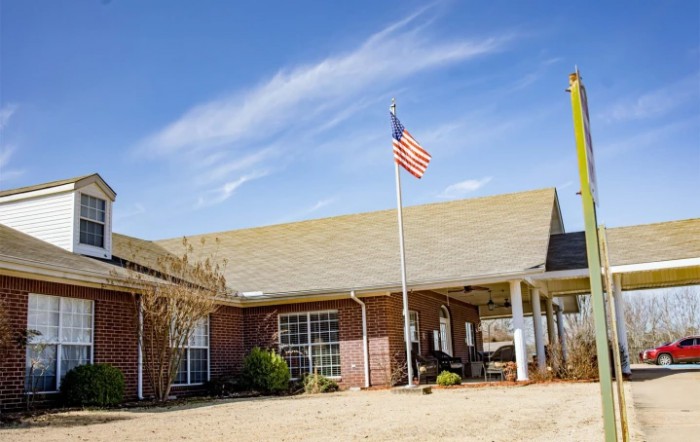
1506 East Main Street, Melbourne, AR 72556
For more information about senior living options: (866) 208-4318
Overall Review of Pioneer Therapy And Living
Pros
 They were treated like family at Pioneer.
- The husband began regaining mobility and enjoying life again during the stay.
- The Melbourne rehab is clean, knowledgeable, and friendly.
- They formed a new family during their 55-day stay.
- Pioneer took great care of Sam during his rehab.
- The experience was very positive, with thorough paperwork, care, and follow-up after discharge.
- The staff went above and beyond and have become friends.
- The staff provided excellent care from day one and kept the family updated.
- Linnette in the business office is wonderful and helps families with financial aid.
Cons
 They do not provide adequate care while in isolation, an awful experience for their loved one that they do not wish on anyone.
Review
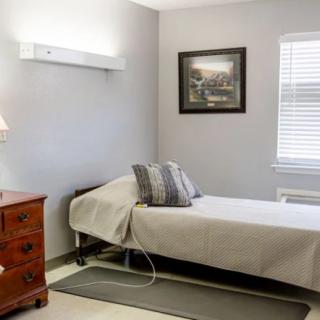
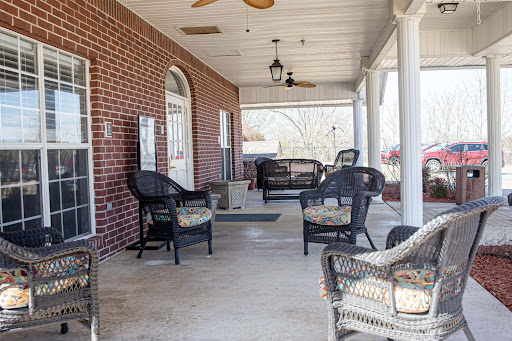
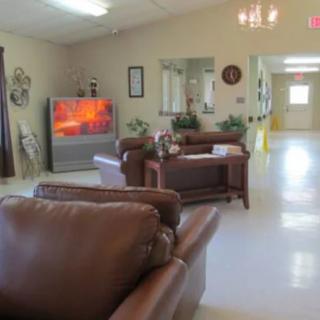
Pioneer Therapy And Living in Melbourne, AR is best suited for seniors who need robust post-acute rehabilitation delivered in a warmly human, home-like setting. The community shines when the objective is to restore mobility, confidence, and daily functioning after a stroke, hip fracture, or major surgery, with inspiration to return home as soon as safely possible. Several residents and families describe care teams as genuinely attentive, respectful, and engaged, turning recovery into a collaborative effort rather than a routine transfer of responsibilities. The environment reinforces that impression: clean, welcoming, and staffed by therapists, nurses, and CNAs who appear to know each person’s goals and fears. The rehab program is grounded in practical outcomes, the kind of progress that shows up in steps regained and days spent rebuilding independence, while the on-site dining and housekeeping reinforce a sense of normal life rather than a medicalized stay.
That said, Pioneer is not the right fit for every senior. For families prioritizing continuous, high-intensity medical oversight for complex chronic conditions, or seeking a campus with expansive memory-care, hospice, or social-program options, alternatives may offer clearer alignment with needs. The reviews repeatedly praise the staff’s dedication and the home-like atmosphere, yet the focus remains strongly on rehabilitation and post-acute care rather than broad long-term medical management. Price sensitivity and the specifics of what’s included in care can also push families toward other facilities if long-term care planning is the goal. In short, when a resident’s trajectory requires sustained, 24/7 medical attention beyond rehab goals, exploring options with a more clinical model is prudent.
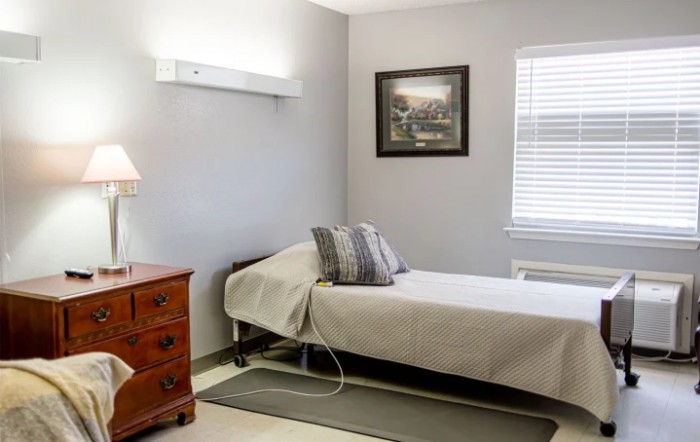
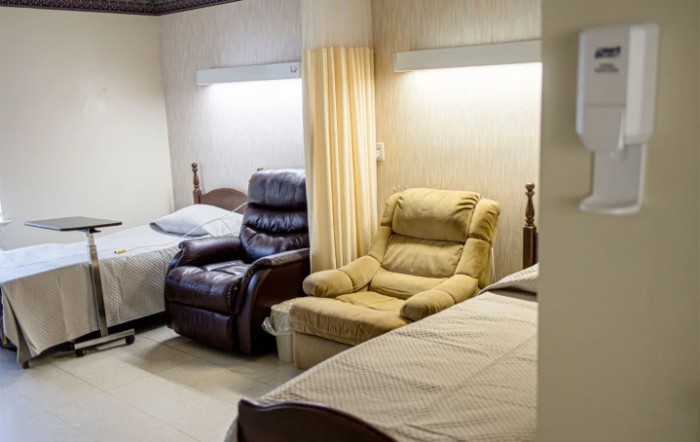
On balance, the major advantages, skilled therapy, attentive nursing support, and a culture of genuine concern, largely offset the potential downsides of a rehab-centric model. The best testimonials describe patients regaining mobility, recovering independence, and leaving with a sense of having been cared for as family. Nursing and CNA teams are consistently praised for responsiveness and competence, and medication management is described as careful and precise. Clean rooms, reliable housekeeping, and a cafeteria that caters to appetite and comfort reinforce the sense of a real-home environment. The strongest caveat is that recovery goals and daily routines revolve around rehab milestones; for residents who require long-term, 24/7 medical operations or dementia-focused programming, the fit is less ideal. Those trade-offs are predictable and manageable for families who enter with clear rehab expectations and discharge plans.
Families evaluating Pioneer should map out a concrete rehab plan before admission: expected duration, attainable mobility goals, and a realistic discharge aftercare strategy. It pays to request a meeting with the therapy team to hear how goals are set, tracked, and translated into home- or community-based support. Ask about discharge coordination, follow-up therapy, and what happens if goals stall. In parallel, tour living spaces to confirm cleanliness and maintenance, sample the meals to gauge quality, and speak with current residents or their families about communication, how updates are delivered and how concerns are addressed. The reassurance in this setting comes from a transparent, collaborative approach that keeps family members informed and involved every step of the way.
From the voice of the reviews, Pioneer consistently delivers a warm, professional, highly capable rehab experience. A minority of ratings point to concerns that are not core to comfort and recovery, narratives around isolation or broader long-term care considerations, underscoring the reality that no single community suits every expectancy. For families weighing care options, this is a strong signal: if rehabilitation and home-like daily living are the priority, Pioneer offers a compelling, well-executed path. If the resident’s needs extend beyond rehab into long-term medical management, or if a more clinical, program-diverse setting is desirable, listing alternates that emphasize those capabilities is prudent. The bottom line remains straightforward: this is a robust choice for post-acute recovery with a human touch, not a universal solution for all aging scenarios.
Final guidance centers on clarity and alignment. Pioneer Therapy And Living excels for seniors who want effective rehabilitation, personable staff, and a genuinely homey atmosphere that supports emotional well-being alongside physical recovery. It is not the pick for families that require constant high-level medical supervision or specialized long-term dementia care. Prospective residents should schedule a thorough on-site evaluation, dialog with therapy and nursing leads, and a candid discussion about length of stay, discharge planning, and pricing. If those conversations confirm a clear rehab trajectory and agreeable financial terms, Pioneer stands out as a practical, capable partner in meaningful recovery and a respectful, comfortable step toward returning home or moving to a lighter level of assistance.
 86 resident community capacity
 Skilled Nursing Facility
 Air-conditioning
 Beauty salon
 Cable or satellite TV
 Computer center
 Dining room
 Fitness room
 Fully furnished
 Gaming room
 Garden
 Housekeeping services
 Kitchenette
 Move-in coordination
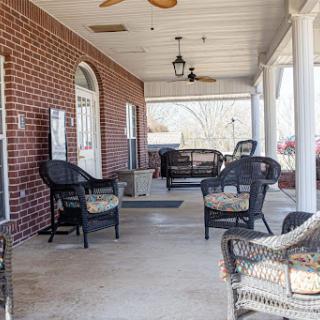
 Outdoor space
 Private bathrooms
 Restaurant-style dining
 Small library
 Telephone
 Wellness center
 Wi-Fi/high-speed internet available
 Community operated transportation
 12-16 hour nursing
 24-hour call system
 Activities of daily living assistance
 Assistance with bathing
 Assistance with dressing
 Assistance with transfers
 Diabetes diet
 Medication management
 Mental wellness program
 Special dietary restrictions
 Concierge services
 Planned day trips




 Comprehensive Look at Senior Blood Pressure Charts: Normal and Elevated Levels by Age
 Top Canine Companions for Older Adults
 Comprehensive Guide to Blood Pressure Charts for Older Adults: Understanding Normal and High Readings by Age