
1569 Ar Highway 56, Calico Rock, AR 72519
For more information about senior living options: (866) 208-4318
Overall Review of White River Healthcare
Pros
 The staff was nice.
- It was a great place with friendly, professional staff.
- The facility is family-owned and has been in business for fifty years.
- The environment was clean and smelled wonderful.
- The staff were helpful and kind.
- The evening was wonderful.
Cons
 The staff didn’t have clocks or calendars in the rooms or check on him during the 4 to 5 hours of the visit.
- The staff kept transferring callers to people who didn’t know anything.
- It was not in the family’s best interest to go there, as they never got the help they needed after three calls.
Review
White River Healthcare in Calico Rock, Arkansas is best suited for families seeking a small, home-like skilled-nursing option anchored by a long-standing, family-owned operator. Residents benefit from a warm, practical staff culture and an environment that feels cared for and well maintained. The emphasis on social life and resident involvement appeals to families who value personal relationships with caregivers and administrators who have deep local roots. It’s not the choice for those chasing a large-scale facility with high-tech clinical niches or lightning-fast administrative responsiveness; it’s a straightforward, neighborly setting where routines stay familiar and staff know residents well.
Those who may want to consider alternatives are precisely the families that require consistently accessible administration and tight care coordination. A recurrent concern across reviews involves difficulty reaching someone in charge and being passed along to staff who lack the context to answer urgent questions. For families needing rapid escalation of concerns, clear accountability, or a more centralized, policy-driven operations model, a larger or more corporate-managed facility could provide the level of visibility and governance they expect.
On the plus side, staff consistently come across as friendly and professional, and the facility earns praise for its cleanliness and welcoming atmosphere. Events like piano recitals illustrate a proactive, resident-centered culture, with the activity director and staff helping to coordinate meaningful engagement and ensuring residents are included or gently escorted to appropriate spaces as they tire. The building’s appearance, described as a beautiful, relatively new environment, bolsters a sense of pride and dignity for residents, while the long-standing family ownership contributes a sense of continuity and steadiness in day-to-day operations.
Yet there are notable drawbacks that families must weigh. The most salient is the perceived gap in administrative accessibility and coordination. When care decisions or care-plan questions arise, delays or miscommunications can undermine confidence, especially for families dealing with the fragility of post-stroke care or ongoing medical needs. Individual reports describe situations where rooms lacked clocks or calendars and where staff did not check on a resident for extended periods, suggesting that routine monitoring and environmental cues could be improved. While these issues do not negate the warmth and competence of many caregivers, they do point to gaps in oversight that matter to families controlling a loved one’s daily safety.
The key to reconciling the strengths with the shortcomings lies in how the facility leverages its advantages. The combination of a homey atmosphere, engaged activities, and a stable, family-led leadership can deliver meaningful daily quality that keeps residents happy, connected, and safe when care plans are clear and consistently executed. However, care of complex medical needs, like stroke recovery, requires disciplined communication, reliable escalation, and prompt follow-through from management. Those elements are what ultimately determine whether the pros translate into reliable peace of mind for families.
For families moving toward a decision, concrete next steps should focus on governance and responsiveness. Schedule a focused conversation with the administrator to establish a clear point of contact, expected response times, and a defined process for care-plan updates. Request a tour that centers on how shifts coordinate, how quickly urgent questions are answered, and who is accountable for resident monitoring during peak hours. Ask for a written outline of care coordination protocols, and probe how they handle post-stroke or medically complex needs in real-world scenarios. If this level of administrative visibility and proactive communication remains unsatisfactory, it may be prudent to explore alternatives that offer more centralized oversight. In the right match, White River Healthcare can deliver a warm, engaging environment with steady, personal care that families will appreciate once governance and communication are aligned with resident needs.
 70 resident community capacity
 Skilled Nursing Facility
 Air-conditioning
 Beauty salon
 Cable or satellite TV
 Computer center
 Dining room
 Fitness room
 Fully furnished
 Gaming room
 Garden
 Housekeeping services
 Kitchenette
 Move-in coordination
 Outdoor space
 Private bathrooms
 Restaurant-style dining
 Small library
 Telephone
 Wellness center
 Wi-Fi/high-speed internet available
 Community operated transportation
 12-16 hour nursing
 24-hour call system
 Activities of daily living assistance
 Assistance with bathing
 Assistance with dressing
 Assistance with transfers
 Diabetes diet
 Medication management
 Mental wellness program
 Special dietary restrictions
 Concierge services
 Planned day trips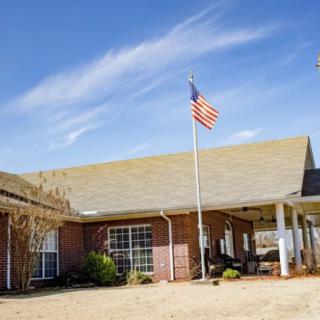




 8 Essential Assistive Devices for Older Adults
 Navigating the Financial Road to Nursing Home Care: In-Depth Guidance and Resources
 Supportive Employee Benefits That Help Caregivers Attain Better Work-Life Harmony