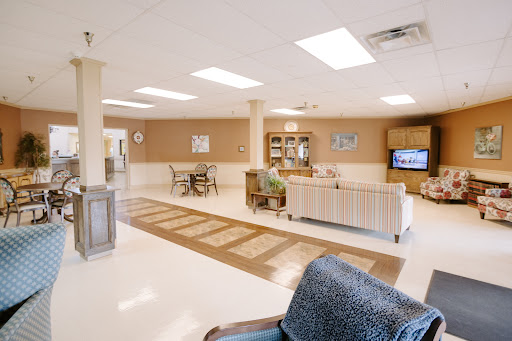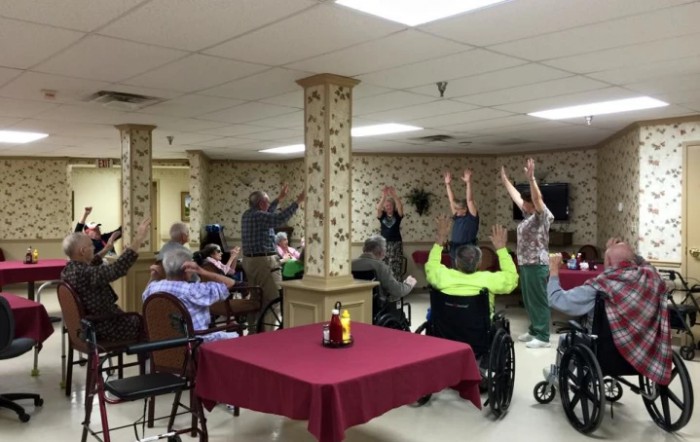
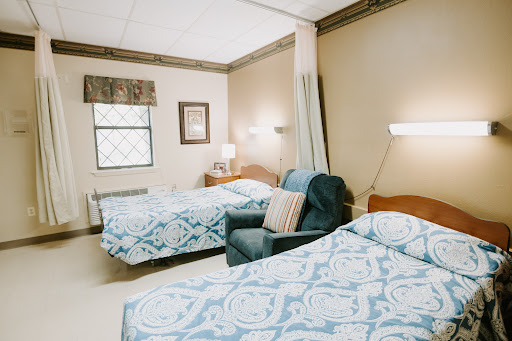


66 Ozbirn Lane, Ash Flat, AR 72513
For more information about senior living options: (866) 208-4318
Overall Review of Ash Flat Healthcare And Rehabilitation Center
Pros
 The facility treats its residents like family.
- They helped residents regain their strength so they could be at home.
- They take good care of residents.
- The staff are wonderful.
- Most staff are wonderful and treat residents like their own family.
Cons
 They discharge residents who cannot be weaned off anti-psychotic medications.
- They return residents to guardians regardless of the guardians' ability to care for them, claiming it is legal.
- They discharge residents if they fall behind on monthly payments.
- They fail to provide timely information, leaving families on hold for long periods when concerns or complaints are raised.
- The overall experience is extremely disappointing and upsetting.
Review
Ash Flat Healthcare and Rehabilitation Center is best suited for families seeking a warm, hands-on care environment where staff routinely treat residents like family and where rehabilitation goals focus on returning home. The facility appears most appropriate for short- to mid-term recovery needs, with an emphasis on personal attention and daily compassion that can help a loved one regain strength after a hospital stay. This is not a place for purely custodial care without clear rehab objectives, and it works best when there is a plan to re-integrate the resident into the community. Caution is warranted for cases demanding strict medication management and high financial predictability, as those factors can drive outcomes in unexpected directions.
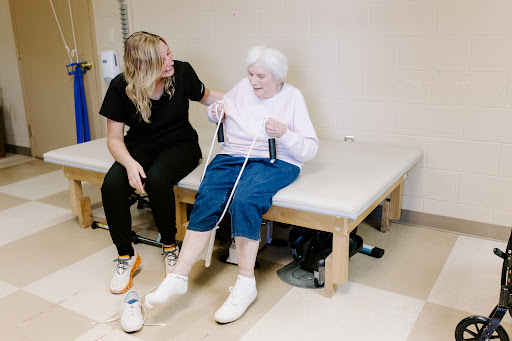
A recurring theme in the strongest feedback is the human touch. Families consistently describe an amazing facility that treats residents with genuine warmth and a sense of being part of a family. Numerous reviews highlight staff who are described as wonderful, caring, and deeply invested in the residents’ well-being. The positive example most cited is the ability to restore a loved one’s strength to the point of returning home, underscoring the center’s capability in supervised rehabilitation and daily support that feels personalized rather than transactional. For families prioritizing relational care and visible effort from caregivers, this environment can be a meaningful fit.
Yet serious caveats accompany the positives. Administratively, information flow and responsiveness appear inconsistent, with multiple accounts of long holds and delayed updates when concerns or complaints arise. That gap in timely communication can amplify anxiety for worried families and complicate care coordination, especially during transitions or when rapid decisions are required. More troubling, a few reviews raise red flags about medication management and guardianship dynamics. The warning is blunt: if a loved one is on antipsychotic medications, the facility may attempt to wean them, and guardians can face abrupt decisions about discharge or returns to family custody, sometimes tied to financial issues. These are material risks that escalate the need for solid advocacy and explicit policy checks before placement.
From a practical standpoint, families should demand clarity and enforceable guarantees. Before admission, secure written policies on how medications are managed, the exact criteria and process for discharge, and who makes those determinations. Insist on a reliable point of contact for medical and administrative updates, and set expectations for routine progress reports and proactive communication, not reactive scrambling. Have the legal and financial implications reviewed, guardianship implications, rights to challenge decisions, and the consequences of late payments should all be spelled out in plain terms. A concrete, collaborative care plan with measurable rehab milestones helps ensure expectations stay aligned with what the facility can deliver.
This center will not suit every family, particularly those whose loved one requires continuous, high-stability medication oversight or where family members cannot devote time to actively monitor care and advocate through potential discharge disputes. Alternatives are worth considering for residents who need unambiguous governance, predictable communication, and robust protection around rights and finances. Facilities with stronger archival of medical updates, clearer medication oversight, and more transparent financial policies can offer greater peace of mind for families facing complex care needs or guardianship considerations. In those cases, a higher emphasis on governance and consistent information flow may outweigh the warmth of staff rapport.
Overall, Ash Flat Healthcare and Rehabilitation Center offers meaningful strengths in resident warmth and rehabilitative potential, making it a viable option for families pursuing a home-like atmosphere coupled with concrete rehab goals. The decisive caveats, communication gaps, and the potential for abrupt medication or discharge decisions under guardianship or payment pressures, define the boundary of suitability. For families with strong advocacy, clear expectations, and a defined rehab path toward returning home, the facility can deliver. For others, especially those navigating complex medication regimes or requiring unwavering informational transparency, exploring alternatives with more predictable processes is prudent.
 105 resident community capacity
 Skilled Nursing Facility
 Air-conditioning
 Beauty salon
 Cable or satellite TV
 Computer center
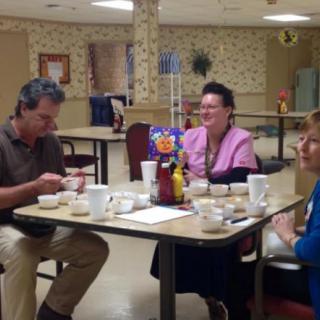
 Dining room
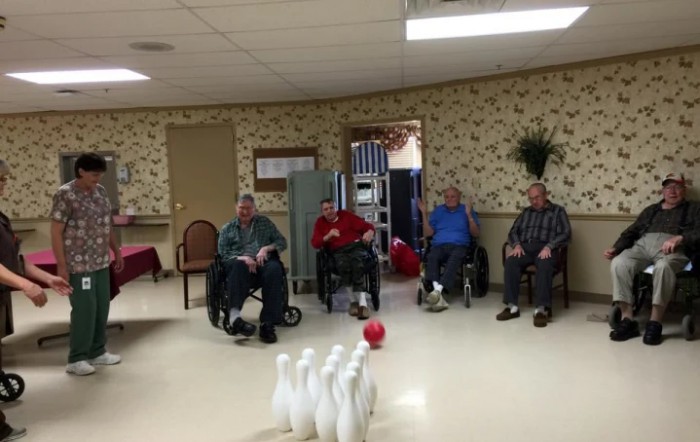
 Fitness room
 Fully furnished
 Gaming room
 Garden
 Housekeeping services
 Kitchenette
 Move-in coordination
 Outdoor space
 Private bathrooms
 Restaurant-style dining
 Small library
 Telephone
 Wellness center
 Wi-Fi/high-speed internet available
 Community operated transportation
 12-16 hour nursing
 24-hour call system
 Activities of daily living assistance
 Assistance with bathing
 Assistance with dressing
 Assistance with transfers
 Diabetes diet
 Medication management
 Mental wellness program
 Special dietary restrictions
 Concierge services
 Planned day trips






 In-Depth Look at the VA Aid and Attendance Program
 Nurturing Our Loved Ones: A Daughter's Journey in Caring for Her Mother
 Nurturing Our Elders: Linda's Journey of Supporting Her Mother