












814 North Davis Street, Manila, AR 72442
For more information about senior living options: (866) 208-4318
Manila Healthcare Center Costs & Pricing
At Manila Healthcare Center, the monthly cost for a semi-private room stands at $4,200, which reflects a higher investment compared to the average rates in Mississippi County and Arkansas. Specifically, residents of Mississippi County can expect to pay approximately $2,935 for similar accommodations, while rates across the state of Arkansas average around $3,651. This pricing differential highlights Manila's positioning within the market, suggesting that it may offer enhanced services or amenities that justify the premium cost. Families considering care options will want to weigh these expenses against the quality of care and resources available at Manila Healthcare Center.
| Floor plans | Manila Healthcare Center | Mississippi County | Arkansas |
|---|---|---|---|
| Semi-Private | $4,200 | $2,935 | $3,651 |
Skilled Nursing Facilities with a similar price nearby
-
from +$253 / mo
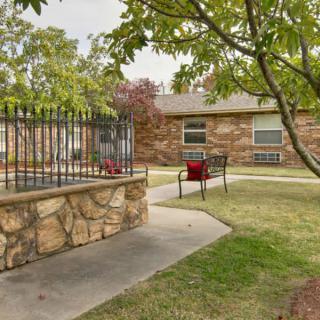
Heritage Nursing Center
$4,453 to $4,605 / month24.5 miles away -
from -$300 / mo

Beverly LivingCenter - Paragould
$3,900 / month22.5 miles away
Overall Review of Manila Healthcare Center
Pros
 The facility has an excellent staff and takes pride in its work.
- The place is regarded as a home away from home, with residents cared for by the staff.
- Transportation to dialysis is described as good.
- A reviewer expresses love for the place and its residents, calling it a home away from home.
Cons
 The facility is a joke.
- The place is horrible; a relative was left in dirty diapers, and a nurse vaped in the same room, while her health declined rapidly.
- The aunt required hospitalization and sedation after being there.
- The transportation drivers park poorly, and callers are kept on hold for long periods.
- The facility is understaffed and overworked; medications are not reliably given, and dialysis patients do not receive a proper renal diet.
- Physical therapy is never provided.
- The place is dirty, understaffed, and unprofessionally operated, with staff described as having an IQ well below 100.
- The facility is understaffed and visitors must watch for bed sores.
Review
Manila Healthcare Center is best suited for families on a tight budget who want a small, homey atmosphere and can tolerate uneven clinical oversight. It may work for residents who primarily need custodial support, social interaction, and a sense of familiarity rather than rigorous rehabilitation or high-stakes medical care. Those prioritizing dependable therapy programs, consistent medication administration, and strong safety protocols should seriously consider alternatives, because the reviews point to substantial gaps in staffing, operations, and clinical reliability.
The negatives in the consensus voice are sharp. Accounts describe neglectful or unsafe conditions, including a resident who wore soiled protection and insufficient supervision, a nurse reportedly vaping in the same room, and rapid health decline following admission that required hospital readmission. Medication administration is repeatedly flagged as inconsistent, with some days described as a struggle to get the right drugs at the right times. Rehabilitation appears largely absent in practice, and dietary needs for certain conditions are said to be unmet. Transportation and discharge logistics are also criticized, with drivers and scheduling causing delays and frustration. The grim picture is reinforced by blunt observations about understaffing, unprofessional operations, and risks like bed sores for immobile residents.
Still, a minority of voices offer a counterpoint, praising staff warmth and calling the place a kind of home away from home. Pockets of staff dedication shine through in these reports, framing a culture where residents feel cared for and valued by those who remain on site. Those optimistic notes suggest that, for some individuals and families, the human touch can be meaningful in a setting where logistical and clinical reliability is inconsistent. The tension between these positive sentiments and the widespread concerns creates a cautionary picture: warmth alone cannot offset the material gaps in care and safety that appear repeatedly in the feedback.
From a practical decision-making standpoint, the key question is whether the upside of a friendly, less-impersonal setting can compensate for the systemic downsides. The most glaring risks, medication errors, limited or absent physical therapy, and the potential for rapid health decline without timely intervention, tend to eclipse any perceived benefits of homey atmosphere or devoted staff. Pros such as social engagement, resident-friendly routines, and visible caregiver attentiveness may soften days, but they do not guarantee consistent clinical oversight or safety. Families should weigh the value of a nurturing environment against the likelihood of gaps in rehabilitation services, accurate medications, and proactive medical follow-through.
For families weighing options, several steps are essential before deciding. Conduct unhurried visits at different times to observe staff interactions, care routines, and cleanliness. Request a direct conversation with the nurse supervisor or facility administrator to review staffing ratios, turnover, and the facility’s process for medication management and incident reporting. Ask for a clear outline of rehabilitation services, therapy schedules, and how residents transition back home or to hospital as needed. Review recent state inspections or deficiency reports, and compare them against other local facilities with stronger rehab programs, higher staff-to-resident ratios, and transparent safety practices. If choosing Manila Healthcare Center, insist on a concrete care plan, regular family updates, and a trial period with measurable benchmarks.
In the end, the decision hinges on clinical needs versus emotional and social priorities. If a loved one requires reliable rehabilitation, consistent medication management, and proactive medical monitoring, alternatives with proven therapy cores and steadier staffing should be the default path. If the priority is a warm, neighborly environment with attentive caregivers and a willingness to supervise care closely, Manila Healthcare Center may still fit, but only with rigorous oversight and clear, documented safeguards. Proceed with caution, demand clarity, and anchor the choice in concrete expectations rather than hopeful impressions.
 70 resident community capacity
 Skilled Nursing Facility
 Air-conditioning
 Beauty salon
 Cable or satellite TV
 Computer center
 Dining room
 Fitness room
 Fully furnished
 Gaming room
 Garden
 Housekeeping services
 Kitchenette
 Move-in coordination
 Outdoor space
 Private bathrooms
 Restaurant-style dining
 Small library
 Telephone
 Wellness center
 Wi-Fi/high-speed internet available
 Community operated transportation
 12-16 hour nursing
 24-hour call system
 Activities of daily living assistance
 Assistance with bathing
 Assistance with dressing
 Assistance with transfers
 Diabetes diet
 Medication management
 Mental wellness program
 Special dietary restrictions
 Concierge services
 Planned day trips


 Understanding the Nuances of Palliative Care and Hospice: A Comprehensive Exploration
 Fecal Incontinence in Older Adults: A Comprehensive Guide
 Nurturing Well-Being Through Gardening: A Detailed Guide for Senior Enthusiasts