

Woodland Hills Healthcare And Rehabilitation

Save

  • Interior

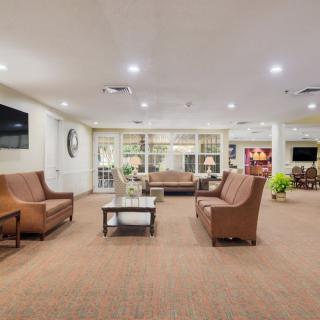
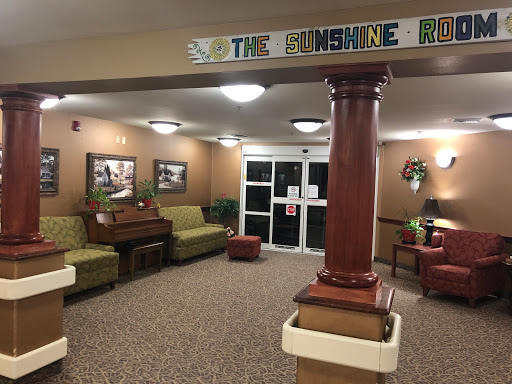
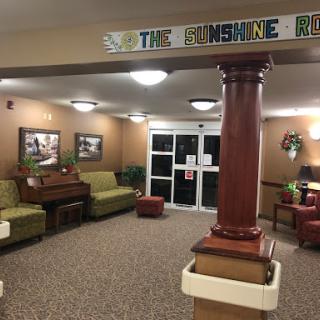
    A cozy and welcoming lobby area featuring comfortable seating and warm lighting.
  • Outdoors

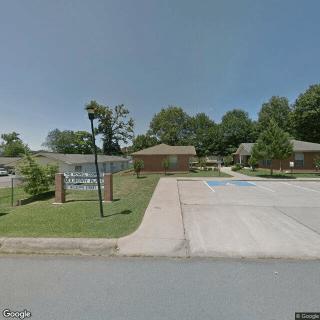
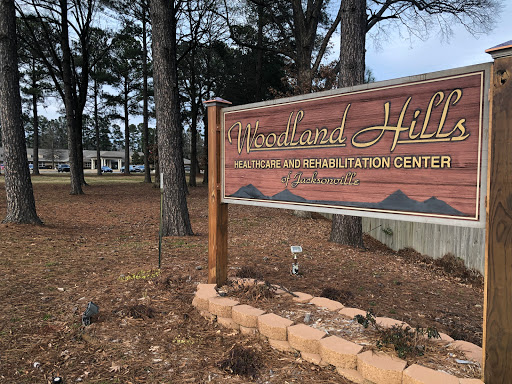
    A sign for Woodland Hills, set against a backdrop of trees and nature.
  • Decor

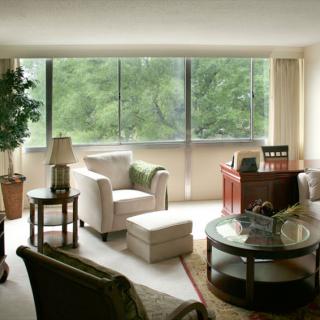
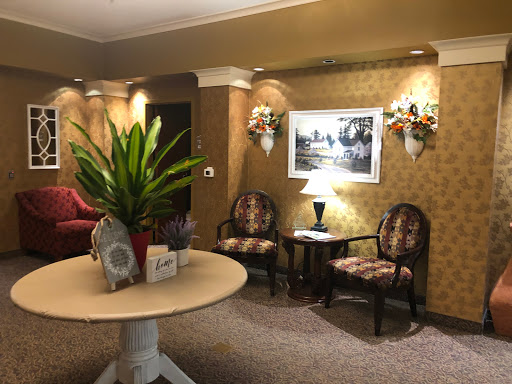
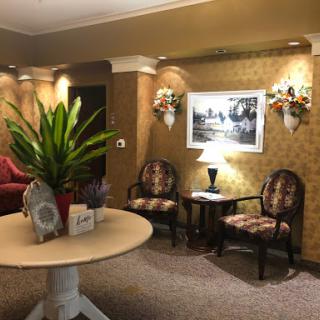
    Cozy lobby area with elegant decor and comfortable seating.
  • Building

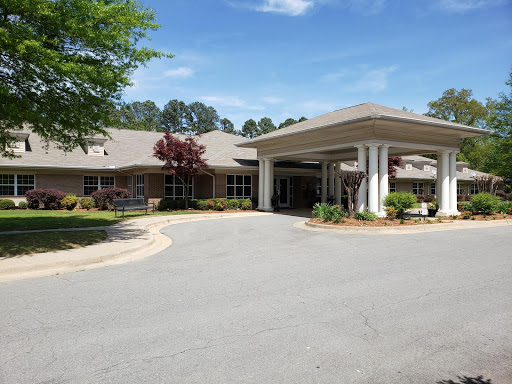
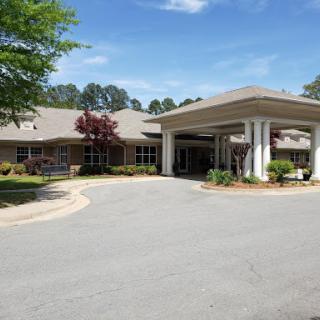
    A welcoming entrance to a residential facility on a sunny day.
  • Architecture

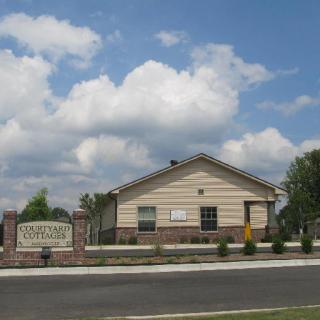
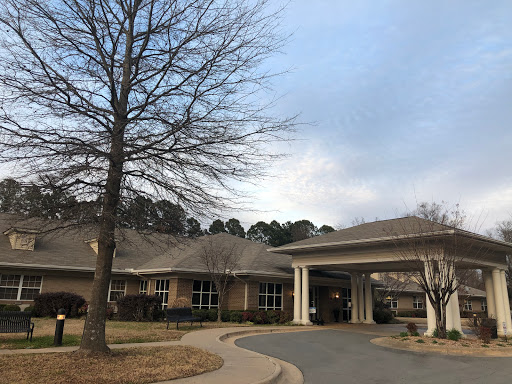
    A care facility surrounded by trees under a cloudy sky.
  • Dining

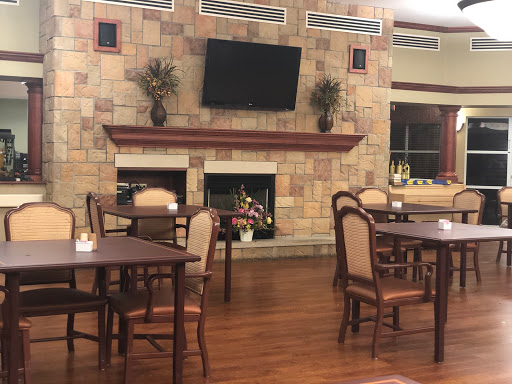
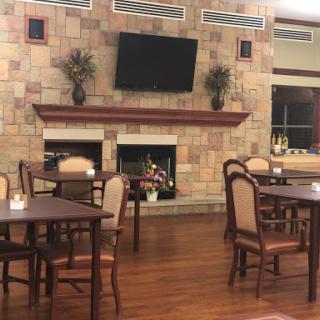
    A cozy dining area featuring wooden tables and chairs, a stone fireplace, and a television.

Woodland Hills Healthcare And Rehabilitation

1320 West Braden Street, Jacksonville, AR 72076

For more information about senior living options: (844) 490-3973

3 from 22 reviews
5 stars
9
4 stars
1
3 stars
2
2 stars
1
1 stars
9

Skilled Nursing Facility

What level of care are you interested in?

Assisted Living

Memory Care

Independent Living

Skilled Nursing Facility

Continuing Care Retirement Community (CCRC)CCRC

Other


Request a tour at Woodland Hills Healthcare And Rehabilitation

    Overall Review of Woodland Hills Healthcare And Rehabilitation

    Pros

    • pro The staff and the environment are upbeat.
    • pro The father-in-law really loves it there.
    • pro Johnnie Simmons and the entire staff went way above and beyond for his wife.
    • pro The nurses cared for her as though she were their own mother.
    • pro Nurses Marla, Annetta, Christine, and Robin were compassionate and caring.
    • pro Woodland Hills' nurses and other staff took a personal interest in residents, ensuring their comfort.
    • pro The staff is hard-working and compassionate, providing responsive care for residents.

    Cons

    • pro The reviewer was very displeased with the entire experience.
    • pro They claimed there was a lack of staff and care.
    • pro The weekend Charge Nurse is an incompetent joke.
    • pro The reviewer stated the nurse had no clue to the questions asked and would not take responsibility to answer the phone.
    • pro They criticized that an Alzheimer's patient was allowed unlimited access to the phone, which accelerated the situation.
    • pro Medications were not given as prescribed.
    • pro The patients the reviewer encountered cried, saying they wanted to leave.
    • pro The reviewer described the facility as under-staffed and uncaring.
    • pro The reviewer described a patient with a bloody nose who received no help and was left in blood-stained sheets.
    • pro Residents were mistreated and bullied by staff.
    • pro The reviewer urged others to go elsewhere.
    • pro The reviewer stated they would never allow anyone they know to go there.

    Review

    The collection of reviews presents a wide spectrum of experiences in elder care, ranging from heartfelt praise for caring staff and nurturing environments to serious accusations of neglect and mismanagement. Several families describe facilities where the atmosphere feels genuinely upbeat and where individual staff members go above and beyond to support residents and their loved ones. Yet other accounts depict troubling gaps in care, with concerns about medication administration, staffing levels, communication, and how Alzheimer's or confused residents are managed. Taken together, the commentary underscores how variable the quality of care can be, sometimes within the same organization or even within the same building.

    One vivid negative experience centers on a family member's stay with a father-in-law who was in a facility for only five days. From the outset, the family was told a barber would be available for a haircut, but there was never clear communication about the cost. The situation quickly escalated into confusion for the resident, who called family up to 17 times a day seeking clarification. The family questioned whether the staff truly understood how to handle an Alzheimer's patient and why medications packed in blister packs were not always administered as prescribed. They also noted that the resident's peers cried and expressed a desire to leave, and they faulted the weekend charge nurse for a perceived lack of competence and accountability. The review suggests a breakdown in safeguarding the patient's wellbeing and a failure to maintain open lines of communication with the family, all culminating in a strong sentiment that the environment did not meet the needs of someone living with dementia.

    Another ?ongled account describes a troubling week when a different family's mother was admitted for rehabilitation. The concerns escalate into specific episodes: a bloody nose with no timely assistance, repeated calls about the lack of help, and an environment where the family observed minimal staff presence across several halls. The patient reportedly pressed the help button with little response, and when the family sought help, they encountered staff who seemed unconcerned or overwhelmed, with at least one employee redirected by another to a different hall. The experience included a perception of under-staffing and a sense that staff did not treat the resident with the care or urgency she required. The family even reported a tense moment when accusations about stolen belongings erupted, contributing to a sense that the facility did not maintain a safe, respectful environment. In short, this account paints a picture of distress and frustration born of perceived neglect and poor problem-solving.

    Several reviews acknowledge the presence of serious concerns but also rotate in warnings about the broader landscape of care. One message states clearly that residents are "mistreated and bullied by staff," and that readers should go elsewhere, signaling a perception of persistent mistreatment that outweighed any positive impressions. This stark sentiment contrasts with other stories that emphasize the human side of caregiving - the compassionate, dependable care that families remember vividly. The juxtaposition of these opposing viewpoints highlights how widely experiences can diverge, even within a single facility or network, and it points to the critical importance of consistent standards, vigilant oversight, and clear, compassionate communication across all shifts and departments.

    Amid the more troubling narratives, there are glowing endorsements of individual staff members and entire teams. One reviewer praised Johnnie Simmons and the rest of the staff for going "way above and beyond" for a spouse, calling it a center they would highly recommend to anyone seeking this level of care. Another set of remarks highlighted the work of particular nurses - the names Marla, Annetta, Christine, and Robin - who were described as compassionate and deeply invested in their patient's well-being. The sentiments emphasize a recurring theme: when care teams are attentive, personable, and proactive, families feel that their loved ones are treated as if they were their own family members. In these accounts, staff are celebrated for providing individualized attention, emotional support, and steady communication with relatives.

    Additional reviews from the Woodland Hills facility present a second, equally strong chorus of praise. Family members recalled nurses who treated their loved ones with tenderness and respect, and who maintained a loving, nurturing environment. Names such as Janette, Karen, Ms. Betty, Bertha, among others, are invoked to illustrate a culture of personal investment in residents' comfort and dignity. Other comments celebrate simple but meaningful benefits - opportunities for Bible study for those who can participate and a warm, communal atmosphere where some residents are described as lively and engaged. Together, these remarks convey a powerful picture of a community where residents feel cared for, appreciated, and connected to both staff and fellow residents.

    Taken as a whole, the reviews illustrate a complex landscape: some families experience excellent, personalized care backed by compassionate staffing; others encounter alarmingly insufficient attention, poor medication practices, and a sense of being abandoned or unheard. The recurring themes - communication clarity, staff-to-resident ratios, responsiveness, and adherence to individualized care plans - emerge as critical determinants of whether a family's experience tilts toward trust and gratitude or toward worry and outrage. For prospective families, the message is clear: beyond marketing materials and first impressions, it is essential to observe actual practices, speak with multiple staff members, request detailed information about staffing levels, training for dementia care, and medication protocols, and compare facilities side by side with a focus on how they handle urgent concerns, emergency calls, and the involvement of families in care decisions.

    Features

    Housing

    • 120 resident community capacity 120 resident community capacity

    Types of Care

    • Skilled Nursing Facility Skilled Nursing FacilitySkilled Nursing Facilities are crucial for seniors as they provide round-the-clock medical care, rehabilitation services, and assistance with daily activities. These facilities ensure that seniors receive the specialized care they need to maintain their health and well-being as they age.

    Amenities

    • Air-conditioning Air-conditioningAir conditioning is important for seniors as they are more vulnerable to heat-related illnesses and may have underlying health conditions that make it difficult for them to regulate their body temperature. It helps to keep them comfortable, safe, and healthy in hot weather.
    • Beauty salon Beauty salonBeauty salons are important for seniors because they provide a space for them to feel pampered, socialize, and maintain their personal grooming and hygiene. Regular visits to a beauty salon can help boost seniors' self-esteem and overall well-being.
    • Cable or satellite TV Cable or satellite TVCable or satellite TV is important for seniors because it provides entertainment, news, and companionship, helping to combat loneliness and boredom. It also offers a wide range of programming options tailored to different interests and preferences.
    • Computer center Computer centerA computer center is essential for seniors as it provides access to technology, communication tools, and resources that can enhance their daily lives. It allows them to stay connected with loved ones, engage in online activities, and learn new skills, ultimately promoting socialization and mental stimulation.
    • Dining room Dining roomDining rooms are important for seniors as they provide a space for socialization, connection, and nutritious meals. They offer opportunities for residents to bond over shared meals, foster a sense of community, and promote healthy eating habits. Dining rooms also ensure that seniors have access to well-balanced meals tailored to their dietary needs and preferences.
    • Fitness room Fitness roomHaving a fitness room in a senior living community is essential for seniors to stay active, maintain their physical health, and improve their overall well-being. Regular exercise can help prevent falls, reduce the risk of chronic diseases, and promote mental sharpness. It also provides social opportunities for residents to connect with others and enjoy a sense of community.
    • Fully furnished Fully furnishedFully furnished senior living communities are important for seniors because they provide convenience, comfort, and a hassle-free moving experience. Seniors can easily settle into their new living space without the stress of having to buy and move furniture. This allows them to focus on enjoying their new home and community.
    • Gaming room Gaming roomGaming rooms are important for seniors as they provide a fun and engaging environment for socializing, cognitive stimulation, and physical activity. Games can improve memory, problem-solving skills, and overall mental well-being while fostering friendships and reducing feelings of isolation.
    • Garden GardenGardens are important for seniors as they provide a peaceful and therapeutic environment for relaxation, physical activity, and socialization. Being in nature has been shown to reduce stress, improve mood, and promote overall well-being. Gardens also offer opportunities for seniors to engage in gardening activities, which can improve mobility, flexibility, and cognitive function. Additionally, gardens create a sense of community and connection with others who share a passion for plants and outdoor spaces.
    • Housekeeping services Housekeeping servicesHousekeeping services are important for seniors because they help maintain a clean and safe living environment, promote independence, and reduce the risk of accidents or illnesses. Additionally, having assistance with household chores can alleviate physical strain and allow seniors to focus on other aspects of their well-being.
    • Kitchenette KitchenetteKitchenettes are important for seniors living in senior living communities because they provide the convenience and independence of being able to prepare simple meals and snacks in the comfort of their own living space. This can help promote a sense of autonomy and well-being for seniors, allowing them to maintain some level of control over their dietary choices and daily routines.
    • Move-in coordination Move-in coordinationMove-in coordination is important for seniors because it helps ease the transition into their new living environment. It ensures that all logistics, such as packing, organizing movers, and setting up utilities are taken care of, allowing seniors to focus on settling in and adjusting to their new home. Having a smooth move-in process can alleviate stress and anxiety, making the transition smoother and more enjoyable for seniors.
    • Outdoor space Outdoor spaceOutdoor spaces are important for seniors as they provide opportunities for physical activity, social interaction, exposure to natural light and fresh air, and a sense of connection to nature. Having access to outdoor spaces can improve overall well-being and quality of life for older adults living in senior communities.
    • Private bathrooms Private bathroomsPrivate bathrooms are important for seniors in senior living communities because they provide independence, dignity, and comfort. Having a private bathroom allows seniors to maintain their personal hygiene routines without the need for assistance, promoting a sense of autonomy and privacy. Additionally, private bathrooms help prevent the spread of infections and provide a safe and clean environment for seniors to navigate safely.
    • Restaurant-style dining Restaurant-style diningRestaurant-style dining is important for seniors because it allows them to enjoy delicious, nutritious meals in a social and upscale setting. This enhances their dining experience, promotes healthy eating habits, and fosters socialization with fellow residents, ultimately contributing to their overall well-being and quality of life.
    • Small library Small librarySmall libraries are important for seniors as they provide access to a variety of reading materials, including books, newspapers, and magazines. This can help stimulate their minds, keep them engaged, and provide a sense of community through book clubs and other social activities. Additionally, reading has been shown to improve cognitive function and overall mental well-being in older adults.
    • Telephone TelephoneTelephones are important for seniors as they provide a lifeline for communication with loved ones, emergency services, and healthcare providers. They offer a sense of security and independence, enabling seniors to stay connected and access assistance when needed.
    • Wellness center Wellness centerWellness centers are important for seniors because they offer a variety of programs and services that promote physical, mental, and emotional well-being. These centers provide opportunities for exercise, socialization, education, and relaxation, helping seniors maintain their overall health and quality of life.
    • Wi-Fi/high-speed internet available Wi-Fi/high-speed internet availableWi-Fi/high-speed internet is important for seniors to stay connected with loved ones, access online resources, and participate in virtual activities to combat feelings of loneliness and isolation. It also allows them to easily manage healthcare needs, access entertainment, and engage in lifelong learning opportunities.

    Transportation

    • Adams (12 miles away) Adams (12 miles away)
    • Community operated transportation Community operated transportationCommunity operated transportation is crucial for seniors as it provides them with the means to access essential services, social activities, and medical appointments. It allows seniors to maintain their independence and quality of life by ensuring they can participate in activities outside of their homes. Additionally, community-operated transportation services offer a safe and reliable way for seniors to travel without having to rely on family or friends for assistance.
    • Transportation arrangement Transportation arrangementTransportation arrangements are crucial for seniors as they may face challenges with driving, mobility, or access to public transportation. Having reliable transportation services ensures that seniors can easily attend appointments, social activities, and maintain their independence and quality of life.
    • Transportation arrangement (non-medical) Transportation arrangement (non-medical)Transportation arrangements are essential for seniors as they provide access to essential services, activities, and social interactions outside the home. This service helps maintain independence, mobility, and overall well-being for seniors who may have limited transportation options.
    • Transportation to doctors appointments Transportation to doctors appointmentsTransportation to doctors appointments is crucial for seniors as it ensures they have access to necessary medical care and support, promoting their health and well-being. It allows them to receive timely treatment, monitor existing conditions, and address any new health concerns efficiently. Additionally, transportation services can help seniors maintain their independence and quality of life by enabling them to stay connected with their healthcare providers.

    Care Services

    • 12-16 hour nursing 12-16 hour nursing12-16 hour nursing care is crucial for seniors in order to ensure around-the-clock monitoring, timely medication administration, and prompt response to any health concerns or emergencies. This level of care helps to promote the overall well-being and safety of seniors living in senior living communities.
    • 24-hour call system 24-hour call system24-hour call systems are important for seniors because they provide peace of mind and immediate assistance in case of emergencies. This technology ensures that help is always available, promoting safety and security for elderly individuals living alone or in assisted living facilities.
    • 24-hour supervision 24-hour supervision24-hour supervision is important for seniors to ensure their safety, well-being, and access to immediate assistance in case of emergencies or health issues. This constant support provides peace of mind for both seniors and their loved ones, allowing them to age in place with dignity and security.
    • Activities of daily living assistance Activities of daily living assistanceActivities of daily living assistance are important for seniors because they provide essential support with tasks such as eating, bathing, dressing, and mobility. This assistance helps seniors maintain their independence, dignity, and overall quality of life as they age.
    • Assistance with bathing Assistance with bathingAssistance with bathing is crucial for seniors as it helps maintain personal hygiene, prevents infections, and ensures their overall well-being and comfort. It also provides a sense of dignity and independence for seniors who may struggle with this task on their own.
    • Assistance with dressing Assistance with dressingAssistance with dressing is important for seniors because it helps maintain their independence, promotes personal hygiene, prevents accidents and injuries, and improves overall quality of life. This service ensures that seniors can continue to dress comfortably and confidently, despite any physical limitations they may have.
    • Assistance with transfers Assistance with transfersAssistance with transfers is crucial for seniors as it helps prevent falls and injuries, maintains their independence, and ensures they can safely navigate their living environment. It also provides peace of mind for both seniors and their loved ones.
    • Diabetes diet Diabetes dietA diabetes diet is crucial for seniors as it helps manage blood sugar levels, reduce risks of complications, and improve overall health and well-being. By following a balanced and nutritious diet tailored to their specific needs, seniors can better control their diabetes and enhance their quality of life.
    • Meal preparation and service Meal preparation and serviceMeal preparation and service are crucial for seniors as they may have limited mobility or energy to cook nutritious meals. Having access to healthy and convenient food options can ensure they are getting the proper nutrition needed to maintain their overall health and well-being.
    • Medication management Medication managementMedication management is crucial for seniors to ensure they are taking the right medications at the correct dosages and times. This helps prevent adverse drug interactions, reduces the risk of medication errors, and promotes overall health and well-being. Proactive management also allows for adjustments as needed based on changing health conditions or new prescriptions.
    • Mental wellness program Mental wellness programMental wellness programs are essential for seniors as they promote cognitive stimulation, emotional support, and social engagement. These programs help prevent isolation, depression, and cognitive decline, ultimately enhancing the overall quality of life for older adults.
    • Special dietary restrictions Special dietary restrictionsSpecial dietary restrictions are important for seniors because age-related changes in metabolism and health conditions can make it difficult for their bodies to process certain foods. By following a diet tailored to their specific needs, seniors can maintain their overall health and well-being, manage chronic conditions, and reduce the risk of complications such as malnutrition or food interactions with medications.

    Dining

    • Diabetes diet Diabetes dietA diabetes diet is crucial for seniors as it helps manage blood sugar levels, reduce risks of complications, and improve overall health and well-being. By following a balanced and nutritious diet tailored to their specific needs, seniors can better control their diabetes and enhance their quality of life.
    • Special dietary restrictions Special dietary restrictionsSpecial dietary restrictions are important for seniors because age-related changes in metabolism and health conditions can make it difficult for their bodies to process certain foods. By following a diet tailored to their specific needs, seniors can maintain their overall health and well-being, manage chronic conditions, and reduce the risk of complications such as malnutrition or food interactions with medications.

    Activities

    • Community-sponsored activities Community-sponsored activitiesCommunity-sponsored activities are important for seniors as they provide opportunities for social interaction, mental stimulation, and physical activity. These activities can help improve overall well-being, combat loneliness and isolation, and promote a sense of belonging and purpose among older adults.
    • Concierge services Concierge servicesConcierge services are essential for seniors as they provide assistance with daily tasks and errands, enhance their quality of life by offering convenience and personalized care, and promote a sense of safety and security.
    • Fitness programs Fitness programsFitness programs are crucial for seniors as they help improve strength, flexibility, balance, and overall well-being. Staying active can reduce the risk of chronic diseases, improve mental health, and enhance quality of life in older adults.
    • Planned day trips Planned day tripsPlanned day trips are important for seniors because they offer opportunities for socialization, mental stimulation, and physical activity. They provide a change of scenery and help seniors stay engaged and connected to their community, promoting overall well-being and quality of life.
    • Resident-run activities Resident-run activitiesResident-run activities are important for seniors as they encourage social interaction, creativity, and a sense of autonomy. These activities empower seniors to stay engaged and active in their community while fostering meaningful connections with their peers.
    • Scheduled daily activities Scheduled daily activitiesScheduled daily activities are important for seniors because they provide structure, socialization, mental stimulation, and physical activity. Engaging in regular activities can improve overall well-being and quality of life for seniors living in a community setting.

    Description

    Woodland Hills Healthcare and Rehabilitation in Jacksonville, AR is an exceptional assisted living community offering a wide range of amenities and care services to meet the needs of its residents. The community boasts a variety of amenities designed to promote comfort, convenience, and social engagement.

    Residents can enjoy the convenience of an on-site beauty salon, ensuring they always look and feel their best. Cable or satellite TV is provided in each room, allowing residents to stay connected with their favorite shows and entertainment. Community-operated transportation is available for outings and appointments, making it easy for residents to maintain an active lifestyle.

    For those who seek technology access, there is a computer center equipped with high-speed internet. A dining room offers restaurant-style meals prepared by professional staff, accommodating any special dietary restrictions. Housekeeping services ensure a clean and tidy living environment.

    The community features various spaces for recreation including a fitness room for physical activity, a gaming room for friendly competition, and a small library for leisurely reading. Outdoor spaces such as gardens provide tranquility and the opportunity to enjoy nature. Private bathrooms guarantee privacy and convenience.

    Residents benefit from move-in coordination assistance as well as transportation arrangements for non-medical purposes or doctor's appointments. In addition to physical wellness support, Woodland Hills also offers mental wellness programs to promote emotional well-being.

    The care services provided are comprehensive and include 24-hour call systems and supervision to ensure residents' safety at all times. Assisting with daily activities such as bathing, dressing, transferring, meal preparation, medication management, and diabetes diet support are part of the personalized care plans tailored to individual needs.

    A vibrant calendar of activities is offered daily with options like concierge services for personalized assistance as well as fitness programs to keep residents physically active. Planned day trips offer opportunities for adventure while resident-run activities foster a sense of community among peers.

    Located conveniently near cafes, parks, pharmacies, physicians' offices, restaurants,and places of worship, Woodland Hills is ideally situated to provide easy access to essential services and entertainment options.

    Overall, Woodland Hills Healthcare and Rehabilitation offers a warm and inviting environment where residents can receive personalized care, stay engaged in various activities, and enjoy a fulfilling lifestyle.

    Nearby Places of Interest

    Transportation

    • U-Haul Neighborhood Dealer (0.1 miles)

    Physicians

    • Jacksonville Allergy Clinic (0.2 miles)
    • Eye Physicians & Surgeons Crestview Optical (0.2 miles)
    • St Vincent Family Clinic (0.5 miles)
    • Family Eye Clinic (5.3 miles)
    • Arkansas Psychotherapy Center (5.4 miles)
    • Sherwood Family Medical Center (6.1 miles)
    • Orthopedic Specialists (6.2 miles)

    Pharmacies

    • Marshall Road Pharmacy (0.2 miles)
    • Chambers Drug Store (0.5 miles)
    • Walgreens (0.6 miles)
    • Fred's Pharmacy (0.7 miles)
    • Howard (0.7 miles)
    • CVS Pharmacy (6.7 miles)
    • Cabot Pharmacy (8.1 miles)

    Places of Worship

    • Southern Baptist Convention (0.4 miles)
    • The Repairer Of The Breach Ministry (0.6 miles)
    • Lee Joeng S (0.8 miles)
    • First Assembly Of God (1.1 miles)
    • St Stephen's Episcopal Church (2.1 miles)
    • That.Church (6.3 miles)
    • Mt Tabor United Methodist Church (7.7 miles)

    Restaurants

    • Chili's Grill & Bar (0.5 miles)
    • Sonic Drive-In (0.5 miles)
    • Thai Taste Restaurant (0.6 miles)
    • Jeepney Shave Ice (0.8 miles)
    • Taco Bell (1.1 miles)
    • Domino's Pizza (1.2 miles)
    • Sonic Drive-In (1.2 miles)

    Parks

    • Dupree Park (0.7 miles)
    • Paradise Park (1.4 miles)
    • Cabot Parks & Recreation (9.6 miles)

    Cafes

    • Starbucks (1.2 miles)

    Hospitals

    • St Vincent Health System (6.2 miles)
    • St Vincent Infirmary North (6.4 miles)
    • Baptist Health Medical Center (8.4 miles)
    • Cabot Emergency Hospital (9 miles)

    Theaters

    • Mccain Mall (8.1 miles)

    Frequently Asked Questions

    Where is Woodland Hills Healthcare And Rehabilitation?
    What photos are available for Woodland Hills Healthcare And Rehabilitation in Jacksonville, Arkansas?

    Nearby Communities

    Related Resources

    • caregiver dutiesTen Vital Duties of a Senior Caregiver: A Comprehensive Guide

      The guide details ten essential responsibilities of senior caregivers, including personal care, mobility assistance, medication management, and emotional support, while emphasizing the importance of safety, nutrition, and maintaining a safe living environment to enhance seniors' quality of life and independence.

    • memory games for seniors9 Stimulating Memory Activities for Seniors: Puzzles, Cards, and Much More

      The article highlights nine memory-boosting activities for seniors that enhance cognitive health and social interaction, including puzzles, trivia quizzes, and storytelling, while emphasizing the importance of adapting these activities to individual preferences to maximize enjoyment and engagement. Consistent mental engagement is linked to improved cognitive function and emotional well-being in older adults.

    • what happens when medicare stops paying for nursing home careManaging Nursing Home Expenses After Medicare Coverage Ends
      Medicare provides limited coverage for skilled nursing home care, covering full benefits for the first 20 days and partial benefits up to 100 days under certain conditions, after which families must explore alternative funding options like Medicaid or long-term care insurance to manage potentially high costs. Proactive planning is essential to navigate the complexities of financing ongoing care once Medicare coverage ends.


    Get Pricing Ask A Question Schedule A Tour Contact Senior Advisor