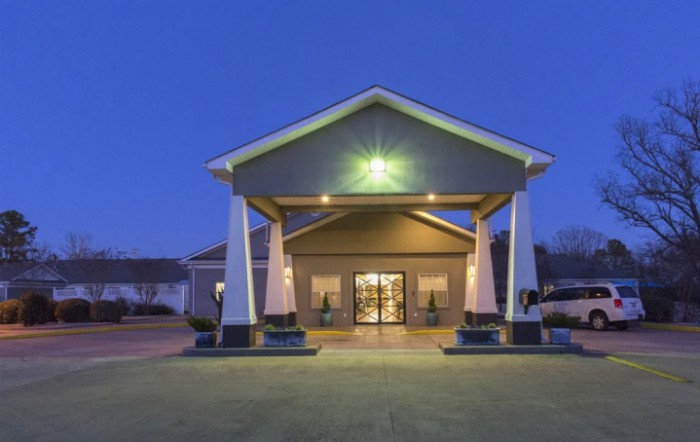







138 Brighton Terrace, Hot Springs, AR 71913
For more information about senior living options: (866) 208-4318
Overall Review of Quapaw Care And Rehabilitation Center
Pros
 The nurses are good about calling with medication changes and lab work.
- Nursing staff communicated well with health updates.
- The staff at the facility are kind, attentive, and professional; the environment is clean, welcoming, and well-maintained.
- The team truly cares about the residents and works hard to make sure everyone is comfortable and supported.
- The staff are wonderful and the food is great.
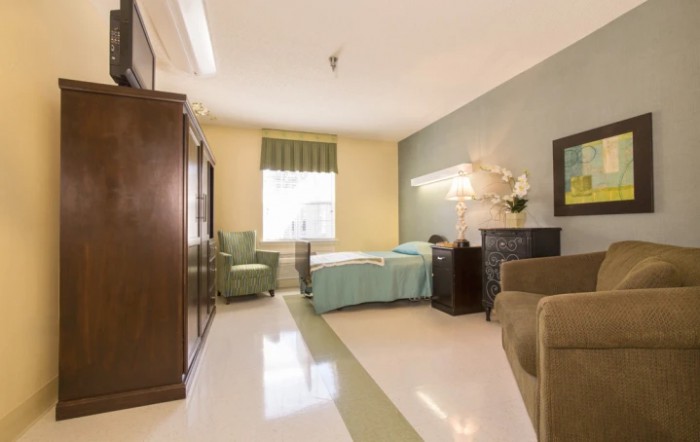
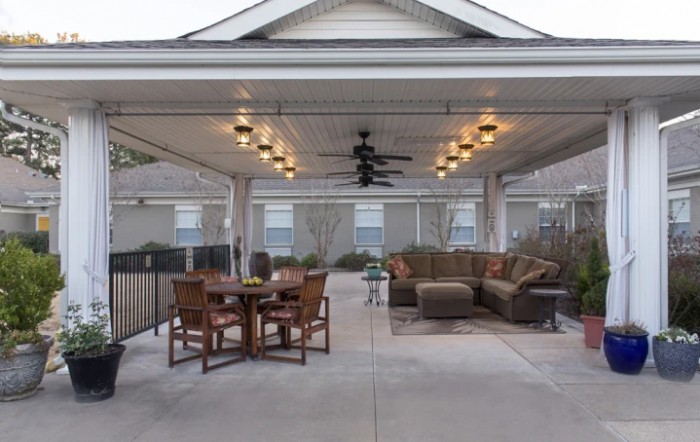
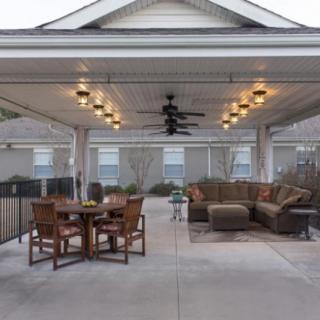
- The facility is very clean, and there are gardens that add a pleasant touch.
- The interdisciplinary administrative team and many direct care nurses have been working together for 10 years or more, showing longevity in teamwork.
Cons
 They discharged Eleanor home with a negligent caregiver against the family’s wishes, and she died within a month.
 - The facility allows a woman named Kathy to prey on lonely seniors and send them home with her.
- Kathy uses seniors as a side hustle and then doesn’t provide them medical care once she takes them in.
- They lied about his incontinence; after returning home he couldn’t tell when he needed to go, and he’s dead now.
- There was poor communication about dietary needs, and management lacks proper training and oversight.
- On admission, medication was cut in half, not available on site for two days, and the family wasn’t informed; pain meds could take hours to arrive.
- The place was described as disgusting.
- Do not send a loved one there: water isn’t refreshed, meals are served late, residents aren’t checked on, and staff supervision is lacking (call lights go unanswered).
Review
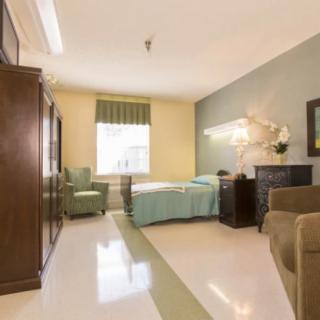
Quapaw Care and Rehabilitation Center in Hot Springs is best suited for families seeking a rehab-focused environment where the emphasis is on meaningful nursing communication, a clean, home-like setting, and a stable, long-standing care team. The center tends to deliver positive experiences when the goal is skilled rehabilitation with clear med changes and lab updates, and when residents benefit from a warm, attentive bedside approach. The facility’s strengths include a welcoming atmosphere, well-maintained public spaces, and a sense that staff genuinely care about residents’ comfort and daily well-being. For families prioritizing a proven, personable team during recovery and a setting that feels lived-in rather than clinical, Quapaw can be a solid match. It is less well-suited, however, for those who require near-perfect day-to-day safety oversight or for loved ones with a history of needs that demand relentless, issue-by-issue management.
On the plus side, several reviewers highlight real strengths in nursing communication and rehab outcomes. Nurses are praised for timely updates on medication changes and lab results, which can smooth transitions back home after a period of skilled therapy. The caregiving staff is repeatedly described as kind, attentive, and professional, contributing to an environment that feels supportive rather than impersonal. The facility earns points for cleanliness and for fostering a sense of normalcy, an older building that’s well kept, with gardens and comfortable spaces that give residents places to stroll, socialize, or simply feel at ease. For families whose primary concern is visible compassion paired with effective rehabilitation, these factors often translate into tangible peace of mind and measurable progress toward discharge.
Yet the picture is far from uniform. A number of reviews raise serious caveats that cannot be ignored in a decision about long-term placement. Allegations of negligent discharge and exploitation by a staff member, as well as concerns about insufficient medical oversight at critical moments, point to troubling risks that some families experience as real and ongoing. Other calls for vigilance focus on inconsistent communication in dietary and administrative domains, gaps in medication management, and delays in addressing basic needs. Instances of call-light neglect, slow response to bathroom assistance, and lapses in timely meal service underscore the potential for safety and dignity to be compromised during vulnerable periods. Such patterns, whether isolated or recurrent, drastically tilt the risk-benefit balance for families.
When weighing pros against cons, the decisive factor hinges on how much value is placed on rehab-driven outcomes, staff continuity, and a home-like culture versus the gravity of safety and responsiveness concerns. The strong points, reliable med-change communication, dedicated rehab routines, and a long-tenured care team, can translate into smoother recoveries and fewer readmissions, especially when families actively participate in care planning and monitor progress. The longevity of the administrative and nursing staff can foster better coordination and less fragmented care, which many families find reassuring. However, even one pattern of neglected call bells, delayed pain control, or mistimed discharge processes can unravel that confidence. The facility’s ability to truly safeguard residents depends on how consistently these strengths are upheld amid daily pressures.
Alternatives merit serious consideration for families who cannot tolerate the level of operational variability described in some reviews. If the expectation is near-spotless responsiveness, especially around hydration, bathroom assistance, and timely meals, or if there is strong concern about potential exploitation or inadequate oversight, exploring other options with more robust safety track records may be prudent. In these cases, prospective residents should seek facilities with transparent, consistently posted response times, verifiable staff-to-resident ratios, and documented incident-management procedures. Visiting the site with questions ready, about discharge planning, med reconciliation, and daily routines, can help separate genuine strengths from temporary goodwill. Request current inspection summaries and speak candidly with front-line staff and families who have recent, lived experience.
For families choosing Quapaw, the practical path is to enter with clear expectations and a plan for active advocacy. The center can be a viable choice for rehab-driven goals and for residents who respond positively to a stable, caring team in a clean, comfortable setting. The major caveat is the potential for serious lapses in safety oversight and responsiveness, which can undermine trust and safety if left unaddressed. If these concerns are a priority, consider alternatives that emphasize rigorous oversight and consistently demonstrated reliability. For those who proceed, a proactive approach is essential: tour with a focus on staffing patterns, confirm medication protocols and on-site pharmacy capabilities, insist on detailed discharge and follow-up plans, and track response times for call lights and care requests. In the right hands, Quapaw offers a practical, compassionate option that can support meaningful recovery and a clear path back home.
 126 resident community capacity
 Skilled Nursing Facility
 Air-conditioning
 Beauty salon
 Cable or satellite TV
 Computer center
 Dining room
 Fitness room
 Fully furnished
 Gaming room
 Garden
 Housekeeping services
 Kitchenette
 Move-in coordination
 Outdoor space
 Private bathrooms
 Restaurant-style dining
 Small library
 Telephone
 Wellness center
 Wi-Fi/high-speed internet available
 Community operated transportation
 12-16 hour nursing
 24-hour call system
 Activities of daily living assistance
 Assistance with bathing
 Assistance with dressing
 Assistance with transfers
 Diabetes diet
 Medication management
 Mental wellness program
 Special dietary restrictions
 Concierge services
 Planned day trips






 Powerful Realities of Elder Abuse and the Most Effective Ways to Report It
 Ten Vital Duties of a Senior Caregiver: A Comprehensive Guide
 9 Stimulating Memory Activities for Seniors: Puzzles, Cards, and Much More